
Cellulite is normal, common, and often frustrating because it does not always respond to dieting or exercise the way many people expect. The good news: modern cellulite reduction treatments can soften dimples, improve skin texture, and help you choose an option that matches your goals, budget, and downtime.
Table of Contents
- What cellulite is and why cellulite treatments are complex
- Main causes behind the appearance of cellulite
- Overview of cellulite reduction and treatment options
- Subcision, laser treatments, and minimally invasive procedures
- Radiofrequency, ultrasound, and acoustic wave therapy
- Injectables, cellulite creams, and home methods
- Lifestyle habits that support cellulite reduction
- How long results last and what affects them
- Risks, safety, and how to choose a provider
- Why choose our clinic for cellulite treatments
What Is Cellulite & Why Is It So Hard to Treat?
Cellulite affects an estimated 85 to 90% of adult women and a smaller percentage of men, commonly on the abdomen, buttocks, thighs, hips, and sometimes cellulite prone areas of the upper arms. It is not proof of poor fitness or poor health.
Cellulite occurs when subcutaneous fat and fat beneath the skin push upward while connective tissue beneath the skin pulls downward. These fibrous bands binding fat create raised and depressed areas on the skin’s surface, producing dimpled skin that is often compared to orange peel or cottage cheese. As skin loses elasticity, the skin appearance can become more uneven.
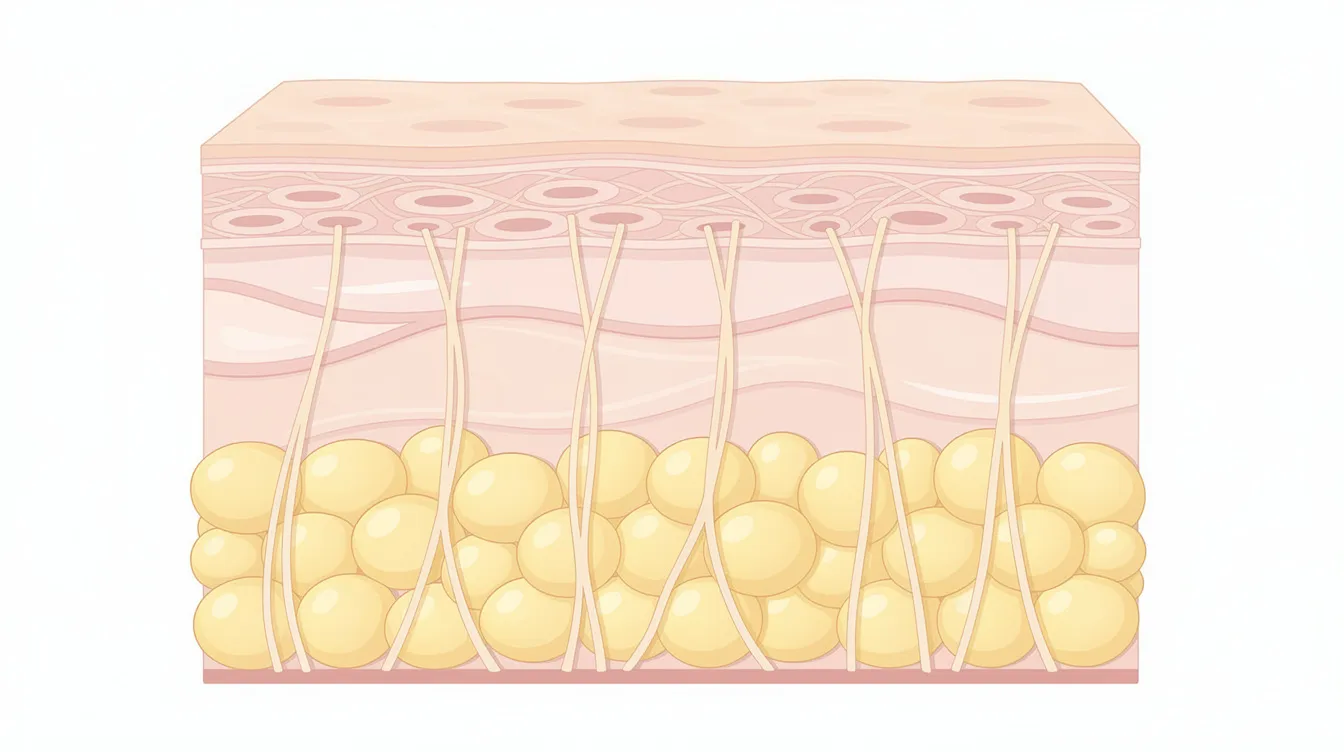
Cellulite formation depends on skin structure, hormones, genetics, age, and connective tissue. Even lean people with strong underlying muscle can have pronounced cellulite. Clinical grades range from mild dimples seen only when pinched to severe dimples visible at rest with loose skin or contour changes. Research reviews note how common this is, including data summarized in peer-reviewed cellulite studies.
Main Causes & Factors That Influence the Appearance of Cellulite
No single issue explains how cellulite forms. It is usually a mix of structural, hormonal, and lifestyle factors.
- Genetics influence connective tissue bands, skin thickness, fat distribution, and how much cellulite appears.
- Estrogen, pregnancy, menopause, and aging change collagen, elastin, and fibrous tissue.
- Excess fat and fatty deposits can increase pressure against the skin, but cellulite is not only a weight problem.
- Sedentary habits, smoking, high-salt meals, and ultra-processed foods may worsen skin appearance.
- Poor blood circulation, fluid retention, inflammation, and reduced lymphatic drainage can make dimpling more visible.
- Rapid weight loss or repeated losing weight and regain may worsen laxity, even if overall body fat decreases.
In short, cellulite is not caused by one “bad habit.” Factors contributing to the appearance of cellulite include skin structure, hormones, genetics, and age, with the aging process worsening its appearance due to loss of skin elasticity.
Overview of Cellulite Treatment Options Today
There is no permanent cure to completely get rid of cellulite. No treatment can completely eradicate cellulite permanently, but several FDA-cleared procedures offer significant, long-term improvements.
The main cellulite treatment options include:
- Mechanical treatments such as Cellfina and Avéli, which release tight connective tissue bands.
- Laser treatment options such as Cellulaze, which use laser energy below the skin.
- Non-surgical energy devices, including radiofrequency treatments, ultrasound, infrared light, and light treatments.
- Injectable options, including collagenase-based products where available.
- Supportive home care, including massage, cellulite creams, exercise, and a healthy diet.
Non-invasive cosmetic treatments usually have little downtime. Minimally invasive options are performed through small entry points and are considered minimally invasive when they use local anesthesia rather than full cosmetic surgery. The most effective treatment plans often combine professional treatments with a healthy lifestyle, stable weight, and strength training.
Minimally Invasive Cellulite Procedures (Subcision, Laser & More)
Effective treatments for cellulite focus on severing the fibrous connective tissue bands or thickening the skin. That is why minimally invasive procedures often deliver the most durable cellulite reduction.
Cellfina is a vacuum assisted precise tissue release system. In assisted precise tissue release, a small blade releases fibrous septae under local anesthesia. Mechanical treatments, such as Cellfina, utilize a minimally invasive technique to release tightened connective tissue bands, with results lasting up to three years after treatment. Cellfina is indicated as the longest-lasting cellulite treatment, with results lasting up to 3 years.
Good candidates often have stable weight, localized dimples on the thighs or buttocks, and realistic expectations. These procedures are minimally invasive and performed in-office under local anesthesia. Bruising, swelling, and tenderness are expected.
Avéli is another in-office subcision method that lets trained providers identify and release individual bands causing moderate to severe cellulite. It may suit patients who want targeted correction of specific dimples.
Laser treatments like Cellulaze can provide results that last up to 12 months, with a high satisfaction rate among patients. Laser treatments, such as Cellulaze, involve inserting a tiny laser probe beneath the skin to heat tissues, release bands, melt small fat pockets, and stimulate collagen production; results can last about one year.
Energy-Based & Acoustic Wave Therapy: Non-Surgical Cellulite Reduction
Energy-based body contouring treatments do not require incisions. These non-surgical treatments use thermal or light energy to stimulate tissue remodeling, shrink fat cells, and increase dermal thickness.
Radiofrequency treatments heat skin in controlled layers to support collagen production, tighten mild laxity, and improve skin texture. Non-invasive cellulite treatments, such as radiofrequency and ultrasound therapies, use energy to stimulate collagen production and improve skin texture without requiring downtime.
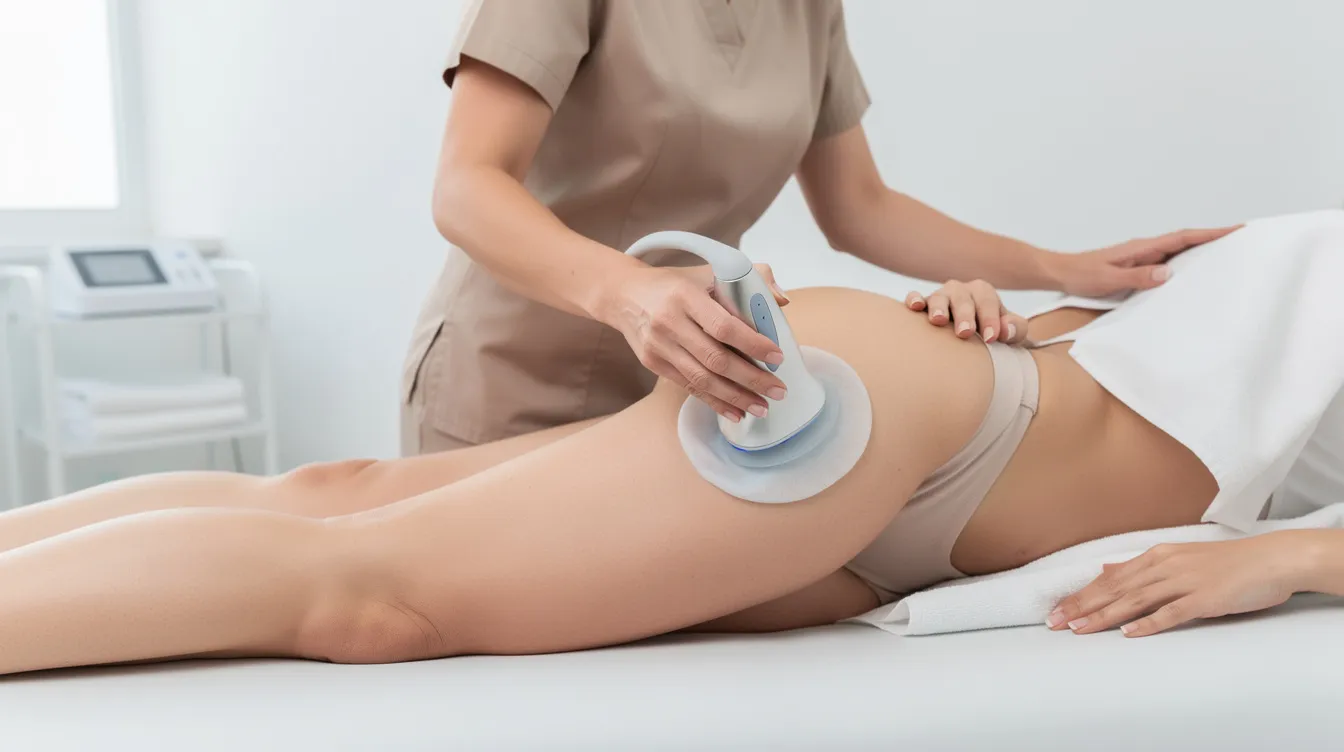
Ultrasound-based devices may target deeper subcutaneous tissue for remodeling and subtle fat reduction. Acoustic Wave Therapy uses sound wave pulses to stimulate blood flow and reduce fluid retention in cellulite treatment. Acoustic wave therapy is a non-invasive method that uses ultrasonic waves to break down fibrous tissue, improving the appearance of cellulite.
Pros: minimal downtime, gradual smoothing, useful for early cellulite.
Cons: usually 4–8+ visits, maintenance sessions, and less dramatic results than subcision or laser.
Injectable, Topical & At-Home Cellulite Treatment Approaches
Many people ask whether injections, creams, or spa treatments can treat cellulite well enough to avoid procedures.
Injectable treatments such as QWO require multiple sessions, typically three treatments spaced three weeks apart, to achieve noticeable results. Injectable treatments like QWO use enzymes to break down collagen bands that cause dimpling, and clinical trials have shown that three treatments spaced three weeks apart can yield effective results. QWO was FDA-approved for buttock cellulite, but production was discontinued after concerns about bruising and discoloration.
Caffeine creams can temporarily dehydrate local fat cells and create a brief tightening effect that masks dimples. Retinol creams applied consistently can thicken the dermis, making cellulite less visually apparent. Still, cellulite creams cannot restructure deep fibrous bands.
Massage, dry brushing, foam rolling, and other at-home mechanical treatments may improve circulation and lymphatic drainage briefly. They can reduce the appearance of cellulite for days, not years.
Healthy Lifestyle Strategies That Support Cellulite Reduction
Lifestyle will not erase cellulite, but it can improve skin quality and treatment longevity. Regular exercise, including strength training, can help reduce the appearance of cellulite by increasing muscle mass and improving blood flow to affected areas.
A healthy diet that includes plenty of fruits, vegetables, and adequate hydration can help prevent the worsening of cellulite, while high-calorie diets with excessive carbohydrates and fats may contribute to its appearance. Aim for lean protein, fiber-rich carbohydrates, healthy fats, water, and fewer salty processed foods.
Incorporating specific exercises that target the buttocks and thighs, such as squats and glute bridges, can be particularly effective in reducing the visibility of cellulite in those areas. Add lunges, deadlifts, cycling, and brisk walking to tone muscles, build muscle mass, and support a healthy weight.
Avoid smoking, manage alcohol intake, and protect skin from excess sun. These habits support collagen and firmer skin over time.
How Long Do Cellulite Treatment Results Last & What Affects Longevity?
Duration depends on the effective cellulite treatment selected, baseline skin quality, and aftercare.
- Topicals and massage: days to weeks.
- Radiofrequency, ultrasound, and acoustic wave therapy: often months with maintenance.
- Laser and subcision-based procedures: often 1–3 years or more in selected patients.
Age, pregnancy, menopause, genetics, sun exposure, weight fluctuations, loose skin, and how much cellulite was present at baseline all matter. Strength training and a healthy diet help preserve smooth skin by supporting the underlying muscle and stable fat levels beneath the skin.
Risks, Side Effects & Safety Considerations of Cellulite Treatments
Even non-surgical treatment options can have side effects. Redness, swelling, soreness, and bruising are common after energy devices and usually resolve quickly.
Subcision and laser may cause bruising, swelling, small incision sites, tenderness, contour irregularities, infection, prolonged numbness, or pigment changes. Patients should report tender lumps beneath treated areas, worsening pain, or unusual discoloration.
Injectables may cause significant bruising, nodules, itching, allergic reactions, and pigment changes. Reputable cosmetic surgeons, plastic surgery teams, or qualified aesthetic medical providers should review your medical history and explain downtime before treatment. Reviews in dermatology and aesthetic surgery journal literature also emphasize realistic expectations and provider skill.
How to Choose the Right Cellulite Treatment For You
The best option depends on your grade of cellulite, budget, downtime tolerance, and goals. Ask whether you want one focused trouble spot improved or broader smoothing across the thighs and buttocks.
A professional assessment should review skin elasticity, excess fat, subcutaneous fat distribution, medical history, and whether dimples are present at rest. Ask:
- How many sessions will I need?
- How long should results last?
- What is the total cost?
- What side effects are realistic for my skin type?
- Can I see before-and-after photos of similar cases?
Avoid claims of “permanent cellulite removal” or one cream that can get rid of cellulite. Combination care may work best: subcision or laser for fibrous bands, radiofrequency for tightening, and lifestyle support for maintenance.
Why Choose Our Clinic for Advanced Cellulite Reduction
Our Clinic provides modern, patient-centered cellulite reduction with clear education, realistic planning, and customized care. We focus on matching the right technology to the right patient instead of recommending the same service for everyone.
Our approach includes experienced aesthetic practitioners, FDA-cleared minimally invasive devices, non-invasive technologies such as laser treatment, radiofrequency, and acoustic wave therapy, plus tailored plans for your schedule and downtime tolerance. We also prioritize sterile technique, medical oversight, transparent pricing estimates, and follow-up visits to track progress.
If you are comparing cellulite treatments, our team can help you understand which options fit your skin, goals, and lifestyle.
Frequently Asked Questions About Cellulite Reduction Treatments
Is it possible to completely get rid of cellulite?
Complete removal is unlikely because cellulite is tied to anatomy, hormones, and connective tissue. However, modern procedures can significantly reduce the appearance and improve confidence. The goal is smoother texture, not perfection.
What is the most effective treatment for cellulite?
Subcision-based methods like Cellfina or Avéli and laser-assisted options like Cellulaze often provide the longest-lasting improvement for well-selected candidates. They directly target the bands that cause dimpling. Non-invasive options are better for mild cases or maintenance.
How soon will I see results after cellulite treatment?
Some non-invasive devices show visible changes within weeks. Collagen-building treatments may continue improving skin for 3–12 months. Bruising and swelling can temporarily hide early progress.
Can exercise and a healthy diet alone remove cellulite?
Exercise and nutrition can reduce cellulite visibility, improve circulation, and build muscle tone. They rarely erase dimpling completely because they do not release deep connective tissue bands. They are still important for maintaining results.
Are cellulite treatments painful?
Non-invasive treatments usually feel warm, pulsing, or mildly uncomfortable. Minimally invasive options use numbing or local anesthesia. Soreness and bruising afterward are common but temporary.
How do I know if I’m a good candidate for cellulite reduction?
Good candidates are in good general health, near a stable weight, and have realistic expectations. A consultation helps determine whether your concern is cellulite, loose skin, excess fat, or another issue. Following pre- and post-care instructions is also important.
Conclusion: Creating a Personalized Plan to Smooth the Appearance of Cellulite
Cellulite is normal, but it is also treatable. The strongest strategies address fat cells, fibrous bands, collagen production, and skin quality together.
No single method works for everyone. Subcision, laser, energy-based care, injectables, home care, and lifestyle changes each have a role depending on your anatomy and goals.
If you are ready to seek treatment, schedule a consultation with Our Clinic. We will review your concerns, discuss current cellulite treatment options, and create a plan designed to help you feel informed, comfortable, and confident in your skin.