Table of Contents
- Introduction: What Is Body Contouring for Arms?
- Surgical vs. Non-Surgical Arm Contouring: How They Compare
- Non-Surgical Body Contouring Options for the Upper Arm at MedSpa MD Group
- Who Is a Good Candidate for Arm Contouring?
- Results, Scars, and Recovery Time: What to Expect
- How to Choose the Right Arm Contouring Procedure
- Why Choose MedSpa MD Group for Non-Surgical Arm Contouring?
- FAQs About Body Contouring for Arms
- Schedule Your Arm Contouring Consultation
Introduction: What Is Body Contouring for Arms?
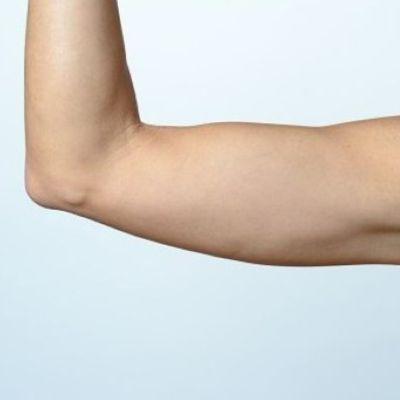
If you’ve ever avoided sleeveless shirts, crossed your arms in photos, or felt self-conscious about the way your upper arms look despite months of exercise and diet, you’re not alone. Sagging skin and stubborn fat along the arms are among the most common aesthetic concerns we hear about at MedSpa MD Group, and they affect people across every age group and body type. Whether the cause is aging, genetics, pregnancy, or significant weight loss, the upper arms can hold onto extra skin and localized fat deposits that simply won’t respond to tricep dips or clean eating.
Body contouring for arms reshapes the upper arms by reducing fat and tightening skin to create a smoother, more proportional silhouette. Traditionally, this meant surgical procedures like brachioplasty, an arm lift that requires incisions, general anesthesia, and weeks of recovery. Today, non-surgical body contouring procedures offer a different path. These treatments use energy-based devices, injectable agents, and advanced techniques to reduce fat, stimulate collagen, and tighten skin without large scars or extended downtime.
At MedSpa MD Group, with locations in Philadelphia, PA and Houston, TX, we specialize in non-surgical arm contouring designed to help clients achieve a toned appearance without the trade-offs of surgery. Body contouring aims to enhance physical comfort and boost self-confidence after treatment, and our approach is built around realistic expectations, transparent pricing, and physician-led protocols. In this guide, you’ll learn about the specific treatment types available, who makes a good candidate, what recovery time looks like, and how to decide which procedure path is right for your arms.
Surgical vs. Non-Surgical Arm Contouring: How They Compare
Before committing to any contouring procedures, it helps to understand the fundamental differences between surgical and non-surgical approaches. Both can deliver meaningful improvement, but they serve different levels of concern and carry different trade-offs in terms of scarring, recovery, and results.
Traditional Arm Lift Surgery (Brachioplasty)
Arm lift surgery is also known as brachioplasty. It is the gold standard for patients with severe skin redundancy, especially after massive weight loss. An arm lift removes excess skin and fat from upper arms through a direct skin excision approach. Upper arm lift surgery involves an incision from elbow to armpit, running along the inner arm. The incision for an arm lift extends from the underarm area, and the procedure is typically performed under general anesthesia, lasting one to three hours depending on the extent of correction needed.
The surgical team removes redundant skin, repositions tissue, and sutures the remaining skin into a tighter contour. Liposuction is sometimes added to suction out localized fat deposits in the upper arms for additional refinement. The result can be dramatic, but arm lift requires an incision that may leave a visible scar along the length of the inner arm.
Body contouring often requires large incisions to remove excess skin, and the arm lift is no exception. It’s worth noting that brachioplasty is just one of several surgical procedures plastic surgeons perform. A complete lower body lift treats multiple areas in one procedure, and body lift surgery typically combines tummy tuck, thigh lift, and liposuction. Other contouring body surgeries like a breast lift or buttock lift address different zones but follow similar principles of skin excision and reshaping.
Non-Surgical Contouring Procedures for Arms
Non-surgical arm contouring takes a fundamentally different approach. Instead of cutting and removing tissue, these treatments use energy (radiofrequency, laser, cold) or injectable agents to reduce fat, trigger skin contraction, and stimulate new collagen production over time. There are no large scars, no general anesthesia, and recovery time is measured in days rather than weeks.
Non-surgical options have minimal downtime compared to surgery, making them appealing for clients who can’t take extended time off work or away from daily responsibilities.
Who Fits Where?
The deciding factor is usually the degree of excess skin and fat:
| Factor | Surgery (Brachioplasty) | Non-Surgical Contouring |
|---|---|---|
| Skin laxity | Severe, hanging “bat wings” | Mild to moderate |
| Fat volume | Moderate to large | Small, localized deposits |
| Scarring | Visible scars along inner arm | Minimal to none |
| Anesthesia | General anesthesia or heavy sedation | Local anesthesia or none |
| Downtime | 2–6 weeks limited activity | 1–3 days light restriction |
| Ideal after | Massive weight loss (100+ lbs) | Moderate weight loss, aging, genetics |
At MedSpa MD Group, we focus on non-surgical body contouring procedures for arms. When a client presents with skin laxity that exceeds what energy-based devices can realistically improve, we’re transparent about it. We collaborate with and refer to board-certified plastic surgeons when a full arm lift or other plastic surgery approach would deliver a safer, better outcome.
Non-Surgical Body Contouring Options for the Upper Arm at MedSpa MD Group
MedSpa MD Group offers several non-surgical body sculpting procedures specifically tailored for the upper arms. The goal is always the same: reduce fat where it’s stubbornly held, tighten skin that’s lost its elasticity, and contour the arm into a shape that looks natural and feels comfortable. Here’s what’s available and how each technology works.
Energy-Based Skin Tightening
Radiofrequency (RF) devices and RF microneedling platforms deliver controlled heat deep into the skin and subdermal layers. This heat damages old collagen fibers just enough to trigger the body’s natural repair process, producing new, tighter collagen and elastin over the following months. Radiofrequency assisted lipolysis uses heat to melt fat and tighten skin with minimal scarring, making it one of the most effective minimally invasive procedure options for arms with both mild fat and loose skin.
Clinical research on RF-assisted lipolysis in the arms has shown approximately 15% reduction in anterior arm surface area at 12 months post-treatment. Monopolar RF has been demonstrated to increase dermal collagen content with improvements sustained up to six months. For clients with mild to moderate sagging skin who still have reasonable skin elasticity, these technologies can produce visible improvement without a single surgical incision.
Non-Surgical Fat Reduction
Non-surgical fat reduction methods freeze or dissolve small fat amounts without surgery. Cryolipolysis (commonly known as CoolSculpting) applies controlled cooling to freeze and destroy fat cells, which the body then naturally processes and eliminates over two to four months. Studies show reductions of 8–25% of fat per treated area, depending on the number of cycles.
Injectable treatments can target small areas of fat on arms with precision. Kybella is FDA-approved for fat reduction in arms. Kybella uses deoxycholic acid to eliminate fat cells permanently. This injectable works well for smaller, specific areas of stubborn fat that don’t warrant a larger device-based treatment.
How These Fit Together
Our experience with treatments like liquid BBL and Endolift has given MedSpa MD Group a deep understanding of fat distribution, volume placement, and sculpting principles. That expertise directly informs how we approach arm contouring plans. We assess where fat sits, how the skin responds to pinching and movement, and whether the concern is primarily excess fat, skin laxity, or a combination of both.
All treatments are performed in-office, require no general anesthesia, and involve shorter recovery time compared with arm lift surgery. Most clients need between one and four sessions depending on the technology used and the degree of correction needed.
How a Typical Non-Surgical Arm Contouring Session Works
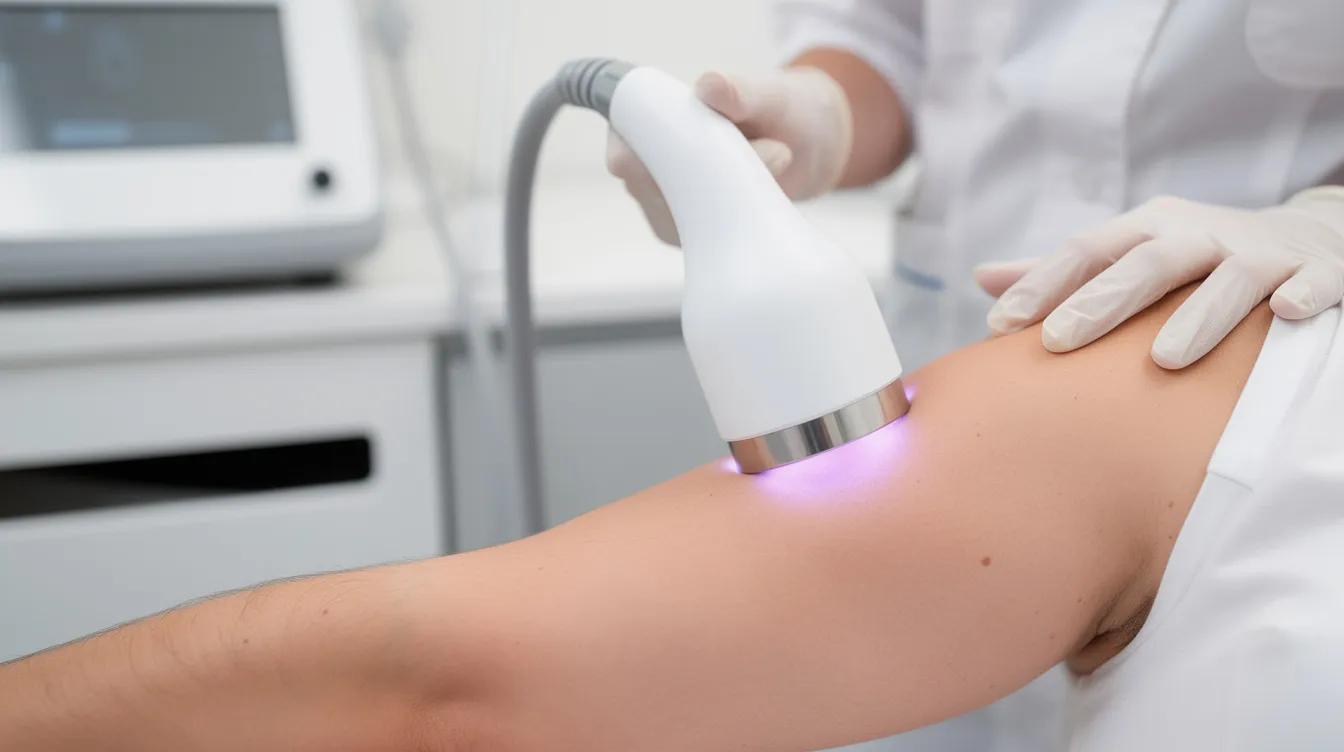
Your session begins with a consultation where we review your medical history, current medications (including weight loss injections like semaglutide), and aesthetic goals. We take photographs, mark specific areas of the upper arms for treatment, and explain exactly what to expect during and after the procedure.
The treatment itself lasts between 30 and 90 minutes depending on the device and the size of the area being treated. For RF-based tightening, you’ll feel warmth and mild pressure. Cryolipolysis involves a cold, pulling sensation that numbs within minutes. Injectable treatments like Kybella may involve brief stinging at the injection sites, which is managed with topical numbing or local anesthesia.
Throughout the session, a physician-led team monitors device settings customized to your arm anatomy and skin type. After treatment, we apply cooling or compression as needed, review aftercare instructions, and send you home. Most clients return to work or daily activities the same day or the following morning. There is no need for heavy sedation, no overnight stay, and no surgical drains.
Who Is a Good Candidate for Arm Contouring?
Getting strong results from non-surgical arm contouring depends heavily on proper candidacy. Not everyone with arm concerns will benefit equally from non-surgical methods and understanding where you fall on the spectrum matters.
Key Candidacy Factors
Candidates for arm contouring are typically individuals with stable weight for at least six months. Beyond that, the best candidates share several characteristics:
- Mild to moderate fat deposits in the upper arms that haven’t responded to exercise and diet
- Mild to moderate skin laxity with some remaining skin elasticity (the skin still “bounces back” somewhat when pinched)
- Non-smoker, or willing to pause smoking for several weeks before and after treatment
- No contraindications to energy devices (such as pacemakers, metal implants, or uncontrolled diabetes)
- Realistic expectations about gradual, incremental improvement rather than overnight transformation
When Surgery Is the Better Path
Patients who have experienced massive weight loss (100+ pounds, especially after bariatric surgery) often present with significant hanging skin and redundant skin folds that no non-surgical device can adequately address. In these cases, a surgical arm lift with a plastic surgeon remains the appropriate choice. Similarly, clients who would benefit more from a tummy tuck, thigh lift, or breast lift for other areas should work with surgeons who specialize in those body sculpting procedures.
Growing Demand: Post-GLP-1 and Post-Pregnancy Clients
We’re seeing a notable increase in patients who have lost weight on semaglutide or similar GLP-1 medications and now have loose, extra skin on their arms. These clients are often in their 40s to 60s, have reached or are near their ideal weight, and want to address the skin laxity that rapid weight loss can leave behind. Post-pregnancy clients face similar concerns, often compounded by aging-related collagen loss. Both groups tend to be strong candidates for non-surgical contouring when the laxity is mild to moderate.
Any client with uncontrolled diabetes, active clotting disorders, autoimmune conditions, or active infection in the treatment area needs medical clearance before proceeding. A thorough consultation is essential, and it’s a step we never skip.
Signs It May Be Time to Consider Arm Contouring
Here are practical indicators that arm contouring might be worth exploring:
- You avoid sleeveless clothing even in summer heat
- You notice a “bat wing” appearance when you raise your arms, despite consistent exercise
- You’ve plateaued at the gym and your triceps and shoulders are toned, but the overlying skin and fat won’t cooperate
- You experience chafing or skin irritation from excess skin rubbing against your torso
- You feel self-conscious in photos or avoid certain arm positions
A simple at-home test: pinch the skin on the back of your upper arm. If you’re mostly grabbing skin with little fat, skin tightening may be the priority. When there’s a significant amount of fat beneath, fat reduction is likely the first step. If both are present, a combination approach works best.
Earlier intervention with non-surgical treatments can sometimes delay or reduce the need for arm lift surgery later, especially when collagen stimulation is started before skin laxity becomes severe.
Results, Scars, and Recovery Time: What to Expect
One of the biggest reasons clients choose non-surgical body contouring for arms is the difference in visible scars and recovery time compared to surgical options. Here’s what the timeline actually looks like for each.
Recovery After Non-Surgical Arm Contouring
Recovery from non-surgical treatments is measured in days, not weeks. Here’s a general timeline:
- Days 1–2: Mild swelling, warmth, and tenderness in the treated area. You can return to desk work and light daily activities. Compression sleeves may be recommended.
- Days 3–7: Swelling may peak around day 3 and then start to decrease. Bruising is common with injectable treatments and some RF devices. Avoid heavy lifting and strenuous upper-body exercise.
- Weeks 2–4: Swelling continues to resolve. You’ll begin noticing early changes in contour and skin texture. Resume normal exercise gradually.
- Months 2–6: Progressive improvement as fat cells clear from the body, and new collagen remodels the treated tissue. Skin contraction becomes increasingly visible.
The key advantage: no large scars, no incisions that need to heal, and no extended restrictions on movement. Any entry points from minimally invasive devices are tiny and typically fade within weeks.
Contrast with Surgical Arm Lift Recovery
Initial healing after an arm lift takes 10 to 14 days, during which patients wear compression garments, manage drains in some cases, and limit arm movement. Recovery from arm contouring surgery includes risks of infection and scarring that require close follow-up. Heavy lifting and overhead activities are typically restricted for four to six weeks. Scars from an arm lift can fade in 6 to 24 months, but they remain visible along the inner arm permanently, even as they lighten.
Initial healing after arm lift surgery occurs in 10 to 14 days, but the full recovery arc, including scar maturation and final contour visibility, extends several months to a year.
What Results Look Like
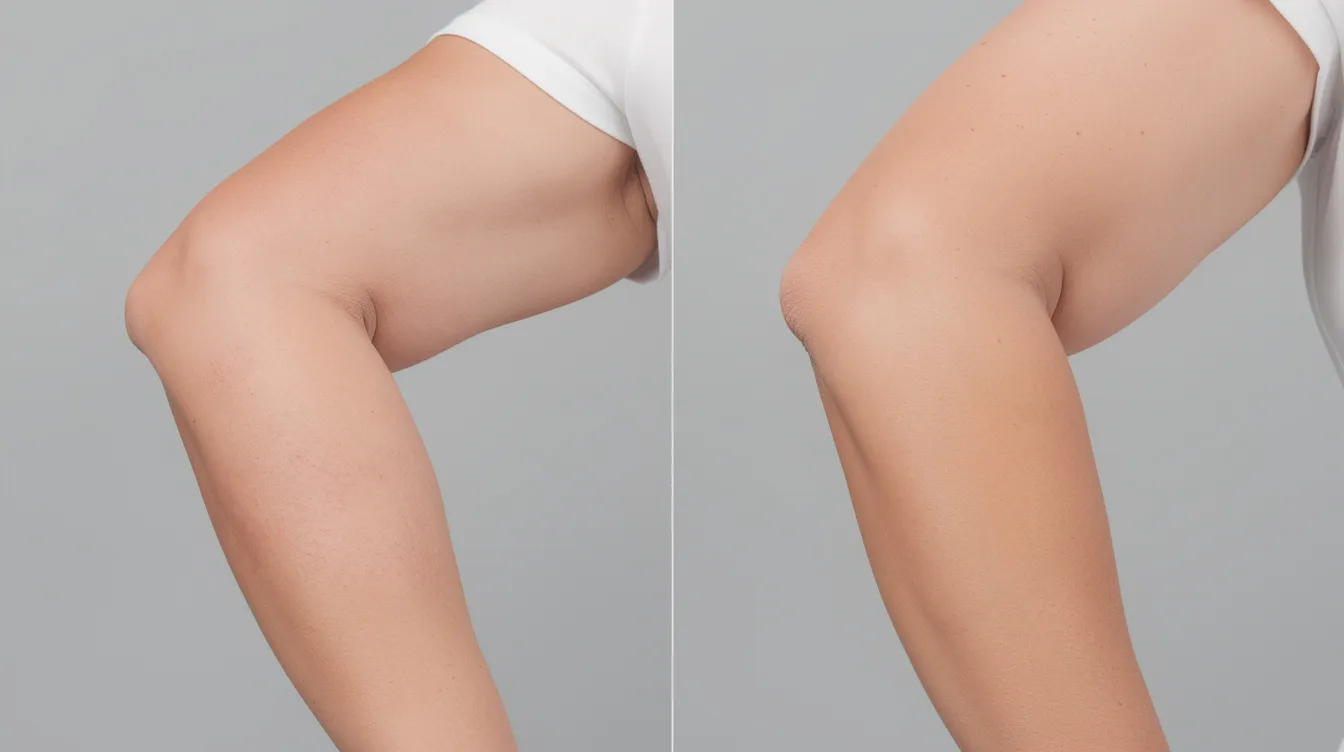
Non-surgical fat reduction typically shows measurable results within 8 to 12 weeks as destroyed fat cells are cleared by the body. Skin tightening from RF-based treatments continues improving for up to six months as collagen remodels. Some clients see subtle improvement immediately from reduce swelling effects and tissue response.
Results are real but incremental. You won’t wake up the next morning with dramatically different arms. You will, however, notice progressive changes that compound over several weeks and months.
Longevity of Results and Maintenance
Fat reduction results are long-lasting because destroyed fat cells do not regenerate. However, remaining fat cells can still expand with weight gain, so maintaining a stable weight is critical to preserving your contouring body outcomes.
Skin tightening effects from RF and energy-based treatments generally last one to three years, depending on your age, skin quality, and lifestyle. Many clients choose annual maintenance sessions to sustain their results as aging continues its natural course.
Practical maintenance tips that make a real difference:
- Strength training focused on triceps and shoulders helps maintain a toned appearance from the inside out
- Staying hydrated and using sun protection on exposed arms preserves skin elasticity and collagen
- Avoid major weight fluctuations, which can undo both fat reduction and tightening results
- Consider complementary services like semaglutide weight management, cellulite treatment, or sauna wrap to support long-term body shaping goals
How to Choose the Right Arm Contouring Procedure
Choosing between surgical and non-surgical arm contouring isn’t a one-size-fits-all decision. It depends on several personal factors that only become clear during a proper assessment.
Key Decision Factors
| Decision Factor | Leans Toward Surgery | Leans Toward Non-Surgical |
|---|---|---|
| Excess skin | Severe, hanging folds | Mild to moderate laxity |
| Fat thickness | Thick, distributed | Thin, localized |
| Downtime tolerance | Can take 4–6 weeks off | Needs to return to work in days |
| Scar acceptance | Willing to accept visible scars | Prefers no visible scars |
| Budget | Higher upfront, single procedure | Lower per session, multiple visits |
| Speed of results | Wants dramatic change quickly | Comfortable with gradual improvement |
Putting It in Context
Consider two different clients. A 35-year-old who lost 30 pounds through exercise and semaglutide injections, has mild bat wings, and good skin recoil is an excellent candidate for non-surgical fat reduction combined with RF tightening over two to four sessions. In contrast, a 55-year-old who lost 120 pounds after bariatric surgery and has significant hanging skin folds would benefit more from brachioplasty with a plastic surgeon, possibly combined with non-surgical skin tightening afterward for refinement.
An in-person consultation with photographic assessment is the only reliable way to determine which path fits your body, your goals, and your life. At MedSpa MD Group, we can also build treatment plans that address arms alongside other areas like the abdomen, thighs, and buttocks for a more harmonious overall shape. For clients who need plastic surgery for an arm lift, we can coordinate care while still offering non-surgical treatments for the face, breast shape refinement, or other areas where surgery isn’t necessary.
Common Mistakes to Avoid
These are the pitfalls we see most often:
- Choosing based on price alone. The cheapest option isn’t always the right one. Ultrasonic cavitation at $80 per session may sound appealing, but if you need 12 sessions and results are minimal, you’ve spent more and achieved less than a targeted RF treatment series.
- Expecting surgical-level skin removal from non-surgical treatments. Energy devices can tighten skin and reduce fat, but they cannot eliminate excess skin the way skin excision can. If you have significant hanging skin, non-surgical methods won’t replicate what surgeons can do with incisions.
- Ignoring aftercare. Skipping compression, resuming heavy lifting too early, or neglecting sun protection can compromise your results and slow healing.
- Starting treatment before your weight stabilizes. If you’re actively losing weight on a GLP-1 medication or through other means, wait until your weight has been stable for at least six months before investing in contouring.
- Chasing unrealistic expectations. Ask to see before-and-after photos from actual patients. Ask about realistic improvement percentages. A provider who promises perfection is a provider to avoid.
- Not asking about risks. Every procedure carries risks, including pain, swelling, bruising, and in rare cases, burns or nerve irritation from energy devices. Major complications are uncommon with experienced providers, but an honest discussion about risks is crucial before committing.
Why Choose MedSpa MD Group for Non-Surgical Arm Contouring?
MedSpa MD Group is a physician-led medspa with locations in Philadelphia and Houston built specifically around non-surgical aesthetic treatments that deliver natural-looking results. Arm contouring is one of many body contouring procedures we offer, and our approach is grounded in clinical evidence, advanced techniques, and honest communication.
What sets us apart:
- Advanced energy-based technologies calibrated for different skin types, including Fitzpatrick III–VI, with settings adjusted for safety and efficacy on darker skin tones
- Experience with diverse body types and concerns, from post-GLP-1 skin laxity to age-related changes in patients across their 40s, 50s, and 60s
- Transparent pricing with itemized costs, session counts, and realistic investment timelines so there are no surprises
- Efficient scheduling for busy professionals and fly-in clients, including bundled treatment plans that address arms, abdomen, thighs, and face in coordinated sessions
- Integration with complementary services like Endolift, non-surgical facelift, Botox, facial fillers, microneedling with PRP, and laser hair removal for clients seeking full-body rejuvenation
- Candid guidance when surgical procedures like an arm lift, tummy tuck, thigh lift, or breast lift would serve a client better than what non-surgical technology can achieve
We’d rather refer you to the right provider than overpromise on what our treatments can do. That honesty is the foundation of every consultation.
FAQs About Body Contouring for Arms
How much does non-surgical arm contouring cost in Philadelphia and Houston?
Pricing depends on the technology used and the number of sessions required. In Houston, cryolipolysis ranges from approximately $850 to $2,450 per cycle, RF-assisted treatments like BodyTite range from $3,300 to $5,500 per area, and injectable fat dissolvers like Kybella run approximately $650 to $1,300 per session for one to two vials. Philadelphia pricing is comparable, with some variation based on provider and device. At MedSpa MD Group, we provide itemized pricing during your consultation, so you know exactly what to expect.
Will I need an arm lift if I’ve lost over 100 pounds?
In most cases, yes. Massive weight loss typically leaves a significant amount of redundant skin that non-surgical devices cannot adequately remove. Non-surgical treatments can improve skin texture and mild laxity, but they cannot replicate what surgeons achieve through skin excision. If you’ve experienced this level of weight loss, we’ll discuss your options honestly during your consultation and can refer you to trusted plastic surgeons if needed.
How long is the recovery time after non-surgical arm contouring?
Most clients return to normal daily activities the same day or the next morning. Expect mild swelling and tenderness for the first two to three days, with swelling peaking around day three before gradually subsiding. Bruising from injectable treatments may last five to seven days. Avoid heavy lifting and intense upper-body exercise for about one week. Full visible results develop over two to six months.
Are the results of arm contouring permanent?
Fat reduction results are permanent in the sense that destroyed fat cells do not return. However, remaining fat cells can expand with weight gain, so maintaining your weight through consistent diet and exercise is essential. Skin tightening effects from energy-based treatments typically last one to three years before some clients opt for maintenance sessions.
Can I combine arm contouring with other treatments like tummy or thigh contouring?
Absolutely. Many of our clients treat multiple areas in a coordinated plan. Combining arm contouring with abdomen or thigh treatments helps achieve a more balanced overall contour and shape. We can often address multiple areas during the same visit, which is especially convenient for fly-in clients or those with tight schedules.
Is non-surgical arm contouring safe for darker skin tones?
Yes, when performed by experienced providers using properly calibrated devices. RF-based technologies and cryolipolysis tend to be safer across all Fitzpatrick skin types compared to laser-based treatments, which carry higher risk of hyperpigmentation. At MedSpa MD Group, we adjust device settings based on your individual skin tone, and we discuss any specific risks during your consultation.
How is non-surgical arm contouring different from just doing more arm exercises?
Exercise builds muscle and can reduce overall body fat, but it cannot target fat loss in specific areas (spot reduction is a myth) and it cannot tighten loose skin caused by aging, genetics, or weight loss. Non-surgical contouring directly addresses localized fat deposits and skin laxity that exercise alone cannot change, making the two complementary rather than interchangeable.
Schedule Your Arm Contouring Consultation
If you’ve been thinking about addressing stubborn arm fat or loose skin, the next step isn’t a commitment. It’s a conversation. At MedSpa MD Group in Philadelphia or Houston, every arm contouring plan starts with an honest, no-pressure consultation where we assess your concerns, explain your options, and give you a clear picture of what non-surgical treatments can realistically achieve for your arms.
You can call either location directly, fill out our online consultation form, or request a virtual consult if you’re traveling from outside the area. Whether your arms need targeted fat reduction, skin tightening, or a combination approach, we’ll build a plan around your body, your goals, and your schedule. Book your consultation today and take the first step toward arms you feel confident about.