
Table of Contents
- The Frustration Is Valid
- What Endolift Is and Why It Commands a Premium Price Point
- Endolift Cost Near Me: Understanding the $1,800–$5,000 Range by Treatment Zone
- The Real Factors That Drive Price Differences Between Clinics
- The True Cost of Your Protocol: Sessions, Hidden Expenses, and What to Budget
- Endolift vs. Surgical Facelift: An Honest ROI Comparison
- Financing, Accessibility, and Making Endolift Work Within Your Budget
- What to Ask at Your Consultation to Get a Quote You Can Rely On
- What You Now Know — and Your Next Step Toward a Transparent Quote
- Frequently Asked Questions
The Frustration Is Valid
You search “endolift cost near me” and find a range somewhere between $1,800 and $5,000. No context. No explanation of what moves that number. And no breakdown of what you are actually paying for. That gap is not an accident. It is the default state of aesthetic pricing, where clinics routinely list ranges wide enough to be technically accurate and functionally useless.
The problem is not that providers are hiding something. Pricing in medical aesthetics is genuinely variable, and most clinics simply do not take the time to explain why. The range becomes a placeholder rather than a tool for evaluation, and you are left doing price math without the variables.
Price Variation Is Meaningful, Not Suspicious
The $1,800 to $5,000 range you keep encountering is not a market inconsistency. It reflects real differences: the generation of laser technology a clinic operates, the credential level and training depth of the provider performing your treatment, the anatomical complexity of the area being addressed, and the scope of what a single session actually covers. A single-zone neck treatment at a mid-tier clinic and a full-face protocol performed by a board-certified physician on an advanced laser platform are not the same investment. Pricing them identically would be the strange outcome.
Understanding those distinctions is what separates a confident investment from an expensive disappointment.
How to Use This Guide
This guide walks through Endolift pricing in the order that matters for decision-making: what the treatment is and why it commands a premium, what each treatment zone typically costs, what that number includes and what it does not, and how the Philadelphia regional market compares to national benchmarks. By the end, you will know precisely what questions to ask at a consultation and what the answers should tell you about a provider.

What Endolift Is and Why It Commands a Premium Price Point
The Clinical Mechanism That Separates Endolift from Surface-Level Skin Tightening
How the Laser Wavelength Targets Fat and Triggers Collagen Remodeling
Endolift uses a 1470nm laser delivered through a micro-optic fiber inserted just beneath the skin. That wavelength is specifically absorbed by adipose tissue and water-rich subdermal structures, which means the energy works at the level of subcutaneous fat and the fibrous architecture supporting your skin — not at the surface. The thermal effect accomplishes two things simultaneously: it disrupts localized fat deposits and stimulates fibroblast activity, triggering a collagen remodeling response that continues for months after the procedure. The lift visible at three months is largely the result of new structural collagen, not just immediate tissue contraction.
Why Subdermal Precision Requires a Different Class of Provider
Delivering energy beneath the dermis with a fiberoptic cannula requires precise depth control and real-time awareness of tissue response. Done correctly, it produces even results with minimal trauma. Done imprecisely, it risks uneven contraction or thermal injury. That technical demand is a core reason Endolift should be performed by a physician or a highly trained, supervised clinical provider, and it is one of the real cost drivers that distinguishes a reputable clinic from a bargain alternative.
Treatment Areas and What Each Zone Addresses
Face and Forehead
Forehead and mid-face treatment targets brow ptosis and early volumetric deflation in the cheek zone. The goal is not dramatic structural change. It is restoring the subtle architectural support that defines a rested, defined appearance.
Neck and Jawline
The neck and jawline respond particularly well to Endolift because the tissue in this area has relatively high water content and thinner fat compartments, making the 1470nm wavelength highly effective. This is one of the most requested treatment zones, as jawline blurring tends to be among the earliest visible signs of aging in patients in their late 30s and 40s.
Chin and Jowls
Jowl development is the cosmetic concern that most reliably drives patients toward Endolift. The treatment addresses both the localized fat pad contributing to jowl fullness and the laxity of the overlying skin, two factors that surgery would address under general anesthesia with weeks of recovery. Endolift addresses both in a single outpatient session.
Body Contouring Applications
Endolift can be applied to body areas including the inner arms, abdomen, and inner thighs, where localized laxity and small fat deposits are the primary concern. Body treatments tend to fall at the higher end of the price range due to larger surface area coverage and extended treatment time.
The Minimal Downtime Advantage: Validating the Claim
“Minimal downtime” is one of the most overused phrases in aesthetic marketing. For Endolift, the clinical reality supports it. Most patients experience mild swelling and redness for 24 to 72 hours, with bruising possible but not typical. The micro-cannula entry points are small enough that most patients return to professional and social commitments within 48 hours. That is not zero downtime — you should expect to look slightly puffy for a day or two — but it is genuinely distinct from the two to three weeks of social recovery that surgical alternatives require.
Endolift vs. Competing Non-Surgical Technologies: A Cost, Downtime, and Longevity Comparison
The table below provides a framework for evaluating Endolift against other non-surgical skin tightening technologies. This is not a ranking. It is an evaluation structure to help you identify which approach fits your goals, timeline, and budget.
| Evaluation Factor | Endolift | Radiofrequency Microneedling | Monopolar Radiofrequency |
|---|---|---|---|
| Average cost per session | $1,800–$3,500 | $1,200–$2,500 | $2,000–$4,000 |
| Typical sessions required | 1–2 | 3–4 | 1–3 |
| Total protocol investment | $1,800–$7,000 | $3,600–$10,000 | $2,000–$12,000 |
| Downtime window | 24–72 hours | 3–5 days | Minimal to none |
| Results longevity | 2–3 years | 12–18 months | 12–24 months |
| Energy delivery depth | Subdermal (direct) | Dermal (needle depth-controlled) | Dermal to subdermal (indirect) |
| Ideal candidate | Mild to moderate laxity with localized fat, single-session efficiency preferred | Early laxity, textural concerns, staged protocol acceptable | Surface tightening, minimal fat component, no downtime preferred |
Endolift’s per-session cost may appear high, but the lower session count and longer results longevity mean the total protocol investment often compares favorably when amortized over time. Radiofrequency microneedling platforms typically require three to four sessions to achieve comparable tissue remodeling, and results tend to diminish faster, making a maintenance session within 12 to 18 months common. Monopolar radiofrequency is effective for surface tightening but lacks the subdermal fat-reduction component that makes Endolift appropriate for patients presenting with both laxity and early volumetric changes.
The right technology is the one matched to your specific anatomy, laxity stage, and recovery tolerance. If fat reduction and structural lift are both present as concerns, Endolift addresses both in a way that most competing technologies cannot.

Endolift Cost Near Me: Understanding the $1,800–$5,000 Range by Treatment Zone
A Transparent Pricing Breakdown by Anatomical Area
Single-Area Treatment
A single-zone Endolift treatment, typically the neck, jawline, or lower face, generally ranges from $1,800 to $2,500 at reputable clinics. This is an appropriate entry point for patients with a clearly defined primary concern and well-preserved skin quality in surrounding areas. At this investment level, you are funding the technology, the provider’s time, and the clinical infrastructure of the procedure, not a discounted version of a larger protocol.
Multi-Area and Full-Face Protocols
Combining two or more treatment zones in a single session is where most patients land. A full-face protocol covering the forehead, mid-face, lower face, and neck typically ranges from $3,000 to $5,000. That increase reflects added treatment time, larger total tissue volume addressed, and the clinical complexity of managing multiple anatomical zones in a single session. It is not a simple multiplication of single-area fees.
Combination pricing often represents better value per zone than booking areas separately across multiple sessions, because setup, facility time, and clinical preparation are shared costs.
Philadelphia and Regional Market Rates
Philadelphia-area pricing for Endolift typically starts around $3,500 for a comprehensive treatment. That reflects the regional cost structure: higher facility overhead, compensation expectations for physician-level providers, and the operational costs of maintaining medical-grade laser equipment in a metropolitan market. National ranges that start at $1,800 often reflect smaller markets, lower facility costs, or clinics operating with different provider credential structures.
When comparing quotes across clinics in the Philadelphia area, price differences within a $500 to $800 band are typically explained by treatment scope. Differences larger than that warrant direct questions about what is included.
Is Endolift Covered by Insurance?
No. Endolift is a cosmetic procedure and is not covered by any standard health insurance plan. There are no diagnostic codes or medical necessity criteria under which it would qualify for coverage. Budget for it as a cash-pay investment and evaluate financing options accordingly.
What Is Actually Included in the Endolift Cost at a Reputable Provider?
A quote from a credible clinic should include the procedure itself, topical anesthetic application and preparation time, the consumable micro-optic fiber (which is single-use per patient), and a follow-up appointment to assess healing and results at four to six weeks. Some clinics include a pre-treatment consultation in the quoted fee. Others bill it separately.
What should not appear as surprise line items after the initial quote: facility fees, compression garment requirements, or mandatory post-procedure product purchases. If those surface after you receive your initial number, ask about them directly before committing.
The Real Factors That Drive Price Differences Between Clinics
Laser Technology Generation and Equipment Quality
The laser platform running your treatment is not a commodity. Endolift requires a specific 1470nm diode or Nd:YAG system engineered for subdermal fiberoptic delivery, and the clinical performance of those systems varies by generation, manufacturer, and maintenance history. Clinics operating newer equipment benefit from more precise energy modulation, better ergonomics, and more consistent wavelength output, all of which affect results, not just operational cost. The consumable fiberoptic cannula is single-use per patient and priced accordingly. A clinic absorbing those overhead costs accurately will charge more than one that is not replacing disposables at the correct interval.
Provider Credentials and Clinical Supervision Standards
Endolift is not a facial. It is a subdermal laser procedure. The skill differential between a board-certified physician with platform-specific training and a technician who completed a weekend certification is clinically significant. Provider compensation reflects that differential directly. At reputable medical spas, treatments are performed or supervised by a physician, which carries both a higher cost structure and a meaningfully lower risk profile. When a quote comes in notably below market, the first variable to examine is who is actually delivering the treatment and under what supervisory structure.
Facility Overhead: Medical-Grade Infrastructure vs. Boutique Aesthetics
A procedure involving subdermal cannula placement requires sterile technique, emergency protocols, and equipment that a retail aesthetics environment often does not maintain. The cost of operating at that standard — including proper clinical-grade sterilization, licensed nursing staff, and appropriate medical infrastructure — runs significantly higher than a boutique spa without those requirements. That overhead is reflected in pricing, and it is not padding. You are paying for the infrastructure that makes a safe outcome the standard, not the exception.
How Treatment Scope Affects the Final Quote
Two patients booking an “Endolift facial” can receive meaningfully different treatments. One may require light treatment across two zones with minimal fat disruption. The other may need detailed work across four anatomical zones with a longer fiber pass to address more pronounced laxity. Treatment time, energy delivery totals, and cannula entry points all vary. Providers who quote a flat rate without a physical assessment are either offering a standardized protocol regardless of individual need or presenting a starting number they expect to revise upward. A trustworthy quote follows a consultation, not precedes it.

The True Cost of Your Protocol: Sessions, Hidden Expenses, and What to Budget
How Many Endolift Sessions Do You Actually Need?
Most patients with mild to moderate laxity see meaningful results from a single well-executed session. The procedure’s subdermal mechanism produces immediate tissue contraction followed by a progressive collagen response over 90 to 120 days, meaning results continue improving after you have left the clinic. A second session at six to twelve months is appropriate for patients with more advanced laxity or those targeting additional zones not covered in the initial treatment. Two sessions is a reasonable planning assumption for most candidates. Three is uncommon and typically reflects a more complex starting point or a patient seeking incremental refinement.
Calculating Your Realistic Total Investment
For a Philadelphia-area patient targeting the jawline, lower face, and neck across one to two sessions, a realistic total investment falls between $4,500 and $7,000. A single comprehensive session at $3,500 to $5,000, followed by a maintenance touch-up at twelve months at a reduced rate, is the most common financial footprint. Budget at the upper end of your target zone’s range to avoid surprise, then confirm scope at consultation.
The Hidden Costs Most Providers Do Not Mention Upfront
Follow-Up Appointment Fees and Maintenance Scheduling
Most reputable clinics include a four-to-six-week follow-up in the procedure cost. Some do not. Before you book, confirm whether follow-up is included and whether the clinic charges separately for in-person progress assessments at three months, when collagen remodeling is near its peak. Those visits are clinically valuable, not optional add-ons, so clarify whether they are in the quote.
Complementary Treatments That Maximize Results
Endolift lifts and tightens, but it does not restore volume. Patients who also have mid-face hollowing or lip deflation often pursue filler at the same session or shortly after, because structural lift can make volumetric deficit more visible. A modest neuromodulator protocol targeting the platysmal bands can also extend neck results. Budget for those as separate line items. Combined-treatment sessions may carry a coordination fee, and filler costs $600 to $1,200 per syringe depending on product and zone.
Touch-Up Pricing After Year One
Year-one maintenance is typically a single-zone refresher rather than a full-protocol repeat. Most clinics price touch-up sessions at 30 to 50 percent below the original treatment cost, but confirm this at your initial consultation. Clinics that do not discuss long-term maintenance pricing before you commit are leaving a meaningful cost variable unaddressed.
Endolift vs. Surgical Facelift: An Honest ROI Comparison
Is Endolift Cheaper Than a Traditional Facelift?
Yes, significantly, on the sticker price. A traditional surgical facelift in a major metropolitan market runs $12,000 to $25,000 when you include the surgeon’s fee, anesthesia, and operating facility costs. A comprehensive Endolift protocol is a fraction of that. But sticker price is only one variable in an honest comparison.
The True Cost of Surgery: What the Headline Number Leaves Out
Surgical facelifts carry costs that rarely appear in the headline figure:
- Anesthesiology fees: $1,500 to $3,000
- Accredited surgical facility fee: $2,000 to $4,000
- Post-operative prescriptions and compression garments: $300 to $600
- Ten to fourteen days off work minimum for a professional in a visible role
- Three to four weeks before swelling resolves enough for normal client-facing activity
For the professional who manages client relationships or bills by the hour, two weeks of reduced capacity has a real dollar value. That productivity cost belongs in the comparison.
Amortizing Results Over Time: How Endolift’s Longevity Changes the Math
Endolift results typically hold for two to three years before a meaningful refresh becomes appropriate. A full-protocol investment of $6,000 amortized over 30 months is $200 per month. A surgical facelift investment of $18,000 amortized over a claimed seven to ten years of results is $150 to $215 per month. At that scale, the financial gap between surgery and a well-executed non-surgical facelift narrows considerably, before you account for the surgical risk premium, recovery cost, and the reality that surgical results also benefit from ongoing maintenance.
How Long Do Endolift Results Last?
The two-to-three-year longevity window reflects the duration of the collagen architecture Endolift builds. Lifestyle factors such as sun exposure, significant weight fluctuation, and smoking can shorten that window. Patients who invest in complementary skin health protocols, including medical-grade retinoids, consistent SPF use, and periodic neuromodulator treatment, consistently report results at the longer end of that range. The treatment is not permanent, but neither is surgery, and the maintenance cost structure for Endolift is far lower than revision surgery.
An Illustrative Protocol Cost Model
A realistic two-session Endolift protocol for a patient targeting the jawline, lower face, and neck might look like this:
- Session 1, full-face and neck protocol: $4,500
- Year-one follow-up visit (included): $0
- Session 2 at ten months, single-zone refinement: $1,800
- Year-two maintenance touch-up: $1,500
Total 24-month investment: $7,800. Over the same period, a patient who chose surgery at $18,000 plus $3,000 in associated costs has invested $21,000, without the option to phase payments or adjust scope based on results. The numbers make the case without embellishment.

Financing, Accessibility, and Making Endolift Work Within Your Budget
Financing Options for Endolift
Most established medical spas offer third-party financing for elective procedures. Endolift’s cash-pay structure makes it eligible for the full range of medical financing products, and many patients use financing to bridge the gap between their timeline and their budget without delaying treatment.
CareCredit and Medical Financing Plans
CareCredit is the most common financing product in the aesthetic medicine space. It functions as a dedicated healthcare credit line with promotional periods, typically six, twelve, or 24 months of deferred interest, allowing you to pay over time without interest charges if the balance clears within the promotional window. On a $4,500 treatment financed over twelve months, that is $375 per month with no interest accrual. Alphaeon Credit offers a comparable structure with slightly different underwriting criteria, which can be useful for patients who do not qualify for CareCredit.
Apply before your consultation if you plan to use financing. Approval is faster than most patients expect, and having a confirmed credit line lets you make a treatment decision at your appointment rather than scheduling a return visit.
New Client Promotions and Seasonal Opportunities
Clinics periodically offer introductory rates for first-time patients or package pricing during lower-demand seasons. These are legitimate opportunities, provided the promotion applies to the actual procedure and does not come with hidden scope reductions. Ask specifically what the promotional price covers and confirm it matches the full standard-of-care protocol. A promotion on a single zone is a different offer from a promotion on a comprehensive session.
How to Evaluate a Quote Without Sacrificing Quality for Price
Price comparison across clinics only works when the quotes are actually comparable. Before evaluating numbers, standardize your comparison across four variables:
- Provider credential: who performs the treatment and under what supervision
- Equipment: what specific laser platform is used and whether consumables are properly replaced
- Scope: how many zones are included, estimated treatment time, and energy delivery parameters
- Inclusions: whether consultation, follow-up, and compression are factored in
A quote $800 lower than another is not savings if it reflects a shorter treatment time, a less experienced provider, or a platform the clinic does not maintain properly. The honest evaluation question is not which clinic is cheaper. It is which clinic delivers the most value at a comparable scope.
What to Ask at Your Consultation to Get a Quote You Can Rely On
Seven Questions That Separate a Transparent Provider from a Vague One
A consultation is not a meet-and-greet. It is the moment where a provider earns your trust through specificity or confirms they are operating on vague ranges and optimistic generalizations. These seven questions cut through the noise:
- Who performs the treatment — a physician, nurse practitioner, or technician — and what is their specific training on this platform?
- What laser system do you use, and when was it last serviced?
- How many anatomical zones does this quote cover, and what is the estimated treatment time?
- Are the fiberoptic cannulas replaced between every patient?
- Is the follow-up visit included, and at what interval do you schedule it?
- What does the quote not include — compression, post-care products, touch-up scheduling?
- What results are realistic for my specific anatomy and laxity stage, based on what you can see today?
A provider who answers all seven without hesitation or redirection is giving you the foundation for a reliable quote. A provider who deflects on equipment specifics or credential details is telling you something equally useful.
Understanding Before-and-After Galleries by Investment Tier
Before-and-after photos are the most practical data point a clinic can offer, but only if you know how to read them in context of cost.
What Single-Area Results Typically Look Like
Single-zone treatments, typically the neck or lower jawline, produce results that are focused and documentable but not comprehensive. In a credible gallery, you should see improved definition along the mandibular border, reduced submental fullness, and smoother skin texture in the treated zone at the three-to-six-month mark. The improvement is real, but it reads as refinement rather than transformation. If a clinic’s single-area photos look dramatically different from patient to patient with no explanation of starting laxity grade or treatment parameters, the gallery is curated to impress rather than to inform.
What a Full-Face Protocol Investment Yields Visually
Full-face and multi-zone results are where the visual return on investment becomes easier to see. Expect photos showing lifted brow position, improved mid-face contour, a more defined jawline, and reduced jowl fullness, often alongside smoother neck texture. The best galleries pair photos at multiple time points: immediately post-treatment showing the expected mild swelling, at six weeks, and at three to six months when collagen remodeling is near its peak. If a clinic shows only immediate post-treatment photos, that is a gap worth noting. The real result is the 90-day photo, not the exit photo.
Setting Realistic Expectations: What Endolift Can and Cannot Do
Endolift delivers structural improvement to skin laxity and localized subdermal fat without surgery. What it cannot do is restore volume, correct deep structural descent that requires surgical repositioning, or address skin quality issues that exist independently of laxity. A patient with pronounced mid-face hollowing will likely need filler alongside Endolift to achieve a rested, balanced result. A patient with significant gravitational ptosis beyond what is considered moderate may find that surgery provides a more durable correction.
The patients who are most satisfied with their Endolift investment share a specific profile: early-to-moderate laxity, some localized fat contributing to the concern, and a clear preference for outpatient recovery over surgical downtime. If you are looking at your reflection and thinking you are not ready for surgery but need something more than skincare, you are likely in that window.
Is Endolift the Right Investment for You Right Now?
You are a strong candidate if your skin laxity falls in the mild-to-moderate range — visible jawline softening, early jowl development, or neck laxity without significant gravitational descent. You should be able to take 48 to 72 hours for initial recovery and have the flexibility for a follow-up at four to six weeks. On the investment side, budget $3,500 to $5,000 for a single comprehensive session or $6,000 to $8,000 for a two-session protocol, with maintenance at year two. If you are seeing early signs of aging and want to address them before they progress to surgical territory, Endolift is well-matched to your timeline and goals.
What You Now Know — and Your Next Step Toward a Transparent Quote
The Key Distinctions That Make Price Variation Make Sense
The $1,800 to $5,000 range you were searching to understand is not arbitrary. It maps to real variables: the laser platform and whether it is properly maintained, the credential level of the provider performing subdermal cannula work, the number of anatomical zones included in the session, and the regional cost structure of the market you are shopping in. A single-zone treatment at a clinic with a mid-tier platform is not the same procedure as a full-face protocol delivered by a physician on a current-generation system. Pricing them the same would be more suspicious than the gap you have been trying to decode.
Why the Right Provider Is Worth the Research
Endolift’s results are directly tied to the precision of delivery. The collagen response, the evenness of fat disruption, the absence of thermal complications — those outcomes do not happen automatically. They reflect the provider’s training, the equipment’s calibration, and the clinical environment supporting the procedure. A quote $800 lower than the market rate is worth interrogating before it is worth accepting. The research you have done to get here is exactly the right preparation for a consultation where you ask specific questions and evaluate the answers honestly.
Book Your Personalized Consultation at MEDSPA MD Group
At MEDSPA MD Group, every Endolift consultation begins with a physical assessment of your anatomy and laxity stage before a number is discussed. Your quote reflects your actual treatment scope — zones, estimated time, and expected outcomes — not a range pulled from a website. You leave the consultation knowing what you are investing in, why, and what results are realistic for your specific starting point.
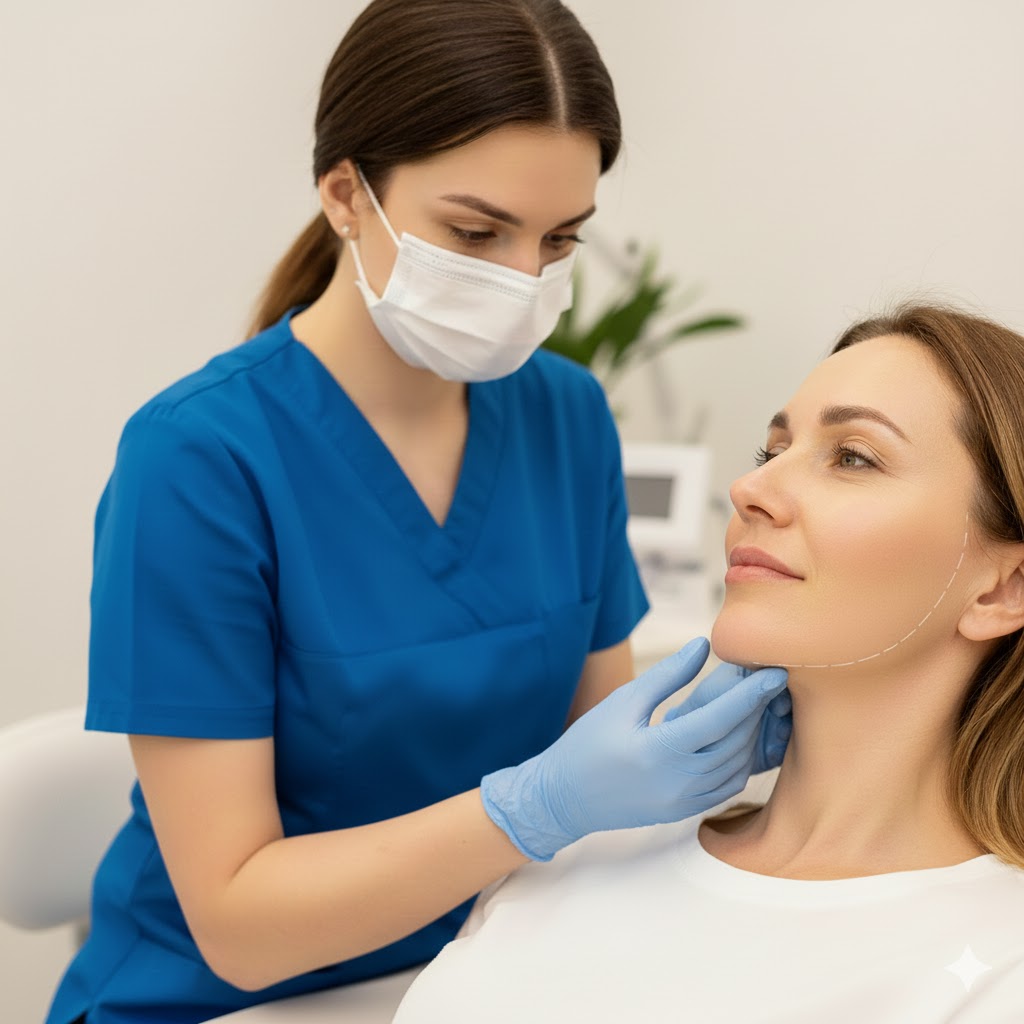
If you have been searching for endolift cost near me and finding ranges without context, this is the conversation that replaces approximation with clarity. Book your consultation today and receive the specific, transparent pricing your decision actually requires.
Frequently Asked Questions
No. Endolift is a cosmetic procedure and does not qualify for coverage under any standard health insurance plan. There are no medical necessity criteria or diagnostic codes that would make it eligible for reimbursement. It should be budgeted as a cash-pay investment, and financing options are widely available to help manage the cost.
Most patients with mild to moderate laxity achieve meaningful, visible improvement from a single well-executed session. A second session at six to twelve months may be appropriate for patients addressing more advanced laxity or adding treatment zones not covered initially. Two sessions is a practical planning assumption for most candidates.
Most patients experience mild swelling and redness for 24 to 72 hours following treatment. Bruising is possible but not typical. The majority of patients return to professional and social commitments within 48 hours, making Endolift meaningfully distinct from surgical alternatives that require two to three weeks of social recovery.
Endolift results typically last two to three years, reflecting the duration of the new collagen architecture the treatment builds. Longevity is influenced by lifestyle factors including sun exposure, smoking, and significant weight changes. Patients who maintain a consistent skin health routine, including medical-grade retinoids and diligent SPF use, generally report results at the longer end of that range.
On sticker price, yes — significantly. A traditional surgical facelift in a major metropolitan market typically costs $12,000 to $25,000 when anesthesia and facility fees are included, compared to $3,500 to $7,000 for a comprehensive Endolift protocol. When you factor in surgical recovery costs, lost productivity, and the lower maintenance expense of a non-surgical facelift approach over time, the financial gap narrows further in Endolift’s favor.
Yes. Most established medical spas, including MEDSPA MD Group, offer access to third-party medical financing through providers such as CareCredit and Alphaeon Credit. These products offer promotional deferred-interest periods of six, twelve, or 24 months, allowing you to spread the investment over time without interest if the balance is paid within the promotional window. Applying before your consultation ensures you can make a confident treatment decision on the day of your appointment.