
Table of Contents
- The Single-Service Problem
- What to Look for in a Philadelphia Medspa Before You Book
- The Non-Surgical Treatment Landscape in Philadelphia: What’s Available and What Works
- Liquid BBL, Body Sculpting, and Non-Surgical Body Contouring in Philadelphia
- Endolift and Non-Surgical Facelift Options in Philadelphia
- GLP-1 and Semaglutide Weight Loss in Philadelphia: Timelines, Costs, and Realistic Expectations
- How to Build a Synergistic Treatment Roadmap That Fits Your Real Life
- What Real Recovery and Maintenance Look Like
- The Confidence Transformation Factor: Outcomes That Go Beyond the Before-and-After Photo
- How MEDSPA MD Group Approaches Personalized Care in Philadelphia
- Your Roadmap to Lasting Confidence Starts with the Right Partner
- Frequently Asked Questions
The Single-Service Problem
Most medspa visits in Philadelphia follow the same pattern: you identify a concern, book the corresponding treatment, get the result, and return six months later to do it again. This is not a treatment plan. It is a subscription to maintenance without progress.
The problem with single-service thinking is that aging and body changes are multi-layered. Volume loss, skin laxity, texture irregularities, and tone shifts happen simultaneously and interact with each other. Treating one in isolation while the others advance means you are perpetually catching up. A practice that books you for Botox without ever addressing the skin quality underneath it is solving for the symptom, not the condition.
Genuine aesthetic progress requires a provider who understands how treatments interact, sequence, and compound over time. That is a clinical skill, not just a service menu.
What “Natural-Looking Results” Actually Needs to Mean
“Natural-looking results” appears in the marketing of virtually every medspa in Philadelphia. It means nothing unless it is backed by a specific philosophy about dosing, placement, and how results integrate with your actual facial anatomy.
Natural-looking results from filler, for example, depend on injecting the right volume in the right anatomical planes, not simply using less product. An injector who lacks depth in facial anatomy can use a conservative dose and still produce an unnatural outcome. Conversely, a skilled provider can restore meaningful volume and movement while the result reads as simply “you, but rested.”
Ask any prospective provider this question: “What does your natural-results philosophy look like in practice?” The answer should involve anatomy, patient-specific assessment, and a clear dosing rationale. If it stays at the level of “we just want you to look like yourself,” keep asking.
What a Genuine Confidence Transformation Requires
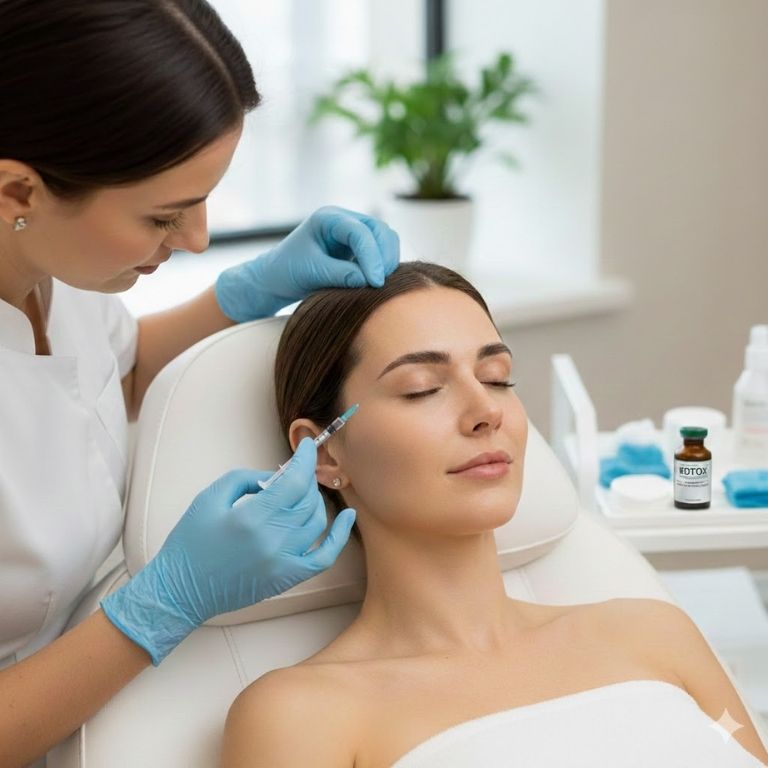
Confidence transformation is not a treatment outcome. It is the cumulative effect of treatments that have been sequenced, maintained, and adjusted over time in response to how your skin and body actually respond.
This requires a provider who thinks in roadmaps, not appointments. The first visit should produce more than a single procedure. It should produce a prioritized plan that accounts for your goals, your schedule, your budget, and the realistic pace at which each modality delivers results. Some treatments, like Botox, show results within days. Others, like collagen-stimulating energy treatments, build over three to six months. A real plan accounts for both timelines and uses them to your advantage.
The Difference Between a Spa and a Medspa
A traditional day spa offers relaxation-based services performed by licensed estheticians: facials, massage, waxing. A medspa provides medical-grade treatments that require clinical oversight, including injectables, laser and energy devices, and prescription-based protocols such as semaglutide weight management.
The critical distinction is who is legally responsible for your care. At a properly structured medspa, a licensed physician, nurse practitioner, or physician assistant directs the clinical program. Treatments like Botox and dermal fillers are not cosmetic services under Pennsylvania law. They are medical procedures that carry real risk if performed without proper training, proper products, and proper emergency protocols.
Before you book anywhere, confirm that a licensed medical professional supervises treatment, that injectables are FDA-approved products rather than compounded alternatives of uncertain origin, and that the practice maintains emergency protocols for adverse reactions. These are not paranoid questions. They are the baseline standard for any practice that takes patient safety seriously.
What to Look for in a Philadelphia Medspa Before You Book
Clinical Credentials and Provider Qualifications
Credentials matter differently depending on the treatment. For injectables, you want a provider with formal training in facial anatomy, ideally an MD, NP, or PA with a documented aesthetic specialization. For energy-based and laser treatments, ask about device-specific certification and the number of procedures the provider has performed on your skin type.
Verify credentials directly. A provider should be able to tell you their license type, their training background in aesthetics, and the continuing education they pursue. If that information is not on the website and does not come up naturally in your consultation, ask for it directly. Hesitation or vagueness is a signal worth noting.
Technology Investment as a Trust Signal
The aesthetic device market is flooded with systems that carry impressive-sounding names and modest clinical evidence. A practice’s technology choices reveal its clinical priorities. Providers who invest in FDA-cleared platforms with published peer-reviewed data are making a different commitment than those who rotate through the lowest-cost devices available.
Ask about the specific devices used, not just the category. “Laser treatment” is not an answer. The specific platform, its FDA clearance status, and its clinical evidence base are the answer. Established platforms like Sofwave for skin tightening or Laser Genesis for texture and tone have documented outcomes. That documentation should be accessible during your consultation.
What to Expect During Your First Medspa Consultation
A strong first consultation at a medspa in Philadelphia runs 30 to 45 minutes and begins with listening, not presenting. The provider should ask about your goals, your concerns, your lifestyle constraints, and your previous treatment history before recommending anything.
You should leave with a documented treatment plan that includes the recommended modalities, the expected timeline for results, a realistic cost range, and the honest downtime requirements for each step. If a consultation ends with a single-procedure booking and no broader roadmap, the practice has told you something important about how it operates.
Red Flags That Suggest a Practice Is Built Around Volume, Not Outcomes
- Pricing that leads every conversation before goals are established
- Pressure to book multiple treatments at the first visit without a clearly explained rationale
- Before-and-after photos that show dramatic transformations without context on patient history or maintenance
- Providers who cannot explain why they are recommending a specific treatment over alternatives
- No mention of contraindications, downtime, or realistic result timelines
Any one of these warrants a follow-up question. Several together paint a clear enough picture.
How to Communicate Your Aesthetic Goals Effectively
Results look obvious when a provider optimizes for the treatment rather than the person receiving it. You control this outcome more than you may realize, because clear communication at the consultation stage directly shapes what happens in the treatment room.
Come prepared with specific language. Not “I want to look refreshed,” but “I want to soften the lines between my brows without losing expression” or “I want more definition in my jawline without adding volume to my cheeks.” The more specific your language, the more useful the feedback you will receive. A provider who responds to specificity with equally specific clinical reasoning is the provider who will deliver a result that reads as you, not as a procedure.
A 7-Factor Framework for Evaluating Any Philadelphia Medspa
Use this rubric before booking your first appointment. The pattern matters more than any single factor.
1. Clinical credentials. Does the practice clearly identify the license type and aesthetic training of every provider who will perform your treatment? Credentials should be verifiable, not just claimed.
2. Technology transparency. Can the practice name the specific devices used, their FDA clearance status, and the clinical evidence supporting their use for your concern? Vague category answers do not satisfy this standard.
3. Consultation quality. Does the consultation begin with your goals before any recommendations are made? Is the output a documented plan, not a single booking?
4. Cost transparency. Are treatment costs, package structures, and maintenance requirements discussed openly? A practice confident in its value discusses pricing clearly.
5. Downtime honesty. Does the provider give you specific, realistic downtime windows for each recommended treatment? “Minimal downtime” is not useful information if you have a client presentation in 48 hours.
6. Maintenance planning. Does the consultation address how results will be sustained over time, including frequency, cost, and supporting protocols? Single-appointment thinking at the consultation stage predicts single-appointment thinking in your care.
7. Natural-results philosophy. Can the provider articulate a specific, anatomy-based approach to natural-looking outcomes? This should go beyond aspirational language to actual clinical rationale about dosing, placement, and patient-specific adaptation.

The Non-Surgical Treatment Landscape in Philadelphia: What’s Available and What Works
Injectables: Botox, Dermal Fillers, and Realistic Longevity
Injectables remain the most-requested treatments at any medspa in Philadelphia, and for good reason. When placed correctly, they produce visible results with minimal recovery and a well-established safety record. The nuances, however, matter considerably.
How Long Do Results Last?
Botox (botulinum toxin type A) typically lasts three to four months in high-movement areas like the forehead and crow’s feet, and up to five to six months in areas with less muscle activity. First-time patients sometimes see shorter duration as their muscles are still active and conditioned. With consistent treatment over time, many patients extend their intervals as the underlying muscles gradually respond.
Dermal fillers vary significantly by product type and placement location. Hyaluronic acid fillers in the lips typically last six to nine months. Fillers placed in the cheeks or along the jawline, where there is less movement, can persist twelve to eighteen months or longer. Thicker formulations used for structural support tend to outlast softer volumizing products.
Avoiding the Overdone Outcome
The overdone outcome is almost always a dosing or placement error, not an inevitable consequence of the treatment itself. With Botox, the risk is over-treating the forehead without adequately addressing the brow depressors, which can cause brow ptosis or a frozen appearance. With fillers, adding volume to areas that do not need it, or layering product without accounting for existing anatomy, creates the pillow-face effect patients fear most.
The solution is a provider who performs a thorough dynamic and static facial assessment before injecting anything, who understands the relationship between muscle groups, and who starts conservatively with the option to add at a follow-up visit rather than over-treating in a single session.
Energy-Based and Laser Treatments: Laser Genesis, Sofwave, and Skin Rejuvenation in Philadelphia
Energy-based treatments work by delivering controlled thermal energy to specific tissue depths, stimulating collagen remodeling, improving tone and texture, and in some cases producing measurable lift. The results build progressively, which is why understanding the mechanism helps set realistic expectations.
Laser Genesis uses non-ablative 1064nm laser energy to address redness, enlarged pores, fine lines, and uneven texture. It requires no downtime, produces a mild warmth during treatment, and delivers results through a series of sessions spaced two to four weeks apart. It is well-suited for patients who need skin quality improvement without any recovery window.
Sofwave uses parallel beam ultrasound technology to deliver energy to the mid-dermis at a precise depth, stimulating new collagen and elastin production. It produces meaningful skin tightening and lifting results with a single treatment and minimal downtime, making it a practical option for patients managing demanding schedules. Results continue to develop over approximately three months post-treatment.
These are not the same treatment and are not interchangeable. Laser Genesis addresses surface and mid-dermal quality. Sofwave addresses structural tightening. A patient with both texture concerns and early laxity benefits from both, sequenced appropriately.
Microneedling with PRP: When It’s the Right Tool
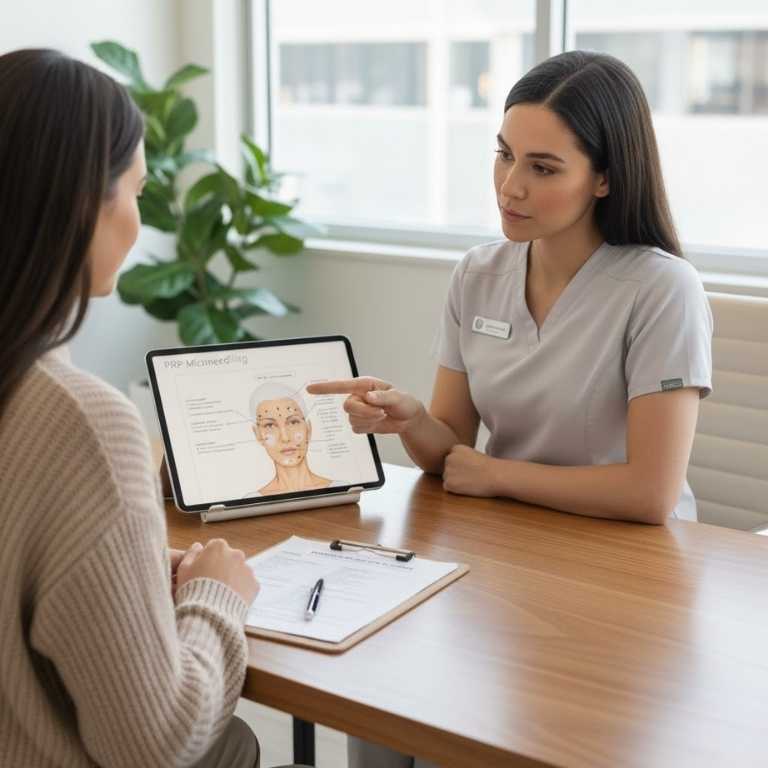
Microneedling with PRP (platelet-rich plasma) uses controlled micro-injuries to the skin to trigger the wound-healing cascade, with PRP applied topically or injected to amplify the collagen response. It is highly effective for improving skin texture, reducing the appearance of acne scarring, and addressing fine lines in the right candidate.
The right candidate has realistic expectations about timeline (results build over six to twelve weeks and are typically best after a series of three treatments), is not actively managing acne breakouts, and has no blood disorders or medications that contraindicate PRP use.
It is not the right tool for significant skin laxity, deep structural volume loss, or patients who need results before a specific event in the next few weeks. Understanding where microneedling fits relative to laser treatments and injectables is what separates a thoughtful treatment plan from a randomly assembled service list.
Medical-Grade Skincare as a Treatment Multiplier
Medical-grade skincare earns its place in a treatment plan not because it costs more than retail products, but because it contains active ingredient concentrations that over-the-counter products cannot legally carry. Prescription-strength retinoids, growth factor serums, and pharmaceutical-grade antioxidants actively support the collagen production that energy treatments and injectables initiate.
A practice that recommends medical-grade skincare as a standalone revenue generator is doing something different from a practice that recommends specific products because they extend the results of specific treatments. A genuine recommendation includes a clear rationale for why this product supports this treatment outcome. An upsell does not.
Recovery Times Across Treatment Categories
Recovery time is often the deciding factor for patients managing professional schedules, and the range across treatment categories is wide.
- Botox: no downtime, minor redness resolves within hours
- Laser Genesis: no downtime, mild redness fades the same day
- Sofwave: mild swelling or redness typically resolves within 24 hours
- Dermal fillers: two to five days of potential bruising or swelling depending on placement area and individual factors
- Microneedling with PRP: 24 to 72 hours of redness, similar in appearance to a mild sunburn
For patients who cannot tolerate visible recovery, the combination of Botox, Laser Genesis, and Sofwave delivers meaningful results across multiple concerns without requiring scheduled downtime.
Liquid BBL, Body Sculpting, and Non-Surgical Body Contouring in Philadelphia
What Is Liquid BBL and How Does It Differ from a Surgical Brazilian Butt Lift?
Liquid BBL uses strategic dermal filler placement in the buttocks to create the appearance of lift, projection, and improved contour without surgery, fat transfer, or general anesthesia. The result is a subtle to moderate enhancement that typically lasts twelve to eighteen months depending on the filler used and individual tissue characteristics.
Surgical BBL, by contrast, involves liposuction to harvest fat from donor sites, purification of that fat, and injection into the buttocks. It produces more dramatic volume changes and longer-lasting results, but carries meaningful surgical risk, requires weeks of restricted sitting, and demands recovery time that most working professionals cannot easily accommodate.
The honest framing: liquid BBL is not a non-surgical version of surgical BBL. It is a different tool that solves a different problem. Patients seeking significant volume augmentation will not be satisfied with filler-based results. Patients who want refined contour, subtle projection, and improved shape with no downtime are well-matched to the liquid approach.
Non-Invasive Fat Reduction: Cryolipolysis vs. EMSculpt-Category Devices
Cryolipolysis-based fat reduction uses controlled cooling to destroy fat cells in targeted areas, which the body then clears over the following eight to twelve weeks. It produces a measurable reduction in localized fat without injections or incisions. It does not address muscle tone or skin laxity, only the fat layer itself.
EMSculpt-category devices use high-intensity focused electromagnetic energy to induce supramaximal muscle contractions, the kind of contraction that normal exercise cannot produce. A single session triggers thousands of contractions, building muscle fiber density and simultaneously reducing fat in the treatment area. The result is improved definition and tone, not just volume reduction.
These are complementary, not competing, technologies. A patient who wants to reduce a fat pocket and improve the underlying muscle definition benefits from both, in the right sequence. Fat reduction first, followed by muscle-building, produces a more defined final result than either approach alone.
Matching the Right Body Contouring Modality to Your Goals
A body contouring consultation in Philadelphia should produce a written recommendation that names the specific technology, the treatment area, the number of sessions expected, and the realistic result range. If a provider recommends a body treatment without assessing your current body composition, your weight stability, and your primary concern, the recommendation is not actually personalized.
A quick eligibility framework:
- Liquid BBL: Patients near their stable weight who want subtle contouring rather than significant augmentation and cannot tolerate surgical recovery.
- Cryolipolysis: Patients with pinchable, localized fat deposits who are within approximately fifteen to twenty pounds of their goal weight.
- EMSculpt-category devices: Patients who want to enhance definition or rebuild muscle mass after significant weight loss.
- Surgical BBL: Patients who want dramatic augmentation, have adequate donor fat, and can manage a full surgical recovery.
No non-invasive modality produces results equivalent to surgery in volume or permanence. What these options offer is meaningful improvement, no recovery window, and no surgical risk, which is a reasonable trade-off for many patients.
Endolift and Non-Surgical Facelift Options in Philadelphia
What Is Endolift and How Does It Work?
Endolift delivers laser energy directly into the subdermal tissue through a micro-optic fiber thinner than a human hair. The laser heats the fibrous retaining ligaments and the superficial fat compartments from the inside, triggering immediate tissue contraction and a sustained collagen-remodeling response over the following three to six months. Because the energy is delivered internally rather than through the skin’s surface, it achieves a level of tissue tightening that surface-based devices cannot replicate, without the incisions or general anesthesia of a surgical facelift.
The distinction that matters clinically: Endolift addresses structural tissue contraction. Most other non-surgical options work from the outside in, with energy that must travel through skin before reaching the target tissue. Internal delivery allows for more precise energy placement and a different quality of result.
Endolift vs. Sofwave vs. Thread Lifts: Mechanisms, Downtime, and Longevity
| Modality | Mechanism | Downtime | Longevity |
|---|---|---|---|
| Endolift | Internal laser, subdermal contraction | 3 to 7 days (mild swelling, bruising) | 2 to 4 years |
| Sofwave | Transcutaneous ultrasound, mid-dermal collagen | Under 24 hours | 12 to 18 months |
| Thread lift | Mechanical lift via dissolvable sutures | 5 to 10 days | 12 to 18 months |
Sofwave is best suited for patients in the early stages of laxity who want a no-downtime option and are comfortable with gradual improvement. Thread lifts provide immediate mechanical lift but carry a higher risk of asymmetry and visible suture migration, and they do not address skin quality at all. Endolift delivers the most significant non-surgical tissue remodeling but requires a short recovery window.
Choosing the Right Option for a Demanding Schedule
Sofwave is the clearest fit for patients who cannot schedule downtime. A single session takes approximately 45 minutes, produces minimal immediate redness, and allows a return to normal activity the same day.
Endolift requires a few days of social downtime. Mild swelling and bruising are expected and visible. For a patient who can plan around a long weekend, the depth of result it produces typically justifies the recovery. For a patient who cannot schedule even 72 hours of reduced visibility, Sofwave is the more practical starting point, with Endolift as a future option.
Thread lifts are the least predictable in terms of recovery and carry the highest complication risk among the three. They are rarely the first recommendation for a patient who cannot tolerate visible or extended downtime.
Combining Endolift with Injectables and Laser Therapies
Endolift addresses structure. Injectables address volume and movement. Laser therapies address surface quality. Each works in a different tissue plane, which means they can be combined without redundancy and with genuine compounding benefit.
A common sequencing approach: Endolift first to establish structural contraction, followed by Botox and conservative filler placement four to six weeks later once tissue has stabilized, followed by Laser Genesis for surface refinement. The result engages all three dimensions of facial aging, structure, volume, and texture, in a way that no single modality can.
GLP-1 and Semaglutide Weight Loss in Philadelphia: Timelines, Costs, and Realistic Expectations
Is Semaglutide Available at Philadelphia Medspas?
Semaglutide is available at medically supervised medspas in Philadelphia that have a licensed prescribing provider on staff. Because semaglutide is a prescription medication, it cannot legally be dispensed or administered without physician or nurse practitioner oversight. A medspa offering semaglutide should have a prescribing provider who conducts a medical intake, reviews relevant labs, and monitors the patient throughout the protocol, not simply a wellness coordinator who hands you a vial.
A Realistic Protocol Overview: Weeks 1 Through 12 and Beyond
GLP-1 protocols typically start at a low dose for the first four weeks to allow the body to adjust and minimize gastrointestinal side effects. The dose increases incrementally, usually every four weeks, toward a maintenance dose that produces meaningful appetite suppression and metabolic benefit.
- Weeks 1 to 4 (0.25mg): Appetite reduction begins, nausea is possible, weight loss is modest.
- Weeks 5 to 8 (0.5mg): Appetite suppression strengthens, most patients notice a significant reduction in food cravings, weight loss accelerates.
- Weeks 9 to 12 (1.0mg): Meaningful cumulative loss for many patients, energy and metabolic markers often improve.
- Beyond week 12: The dose may continue to increase based on individual response and tolerance.
Results vary significantly based on starting weight, metabolic health, adherence to protein intake goals, and activity level. Semaglutide is not a passive intervention. Patients who pair the protocol with adequate protein and resistance activity see substantially better body composition outcomes than those who rely on the medication alone.
Contraindications and Who Is Not a Candidate
Semaglutide is not appropriate for patients with a personal or family history of medullary thyroid carcinoma or multiple endocrine neoplasia syndrome type 2. It is also contraindicated in patients with a history of pancreatitis and requires careful consideration in patients with significant gastrointestinal conditions. A thorough medical intake before starting any GLP-1 protocol is not optional. It is the clinical standard.
Cost Ranges for Semaglutide in the Philadelphia Market
Semaglutide costs in Philadelphia vary based on dosing, whether the product is brand-name or compounded, and the level of medical supervision included. Patients can expect to pay roughly $250 to $500 per month for a supervised protocol that includes provider oversight and medication. Programs that include regular check-ins, lab review, and body composition tracking generally produce better outcomes because the monitoring drives accountability.
Integrating GLP-1 Protocols with Body Contouring
Significant weight loss through semaglutide creates a body composition challenge that most patients do not anticipate: fat volume decreases, but skin and muscle tone do not automatically improve. Patients who lose fifteen or more pounds frequently develop new concerns around skin laxity, reduced muscle definition, and contour irregularities that were previously obscured by fat volume.
This is where planned integration matters. A practice that anticipates this transition, scheduling body contouring consultations during the weight loss phase rather than after, can sequence EMSculpt-category treatments to preserve or build muscle during loss and plan skin-tightening interventions for the stabilization phase. Weight loss without a body composition plan produces a different endpoint than weight loss that is actively managed alongside contouring support.
How to Build a Synergistic Treatment Roadmap That Fits Your Real Life
Why Multi-Modal Planning Outperforms Single-Service Thinking
The case for multi-modal planning is clinical, not commercial. Treatments that work in different tissue layers, structural, dermal, subdermal, and surface, do not compete. They reinforce each other. Sofwave stimulates collagen in the mid-dermis. Botox reduces the muscle activity that accelerates surface wrinkling. Medical-grade retinoids accelerate cell turnover at the surface. Each makes the others more effective, and the combined result exceeds what any single treatment delivers alone.
The practical argument is equally compelling: a roadmap reduces wasted appointments. Patients who book treatments reactively, addressing one concern, then the next, then the one that emerges six months later, often repeat the same ground because they treated symptoms rather than the underlying progression. A plan that accounts for how your face and body will change over twelve to eighteen months front-loads the decisions that matter most.
An Illustrative Multi-Modal Roadmap
Consider a patient in her mid-forties managing early facial laxity, a stubborn lower abdominal fat deposit, and a weight goal of fifteen pounds. A single-service approach books her for filler one month, a body treatment the next, and eventually a weight loss consultation when the aesthetic results plateau.
A synergistic roadmap looks different:
- Month 1: Medical intake, semaglutide protocol initiation, Sofwave for facial tightening.
- Month 2: EMSculpt series begins (timed to preserve muscle during weight loss), Botox and conservative filler placed as facial structure stabilizes.
- Months 3 to 4: Laser Genesis series for surface refinement, medical-grade skincare protocol established.
- Months 5 to 6: Cryolipolysis scheduled for residual fat deposit as weight approaches goal, Endolift consultation for structural assessment once weight has stabilized.
The sequencing logic is not arbitrary. Treatments affected by significant weight fluctuation, such as fillers and body contouring, are timed around weight stability phases. Muscle-building is scheduled during weight loss to protect body composition. Surface treatments build progressively on structural work.
Scheduling Efficiency for Busy Professionals
The practices that serve busy professionals well treat appointment time as a finite resource. Botox and Laser Genesis can be performed in the same visit. Sofwave and a skincare consultation can be combined. A weight management check-in can be paired with a body contouring follow-up.
Ask your provider directly which treatments can be combined in a single appointment without compromising results. A knowledgeable team will know the clinical compatibility between treatments and plan your schedule accordingly. Some combinations require separation, such as microneedling and active laser treatments, which need spacing to allow tissue recovery. Many do not, and an efficient schedule reduces both the time you spend in a treatment chair and the number of trips you need to make.
How Much Do Medspa Treatments Cost in Philadelphia?
Philadelphia medspa pricing reflects the significant range in provider credentials, device quality, and clinical supervision. The ranges below reflect medically supervised practices with qualified providers and established technology platforms.
- Botox: $12 to $18 per unit. A full forehead and crow’s feet treatment typically uses 40 to 60 units.
- Dermal fillers: $800 to $1,400 per syringe depending on product type.
- Sofwave: $2,500 to $4,000 per session.
- Laser Genesis: $300 to $500 per session, typically recommended as a series of five to six.
- Endolift: $3,000 to $6,000 depending on treatment areas.
- Microneedling with PRP: $600 to $900 per session.
- EMSculpt-category body treatments: $750 to $1,000 per session, typically four sessions minimum.
- Cryolipolysis: $600 to $900 per treatment cycle per area.
- Semaglutide protocol: $250 to $500 per month, inclusive of supervision.
These numbers reflect the cost structure of practices that use authentic FDA-cleared devices, properly trained providers, and pharmaceutical-grade injectables.
Are Medspa Treatments Covered by Insurance?
Elective aesthetic treatments are not covered by health insurance. The exception is limited: some insurance plans cover semaglutide when prescribed for type 2 diabetes management, but coverage for weight management alone varies widely by plan. Botox prescribed for medical indications such as hyperhidrosis or migraines may have coverage pathways, but cosmetic Botox does not. Budget for aesthetic treatments as discretionary health and wellness spending.
Understanding the True Cost-to-Results Ratio
The relevant comparison is not the cost of a single treatment. It is the cost of achieving and maintaining a meaningful result over twelve months. A patient who books reactive single treatments with no plan connecting them often spends as much or more over a year as a patient who commits to a structured roadmap, while getting significantly less cumulative result.
Ask your provider to calculate the twelve-month cost of the recommended plan before you commit. A practice confident in its recommendations will present this clearly, including maintenance intervals and realistic touch-up frequency. That number, divided by the result it delivers, is the actual cost of treatment.
What Real Recovery and Maintenance Look Like
Downtime by Treatment: When You Can Return to Meetings, Events, and Travel
Recovery planning is where most medspa experiences fall short. A provider who tells you “there’s minimal downtime” without specifying what that means in the context of your schedule has not given you useful information.
Here is what specific looks like:
- Botox: Return to work the same day. Avoid lying flat or vigorous exercise for four hours post-treatment. No visible evidence of treatment within hours for most patients.
- Laser Genesis: Same-day return to all activity. Mild redness fades within hours. Safe to apply makeup immediately.
- Sofwave: Return to meetings the same day. Mild swelling or redness resolves within 24 hours for most patients. Not advisable to schedule the day before a high-visibility event.
- Dermal fillers: Plan for two to five days of potential bruising or swelling depending on the area treated. Lip fillers carry higher bruising risk than cheek or jawline placements. Avoid scheduling within one week of an important event.
- Microneedling with PRP: Budget 24 to 72 hours of visible redness. Makeup is not recommended for the first 24 hours.
- Endolift: Social downtime of three to seven days. Mild swelling and bruising are expected and visible. A long weekend or a slower week in the calendar is the minimum requirement.
For travel specifically: injectables and energy treatments with no downtime are compatible with travel the same day. Any treatment with bruising or swelling risk should be scheduled at least one week before a flight, as cabin pressure can worsen swelling.
The Maintenance Schedule That Protects Your Investment
The cost-to-results ratio depends entirely on whether you maintain results through scheduled touch-ups and supporting protocols. Treatments that are allowed to lapse and then restarted from baseline rarely deliver the same progressive improvement as treatments maintained consistently.
A general maintenance framework for a comprehensive facial plan:
- Botox: every three to four months.
- Dermal fillers: every nine to eighteen months depending on product and placement.
- Sofwave: annually for sustained tightening.
- Laser Genesis: one to two maintenance sessions per quarter after the initial series.
- Medical-grade skincare: ongoing, reviewed and adjusted at each visit.
The financial logic is straightforward. A patient who maintains Botox on schedule typically uses slightly less product per session over time as muscles respond to consistent treatment. A patient who lapses for eight months and restarts often needs a full reset dose. Maintenance is not an added expense. It is the mechanism that makes prior investment compound rather than depreciate.
Managing Ongoing Skin Health Between Aesthetic Treatments
Active acne and chronic skin inflammation directly undermine the results of aesthetic treatments. Filler placed in inflamed tissue carries higher infection risk. Laser treatments applied to active breakouts can worsen pigmentation. Managing ongoing skin health is not a separate service category. It is a prerequisite for aesthetic treatments to perform as expected.
Effective acne management at a medspa in Philadelphia may include prescription topicals, medical-grade chemical peels timed to avoid active treatment phases, and blue light or IPL-based treatments that target acne-causing bacteria. Skin health management and aesthetic treatment should be planned together, with protocols adjusted based on what each phase requires.
Building a Personal Maintenance Calendar
A maintenance calendar requires committing to it in writing at the outset. At the end of your initial treatment planning consultation, ask your provider to map the frequency of each recommended treatment, the expected cost per session, and which appointments can be combined.
A realistic annual calendar for a patient managing facial aging and skin quality might include four Botox appointments, two filler touch-ups, one Sofwave session, a quarterly Laser Genesis series, and two medical-grade peel sessions. That calendar fits into roughly eight to ten visits per year, less than once a month, and can be organized in advance so you are booking around your schedule rather than reacting to availability.
The Confidence Transformation Factor: Outcomes That Go Beyond the Before-and-After Photo
What Changes When Aesthetic Results Align with Professional Presence
Consider a patient, a senior marketing director in her mid-forties, who came in with two specific complaints: hollowing under the eyes that made her appear fatigued in video calls, and a jawline that had softened in a way that bothered her in photographs. She left her first consultation not just with a filler plan, but with a six-month roadmap that addressed skin quality, muscle activity, and structural support in sequence.
Three months in, she reported something neither she nor her provider had explicitly planned for: she was presenting differently in client meetings. Not because she looked dramatically different, but because she had stopped self-editing. The internal distraction of a concern she could not fix had quietly consumed attention that she now directed outward. The aesthetic outcome was real. The professional outcome was real. They were the same outcome.
Patients consistently report that this behavioral shift, the reclaimed attention and reduced self-consciousness, produces as much meaningful change as the physical result itself.
Why Outcome-Focused Planning Produces Different Results Than Procedure-Focused Booking
A procedure-focused booking solves the presenting complaint. An outcome-focused plan asks what you want to be true six months from now and works backward from that answer.
The difference shows up most clearly in sequencing decisions. A patient who books fillers reactively may add volume before addressing the laxity that will make that volume look displaced within twelve months. A patient whose provider maps the outcome first places structural work, Sofwave or Endolift, before adding volume, so the filler enhances a tightened foundation rather than compensating for a deteriorating one.
Outcome-focused providers ask a different set of questions at the consultation: What does confidence look like for you specifically? What would have to change for you to stop thinking about this? What is your timeline, and what is immovable in your schedule? Those questions produce a plan that serves your life, not a provider’s treatment menu.
Which Treatment Matches Your Primary Concern Right Now?
Use this quick-reference guide to identify your most logical first step.
- Visible lines and muscle movement (forehead, crow’s feet, brow): Start with Botox. Results appear within days and provide an immediate foundation for other treatments.
- Volume loss (hollowed cheeks, under-eyes, thinning lips): Start with a filler consultation to assess placement needs and sequence relative to any laxity concerns.
- Skin laxity and early sagging (jawline, jowls, neck): Start with Sofwave if downtime is not an option, or consider Endolift if you can plan around a short recovery window.
- Body contour and stubborn fat: Start with a body composition assessment to determine whether fat reduction, muscle building, or a combination addresses your actual concern.
- A weight goal of ten or more pounds: Start with a semaglutide medical intake and plan body contouring as a second phase once weight begins to stabilize.
- Uneven texture, dullness, or persistent redness: Start with Laser Genesis or a medical-grade skincare protocol review before adding more aggressive treatments.
How MEDSPA MD Group Approaches Personalized Care in Philadelphia
The Integrated Assessment Model
At MEDSPA MD Group, the initial consultation is structured as a full clinical intake, not a treatment pitch. The provider reviews your medical history, your aesthetic history, your current skin condition, your body composition goals, and your schedule constraints before any recommendation is made. The output is a written treatment plan that names specific modalities, sequences them in clinical order, and maps approximate costs and timelines across the first six to twelve months.
This model produces something different from a standard medspa consultation: a document you can review, revise, and commit to on your own terms. No pressure to book before you leave. No recommendations without rationale. A plan you understand well enough to explain to someone else.
Technology and Protocols That Reflect Clinical Commitment
MEDSPA MD Group maintains a technology platform built around FDA-cleared devices with documented clinical outcomes: Sofwave for non-invasive skin tightening, Laser Genesis for surface rejuvenation and tone correction, Endolift for patients requiring deeper subdermal contraction, and EMSculpt-category technology for body composition work. Injectable protocols use pharmaceutical-grade products, not compounded alternatives.
The practice also offers medically supervised semaglutide weight management, integrated with body contouring planning so that patients who are losing weight receive simultaneous support for body composition, not a standalone weight loss service disconnected from the broader aesthetic picture.
What Concierge Aesthetic Medicine Means for the Busy Professional
Concierge care in this context means your provider knows your treatment history, your results, and your goals without you re-explaining at every visit. It means appointments run on time and are structured around your schedule. It means a standing maintenance calendar can be built and held so that booking is proactive, not reactive.
And it also means access to your provider between visits for questions that do not require an appointment: a response to bruising that seems excessive, a clarification on post-treatment skincare, or a question about sequencing your next step. That access eliminates the uncertainty that causes patients to wait too long between treatments or skip maintenance appointments because they are unsure what to expect.
Booking a Consultation That Puts You in Control
The most effective first consultation is one you arrive at prepared. Bring specific goals, not general complaints. Know which concerns feel most urgent and which feel more aspirational. Have a realistic sense of your schedule constraints and your budget range. The more specific your starting point, the more useful the plan you will leave with.
MEDSPA MD Group offers initial consultations designed to end with a roadmap, not a receipt. You can book directly through the website, request a specific provider, and indicate your primary concerns in advance so the consultation time is spent on planning rather than intake logistics.
Your Roadmap to Lasting Confidence Starts with the Right Partner
What Separates Genuine Transformation from Temporary Change
The practices in Philadelphia that deliver lasting confidence transformation share a consistent set of characteristics: clinical credentials that are verifiable and relevant, technology investments that reflect evidence rather than marketing cycles, consultations that produce documented plans rather than single bookings, and maintenance protocols that treat your investment as something worth protecting.
The single-service model is not a failure of ambition. It is a failure of structure. Without a roadmap, every appointment starts the cycle over. With one, each visit builds on the last, and the cumulative result after twelve months looks meaningfully different from twelve months of reactive bookings.
How to Take Your Next Step with Clarity
The right next step is a consultation where you ask the questions this article has given you. What specific credentials does this provider hold? What are the FDA-cleared devices you use, and what is the clinical evidence for my concern? Can you explain why you are recommending this treatment over the alternatives? What does my twelve-month plan look like, and what does it cost in total?
A practice that answers those questions clearly, specifically, and without defensiveness has already demonstrated something important about how it operates. That is the practice worth booking.
Frequently Asked Questions
A traditional day spa offers relaxation-based services performed by licensed estheticians, such as facials, massage, and waxing. A medspa provides medical-grade treatments, including injectables, laser and energy-based devices, and prescription protocols like semaglutide, all under the supervision of a licensed medical professional. In Pennsylvania, treatments like Botox and dermal fillers are classified as medical procedures, which means they require physician, nurse practitioner, or physician assistant oversight to be performed legally and safely.
Pricing varies based on provider credentials, device quality, and the level of clinical supervision offered. At a reputable, medically supervised medspa in Philadelphia, you can generally expect to pay $12 to $18 per unit for Botox, $800 to $1,400 per syringe for dermal fillers, $2,500 to $4,000 for a Sofwave session, and $250 to $500 per month for a supervised semaglutide protocol. The most useful figure to request is a twelve-month cost estimate for your full treatment plan, which gives you an accurate picture of your investment and expected results.
Botox and Laser Genesis carry essentially no downtime, with any mild redness resolving within hours. Sofwave produces minimal redness or swelling that typically clears within 24 hours. Dermal fillers may involve two to five days of bruising or swelling depending on the area treated, and microneedling with PRP typically produces 24 to 72 hours of visible redness. For patients who cannot schedule any visible recovery, the combination of Botox, Sofwave, and Laser Genesis delivers meaningful results across multiple concerns without requiring time away from professional obligations.
Yes, and this is an underutilized capability at practices equipped to offer it. Active acne and chronic skin inflammation can directly undermine the results of aesthetic treatments, so managing skin health is often a prerequisite rather than a separate concern. Effective options at a well-structured medspa in Philadelphia may include prescription topicals such as tretinoin or combination formulations, medical-grade chemical peels timed around treatment phases, and blue light or IPL-based therapies that target acne-causing bacteria. The key is that skin health and aesthetic treatment planning should be coordinated together.
A well-structured first consultation runs 30 to 45 minutes and begins with a thorough review of your goals, concerns, lifestyle constraints, and previous treatment history before any recommendations are made. You should leave with a documented treatment plan that names specific modalities, outlines a realistic timeline for results, and includes honest downtime requirements and approximate costs. If the consultation ends with a single-procedure booking and no broader roadmap, that tells you something important about how the practice approaches patient care.
Longevity varies significantly by treatment. Botox typically lasts three to four months in high-movement areas and up to five to six months elsewhere. Hyaluronic acid lip fillers last approximately six to nine months, while cheek and jawline fillers can persist twelve to eighteen months or longer. Sofwave results develop over three months and can last twelve to eighteen months, while Endolift results can last two to four years. Maintenance protocols, including regular touch-ups and supporting skincare, are what allow results to compound over time rather than reset with each appointment.