Table of Contents
- PRP Injection Cost: Fast Answer for 2026
- What Is Platelet Rich Plasma (PRP) Therapy and Why It’s Priced Differently
- Key Factors That Influence PRP Injection Costs
- Average PRP Injection Cost Ranges by Treatment Type
- Insurance Coverage for PRP Injections and How to Plan Financially
- Payment Plans, HSAs, and Making PRP More Affordable
- Is PRP Worth the Cost Compared with Surgery, Steroid Shots, or Waiting?
- How Many PRP Sessions Do Most Patients Need
- PRP Injection Cost and Experience at MedSpa MD Group
- FAQs About PRP Injection Cost
- Making an Informed Decision: Next Steps
PRP Injection Cost: Fast Answer for 2026
PRP injection costs range from $350 to $2,500 per session across the United States, with most patients paying somewhere between $600 and $1,500 depending on what’s being treated, where the clinic is located, and the provider’s level of expertise. The average national cost for PRP injections is around $1,000, while the median cost for PRP therapy is around $630, meaning plenty of clinics fall well below the top end of that range.
Platelet rich plasma prp injections are priced per area, per session, and PRP injections are commonly classified as out-of-pocket procedures. Most insurance plans do not cover them. That means understanding prp injection costs before you book is essential. This guide breaks down the key factors that influence prp injection costs, typical ranges for joint pain, hair restoration, and skin rejuvenation, how insurance coverage works (or doesn’t), and how MedSpa MD Group approaches transparent pricing in Philadelphia and Houston.
What Is Platelet Rich Plasma (PRP) Therapy and Why It’s Priced Differently
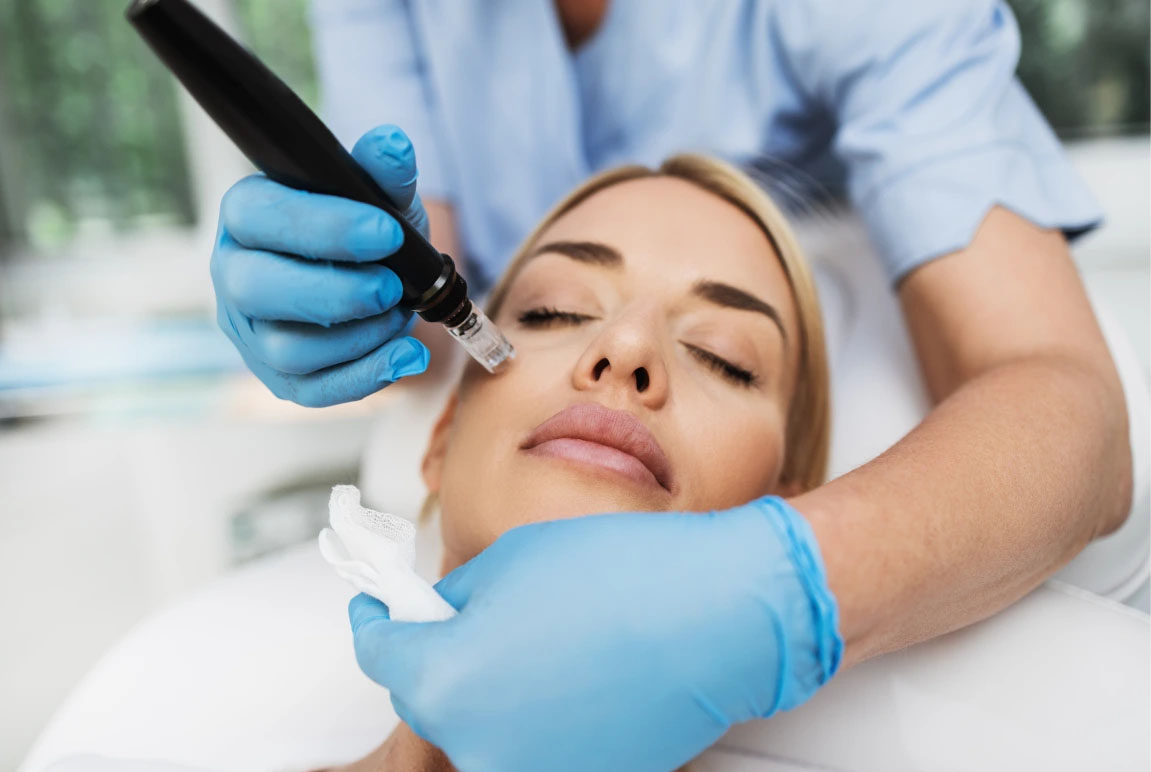
Platelet rich plasma therapy starts with a simple blood draw from your own blood. That sample is placed in a centrifuge, which separates and concentrates the platelets and their growth factors into a small volume of plasma. The resulting platelet rich plasma is then injected into the affected area, whether that’s a knee joint, a thinning area of the scalp, or the skin of the face and neck.
Platelet-Rich Plasma therapy stimulates healing or tissue regeneration, and PRP therapy can reduce pain and inflammation naturally. It may accelerate the healing process for chronic pain conditions, sports injuries, tendon injuries, and orthopedic conditions, while also supporting skin rejuvenation and hair restoration. PRP therapy has minimal risk of adverse effects because you’re using your body’s own healing properties rather than foreign substances.
PRP pricing is less standardized than a prescription medication because no two clinics use identical preparation methods, equipment, or protocols. Orthopedic PRP for joint arthritis and chronic pain often involves imaging guidance and specialized kit quality, while aesthetic PRP for microneedling or hair loss may be bundled differently. This variability is exactly why it pays to understand what you’re comparing before choosing a provider.
Key Factors That Influence PRP Injection Costs
Think of PRP pricing a bit like booking a flight: the same destination can cost very different amounts depending on the airline, the timing, and the extras. Here are the main variables that affect cost:
- Geographic region and city. Pricing for PRP injections is influenced by geographic location and provider expertise. Clinics in the Northeast tend to charge median prices near $1,000, while Southern markets like Houston may run closer to $700. Costs vary based on location and clinic overhead.
- Provider credentials and experience. Provider experience can significantly affect PRP therapy pricing. Board-certified physicians and specialists in sports medicine, musculoskeletal medicine, or regenerative medicine with high volumes of PRP treatments typically charge more, but physician expertise often translates to safer, more consistent outcomes.
- PRP preparation method and kit quality. PRP preparation methods affect cost and platelet concentration. Single-spin systems are less expensive than double-spin systems, and leukocyte-rich versus leukocyte-poor formulations each have different production costs. Not all PRP is created equal.
- Treatment area complexity. A straightforward facial PRP session costs less than an ultrasound-guided intra-articular injection for a knee or shoulder. Complex procedures can increase PRP treatment costs noticeably. Ultrasound guidance may add $100 to $400 per session but improves precision for joint and tendon work.
- Setting and overhead. Hospital-based clinics carry higher facility fees than a private medspa environment. Bundled services like topical numbing, pre-treatment lab work, aftercare products, and follow-up assessments also influence the apparent price.
Understanding these key factors helps you make an informed decision rather than choosing on price alone without considering safety and quality.
Average PRP Injection Cost Ranges by Treatment Type
These are realistic 2026 U.S. ranges for self-pay patients. Exact fees vary by clinic, so always request an itemized quote.
Musculoskeletal and Joint Pain PRP
In-office prp injections for knees, shoulders, elbows (including tennis elbow) typically run $600 to $1,800 per session. PRP injections in metropolitan areas average $900 to $1,500. Complex procedures can cost over $2,000 for PRP injections, especially in high-cost cities with imaging guidance included. Many orthopedic practices recommend one to three sessions and offer package discounts.
Aesthetic PRP
| Treatment | Typical Per-Session Cost | Recommended Sessions |
|---|---|---|
| Microneedling with PRP (face/neck) | $500–$900 | 3 sessions, 4–6 weeks apart |
| Under-eye PRP | $450–$800 | 2–3 sessions |
| Hair restoration PRP (scalp) | $700–$1,500 | 3–4 initial + maintenance |
Clinics in major metropolitan areas often charge more for PRP injections, so patients in Philadelphia or Houston should expect pricing at the upper half of these ranges compared to smaller markets. Some regenerative treatments bundle PRP with stem cell therapy or other biologics, which raises total prp cost significantly. This article focuses on platelet rich plasma injections as a stand-alone or primary treatment.
Always ask what’s included in the per-session price: the initial consultation, prp preparation, the procedure itself, and any follow-up visits.
Insurance Coverage for PRP Injections and How to Plan Financially
As of 2026, most insurance providers consider PRP treatment experimental for the majority of indications. Most insurance companies do not cover PRP therapy costs. Here’s what that looks like in practice:
- Most commercial insurance plans classify PRP as “experimental” or “investigational” for both orthopedic and cosmetic uses. Rich plasma prp injections for skin rejuvenation, hair restoration, or sexual wellness are almost never covered by insurance.
- A limited number of plans may consider partial coverage for specific musculoskeletal indications (like joint arthritis) when conventional traditional treatments have failed and strict prior authorization criteria are met, but these exceptions are rare.
- Cosmetic platelet rich plasma therapy is essentially never covered by insurance.
What you can do:
Ask your clinic for the specific CPT codes used for your PRP injection consultation. Call your insurer and confirm whether that code is covered by insurance for your particular diagnosis. Even if the injection itself is self-pay, portions of the visit such as an initial consultation, X-ray, or imaging may be billable to your health plan.
For example, a patient with knee osteoarthritis in Philadelphia might discover that the prp injection cost is fully out-of-pocket, but the initial X-ray used to evaluate the joint is processed through insurance. Understanding insurance coverage early prevents surprise bills and helps you set a realistic budget before starting a PRP treatment series.
Payment Plans, HSAs, and Making PRP More Affordable
Since PRP is often not covered by insurance, many clinics offer tools to spread the upfront cost over time.
Payment plans and financing:
- In-house payment plans let patients split the total prp injection cost across several months.
- Third-party medical financing options can spread payments over 6 to 24 months, sometimes with promotional zero-interest periods if paid within a set window.
Tax-advantaged accounts:
Health Savings Accounts and Flexible Spending Accounts can be used for PRP treatments when the procedure is medically necessary and recommended by a licensed provider. Joint pain, tendon injuries, and similar orthopedic conditions often qualify. Purely cosmetic platelet rich plasma procedures may not qualify, so confirm with your HSA or FSA administrator.
Budgeting tips:
- Ask whether your clinic offers package pricing for multiple treatments and how much that saves versus paying per session.
- Plan your monthly budget assuming the full recommended course of treatment, not just a single prp injection.
- Time your sessions to align with HSA or FSA funding cycles for maximum benefit.
At MedSpa MD Group, transparent itemized quotes and clear discussion of payment plans are part of the prp injection consultation so many patients know their full investment before they commit.
Is PRP Worth the Cost Compared with Surgery, Steroid Shots, or Waiting?
Many patients ask whether the investment in platelet rich plasma therapy is justified compared with other treatments like steroid injections, physical therapy, or cosmetic surgery.
For joint pain and musculoskeletal issues:
A typical PRP program might cost $1,200 to $3,000 total for multiple sessions. Compare that to the direct and indirect costs of surgery: hospital fees, anesthesia, weeks of missed work, and rehabilitation. Post-procedure care includes potential physical therapy sessions that add to recovery costs on either path, but PRP’s minimal downtime keeps patients functioning. While PRP is not guaranteed to replace surgery, many patients find enough reduced pain and restored function to delay or avoid more invasive procedures. PRP therapy can reduce pain and inflammation, often providing lasting relief for treating chronic pain conditions.
For aesthetic concerns:
Compare PRP costs to surgical facelifts ($7,000+), hair transplantation ($4,000 to $15,000), or years of topical products. PRP offers a middle ground: non-surgical, lower risk, and still a meaningful treatment approach. Results from PRP therapy can last between six and nine months, with maintenance sessions extending the potential benefits further.
Long term value:
Platelet rich plasma works by supporting the body’s healing process with concentrated healing power from your own platelets. This regenerative therapy may reduce reliance on ongoing medications or repeated steroid injections. For many patients, improved daily function and enhanced confidence represent quality-of-life gains that justify the cost. Use your consultation time to ask for realistic outcome expectations, not just a price quote.
How Many PRP Sessions Do Most Patients Need (and What That Means for Total Cost)?
The true prp cost isn’t a single injection. It’s the full course of treatment, plus any maintenance.
Orthopedic PRP:
Most treatment protocols require 2 to 4 sessions for effectiveness, typically spaced about four to six weeks apart. Chronic tendon or ligament problems may require a staged treatment approach where progress is evaluated after each session to decide next steps. This is common in sports medicine and musculoskeletal medicine for conditions like tennis elbow, joint pain, and sports injuries.
Aesthetic PRP:
- Microneedling with PRP for skin rejuvenation: often 3 sessions, 4 to 6 weeks apart, with yearly maintenance.
- Hair restoration: a building phase of 3 to 4 monthly treatments, followed by maintenance every 4 to 6 months.
Estimating total investment:
If a joint PRP injection costs $900 and the recommended series is three sessions, patients should budget around $2,700, plus any consultation or follow-up charges. Ask whether pre-paying for a package gives a discount and what happens if you don’t need all sessions. Some patients require maintenance injections costing $400 to $1,200 annually to sustain results.
Most patients appreciate having a written plan that outlines number of sessions, timeline, expected milestones, and total projected cost before starting prp therapy.
PRP Injection Cost and Experience at MedSpa MD Group (Philadelphia & Houston)
MedSpa MD Group is a physician-led, non-surgical medspa with locations in Philadelphia, PA and Houston, TX, offering comprehensive services in advanced aesthetic and regenerative treatments.
PRP is integrated across several of the clinic’s offerings:
- Microneedling with PRP for skin rejuvenation, acne scarring, and facial rejuvenation
- PRP-enhanced strategies as part of non-surgical facelift and under-eye treatments
- PRP used alongside fillers, Botox, Endolift, body contouring, and Liquid BBL for more comprehensive treatment plans that treat conditions holistically
MedSpa MD Group’s pricing philosophy centers on transparency. Every platelet rich plasma treatment includes an itemized quote that spells out exactly what’s covered: consultation, prp preparation, procedure, and follow-up. You’ll know whether a single session or multiple sessions are recommended, and what the total estimated investment will be. No surprise add-ons; any extras like optional topical products or future maintenance sessions are discussed ahead of time.
The clinic keeps prp injection costs competitive for major metros like Philadelphia and Houston while using modern PRP systems and evidence-based protocols. For busy professionals and fly-in patients, the practice offers flexible scheduling, minimal downtime, combination treatment planning, and available financing or payment plans for larger packages.
Schedule a one-on-one consultation, virtual or in-office, to receive a personalized quote and treatment roadmap.
FAQs About PRP Injection Cost, Coverage, and Results
Below are common questions patients in Philadelphia, Houston, and beyond ask before booking prp injections.
How much does a PRP injection cost in 2026?
PRP injection costs range from $500 to $2,500 per session. PRP therapy in metropolitan areas averages $900 to $1,500 per session. Hair restoration sessions typically fall between $700 and $1,500, and microneedling with PRP generally runs $500 to $900. Clinics at the higher cost end usually include imaging guidance, premium PRP kits, and follow-up care.
Are PRP injections covered by insurance?
Most insurance plans do not cover platelet rich plasma injections, especially for cosmetic uses. A few musculoskeletal indications may qualify for partial coverage when strict criteria are met, but prior authorization is almost always required. Always confirm with your insurer using specific codes from your provider.
Why do PRP injection costs vary so much between clinics?
Geographic location, provider experience, PRP system quality, and whether imaging guidance or comprehensive follow-up is included all influence prp injection costs. A higher cost often reflects physician expertise, advanced preparation methods, and a better patient experience, but not always. Ask what’s included.
Is one PRP treatment enough, or should I budget for several sessions?
A single prp injection may provide some improvement, but most orthopedic and aesthetic protocols recommend multiple treatments for meaningful, lasting relief. Plan financially for the full recommended course rather than a single visit.
Can I use HSA or FSA funds to pay for PRP?
PRP for medically documented joint pain, chronic pain, or tendon injuries often qualifies as an eligible HSA or FSA expense. Purely cosmetic procedures like hair restoration may not qualify. Confirm with your plan administrator and maintain a healthy lifestyle alongside your regenerative treatments for best results.
How do I know if a higher PRP price means better results?
Look beyond price to indicators of quality: provider credentials, volume of PRP procedures performed, platelet concentration achieved by the preparation method, before-and-after photos, and clear explanations of risks and realistic outcomes. The long term benefits of choosing an experienced provider often outweigh a slightly lower upfront cost at a less experienced clinic.
Does MedSpa MD Group offer financing for PRP and other treatments?
Yes. MedSpa MD Group works with patients on payment plans and third-party financing options. These can be discussed confidentially during your consultation for PRP, Endolift, Liquid BBL, and other treatment options.
Have a question not covered here? Contact the clinic directly. Pricing and candidacy are always individualized.
Making an Informed Decision About PRP Injection Cost: Next Steps
The typical prp injection cost in 2026 ranges from roughly $500 to $2,500 per session, with most patients paying between $600 and $1,500. The main factors that influence prp injection costs are geographic location, provider experience, preparation method, treatment complexity, and clinical setting. Insurance coverage remains limited, so planning for out-of-pocket expenses is essential. When you weigh the long term value of reduced pain, restored function, or improved appearance against the alternatives, PRP often emerges as a compelling middle ground between doing nothing and undergoing surgery.
Most patients benefit from understanding the full expected course of treatment, including the number of sessions, timeline, and total projected spend, before starting platelet rich plasma therapy, whether for joint pain or aesthetic goals.
Practical next steps:
- Write down questions about cost, coverage, and payment plans to bring to your consultation.
- Ask each provider for an itemized quote and evidence of provider experience with your specific concern.
- Compare not just prices, but overall expertise, safety standards, and patient support.
If you’re in the Philadelphia, PA or Houston, TX area, or willing to travel, MedSpa MD Group invites you to schedule a personalized consultation to review candidacy for PRP and receive a transparent cost breakdown. Same- or next-day virtual consults are available for busy patients planning fly-in treatment schedules.
With the right information and a trusted provider, you can make a confident, informed decision about investing in platelet rich plasma therapy and the healing power of your body’s own regenerative potential.