
The tear trough is the groove running from the inner corner of each eye toward the mid-cheek. When volume loss, genetics, or age deepens this groove, it creates shadows and dark circles that make you look exhausted regardless of how much sleep you got. If you’ve been searching for tear trough filler before and after results, you’re trying to figure out one thing: will this actually work for me?
This page walks through real-world expectations-how patients typically look before treatment versus after tear trough filler-and covers candidacy, safety, cost, and timelines. Tear trough filler is a non-surgical cosmetic treatment designed to address volume loss beneath the eyes and minimize the depth of tear trough grooves. MedSpa MD Group provides this treatment in Philadelphia, PA and Houston, TX with physician-led injectors focused on natural results.
Table of contents
- What Are Tear Troughs and How Do Fillers Help?
- Tear Trough Filler Before and After: Timeline of Your Results
- Who Is a Good Candidate for Tear Trough Filler?
- Safety, Risks, and How to Avoid “Bad” Before and After Outcomes
- Cost, Longevity, and Maintenance of Tear Trough Fillers
- Why Tear Trough Filler at MedSpa MD Group?
- FAQs About Tear Trough and Under Eye Fillers
- Next Steps: Book Your Tear Trough Consultation
What Are Tear Troughs and How Do Fillers Help?
Tear trough deformity happens when the midface loses volume, thin skin becomes more translucent, and fat pads shift-making the lid-cheek junction visible as a deep groove. This anatomy and treatment options matter because even well-rested patients can look tired when the tear trough area casts shadows under overhead lighting, on Zoom calls, or in photos.
Tear trough rejuvenation uses soft, flexible hyaluronic acid fillers injected into the supra-periosteal plane to gently lift the hollow and blend the transition between the lower eyelid and the upper cheek. The treatment uses a hyaluronic acid-based gel, and because hyaluronic acid attracts water to moisturize skin, the filler integrates naturally into the tissue. It can flatten hollows to reduce the appearance of dark circles-though it doesn’t bleach pigment. The average filler volume injected per treatment is about 0.45 mL, and even that small amount can produce a visible tear trough filler before and after difference.
A consultation should assess whether under-eye concerns stem from volume loss, pigmentation, or bags, since each requires different types of treatment options. Common HA products for this area include Restylane Eyelight, Restylane-L, and Juvederm Volbella-softer, less hydrophilic dermal fillers chosen specifically to avoid puffiness in the delicate under eye area.
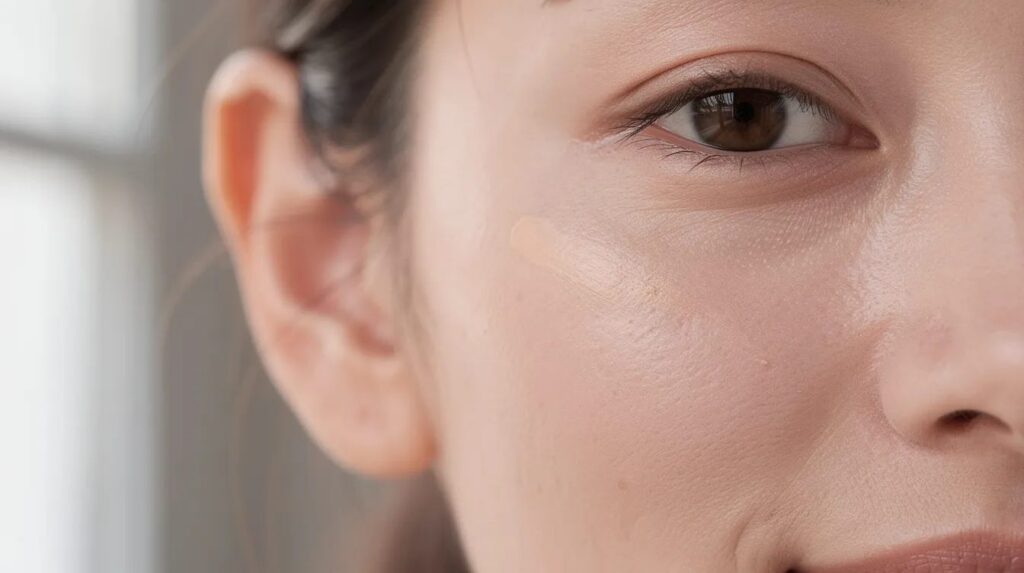
Tear Trough Filler Before and After: Timeline of Your Results
Understanding the timeline helps you expect realistic under eye fillers before and after outcomes rather than judging results too early.
Before treatment: Most patients present with deep tear troughs, visible blood vessel patterns through thin skin, makeup settling into creases, and a tired appearance that overhead lighting makes worse.
Day 0-2: Immediate results from tear trough filler include visible volume restoration, but mild swelling, pinpoint bruising, and temporary asymmetry are normal. The eye area may look slightly fuller than the final result. This is not the true “after.”
Days 7-14: Final results typically develop after one to two weeks post-treatment as swelling resolves and the filler integrates. The contour becomes smoother and more natural. Most MedSpa MD Group patients come for their optional check-in photos during this window. Redness and swelling are normal after filler injections but should be fading by now. Patients can resume most activities immediately after treatment, though recovery may take up to one or two weeks for all swelling to fully resolve.
Months 1-3 (the sweet spot): Under eye and cheek blending look seamless. Shadows are reduced, the improvement is clear, and there’s no obvious “done” look. Most patients see improvement of 1 MIHAS grade after treatment. This is when before and after photos show the most striking difference.
Months 6-18: Tear trough fillers typically last up to 12 months, with an average duration of effect around 10.8 months for subjective satisfaction. However, results from tear trough filler last approximately 12 to 24 months in many cases, and results can persist up to 18 months after treatment depending on the product, metabolism, and lifestyle. Some patients report results lasting between 5 and 7 years in rare instances. Gradual fading is normal-the hollow slowly reappears, prompting maintenance treatments.
Who Is a Good Candidate for Tear Trough Filler?
Candidacy is the single biggest predictor of whether your tear trough filler before and after results look impressive or disappointing.
A good candidate typically has mild to moderate hollowing under the eyes with relatively firm skin and limited laxity. Dark circles should be mostly from volume loss and shadowing-not only pigmentation, since tear trough filler does not treat dark circles caused by pigmentation alone. An inherited trait of deep hollows, stable weight, and realistic expectations about subtle facial rejuvenation versus dramatic reshaping all point toward strong candidacy.
Who should think twice: patients with very loose or crepey lower eyelid skin, significant under eye bags from fat herniation (filler can exacerbate existing puffiness from under-eye bags), or an active skin infection near the injection site. A board certified plastic surgeon or experienced aesthetic provider may recommend lower blepharoplasty, microneedling with PRP, or skin rejuvenation instead.
Consider three patients: a 28-year-old with genetically deep tear troughs who looks permanently tired, a 42-year-old parent with sleep-related hollows, and a 55-year-old with both volume loss and skin laxity. The first two are typically strong candidates for eye filler. The third may benefit more from combination treatments. During consultation at MedSpa MD Group, the provider will assess bone structure, cheek support, and skin quality. Being honest about prior fillers, surgeries, and medical history directly improves safety and outcomes. Choosing an experienced injector is crucial for successful treatment outcomes.
Safety, Risks, and How to Avoid “Bad” Before and After Outcomes
The under eye is one of the most technically demanding areas for filler injections. When performed by experienced aesthetic providers, tear trough fillers are generally safe-but you should know the risks.
Common, temporary side effects: Patients may experience short-term effects such as bruising and swelling, along with redness at the injection site. Temporary asymmetry and mild swelling are normal after filler treatment and typically resolve within days. Contact your doctor if pain persists beyond the healing period.
Aesthetic complications that can occur:
- The tyndall effect can cause blue-gray discoloration in some patients when HA is placed too superficially
- Overfilling creates puffy, unnatural under eyes
- Lumpiness or visible filler through thin skin
- Common complications include ecchymosis, edema, and contour irregularities
- Delayed complications can occur after 16.8 months on average
Rare but serious risks: Blindness can occur if filler is injected into a blood vessel, causing vascular occlusion. Infections and blindness are rare complications of fillers, but they underscore why physician-led protocols matter.
Preparation during the procedure generally includes application of a numbing cream (a topical anesthetic) to numb the area and reduce discomfort. At MedSpa MD Group, providers use cannulas or careful micro-needle technique, slow injections, and keep hyaluronidase on hand to dissolve HA if any possible complications arise. Your provider may gently massage the area to smooth the fill and apply ice to reduce swelling.
Patient tips for smooth healing: Avoid blood-thinning supplements when medically allowed, limit alcohol, skip heavy exercise and saunas for 24-48 hours, and sleep with your head slightly elevated. If results are unsatisfactory, HA fillers can be reversed-“bad” outcomes are rarely permanent.

Cost, Longevity, and Maintenance of Tear Trough Fillers
Tear trough filler costs range from $550 to $1,650, with hyaluronic acid fillers costing between $715 to $901 per syringe in 2026. Treatment pricing depends on the number of syringes used, and most patients need about one syringe split across both sides. In major U.S. cities like Philadelphia and Houston, sessions with premium HA products typically fall in the $700-$1,200 range-check MedSpa MD Group’s current pricing during your consult.
How many syringes will you need? Most first-time patients use 0.5-1.0 mL total. Conservative dosing with the option to add volume later consistently outperforms overfilling on day one.
Longevity and long term results: Most patients enjoy visible improvement for 9-18 months. Smokers, heavy exercisers, and fast metabolizers may see faster HA breakdown, while others enjoy long lasting results closer to the 18-24 month mark. Touch-ups every 12-24 months are typically smaller and less expensive than the initial treatment.
A typical maintenance plan:
| Timeframe | Action |
|---|---|
| Month 0 | Initial tear trough treatment |
| Week 2 | Check-in, assess symmetry |
| Months 3-6 | Optional refinement if needed |
| Months 12-18 | Reevaluate for top-off |
Tear trough fillers are often part of a broader plan that may include cheek filler, Botox for crow’s feet, or microneedling with PRP. Many clients treat this as an annual self-care investment, and MedSpa MD Group can talk through available financing options for larger treatment plans.
Why Tear Trough Filler at MedSpa MD Group?
All injectable treatments at MedSpa MD Group-including tear trough filler-are overseen by experienced medical providers trained in orbital anatomy and complication management. This isn’t a volume-driven clinic where every patient gets the same procedure.
Your consultation includes thorough facial analysis, review of your medical history, and an honest discussion about whether you’re a good candidate. If fillers aren’t the right fit, the provider will tell you and may recommend different types of treatments such as Endolift, microneedling with PRP, or a non-surgical facelift approach.
The philosophy is conservative: subtle tear trough rejuvenation that balances with your cheek, chin, and midface rather than overfilling a single area. With convenient locations in Philadelphia and Houston, fly-in scheduling for out-of-town patients, and minimal downtime procedures designed for busy professionals, MedSpa MD Group makes the process efficient and transparent-including clear pre- and post-care instructions and the option to review before and after photos during your visit.
FAQs About Tear Trough and Under Eye Fillers
How long do tear trough fillers really last?
Most patients experience visible improvement for 9-12 months, with the average duration of effect around 10.8 months. However, clinical data shows benefits persisting up to 18-24 months in many cases. Individual factors like product choice, metabolism, and the specific area treated all matter when predicting longevity.
Are under eye fillers painful?
Preparation typically includes a topical anesthetic to numb the skin before any injection. Most HA fillers also contain lidocaine. Patients generally describe the feeling as pressure or mild stinging rather than sharp pain, especially when providers use a cannula technique. Discomfort is minimal and brief.
Will tear trough filler fix my dark circles completely?
Filler injections improve hollows and shadows but do not completely erase pigment or visible veins. If your dark circles are primarily from pigmentation rather than volume loss, a doctor may recommend combination therapies-medical-grade skincare, skin rejuvenation treatments, and lifestyle adjustments often give the best overall result.
How many syringes of filler will I need under my eyes?
Many first-time patients need about one syringe (roughly 0.5-1.0 mL total) split between both sides. MedSpa MD Group prefers conservative dosing-it’s easier to add a small amount later than to correct overfilling. Your provider will assess your specific anatomy and recommend the right volume during your consultation.
What is recovery like after tear trough filler?
Recovery is typically quick. Expect mild swelling, possible bruising, and some redness for a few days. Most people return to work the same or next day. Avoid intense exercise for 24-48 hours, sleep with your head slightly elevated, and apply ice gently with your fingers if swelling occurs.
Can tear trough filler be reversed if I don’t like the result?
Yes. Under eye fillers at MedSpa MD Group use hyaluronic acid, which can be dissolved with hyaluronidase if needed. Corrective work is done carefully to avoid over-dissolving or creating new irregularities. This reversibility is one of the key advantages of HA-based fillers over permanent alternatives.
Is tear trough filler safe for all ages and skin types?
Most patients range from their late 20s to 60s. HA fillers are appropriate for all skin tones when injected properly, though providers take particular care with hyperpigmentation-prone skin. Age alone doesn’t determine candidacy-what matters is individualized assessment of your anatomy, skin quality, and goals. Researchers like Anido J and Jiang J have contributed to the clinical literature supporting safe use across diverse patient populations.
Next Steps: Book Your Tear Trough Consultation
If you see your own “before” in what this article describes-hollows, dark circles, a tired appearance that doesn’t match how you feel-a personalized consultation is the right next step.
At your first visit to MedSpa MD Group in Philadelphia or Houston, your provider will complete an in-depth assessment, discuss your goals and medical history, show you what realistic before and after outcomes look like for your specific anatomy, and give you clear pricing with no guesswork. You’ll have time to ask every question about safety, downtime, and alternatives before any procedure happens.
Call the clinic, request an appointment online, or inquire about fly-in scheduling if you’re traveling from out of town. The goal isn’t to change how you look. It’s to help you look like a more rested, refreshed version of yourself-today, in six months, and in every photo after that.