Table of Contents
- What Is Non-Invasive Fat Reduction?
- How Non-Invasive Fat Reduction Works
- Main Types of Non-Invasive Fat Reduction Technologies
- Who Is a Good Candidate for Non-Invasive Fat Reduction?
- What to Expect Before, During, and After Treatment at MedSpa MD Group
- Results, Safety, Costs, and Long-Term Maintenance
- Why Choose MedSpa MD Group for Non-Invasive Fat Reduction?
- FAQs About Non-Invasive Fat Reduction
- Ready to Redefine Your Contours? Next Steps
What Is Non-Invasive Fat Reduction?
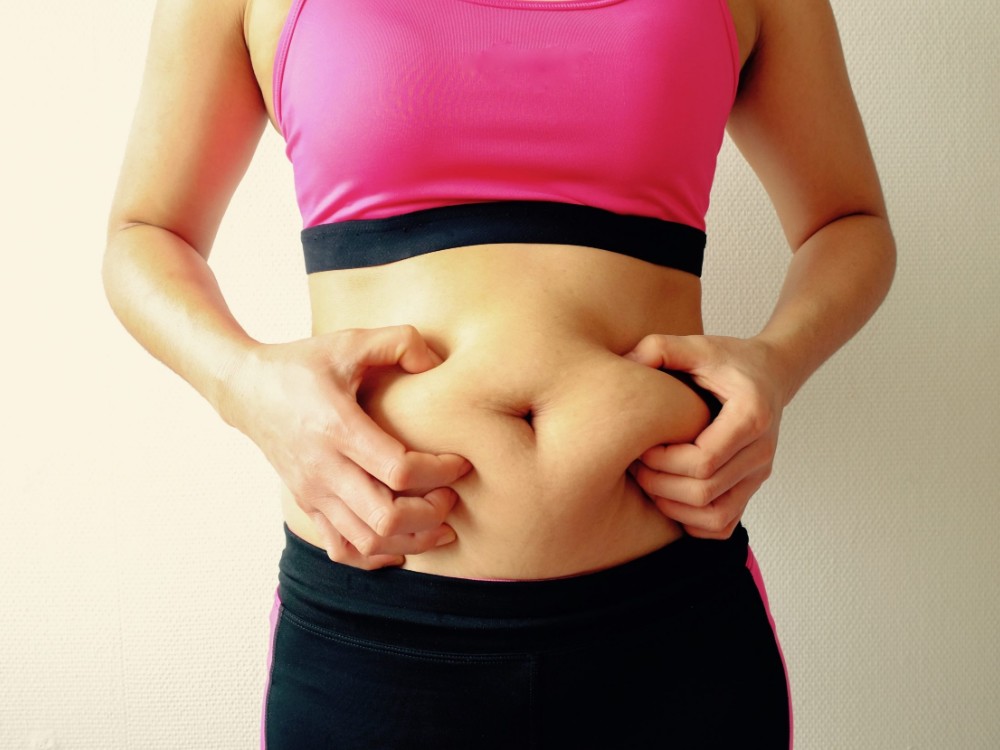
You eat well, you exercise, and you are close to the weight you want. But there is still that pocket of fat on your lower belly, your flanks, or under your chin that will not budge no matter what you do. You are not alone, and this is not a willpower problem. Certain areas of body fat are genetically programmed to resist caloric deficits.
Non-invasive fat reduction refers to a category of in-office procedures designed to reduce stubborn fat without surgery, scalpels, or general anesthesia. These treatments target exercise resistant fat through controlled cooling, heating, or other energy methods, contouring specific areas of your body while you stay awake and comfortable. Most clients at MedSpa MD Group in Philadelphia and Houston share a common profile: they want visible fat removal with minimal downtime so they can get back to their lives the same day.
It is important to set expectations early. Non-invasive fat reduction is body contouring, not a weight loss solution. Non-surgical fat reduction is not for significant weight loss. These procedures work best for small areas of stubborn fat rather than dropping multiple clothing sizes. Results are gradual, appearing over weeks to months as your body processes treated fat. This guide covers the main technologies, who qualifies, safety, realistic costs, and how MedSpa MD Group builds personalized treatment plans across both locations.
How Non-Invasive Fat Reduction Works
Beneath your skin sits a layer of subcutaneous fat cells. In certain zones like the lower abdomen, flanks, bra line, and double chin area, these cells can be particularly resistant to lifestyle changes due to local hormonal and genetic factors. Non-invasive fat reduction methods work by selectively targeting and damaging those unwanted fat cells so your body can clear them through its natural processes.
The core concept is straightforward: energy (cold, heat, sound waves, or chemical agents) is directed at fat cells in a specific treatment area. These treatments target fat cells through controlled cooling, heating, or other energy methods. The damaged cells undergo apoptosis and are naturally eliminated by the body over several months via the lymphatic and immune systems, gradually reducing the fat bulge in that area.
The timeline is forgiving for busy schedules. Swelling after most procedures is minimal. Most patients can resume daily activities immediately after treatment. Visible contour changes usually appear between 4 and 12 weeks as your body clears the treated fat, with non-invasive methods showing gradual improvement over 1 to 3 months.
Destroying Fat Cells vs. Just Shrinking Them
Diet and exercise shrink fat cells but do not eliminate them. That means if habits slip, those cells refill and the bulge returns. The distinction matters when choosing a fat reduction procedure.
Technologies like fat freezing (cryolipolysis), laser fat removal, radiofrequency energy devices, focused ultrasound, and injectable deoxycholic acid actually destroy fat cells in the treated area. Once destroyed, those cells do not typically regenerate. The reduction is considered permanent in that specific zone, as long as you maintain a stable weight.
Contrast this with therapies that mainly shrink fat cells without destroying them. Red light therapy, for example, can shrink subcutaneous fat cells by making their membranes temporarily permeable, releasing stored lipids. Red light therapy can show results within hours after treatment, but since the cells remain intact, they can refill if you gain weight or stop maintaining healthy habits. These approaches serve as complementary tools rather than primary fat removal methods.
Non-Invasive vs. Minimally Invasive Fat Reduction
Non-invasive treatments use applicators, paddles, or panels placed on the skin surface. There are no surgical incisions, needles, or anesthesia involved. Think of a cooling plate pressed against your abdomen or a laser panel positioned over your flanks. The surrounding skin stays intact throughout.
Minimally invasive procedures use tiny entry points, small needles, or micro-cannulas to deliver energy or medication beneath the skin. Injectable treatments like Kybella fall here. Recovery is still dramatically shorter than traditional plastic surgery or cosmetic surgery like liposuction, but you may experience more localized swelling for a few days.
MedSpa MD Group focuses on non-surgical and minimally invasive body contouring that does not require surgical incisions or general anesthesia. Sessions are completed in-office, and clients walk out on their own in the vast majority of cases.
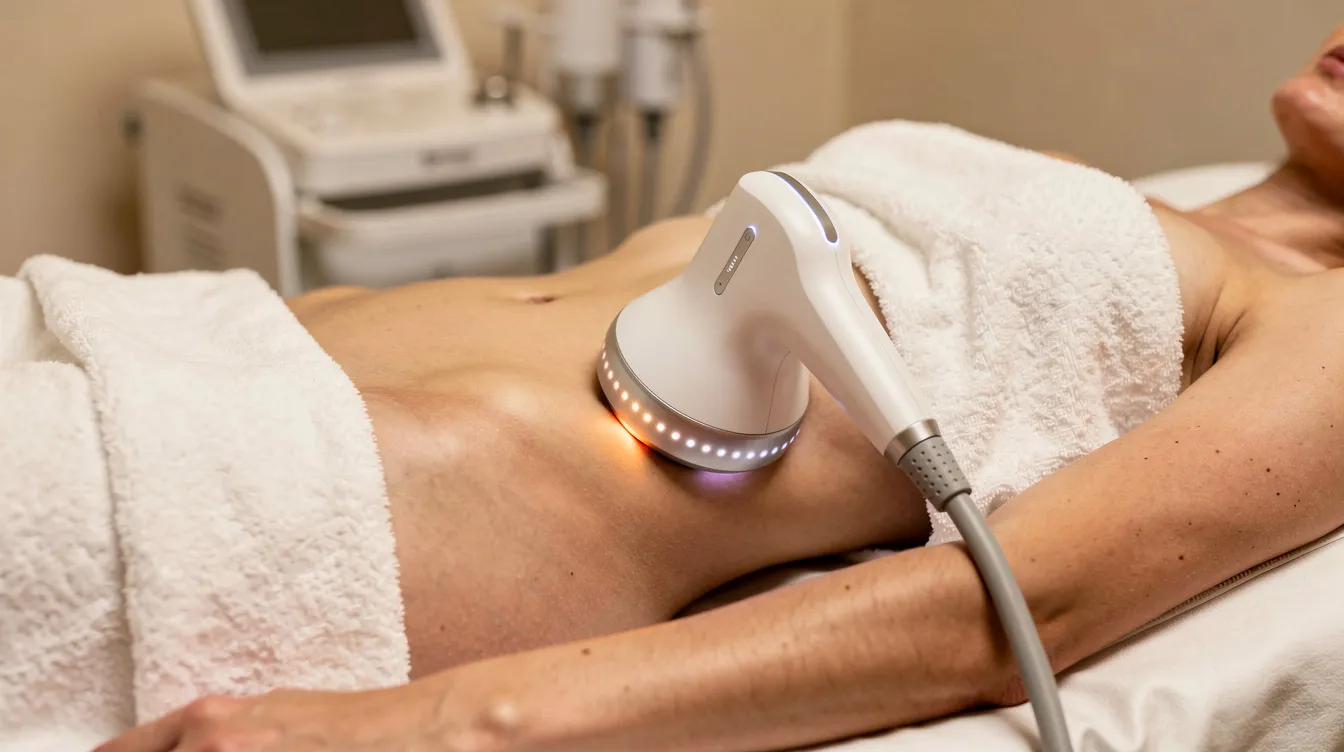
Main Types of Non-Invasive Fat Reduction Technologies
Different devices use cold, heat, sound waves, or injectable medication to reduce fat cells. No single method is universally “best” because the right choice depends on your body, the area you want treated, your comfort preferences, and your timeline.
Think about four factors when comparing options: treatment time per session, number of treatment sessions needed, comfort level during the procedure, and how quickly results appear. Use this section as a starting point, then rely on an in-person consultation at MedSpa MD Group for final recommendations.
Fat Freezing (Cryolipolysis)
Fat freezing works by pulling a fat pocket into an applicator through vacuum suction, then lowering the temperature using extreme cold until fat cells are irreversibly damaged. Cryolipolysis freezes fat cells without harming surrounding tissues because adipocytes are more sensitive to cold temperatures than skin, muscle, or connective tissue.
FDA-cleared treatments include CoolSculpting, which is one of the most recognized cryolipolysis platforms. Cryolipolysis can reduce fat by 20 to 25 percent per session, with full effects visible around 8 to 12 weeks as frozen fat cells are processed and cleared by your body. Some clinical studies have documented up to 30 percent reduction at longer follow-up periods.
Common treatment zones include:
- Lower and upper abdomen
- Flanks (love handles)
- Back rolls and bra fat
- Inner and outer thighs
- Upper arms
- Under the chin (submental area)
- “Banana roll” under the buttocks
Sessions typically run 35 to 60 minutes per applicator. You will feel intense cold and tugging initially, followed by numbness. Post-treatment side effects include mild redness or tenderness, temporary numbness, and occasional bruising. Rare complications like paradoxical adipose hyperplasia exist but occur at very low rates (documented at roughly 4 cases per 3,453 treatment cycles in one review). CoolSculpting costs average $1,723 per treatment, varying by area and number of applicators.
Laser Fat Removal (Laser Lipolysis Without Surgery)
Non-invasive laser fat removal systems like SculpSure use a 1060 nm diode laser to deliver controlled heat through the skin while contact cooling protects the surrounding skin. SculpSure uses laser energy to destroy fat cells by raising their internal temperature to the point of structural breakdown. Laser lipolysis heats and destroys subcutaneous fat cells, and the body then clears the debris through natural metabolic processes.
Laser fat removal results are visible in 6 to 12 weeks. Clinical data and device-based studies report roughly 20 to 25 percent fat reduction per treated area. Sessions take about 25 minutes per area, making this one of the faster non-invasive fat removal options. Multiple applicators can sometimes be placed simultaneously.
Ideal areas include the abdomen, flanks, back, thighs, and the submental region for smaller, defined fat bulges rather than very large deposits. Some non-invasive methods can provide skin tightening as a secondary benefit because thermal energy can stimulate collagen production in the surrounding tissues. SculpSure treatments range from $300 to $1,500 per session depending on the area and clinic. SculpSure is FDA-cleared for non-invasive body sculpting.
Radiofrequency (RF) and Electromagnetic Body Contouring
Radiofrequency lipolysis uses radio waves to emit heat targeting fat cells and connective tissue beneath the skin. RF treatments can both reduce fat and stimulate collagen production, making them useful for clients dealing with mild loose skin or cellulite alongside unwanted fat.
Combination devices pair radiofrequency energy with High-Intensity Focused Electromagnetic Field (HIFEM) technology. HIFEM builds muscle tone while aiding in fat reduction by triggering supramaximal muscle contractions. Procedures like Emsculpt use HIFEM technology for muscle contraction, while Emsculpt Neo adds RF to address fat and muscle simultaneously. Clinical reviews show average fat thickness reductions of approximately 5.5 mm in the abdomen, with 19 to 23 percent subcutaneous fat reduction at 1 to 3 months post-treatment.
Contact RF devices like Vanquish ME cover larger abdominal areas without vacuum suction. Vanquish treatments can cost up to $4,000 for multiple sessions. Most radiofrequency treatments involve warmth similar to a heating pad, sessions around 30 minutes, and a typical series of four or more treatments spaced weekly. These devices suit clients who want both non-surgical body contouring and muscle definition in the abdomen, buttocks, and thighs.
Ultrasound Fat Reduction
Ultrasound fat reduction treatments use focused sonic energy to selectively disrupt fat cell walls at a controlled depth. Ultrasonic lipolysis employs ultrasound to destroy adipose tissue without affecting the surrounding skin or muscle layers. Well-known platforms include UltraShape (pulsed, nonthermal ultrasound) and Liposonix (thermal high-intensity focused ultrasound).
Ultrasound fat reduction can achieve 15 to 20 percent fat reduction per treatment cycle. Many clients need one to three or more treatments spaced two to four weeks apart for optimal results. Pilot studies of pulsed ultrasound showed 13 to 16 percent fat layer reductions, while thermal HIFU devices have demonstrated waist circumference reductions of approximately 4 to 5 cm. Ultrasound fat reduction sessions cost between $1,500 and $3,000 depending on device and area.
Discomfort ranges from mild to moderate tingling or warmth, but non-surgical fat reduction typically requires little to no downtime compared with cosmetic surgery.
Injectable Deoxycholic Acid (Kybella-Type Treatments)
This minimally invasive procedure uses multiple small injections of synthetic deoxycholic acid to destroy fat cells in a targeted fat pocket. Kybella is FDA approved for reducing double chin fat, making it a popular choice for patients who want a sharper jawline without liposuction or plastic surgery.
Kybella injections permanently reduce fat under the chin. The treatment course typically involves 2 to 6 sessions about 15 to 30 minutes each, spaced at least 4 weeks apart. Swelling and tenderness can last several days after each session, which is more noticeable than with surface-based devices. Kybella injections cost about $640 per vial on average, and most double chin treatments require 1 to 3 vials.
An experienced injector who understands the anatomy of nerves and blood flow in the neck is essential. Off label uses beyond the submental region exist but should be evaluated carefully, as only the under-chin indication carries FDA approval.
Red Light Therapy and Other Emerging Options
Red light therapy works by making fat cells temporarily “leaky,” causing them to release stored contents without destroying the cell itself. This type of therapy can shrink fat cells without destroying them, which means results can be rapid but are generally more subtle. Multiple sessions plus strict lifestyle support are typically needed to maintain circumference changes.
These methods serve best as complementary contouring treatments rather than substitutes for more powerful non-invasive fat removal technologies. During your consultation, the team at MedSpa MD Group can discuss which modalities are currently available and which may be added as supporting evidence grows.

Who Is a Good Candidate for Non-Invasive Fat Reduction?
The best candidates are generally healthy adults who are close to their ideal weight but bothered by specific bulges of subcutaneous fat cells that show up in clothing or photos. Non-invasive fat reduction methods are in-office procedures designed to reduce stubborn fat in targeted areas, not to help you lose weight overall.
Typical areas treated at MedSpa MD Group in Philadelphia and Houston include:
- Abdomen (upper and lower)
- Love handles and flanks
- Bra rolls and back fat
- Inner and outer thighs
- Upper arms
- Double chin
Best results tend to come from non-smokers who have maintained stable weight for several months and have no serious uncontrolled medical conditions. Skin elasticity also matters. Clients with good collagen and connective tissue respond best. For those with mild skin laxity, MedSpa MD Group may recommend combination treatments pairing a fat reduction procedure with skin tightening to tighten skin and achieve desired results. Consult a board-certified cosmetic surgeon or qualified provider for treatment guidance on what combination suits your body.
Who Should Avoid or Delay These Procedures?
Certain conditions make non-invasive fat reduction inadvisable or premature:
- Pregnancy and breastfeeding
- Active infections or lesions in the treatment area
- Implantable devices like pacemakers (contraindicated for some RF and electromagnetic systems)
- Severe cold sensitivity disorders (Raynaud’s, cryoglobulinemia) for fat freezing
- Bleeding or clotting disorders for injectable treatments
People who need to lose weight significantly should consider medical weight management first. MedSpa MD Group offers semaglutide weight loss injections as part of a broader approach. Addressing excess fat through body contouring after reaching a more stable weight produces better, longer-lasting results.
Patients with chronic conditions like diabetes or autoimmune diseases should seek clearance from their primary physician before scheduling. And if your expectation is to “drop three dress sizes” from one non-invasive procedure, that is a signal to have a deeper conversation about what these technologies can realistically deliver.
What to Expect Before, During, and After Treatment at MedSpa MD Group
Whether you visit the Philadelphia or Houston location, the overall process follows a consistent flow. Details vary slightly by device and body area, but here is what a typical experience looks like, including for fly-in patients who need condensed scheduling.
Your Consultation: Mapping Out Desired Results
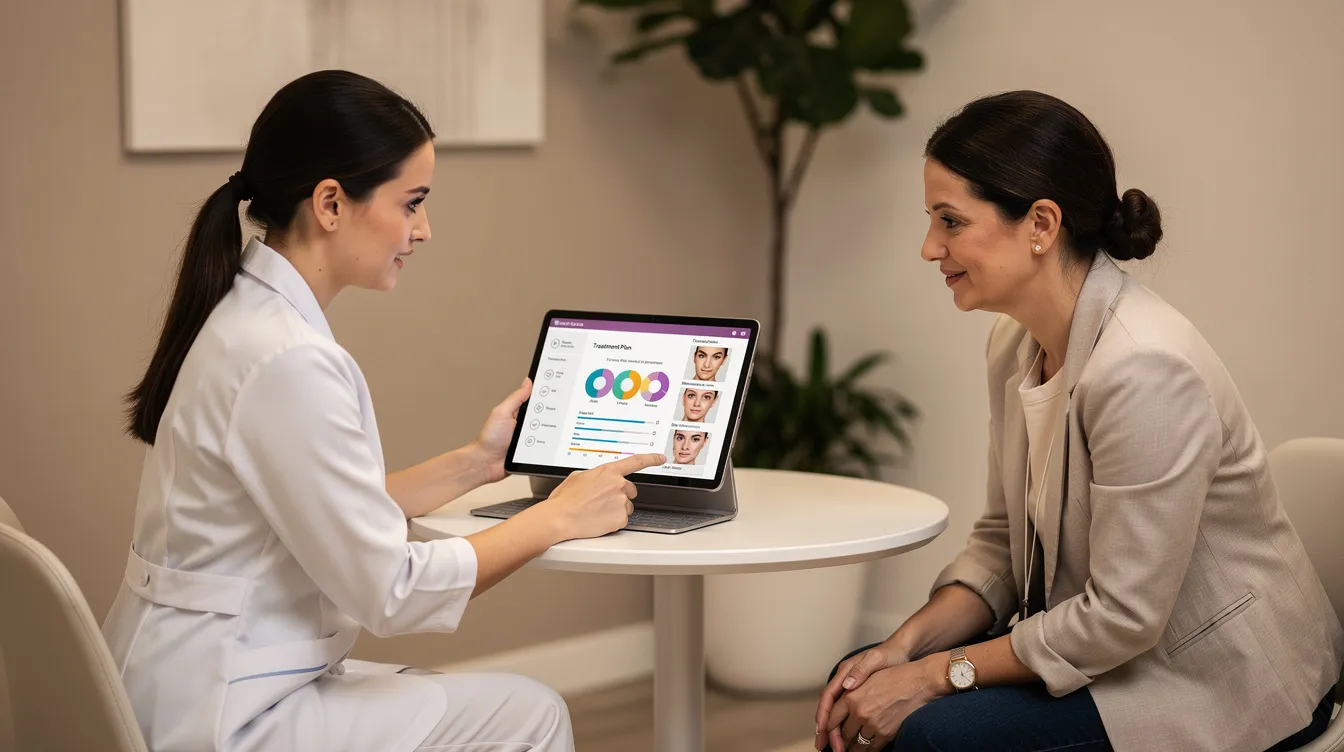
Your first visit is a private conversation about your goals and concerns. A clinician examines your target areas, reviews your medical history and medications, and takes baseline photos for documentation. Together, you map out a treatment plan that estimates how many sessions you may need and which modality fits each area best.
Pricing is discussed transparently with itemized costs per session and per area, so you understand your total investment before committing. The team can bundle services when appropriate, such as combining body sculpting with cellulite treatment or sauna wrap sessions. Clients traveling from outside Philadelphia or Houston can arrange condensed schedules to minimize travel days.
During the Procedure: Comfort, Time, and Sensations
A typical session starts with signing consent forms, marking treatment areas with a skin pencil, and positioning on the treatment bed. Expected sensations vary by modality:
| Technology | Sensation | Typical Duration |
|---|---|---|
| Fat freezing | Cold, suction, then numbness | 35–60 min per area |
| Laser fat removal | Deep warmth with cooling | ~25 min per area |
| RF / electromagnetic | Warmth, muscle contractions | ~30 min per area |
| Deoxycholic acid injections | Quick pinches, pressure | 15–30 min |
Most non-invasive treatments allow you to relax, scroll your phone, or listen to music while the device runs. No general anesthesia is used. Non-invasive techniques typically require minimal to no downtime after the procedure, and clients drive themselves home in the vast majority of cases.
Aftercare and Recovery: Getting Back to Your Routine
Immediate after-effects are mild: temporary redness, swelling, numbness, tingling, or soreness similar to post-workout fatigue. These typically resolve within a few days. Most clients return to work, parenting, or travel the same day. No compression garments or surgical drains are needed, unlike traditional liposuction or plastic surgery.
Simple aftercare tips:
- Stay hydrated
- Avoid extreme heat (saunas, prolonged sun) over treated areas for a short period
- Maintain regular movement to support lymphatic drainage
- Skip vigorous massage directly over the treatment area for the first few days
Results from non-surgical treatments appear gradually over weeks to months. Subtle changes may show as early as 3 to 4 weeks, with the most visible improvement between 8 and 12 weeks. Patients may need multiple sessions for optimal results, and each session stacks on the previous one. Follow-up visits at MedSpa MD Group include progress photos, measurement comparisons, and discussion of any additional areas you want to address stubborn pockets in.
Results, Safety, Costs, and Long-Term Maintenance
This section provides a realistic, numbers-based overview of what non-invasive fat reduction delivers. Exact quotes are always provided after consultation, but these ranges help you plan.
How Soon Will You See Fat Reduction, and How Much?
Most cryolipolysis, laser, RF, and ultrasound systems produce 15 to 25 percent fat layer reduction per treated zone per full treatment cycle. Cryolipolysis can reduce fat by 20 to 25 percent per session. Ultrasound fat reduction can achieve a 15 to 20 percent fat reduction. Changes are cumulative: some clients are satisfied after one session, others schedule two to four sessions depending on starting point and desired results.
Final results typically take 8 to 12 weeks after the last session as your body completes the process of clearing damaged fat cells. Outcomes vary by age, metabolism, hormonal factors, and how closely you follow diet and activity recommendations. Multiple sessions may be needed for optimal results in larger or more resistant areas.
How Safe Is Non-Invasive Fat Reduction?
When performed with FDA-cleared devices by trained clinicians, non-invasive and minimally invasive procedures have a strong safety record. Common side effects are mild and temporary: redness, swelling, bruising, numbness, or soreness in the treatment area.
Less common but important risks include paradoxical adipose hyperplasia after fat freezing (rare) and nerve irritation after injectables. Careful screening and proper technique minimize these events. MedSpa MD Group prioritizes device selection, staff training, and adherence to manufacturer protocols. Clients are encouraged to disclose their full medical history, allergies, and medications so providers can tailor a safe treatment plan.
How Much Does Non-Invasive Fat Reduction Cost?
Pricing varies by modality, area size, and number of sessions. Here are realistic U.S. ranges:
| Treatment | Typical Cost Range |
|---|---|
| CoolSculpting (cryolipolysis) | ~$1,723 per treatment (average) |
| SculpSure (laser) | $300–$1,500 per session |
| Kybella (injectable) | ~$640 per vial |
| Ultrasound fat reduction | $1,500–$3,000 per session |
| Vanquish (RF, multiple sessions) | Up to $4,000 |
Factors that influence price include the number of treatment areas (full abdomen vs. small submental area), total sessions needed, device type, and clinic location. MedSpa MD Group uses transparent, itemized pricing so you see the cost per session and per treatment zone before committing. Financing and payment plans may be available for larger packages. When comparing options, weigh not just price but provider qualifications, technology quality, and safety track record.
Maintaining and Enhancing Your Long-Term Results
Once fat cells are destroyed, they are gone for good. But remaining fat cells can expand if you gain weight significantly. Protecting your investment means maintaining a healthy lifestyle: steady nutrition, consistent movement, strength training for muscle tone, and adequate sleep to support metabolism.
MedSpa MD Group offers complementary services that support long-term results, including semaglutide weight loss injections for metabolic support, cellulite treatment, sauna wrap sessions, and skin tightening procedures like Endolift for clients dealing with laxity after fat loss. Some clients schedule periodic touch-up sessions every 12 to 24 months as their body or goals evolve. Sustainable habits protect results far better than extreme diets.
Why Choose MedSpa MD Group for Non-Invasive Fat Reduction?
MedSpa MD Group specializes exclusively in non-surgical aesthetic medicine across Philadelphia, PA and Houston, TX. That focus means the team lives and breathes non-surgical treatments daily, from body contouring and non-surgical fat removal to facial fillers, Botox, microneedling with PRP, Endolift, and non-surgical facelifts.
Treatments are overseen by experienced medical professionals who balance cosmetic goals with safety standards. The consultative approach starts with honest feedback about candidacy and builds a personalized combination plan. For example, if a client needs fat reduction plus a Liquid BBL or skin tightening, the team maps out a realistic sequence rather than pushing a single treatment.
Transparent pricing is central to the experience. You receive itemized treatment plans with clear session counts and a realistic total investment, not vague “starting from” numbers. For busy clients and travelers, scheduling is designed for efficiency. Fly-in patients can cluster multiple sessions and services to minimize trips. Before-and-after photos and client testimonials showcase natural-looking results rather than overdone transformations.
FAQs About Non-Invasive Fat Reduction
Is non-invasive fat reduction painful? Most clients rate discomfort as mild to moderate. Fat freezing involves initial cold and tugging that fades to numbness. Laser and RF treatments feel like deep warmth. Electromagnetic devices cause strong but tolerable muscle contractions. Injectable treatments involve brief pinching. None of these non-surgical treatments require general anesthesia, and most people do not need downtime afterward.
How many sessions will I need? Many people see noticeable change after one to two sessions per area. However, two to four treatment sessions spaced several weeks apart are common for optimal contouring, especially in larger zones like the full abdomen or flanks. Your clinician at MedSpa MD Group will recommend a session count based on your starting point and goals.
Will the fat come back? Fat cells that are destroyed and naturally eliminated do not regenerate. However, remaining fat cells in the treated area and elsewhere can still enlarge if you gain weight. Maintaining stable weight through a healthy lifestyle preserves your results long-term.
Can non-invasive fat reduction replace liposuction? These procedures are best for mild to moderate fat bulges. They are not designed for large-volume fat removal the way liposuction is. Some clients may still be better candidates for a surgical medical procedure, and MedSpa MD Group can help you understand the difference during consultation. Plastic surgeons handle surgical cases, while MedSpa MD Group focuses on non-invasive and minimally invasive options.
How much time do I need to take off work? Most clients resume normal activities immediately. Non-surgical fat reduction typically requires little to no downtime. Some prefer to take the rest of the day easy after injectable treatments or larger area sessions but returning to work the same day is common.
Is non-invasive fat reduction safe for all skin types? Modern technologies are generally safe for a wide range of skin tones because they target fat cells beneath the surrounding skin rather than the skin surface itself. However, an in-person evaluation is essential to confirm safety and rule out contraindications specific to your health profile.
Ready to Redefine Your Contours? Next Steps
Non-invasive fat reduction gives you a way to address stubborn pockets of unwanted fat that diet and gym sessions cannot touch, without cosmetic procedure complications, lengthy recovery, or putting your life on hold. The right treatment plan starts with understanding your body, your goals, and the technology that fits both.
Whether you are in Philadelphia, Houston, or flying in from elsewhere, MedSpa MD Group offers personalized consultations designed to give you clarity, not pressure. You will walk away understanding which non-invasive procedure fits your timeline and budget, how many sessions to expect, and what realistic results look like for your specific body.
Book your consultation to find out which non-invasive fat reduction treatment can bring you closest to your desired results. Call, book online, or fill out a contact form at either MedSpa MD Group location to get started.