
Nasolabial folds are the creases that run from the sides of the nose to the corners of the mouth, often called smile or laugh lines, and they tend to deepen over time as skin structure changes, facial volume shifts, and collagen declines. Those creases framing your mouth didn’t show up overnight. But somewhere between your late 30s and mid-40s, they stopped disappearing when you stopped smiling.
If you want a natural, more youthful look without surgery or significant downtime, this guide explains what actually causes nasolabial folds to deepen, which at-home habits may help slow them, and what non-surgical treatments, such as dermal fillers, skin tightening, Botox, and laser-based options, can realistically improve. You’ll also see what to expect during treatment and recovery, common questions, and why patients in Philadelphia and Houston choose MedSpa MD Group for facial rejuvenation.
Table of Contents
- What Are Nasolabial Folds? – Quick definition, anatomy, and why everyone has them
- Why Nasolabial Folds Deepen – Age, volume loss, lifestyle, and bone changes
- At-Home Habits – Prevention and maintenance strategies that actually matter
- Non-Surgical Treatments – Fillers, skin tightening, lasers, peels, and combination plans
- What to Expect – Consultation flow, procedure day, recovery, and results timeline
- FAQs – Answers to the most common questions we hear
- Why Choose MedSpa MD Group – Experience, technology, and personalized care
- Next Steps – How to schedule your consultation
What Are Nasolabial Folds (Smile & Laugh Lines)?
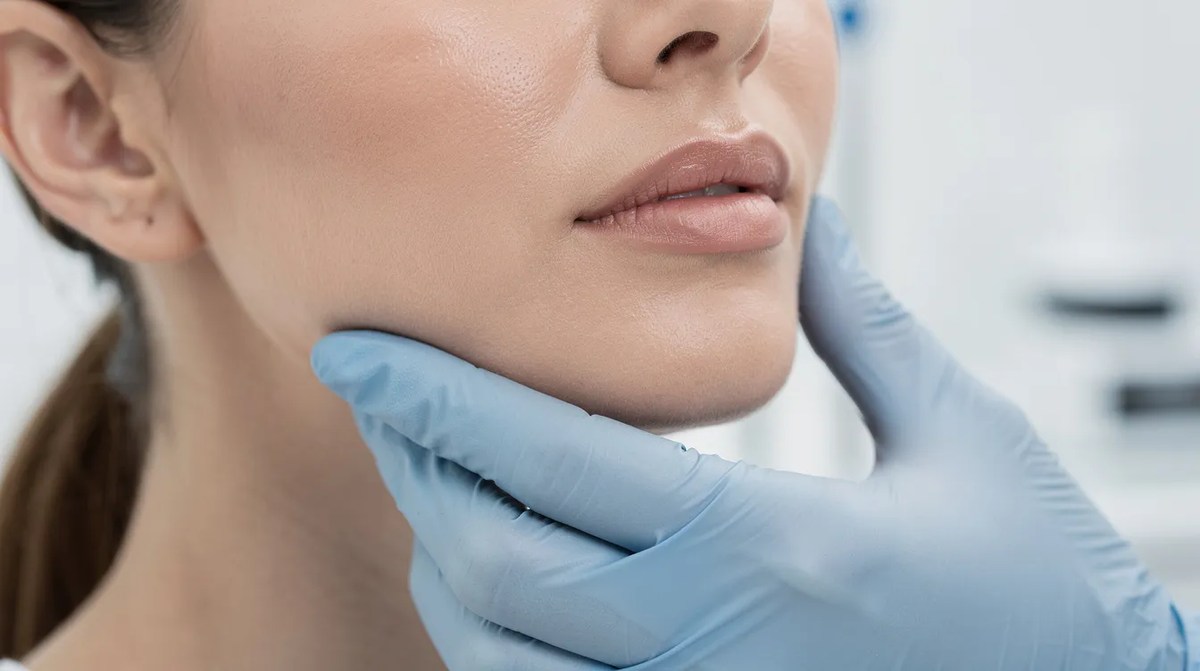
Nasolabial folds are the creases that run from the sides of the nose to the corners of the mouth. They’re commonly called smile lines or laugh lines because they become most visible when you’re expressing emotion. Every adult has them, they’re a normal part of the surgical anatomy of the face created by connections between your skin, muscles like the upper lip elevators and zygomaticus, and the underlying SMAS layer.
The concern isn’t having folds. It’s when they shift from dynamic lines (visible only when smiling) to deep nasolabial folds that remain etched into the facial skin at rest. This typically becomes noticeable between ages 35 and 45, when folds stay visible even when the face is relaxed. Nasolabial folds can appear even when not smiling because they are structural changes in the skin, not just surface wrinkles. They’re distinct from marionette lines, which run from the mouth corners downward toward the chin. Both are among the earliest signs of facial aging, and both respond well to modern non-surgical treatments designed to reduce nasolabial folds without a full facelift.
Why Nasolabial Folds Deepen: Main Causes & Risk Factors
Nasolabial folds don’t deepen because you smiled too much. They’re the result of layered structural changes happening beneath the surface, and a few external factors that accelerate aging well beyond the natural aging process.
Collagen and elastin decline. After about age 30 to 35, your body produces less collagen and elastin. The skin becomes thinner, less elastic, and less able to bounce back from repeated creasing. Aging reduces collagen and elastin production in skin, making facial lines progressively more permanent. Sun exposure accelerates skin aging and collagen breakdown even faster, and environmental factors like smoking accelerate the breakdown of skin collagen fibers and impair skin microcirculation.
Volume loss and sagging skin. Deep fat pads in the mid face, including the deep medial cheek fat, deflate over time. Meanwhile, superficial fat shifts downward due to gravity and weakened ligaments. These creases deepen due to midface fat descent and loss of skin elasticity over time, creating heaviness above the nasolabial fold area. Fat loss in the face can accentuate nasolabial folds dramatically, especially after rapid weight loss or frequent yo-yo dieting. Weight fluctuations can affect the prominence of nasolabial folds by causing skin to sag or retain volume, even in younger adults.
Bone resorption. The maxilla (upper jaw) gradually loses density with age. Bone resorption reduces the structural support of facial tissues as the underlying jaw bones lose density, allowing soft tissue near the zygomatic arch and piriform region to collapse inward.
Repeated expressions and lifestyle. Years of laughing, talking, and smiling create repetitive creasing. Repeated facial movements can lead to permanent wrinkles once the skin loses its ability to snap back. Smoking restricts blood vessels, reducing skin nutrient supply, and accelerates collagen degradation and skin ageing. Prolonged sun exposure from outdoor activities or tanning beds compounds free radical damage. Genetics, skin type, and inherited cheekbone projection also play a key role: some people in Philadelphia and Houston notice deeper folds in their late 20s simply because of inherited facial area anatomy.
At-Home Habits to Help Reduce or Delay Laugh Lines
Home care won’t erase deep wrinkles, but it meaningfully slows progression and extends the life of professional treatments for nasolabial folds.
- Sun protection. Basic preventive measures include daily sunscreen use and good skincare practices to slow formation of nasolabial folds. Apply broad-spectrum SPF 30+ every morning, including around the nose and mouth. Daily sun protection can delay nasolabial fold appearance even in sun-heavy cities like Houston. Avoiding tanning beds eliminates a leading cause of premature sun damage.
- Targeted skincare. Vitamin C serums provide antioxidant defense and support collagen production. Retinoids (tretinoin or retinol) stimulate cell turnover and help the skin look smoother and more youthful. Hyaluronic acid moisturizers plump fine facial lines from the surface. Hydrated skin is more elastic and less prone to folds.
- Lifestyle adjustments. Smoking cessation has an outsized effect on skin quality, stop, and your skin heals and repairs noticeably faster. Prioritize 7 to 8 hours of sleep. Limit alcohol. Manage stress.
- Nutrition. A healthy diet rich in antioxidants, berries, leafy greens, healthy fats, and foods high in vitamin content, helps protect skin health and supports the appearance of the facial skin over time.
- Facial massage and exercises. Gentle upward massage along the nasolabial fold area and controlled “cheek lift” movements may improve circulation and muscle tone. Facial exercises may strengthen muscles and improve fold appearance, though results are modest. These methods are best for prevention and maintenance, more pronounced smile lines or laugh lines usually require professional intervention.
Non-Surgical Treatments to Reduce Nasolabial Folds at MedSpa MD Group
MedSpa MD Group specializes in non-surgical treatment options to reduce laugh lines, restore volume loss, and lift sagging skin with minimal downtime. Common treatment options for nasolabial folds include dermal fillers, skin tightening procedures, and more advanced interventions. Here’s what we offer:
- Dermal fillers. Hyaluronic acid fillers injected into the cheeks and directly along the fold restore lost volume and soften creases immediately. Dermal fillers can last from six months to two years depending on the product and placement. Clinical data shows that advanced HA fillers maintained improvement in over 90% of patients at 18 months. Calcium hydroxylapatite and polylactic acid fillers are also used when longer-lasting structural support is the goal. The best treatment approach depends on fold severity and individual anatomy.
- Botulinum toxin injections. Strategic use of botulinum toxin injections around the nasolabial area can relax overactive muscles when a strong pull contributes to fold depth. Botulinum toxin injections last three to four months and are more commonly used for frown lines, forehead lines, and crow’s feet, but can complement filler for managing smile dynamics.
- Skin tightening procedures. Energy-based treatments like Endolift and radiofrequency stimulate collagen production, firm lax tissue, and gradually reduce fold depth. One clinical study showed Endolift reduced nasolabial wrinkle depth by approximately 27% and increased dermis thickness by 30 to 40%.
- Laser treatments and skin resurfacing. Fractional laser and IPL improve texture, fine lines, and pigmentation in the nasolabial fold area. Ablative laser treatments average $2,809 in the U.S. These are ideal for surface-level concerns and overall facial skin quality rather than deep structural folds.
- Chemical peels and microneedling with PRP. Medium-depth chemical peels (costing between $249 and $2,708) and microneedling combined with platelet-rich plasma boost collagen, refine skin around smile lines, and enhance results from fillers and skin tightening. Microneedling works by creating tiny punctures in the skin, triggering the body’s healing response. Microneedling costs an average of $954 in the U.S.
- Non-surgical facelift approaches. We often combine cheek fillers, skin tightening, and jawline contouring to lift the mid face, improving the appearance of nasolabial folds even without filling the fold directly.
What to Expect: Consultation, Procedure Steps & Recovery
At our Philadelphia, PA and Houston, TX locations, the process is straightforward and designed for busy schedules.
Consultation. A provider evaluates your facial structure, skin quality, fold severity, medical history, and goals. They may recommend a staged plan, cheek filler first for structural support, then nasolabial fold touch-up, plus skin tightening procedures over time. A cosmetic surgeon or experienced injector will assess whether you need volume, lifting, surface improvement, or a combination.
Treatment day (fillers). Photography, numbing cream application, precise injections along the mid face and fold, and symmetry checks. Expect 30 to 60 minutes total. Results are visible immediately, the appearance of nasolabial folds softens right on the table.
Skin tightening or laser sessions. Cleansing, eye protection, controlled energy delivery along cheeks and folds. You’ll feel mild warmth. Sessions are short with little to no downtime.
Recovery. Common side effects include mild redness, swelling, or tenderness. Most clients return to work the same or next day. Avoid vigorous exercise, saunas, and heavy sun exposure for a short period while the skin heals.

Results timeline. Filler results are immediate. Skin tightening and collagen-stimulating effects build over 3 to 6 months. Botox effects last roughly 3 to 4 months. Periodic maintenance keeps results looking natural and consistent. MedSpa MD Group provides transparent pricing and can discuss financing options for multi-step plans.
FAQs About Nasolabial Folds, Smile Lines & Treatment Safety
Are nasolabial folds normal, or do they mean I’m aging too fast?
Nasolabial folds are a completely normal anatomic feature, one of the most noticeable signs of natural aging. However, sun exposure, smoking, and genetics can accelerate aging and make them appear earlier or deeper than expected for your age.
What is the best way to reduce nasolabial folds without surgery?
For most patients, a customized blend of dermal fillers (often placed in the midface to address volume loss), collagen-stimulating skin tightening, and consistent skincare delivers the most natural improvement. There’s no single “best treatment”, it depends on your anatomy and severity of severe nasolabial folds.
Will fillers for smile lines make me look “overdone” or puffy?
When performed conservatively by an experienced injector, fillers subtly soften folds without altering your facial identity. We focus on balanced, natural results, not overcorrection. The goal is a smoother, more youthful appearance, not a different face.
How soon will I see results, and how long do they last?
Filler results are visible immediately. Skin tightening, laser treatments, and microneedling with PRP build over weeks as new collagen forms and elasticity improves. Fillers typically last 9 to 18 months; energy-based treatments maintain results with periodic sessions.
Is there a right age to start treating laugh lines?
Many clients start subtle treatments in their early to mid-30s as prevention, while others begin in their 40s or 50s when folds become static and more noticeable. Timing is personalized, not age-locked.
Are nasolabial fold treatments safe for all skin tones?
Hyaluronic acid fillers and Botox are safe across skin types when administered correctly. Laser treatments and chemical peels must be chosen carefully for deeper skin tones to avoid hyperpigmentation, something our team is specifically trained to manage. Your skin type and Fitzpatrick phototype guide every recommendation.
Why Choose MedSpa MD Group for Nasolabial Fold & Laugh Line Treatment
MedSpa MD Group is a physician-led, non-surgical medspa with locations in Philadelphia, PA and Houston, TX. We specialize in facial fillers, non-surgical facelifts, Endolift, Botox, and collagen-stimulating treatments specifically designed to address the appearance of nasolabial folds and sagging midface skin.
We don’t simply “fill the line.” We assess cheek volume, jawline contour, and overall facial harmony to choose the safest, most effective combination. Our providers have specialized experience with diverse facial anatomies and skin types, and our approach ensures a youthful, balanced result rather than an obviously treated look. Transparent pricing, efficient scheduling for busy professionals and fly-in clients, and honest conversations about what is, and isn’t, possible are standard at every visit. Our patient satisfaction and word-of-mouth referrals from clients who wanted smoother smile lines without looking “done” speak for themselves.
Next Steps: Book Your Nasolabial Fold Consultation
Nasolabial folds and laugh lines are normal, but you don’t have to accept lines that make you look more tired or older than you feel. If you notice deepening smile lines or laugh lines, sagging skin around the nose and mouth, or you’re simply unhappy with how your profile photos look, a personalized consultation is your first step.
Call our Philadelphia or Houston offices, request an appointment online, or book a virtual consult to review your options before traveling. There’s no obligation, our goal is to educate, answer your questions about fillers, Botox, Endolift, laser treatments, and peels, and help you decide what feels right. Because how you look on the outside should match how youthful and confident you feel on the inside.