IPL (intense pulsed light) is a non-surgical skin treatment that targets sun damage, redness, and pigmentation. MedSpa MD Group offers IPL therapy at locations in Philadelphia and Houston.
Table of Contents
- What is IPL treatment?
- How IPL works on the skin
- Skin conditions IPL can treat
- IPL vs laser treatment
- Who is (and isn’t) a good candidate?
- What to expect before, during & after IPL
- Risks, side effects & downtime
- Results, maintenance & realistic expectations
- Frequently asked questions about IPL therapy
- Why choose MedSpa MD Group for IPL in Philadelphia & Houston?
- How to book an IPL consultation
What Is IPL Treatment? (Intense Pulsed Light in Plain English)
IPL treatment is a non-invasive cosmetic procedure that uses intense pulsed light technology to reduce pigmentation, redness, and visible signs of photoaging without surgery or prolonged recovery. The device delivers broad-spectrum light energy through the skin’s top layer, where it breaks down excess melanin and shrinks tiny blood vessels. The terms “intense pulsed light,” “intense pulsed light IPL,” “IPL therapy,” and “IPL treatment” all describe the same core technology. When applied to the face, the procedure is often called a “photofacial,” though the same approach works on the neck, chest, and hands.
IPL therapy was developed in 1992 to treat leg telangiectasias and has since expanded into one of the most requested cosmetic dermatology procedures for skin rejuvenation. It is FDA-approved for treating telangiectasias and rosacea. Compared to microneedling with PRP, chemical peels, or Botox, IPL is specifically built for color-based skin issues: brown spots, redness, and uneven tone.
A Philadelphia patient who commutes outdoors and accumulates sun spots over years of exposure, or a Houston client dealing with persistent redness from year-round heat and UV, can use IPL as a targeted skin treatment with minimal time away from work. This article covers how IPL works, who it treats best, and what the process looks like at MedSpa MD Group.
How Does Intense Pulsed Light (IPL) Actually Work?
An IPL device emits intense light pulses across a broad spectrum of 400 to 1400 nm. Filters block shorter UV wavelengths and allow the provider to select specific bands that match the target: melanin (pigment) or hemoglobin (blood in small vessels). Unlike lasers, which use a single wavelength, IPL fires multiple wavelengths in each pulse, covering a broader area and addressing several skin concerns simultaneously.
The mechanism behind IPL is selective photothermolysis. When light pulses hit the skin, pigment cells and tiny blood vessels absorb that light energy, convert it to heat, and break apart. IPL selectively damages unwanted pigment cells and blood vessels while leaving surrounding tissue intact. Over the following days to weeks, your body clears the debris through normal skin cell turnover.
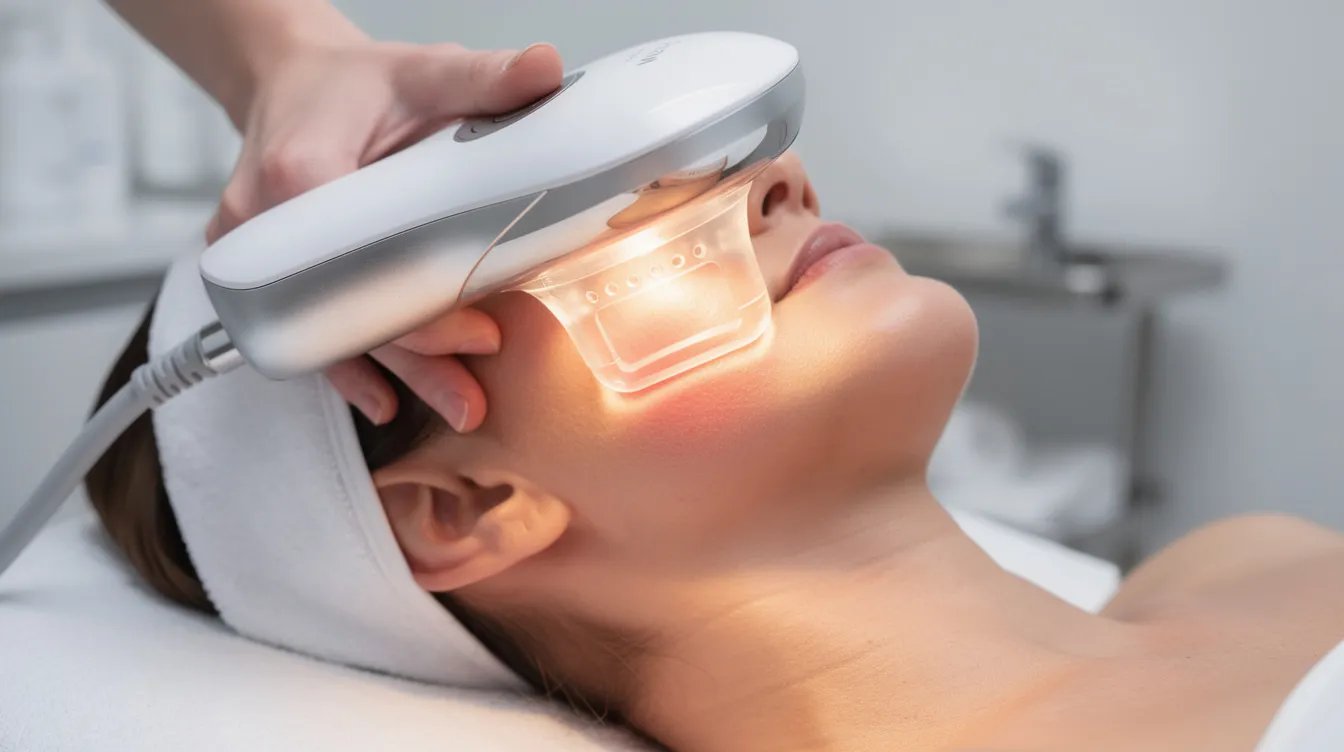
IPL also stimulates a modest increase in collagen production over a series of treatments, which can soften fine lines and improve skin texture. This effect is real but moderate; IPL is not a substitute for deep resurfacing or a full non-surgical facelift. Modern IPL machines allow providers to adjust wavelength filters, pulse duration, spot size, and fluence (IPL can deliver fluences up to 40 J/cm² for treatment). At MedSpa MD Group, these settings are customized to each patient’s skin type and concern.
A practical example: a sun spot on your cheek absorbs the light, darkens to a coffee-like color over 2 to 3 days, then flakes or fades over 7 to 14 days, revealing clearer skin beneath.
What Skin Conditions & Concerns Can IPL Treat?
IPL treatment is best understood as a “tone and clarity” tool. It excels at correcting color-related skin concerns rather than deep structural issues like wrinkles or sagging.
Here is what IPL addresses:
- Age spots, sun spots, and freckles redness. IPL can treat sun damage, freckles, broken capillaries, and uneven skin texture caused by cumulative UV exposure on the face, neck, chest, shoulders, and hands. It treats melasma and lentigines effectively.
- Hyperpigmentation and uneven tone. Post-inflammatory marks from acne, hormonal pigment shifts, and general sun damage respond well. IPL can treat sun damage and hyperpigmentation effectively across the treatment area.
- Redness and vascular concerns. Broken capillaries, telangiectasias, rosacea-related flushing, and even port-wine stains and hemangiomas fall within IPL’s range. IPL is beneficial for treating age spots, rosacea, and fine lines.
- Acne and post-acne discoloration. IPL effectively addresses acne vulgaris and scarring by reducing redness and bacterial load, though it is not a cure for active acne in every case. Patients with deep acne scars may need microneedling with PRP or laser therapy for texture improvement.
- Photoaging. IPL can reduce signs of photoaging and facial wrinkles, clearing dullness and mottled pigmentation so that other treatments and skincare perform better on a more even canvas.
- Hair removal. High-intensity pulses in IPL disrupt hair follicle growth cycles, making it useful for removing unwanted hair and dark hair. The treatment is less effective on lighter hair colors due to lower melanin content.
- Beyond skin. IPL is also used for treating chronic meibomian gland dysfunction and reducing dry eye, an application growing in ophthalmology.
IPL does not erase deep scars, stretch marks, or prominent wrinkles. For those skin issues, MedSpa MD Group may recommend Endolift, fillers, or microneedling with PRP, sometimes in combination with IPL. Houston clients dealing with redness from heat and vascular dilation, and Philadelphia clients with accumulated brown spots from outdoor sports and summer shore trips, both find IPL well-suited to their specific skin conditions.
IPL vs Laser Treatment: What’s the Difference and Which Do You Need?
Many patients confuse intense pulsed light therapy with laser treatment. They are distinct tools in cosmetic dermatology.
| Feature | IPL | Laser |
|---|---|---|
| Light type | Broad-spectrum, multiple wavelengths | Single wavelength, coherent beam |
| Best for | Diffuse redness, scattered dark spots, overall tone | Specific targets: deep vessels, tattoos, resurfacing |
| Downtime | Minimal; slight redness for a few hours to days | Varies; ablative lasers may need days of recovery |
| Coverage | Larger spot size, treats broader areas faster | Focused beam, precise but slower per area |
Unlike lasers, IPL uses an intense pulsed light source that spreads energy across a broader spectrum, which is why a single IPL session can address both pigmented areas and vascular redness at once. Laser therapy uses a concentrated beam that penetrates deeper into one specific target.
At MedSpa MD Group, IPL is often paired with other non-surgical treatments. A patient with scattered sun spots and redness starts with IPL for color correction, then adds microneedling with PRP for texture. A patient with deep acne scars or heavy textural damage may skip IPL entirely and go straight to laser treatment or Endolift. During consultation, providers recommend the cosmetic procedure that fits the actual problem rather than defaulting to one modality for every skin concern.
Who Is a Good Candidate for IPL Treatment, and Who Should Avoid It?
IPL is most effective for lighter skin tones. The ideal candidate is a healthy adult with a stable skin tone (typically Fitzpatrick I through III, sometimes IV with caution) who wants to address sun damage, redness, or mild pigmentation with little downtime.
Strong candidates share these traits:
- No recent tanning, sunburn, or use of tanning beds or self-tanners within the past 2 to 4 weeks; no recently tanned skin.
- Realistic expectations: visible improvement builds over a series of sessions, not overnight.
- Willingness to use daily sun protection and follow aftercare instructions.
IPL treatment is not appropriate or must be used cautiously in these cases:
- Darker skin tones where higher melanin concentration raises the risk of burns, hyperpigmentation, or hypopigmentation. A provider experienced with darker skin tones may recommend alternative skin treatments instead.
- Pregnancy or breastfeeding women, uncontrolled medical conditions, or active skin infections.
- History of keloid scarring, very recent use of photosensitizing medications, or isotretinoin use within the past 6 to 12 months.
- Patients with visible damage from very recent chemical peels or aggressive actives.
MedSpa MD Group providers may suggest gentle chemical peels, microneedling with PRP, or customized skincare for patients who fall outside the safe range for intense pulsed light. A thorough consultation, including medical history, current medications, and Fitzpatrick skin-type assessment by a physician assistant or physician, is required before approving IPL therapy.
What to Expect: Before, During & After Your IPL Session
IPL treatments typically require 3 to 6 sessions spaced a month apart. Each appointment runs 20 to 45 minutes depending on the treatment area.
Before your first IPL treatment:
- Consultation at MedSpa MD Group in Philadelphia or Houston to review goals, skin history, and medications. Baseline photos are taken.
- Pre-treatment instructions include avoiding sun exposure, tanning beds, and strong actives like retinoids and exfoliating acids for at least one to two weeks. Patients should avoid sun exposure before IPL treatment.
- Arrive on treatment day with clean skin and no makeup. Your provider may ask you to pause certain medications or skincare products.
During the IPL treatment:
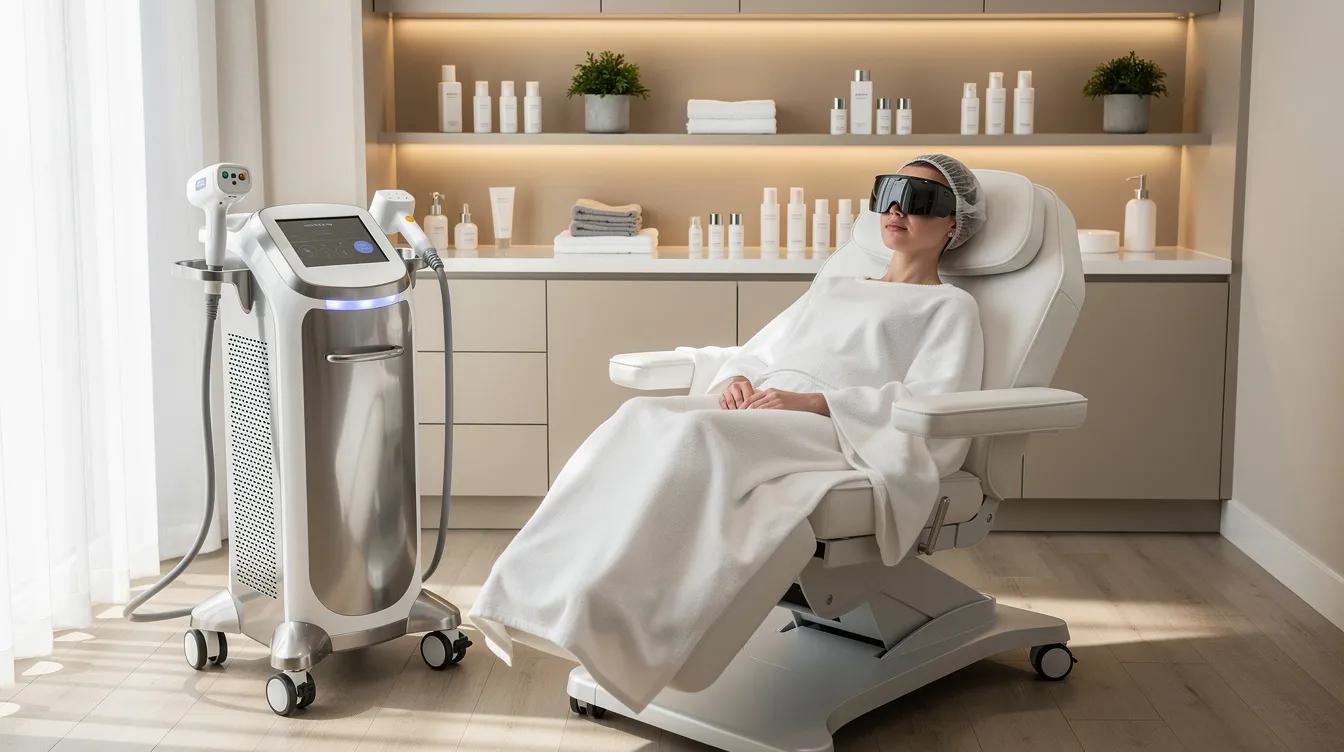
- The provider cleanses the treatment area, then applies cold gel (also called cooling gel) to improve comfort and help light penetrate the skin evenly.
- Protective eyewear is placed on both patient and provider. Eye protection is critical during IPL treatment.
- The IPL machine delivers light pulses that feel like quick rubber band snaps with brief warmth. Many patients describe the sensation as mild discomfort or mild pain rather than anything sharp. Face alone takes about 20 to 30 minutes; face, neck, and chest run longer.
- A topical numbing cream is available for sensitive patients. Providers adjust the IPL device settings for comfort and safety throughout the session.
Immediately after and the first few days:
- Recovery from IPL typically involves minimal redness and swelling, similar to a light sunburn. Pigmented areas (dark spots, brown spots) may darken before they flake or fade over the next 7 to 14 days.
- Basic aftercare: ice packs or cool compresses if needed, gentle cleanser, fragrance-free moisturizers, and strict sunscreen with SPF 30 or higher. Sunscreen with SPF 30 is essential after IPL treatment. Avoid hot saunas, intense workouts, or direct sun for a few days.
- Avoiding sun exposure after each IPL session protects results and reduces the chance of rebound pigmentation.
Most clients return to work or normal activities right away, which is why IPL is popular with busy professionals who need noticeable results without visible damage or extended downtime.
Risks, Side Effects & How to Stay Safe with IPL Therapy
IPL is generally safe when performed by trained medical providers. It is still real energy applied to the skin and requires respect.
Common, expected side effects:
- Temporary slight redness, warmth, and mild swelling. Common side effects include redness lasting 1 to 3 days. Patients may experience redness lasting from an hour to a few days depending on energy settings and skin sensitivity.
- Darkening of treated pigmented areas before they lighten or flake.
- A sunburn-like feeling for 24 to 48 hours.
Less common but real risks:
- Blistering, crusting, or burns if energy is too high or the patient has recently tanned. Higher fluences increase the likelihood of side effects. Side effects may include edema, crusting, and scarring in rare cases.
- Temporary hyperpigmentation or hypopigmentation, especially in darker or tanned skin.
- IPL can induce herpes simplex virus outbreaks in susceptible individuals; patients with a history of cold sores should inform their provider before the first IPL session.
- Paradoxical hypertrichosis may occur in darker skin types, meaning hair growth can increase in the treated area.
- Very rare scarring or infection if aftercare is ignored or skin is picked at.
How MedSpa MD Group minimizes risk:
- Careful skin-typing and test spots when appropriate.
- Conservative initial settings, especially for first-time patients or those closer to Fitzpatrick IV.
- Clear written and verbal aftercare instructions, with direct contact options if patients notice anything concerning.
Call the clinic if you experience severe pain, spreading blisters, or signs of infection. Mild redness and darkening of spots is normal and expected in the first few weeks after treatment.
Results, Timeline & Maintaining Your IPL Photofacial Improvements
IPL typically requires 3 to 6 treatments for optimal results. Over that course, patients see brighter, more even skin tone; reduction in dark spots and redness; and softer appearance of fine vessels and flushing. Results improve with each IPL session over time because collagen remodeling and pigment clearance are cumulative processes.
Most people notice visible change after the first or second treatment. Full impact is best assessed 2 to 4 weeks after the final session. Patients who need more treatments for extensive sun damage or rosacea-related redness may complete 6 or more sessions and add occasional touch-ups.
How long results last depends on sun exposure, genetics, and skincare habits. Many patients schedule maintenance treatments once or twice per year, often timed before or after peak summer sun. A patient who wears daily SPF and avoids prolonged sun keeps their results for well over a year. A patient who skips sunscreen and spends weekends at the shore without protection may see pigment return within a few months, requiring more treatments.
IPL pairs well with other MedSpa MD Group services for a rejuvenated appearance that goes beyond color correction. Combining IPL with Botox for expression lines, fillers for volume, or microneedling with PRP for skin texture creates a comprehensive plan. Stimulating collagen production through multiple modalities compounds the benefit of each individual treatment.
Frequently Asked Questions About IPL Treatment
These are questions MedSpa MD Group hears regularly from patients in Philadelphia, Houston, and fly-in visitors considering intense pulsed light therapy.
Does IPL treatment hurt?
Most patients compare the sensation to a rubber band snapping against the skin, followed by brief warmth. Cold gel and optional numbing cream reduce the feeling for sensitive areas. Each pulse takes a fraction of a second, and a full-face IPL session lasts about 20 to 30 minutes. The mild pain is tolerable for many patients without any numbing at all.
How many IPL treatments will I need?
Plastic surgeons and cosmetic dermatology providers generally recommend 3 to 5 sessions for pigment and redness concerns, with more treatments for severe sun damage or hair removal. Spacing between sessions (typically 3 to 4 weeks) allows skin cells to clear damaged pigment and for your provider to assess progress. Desired results depend on severity, skin type, and lifestyle.
Is IPL safe for darker skin tones?
IPL is safest and most predictable on lighter skin tones. Darker skin tones carry higher risk of pigment changes, burns, and paradoxical effects because the IPL device cannot always distinguish between the target pigment and the patient’s natural melanin. MedSpa MD Group evaluates Fitzpatrick type during consultation and may recommend alternative treatments like gentle chemical peels, microneedling, or specific laser therapy when IPL is not the safest option.
What’s the difference between an IPL photofacial and a regular facial?
A spa facial is topical and relaxing. An IPL photofacial is a medical-grade, energy-based skin treatment performed with an IPL machine that changes the skin at a cellular level. IPL works by delivering calibrated light pulses to break apart pigment and constrict blood vessels. It requires professional evaluation, protective eyewear, and medical-grade aftercare protocols. A regular facial cannot treat brown spots or broken capillaries.
Can I do IPL if I’m using retinoids or other active skincare?
Pause retinoids, strong acids, and certain brightening agents for at least 5 to 7 days before and after your IPL session. Bring a list of all products and medications to your consultation so your provider can give personalized instructions. Continuing strong actives too close to treatment increases the risk of irritation and pigment changes.
How much does IPL treatment cost and is financing available?
At MedSpa MD Group, a single face-only IPL session typically ranges from $300 to $700. A 3-session series runs approximately $800 to $1,800, and 5-session packages for face and neck can reach $1,200 to $3,000 depending on treatment area and device used. Financing and payment plans are available for larger treatment plans, especially when combining IPL with other services.
Can IPL be combined with Botox, fillers, or other treatments on the same day?
IPL is typically performed first or on a separate day from injectable treatments to minimize inflammation in the treatment area. The team at MedSpa MD Group plans combined procedures to fit efficient schedules for out-of-town and busy clients, often sequencing a versatile treatment plan across a few weeks for the best outcome.
Why Choose MedSpa MD Group for IPL Treatment in Philadelphia & Houston?
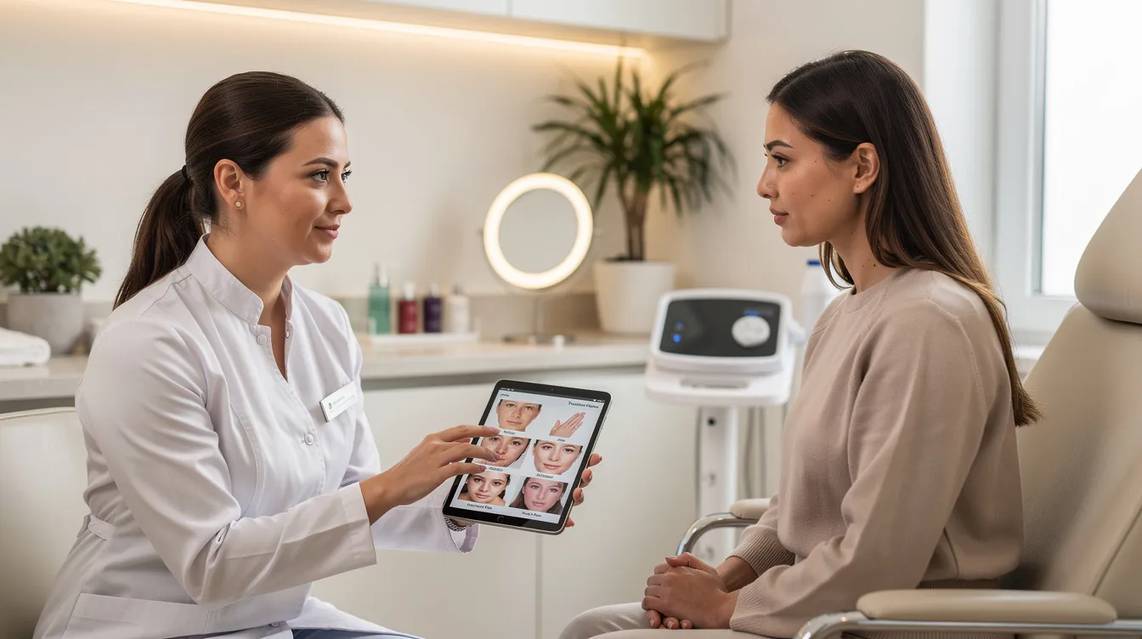
MedSpa MD Group specializes in non-surgical aesthetic medicine, including IPL photofacials, with locations in Philadelphia, PA and Houston, TX serving both local and fly-in clients.
What sets the practice apart:
- Physician-led protocols. Every intense pulsed light therapy session is performed or supervised by medically trained providers who evaluate Fitzpatrick skin type, medication history, and treatment goals before a single pulse is fired.
- Modern IPL devices with advanced cooling. Equipment selection matters. MedSpa MD Group uses IPL systems with customized filters and active cooling to maximize results while prioritizing safety across a range of skin types.
- Integrated treatment planning. IPL fits into broader plans that can include body contouring, Endolift, non-surgical facelifts, Botox, fillers, microneedling with PRP, and medical weight loss. Providers build a plan that addresses color, texture, and volume together.
- Transparent pricing and scheduling. Package options and clear session counts let patients understand their investment before the first appointment. Scheduling accommodates busy professionals and fly-in patients who need efficient treatment timelines.
A typical IPL journey at MedSpa MD Group: a three-session photofacial series spaced a month apart, paired with updated skincare recommendations and a follow-up photo comparison after the final session. The provider adjusts settings between sessions based on how the skin responds, and the patient receives direct contact information for any questions between visits.
Ready to See If IPL Is Right for You? How to Book a Consultation
If age spots, sun damage, persistent redness, or dullness affect how you feel about your skin, an intense pulsed light treatment plan may be the right next step. IPL is a cosmetic procedure that fits into a busy lifestyle and supports natural-looking, long-term skin health when combined with daily sun protection.
Here is how to get started:
- Visit the MedSpa MD Group website to request an IPL consultation or combined skin rejuvenation consult.
- Call the Philadelphia or Houston office directly to schedule.
- Ask about virtual pre-consultations if you are an out-of-town patient planning fly-in IPL and other non-surgical treatments.
The consultation is focused on education and safety. Providers evaluate the skin, review medical history, and recommend either IPL or a better-fit alternative. No one-size-fits-all approach; just a clear, honest assessment of what will work for your skin concerns, your schedule, and your goals.