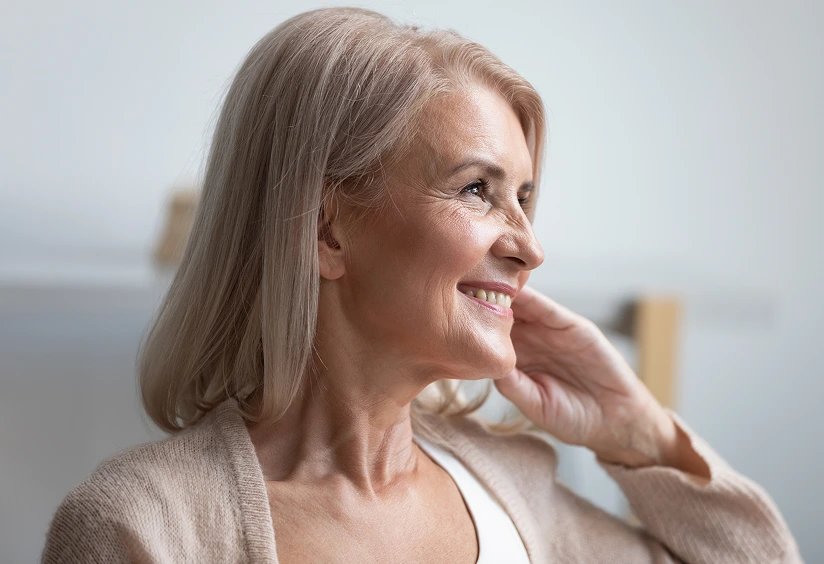
If acne scars, sun damage, fine lines, wrinkles, discoloration, or rough texture make your skin look older than you feel, laser skin resurfacing may help refresh your skin’s appearance without surgery.
In 2026, laser skin resurfacing Philadelphia patients often want visible change with less interruption to work, family, and events. Modern fractional laser platforms and updated CO2 laser technology can treat damaged skin more precisely than older full-field methods.
This article explains treatment options, recovery, how many treatments you may need, and laser skin resurfacing FAQs for Philadelphia patients.
Key benefits include:
- Smoother skin texture and more even skin tone
- Improvement in acne scars, sun damaged skin, and skin discoloration
- Options for minimal downtime or deeper resurfacing
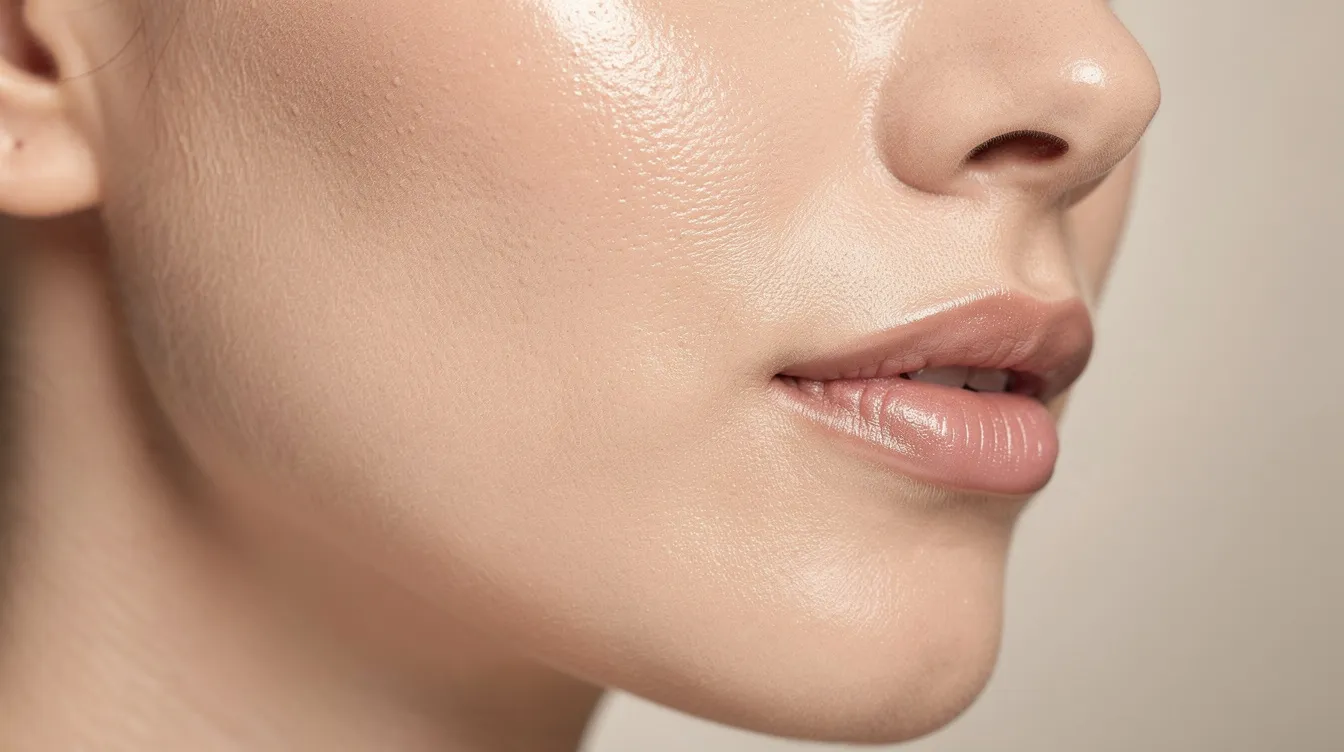
- Long-term collagen growth and brighter skin
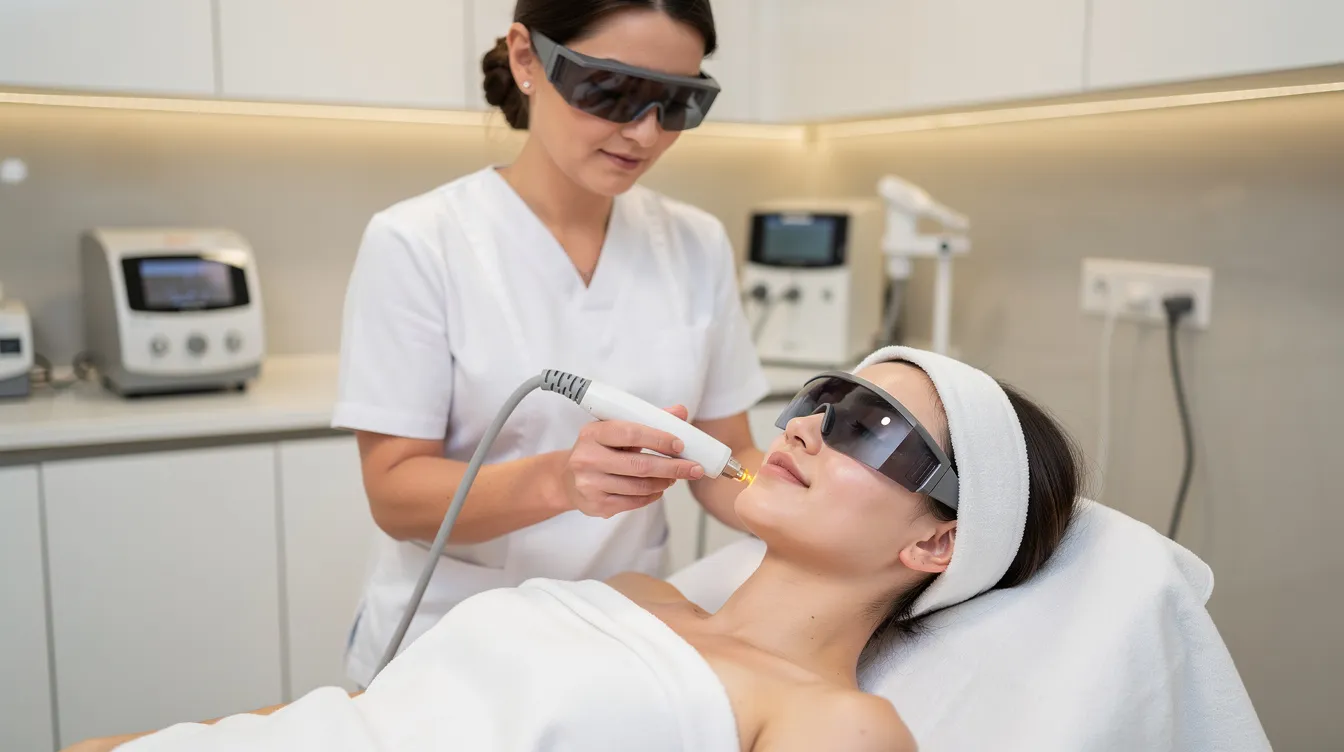
Table of Contents
- What Issues Can Laser Skin Resurfacing Treat in Philadelphia?
- Types of Laser Skin Resurfacing Available
- What to Expect: Consultation and Your First Session
- Recovery, Downtime, and Results
- Who Is a Good Candidate in Philadelphia?
- Chemical Peels vs Laser Skin Resurfacing
- Why Choose Our Philadelphia Practice for Laser Skin Resurfacing
- Laser Skin Resurfacing FAQs in Philadelphia
What Issues Can Laser Skin Resurfacing Treat in Philadelphia?
Laser skin addresses cosmetic skin concerns and some medical skin conditions common in the Mid-Atlantic, where sun exposure, humidity, and seasonal dryness can worsen uneven pigmentation and texture.
- Acne scars, including rolling and boxcar scars
- Surgical scars, including scars after reconstructive procedures
- Fine lines, deeper wrinkles, and early skin laxity
- Enlarged pores, skin imperfections, and rough texture
- Sun spots, age spots, sun damage, and uneven skin tone
- Melasma, with caution and conservative settings
- Redness, broken capillaries, and inflammation
- Actinic keratoses when medically appropriate
Ablative lasers and fractional laser options can improve photoaging and scars, though deeper wrinkles or scars may need treatment sessions over time. Common areas include the face, neck, chest, and hands.
How Laser Skin Resurfacing Treatment Works
- Laser energy uses focused light pulses to target water, pigment, or blood vessels in the skin.
- An ablative laser removes damaged outer layers and stimulates collagen production, often creating more dramatic change but more downtime.
- Non ablative lasers heat deeper tissue while preserving the skin’s surface, so the surrounding skin helps speed repair.
- Fractional laser resurfacing treats tiny columns instead of the entire area, improving skin texture while reducing thermal injury.
- Modern laser technology uses computer-guided settings so each laser device can be adjusted for skin type, depth, and goals.
- Partial-face laser resurfacing may take 15–30 minutes; full-face skin resurfacing can take up to about an hour.
- Collagen remodeling continues for 3–6 months, so skin tightening, collagen production, and smoothing develop gradually.
Types of Laser Skin Resurfacing Available
Not all skincare treatments use the same technology. The right laser treatment depends on your skin concerns, skin type, schedule, and tolerance for downtime.
Ablative lasers, such as CO2 and Er:YAG lasers, remove the outer layers of skin and stimulate collagen production, resulting in more dramatic improvements but with longer recovery times. CO2 laser resurfacing is considered the gold standard for non-surgical skin rejuvenation, effectively treating wrinkles, sun damage, age spots, and acne scars. A co2 laser works by stimulating deep collagen remodeling while resurfacing damaged skin layers, resulting in improved skin texture, tone, and overall quality.
Erbium lasers provide a gentler ablative option targeting moderate fine lines and pigmentation with fewer side effects than CO2 lasers. Popular in-office laser resurfacing options include CO₂ for deep wrinkles and scarring, and Erbium or Fraxel for lighter issues.
Non-ablative lasers, like pulsed dye lasers and Nd:YAG lasers, work by heating the underlying skin without damaging the surface, leading to less downtime and fewer side effects. intense pulsed light targets redness, broken capillaries, and brown spots without damaging the skin surface; it is not the same as unwanted hair removal.
Fractional lasers can be either ablative or non-ablative and treat the skin in a pattern of tiny dots, allowing for quicker healing and reduced side effects compared to traditional lasers. CoolPeel is a type of fractional CO2 laser treatment that targets the superficial layer of skin, providing effective results with minimal downtime. Laser peels are a gentler form of laser resurfacing that remove the top layer of skin to improve texture and stimulate collagen production, typically associated with minimal downtime.
What to Expect: Consultation and Your First Session
Your laser skin resurfacing treatment starts with an in-person evaluation, not a one-size-fits-all package. The goal is a personalized treatment plan that matches your skin issues and recovery window.
- Review acne scars, wrinkles, pigmentation, sensitive skin, and previous procedures.
- Assess Fitzpatrick skin type, medications, cold sore history, and factors that affect healing.
- Discuss cost; laser resurfacing varies based on treatment type, area size, and number of sessions required.
- Pricing for laser resurfacing treatments can differ significantly, with consultations typically used to determine the specific cost based on individual treatment plans.
- Patients can expect costs to be influenced by the depth of resurfacing and the specific goals of the treatment, which are assessed during a consultation.
- On procedure day, topical anesthetic or numbing cream is applied, eye protection is placed, and laser passes are made across treatment zones.
- Cooling, ointment, and written aftercare help support optimal healing.
- This is usually an outpatient procedure; you may need a driver if oral sedation is used.
Recovery, Downtime, and Results
Recovery time after laser skin resurfacing varies depending on the type of procedure; ablative lasers typically require several weeks for full recovery, while non-ablative treatments have shorter recovery times. Ablative lasers generally require a longer recovery period compared to non-ablative treatments, which have minimal to no downtime.
- First 24–48 hours: most patients notice redness, swelling, warmth, and a sunburn-like sensation.
- Post-treatment, patients may feel a mild sunburn sensation for about an hour, with lighter skin tones appearing pink for three to five days and mild swelling lasting two to three days after non-ablative treatments.
- Non-ablative treatments typically result in minor pinkness and swelling that resolves within a few days.
- Days 3–7: peeling, bronzing, crusting, and temporary rough texture may occur as the skin heals.
- Ablative treatments result in extensive healing taking up to two weeks, and most patients can expect several days to one to two weeks of downtime after laser skin resurfacing.
- After ablative laser treatments, patients may experience ongoing redness, inflammation, and a rough skin texture, with full healing taking about three months.
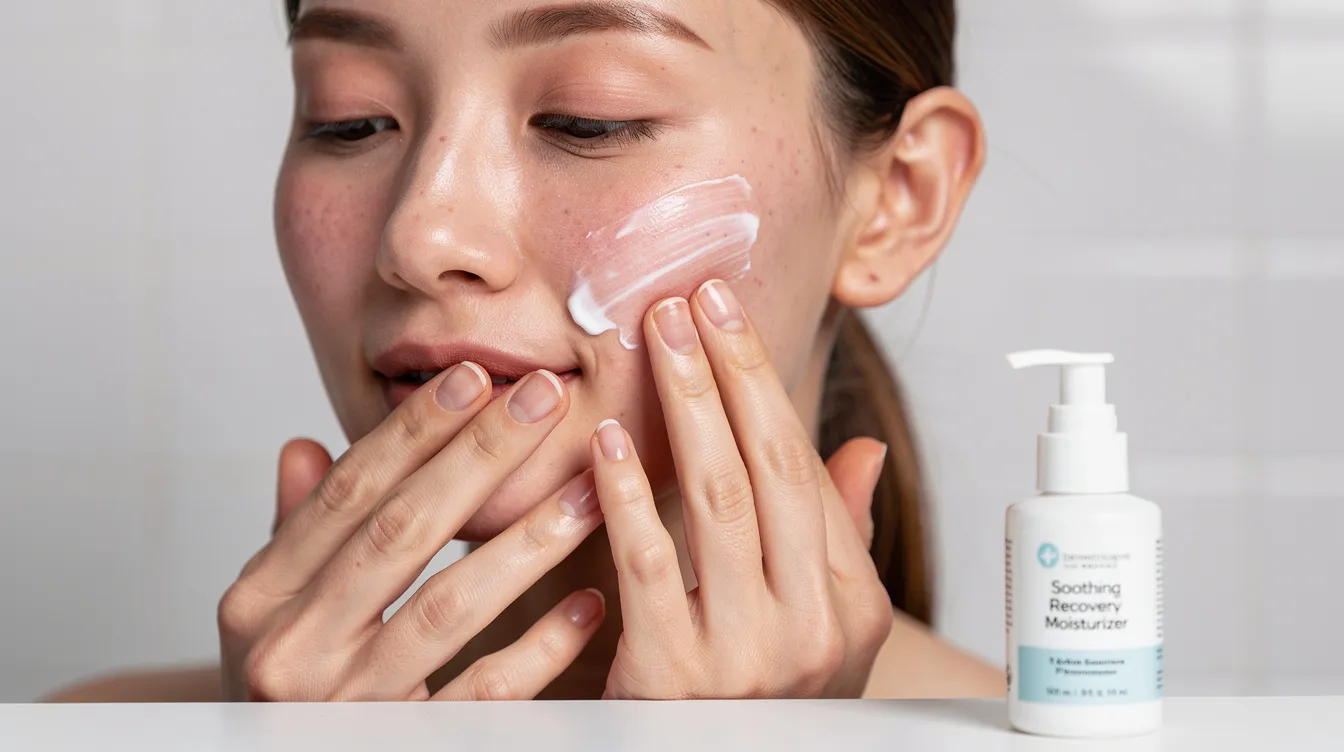
- Keep skin moisturized, cleanse gently, avoid picking, pause retinoids, avoid sun exposure, and use SPF 30–50.
- Results of laser skin resurfacing can take several weeks to months to fully appear as new collagen remodels the skin structure.
- Initial improvements from CO2 laser resurfacing are typically noticeable once healing is complete, with continued enhancement over 3 to 6 months as collagen remodeling occurs.
- Expect improvement, not perfection; deep scars and wrinkles soften rather than vanish.
Who Is a Good Candidate in Philadelphia?
Good candidates want a non surgical procedure for skin rejuvenation, healthier looking skin, and a more youthful appearance without a facelift.
- Patients are often in their 30s–70s, but damaged skin matters more than age.
- Providers evaluate breakouts, infections, smoking, recent isotretinoin, pregnancy, autoimmune disease, cold sores, and wound healing.
- Darker skin tones are more prone to hyperpigmentation and hypopigmentation after laser treatments, necessitating careful evaluation and conservative settings.
- Fitzpatrick IV–VI skin may do better with staged fractional or non-ablative settings.
- Recent chemical peels, active infection, or poor healing may delay care.
- A cautious plan protects healthy skin while improving skin conditions.
Chemical Peels vs Laser Skin Resurfacing
Chemical peels and lasers both resurface skin, but they work differently. Peels use a chemical solution; laser skin treatments use controlled light energy.
- Lasers allow more precise depth control than many peels.
- Chemical peels may suit superficial sun damage, dullness, and maintenance.
- Ablative laser resurfacing and ablative fractional laser resurfacing are usually stronger for deeper scars, wrinkles, and damaged skin.
- Some Philadelphia patients combine peels, laser peels, and other skincare treatments over time.
- The best choice depends on skin type, skin concerns, downtime, and goals.
How Many Treatments Will You Need?
- One strong ablative session may be enough for selected patients.
- Lighter Fraxel-style, Erbium, or non-ablative plans often need 3–6 sessions spaced 4–8 weeks apart.
- Melasma, redness, diffuse sun damage, and skin discoloration usually require gentler treatment sessions plus maintenance.
- Maintenance every 12–24 months can help preserve results.
- Example: moderate acne scars may need 3–4 fractional sessions, especially when improving skin texture is the main goal.
- If you are asking how many treatments are right for you, the answer depends on your consultation, not a universal number.
Laser Skin Resurfacing FAQs in Philadelphia
These answers are general. Your safest recommendation comes after an in-person evaluation.
Can laser resurfacing tighten skin?
Yes. Laser resurfacing can provide mild to moderate skin tightening because heat stimulates collagen production and collagen growth, especially with fractional CO2 and other ablative laser treatments.
It will not replace a surgical lift, but it can reduce fine lines, soften early laxity, and improve firmness over several months.
Can laser resurfacing treat acne scars?
Yes. Acne scars are one of the most common reasons people choose laser skin resurfacing treatment in Philadelphia.
Fractional and CO2 options remodel collagen to reduce scar depth; many patients see 30–70% visible improvement, though ice-pick scars may need combination care.
How many sessions are needed for best results?
A stronger ablative treatment may require one session, while non-ablative or lighter fractional plans often require 3–6 sessions.
Treatments are usually spaced 4–8 weeks apart so the healing process and collagen response can progress.
Is laser resurfacing safe for sensitive or darker skin?
Often, yes, but settings must be conservative. Sensitive skin may need staged care, and darker skin tones have higher risk of pigment changes.
Patch testing, pigment-control skincare, and careful device selection reduce risk.
What risks are unique to laser resurfacing compared to other resurfacing methods?
Potential risks of laser resurfacing include prolonged redness, swelling, infection, scarring, and pigment changes such as hyperpigmentation or hypopigmentation.
Ablative lasers carry a higher chance of post-treatment oozing, extended downtime, and rare delayed healing compared to non-ablative lasers.
Is numbing cream enough for pain control?
For many lighter fractional treatments, numbing cream is enough. Deeper ablative sessions may require nerve blocks, oral medication, or stronger anesthesia.
Expect stinging, heat, and a sunburn sensation that improves after treatment.
Why Choose Our Philadelphia Practice for Laser Skin Resurfacing
Our Philadelphia practice focuses on laser skin care that is measured, safe, and customized. Instead of chasing one cutting edge treatment for everyone, we match the laser device, settings, and recovery plan to your skin type, schedule, and goals.
Patients value our experience with ablative lasers, fractional lasers, skin rejuvenation, and complementary care such as medical skincare programs. For example, a patient with sun damage before a milestone event may start with lighter resurfacing and proper skincare, while a patient with acne scars may plan deeper sessions in cooler months.
Scheduling Your Laser Skin Resurfacing in Philadelphia
The next step is a consultation to confirm candidacy and design your personalized treatment plan. Fall and winter 2026 are ideal for larger resurfacing treatments because Pennsylvania sun exposure is lower.
Call, fill out the online form, or request an appointment early if you are planning around a wedding, reunion, or multi-session acne scar plan.