
Table of Contents
- Endolift vs Facelift: Quick Answer for 2026
- What Is Endolift and How It Works in 2026
- What Is a Traditional Surgical Facelift?
- Endolift vs Facelift: Key Differences You Need to Know
- Who Is a Good Candidate for Endolift vs Facelift?
- Recovery Process, Risks, and Longevity: Endolift vs Surgical Facelift
- Why Choose MedSpa MD Group for Endolift & Non-Surgical Facelifts
- FAQs: Endolift vs Facelift at MedSpa MD Group
- How to Take the Next Step
If you are noticing early jowling in photos or a softer neck profile, the question of Endolift vs facelift probably keeps coming up in your research. One is a minimally invasive laser treatment performed in a treatment room. The other is a full surgical procedure in an operating room. This guide breaks down the real differences so you can make an informed decision based on your skin condition, goals, and lifestyle.
If you’re comparing procedures locally, our guide to endolift near me explains why it’s considered minimally invasive.
If you’re comparing procedures, our guide to face tightening explains why it’s considered minimally invasive.
If you’re comparing options, our guide to Endolift near you explains what sets the treatment apart.
Endolift vs Facelift: Quick Answer for 2026
Here is the direct comparison. Endolift is a minimally invasive procedure that uses laser technology to tighten skin, stimulate collagen production, and reduce localized fat beneath the skin with minimal downtime. A surgical facelift is an operating-room procedure where the surgeon makes incisions around the ears to lift deeper tissues, reposition connective tissue, and remove excess skin for dramatic results lasting 7 to 10 years.
| Factor | Endolift | Surgical Facelift |
|---|---|---|
| Invasiveness | Minimally invasive, no surgical incisions | Full surgery with surgical incisions |
| Ideal Laxity | Mild to moderate skin laxity | Advanced laxity, significant excess skin |
| Recovery | 24–72 hours; normal activities within a week | 2–4 weeks visible recovery; months for full healing |
| Longevity | 1–3 years typical; up to 5 with care | 7–10 years; deep plane may reach 8–12 years |
| Typical Age | 30–60 | 45+ |
MedSpa MD Group in Philadelphia and Houston specializes in Endolift and non-surgical facelift strategies, and our providers also help patients understand when surgery might be a better fit.
What Is Endolift and How It Works in 2026
Endolift is a minimally invasive laser skin tightening and facial contouring treatment. A micro-optical fiber (1470 nm wavelength) is inserted beneath the skin through tiny puncture points to deliver controlled thermal energy directly into the deep dermis and subdermal layer. Endolift has minimal invasiveness with no surgical incisions.
The procedure is performed under local anaesthetic in a treatment room, not an operating room, and usually takes 45–90 minutes. The laser works through a dual effect: immediate tissue contraction plus collagen stimulation over 3 to 6 months for continued improvement in jawline, neck, and lower face definition. It also accomplishes selective lipolysis of small fat pockets.
Common treatment areas at MedSpa MD Group include jowls, submental (double chin), jawline, nasolabial folds, and mild neck skin laxity. Endolift results are gradual and typically last 1 to 3 years depending on age, skin quality, and lifestyle. With proper care, some patients maintain improvement for 3 to 5 years. Many patients use it to delay a surgical facelift or as a first step before more invasive options like surgery. To maintain results, most patients require repeat sessions every few years.

Endolift Benefits for Busy Professionals
Endolift is ideal for patients in their 30s to 60s with mild to moderate skin laxity who cannot take weeks off for surgery. Recovery time is typically 24 to 72 hours, and most patients return to normal activities within a week with only mild swelling or bruising for a few days.
There are no visible scars, no general anaesthesia, and fewer risks compared with a surgical facelift. Endolift results are more subtle and natural compared to facelifts, delivering a natural-looking improvement rather than a dramatic transformation. MedSpa MD Group clients often combine Endolift with dermal fillers, Botox, or microneedling with PRP for a customized non-surgical facelift plan. A Philadelphia-based executive, for example, could fly in on Friday afternoon, receive Endolift, and return to work Monday with only mild swelling.
What Is a Traditional Surgical Facelift?
A traditional facelift (rhytidectomy) is a surgical procedure done in an operating room under general anaesthesia or deep sedation. The surgeon makes incisions around the ears and possibly along the hairline to access and lift the SMAS layer, reposition underlying tissues, and remove excess skin. Traditional facelifts require general anesthesia and surgical incisions.
A traditional facelift is best for significant sagging and heavy jowls, deep wrinkles, and advanced laxity of the lower face and neck. Results are usually dramatic and can last 7 to 10 years or more. Traditional facelift results can last 8 to 12 years after surgery in ideal candidates. However, aging and gravity continue afterward. Surgical facelifts are irreversible unlike non-surgical options.
Traditional facelift involves significant recovery time of 2 to 4 weeks of visible bruising and swelling, activity restrictions, and follow-up visits. Traditional facelifts require several weeks to months for full recovery. MedSpa MD Group does not perform surgical facelifts but often sees patients wanting to maintain or extend the results of previous surgery with non-surgical treatments.
Traditional Facelift Pros and Cons
Advantages:
- Most powerful lift available; addresses advanced signs of aging
- Can remove significant excess skin and reposition deeper tissues
- Addresses advanced jowls, neck bands, and deep wrinkles
- Long-lasting structural change (7–10+ years)
Limitations:
- Higher cost due to operating room fees, anesthesia, and surgeon fees
- General anesthesia risks and longer recovery process
- Scars that must be well hidden around ears and hairline
- Not ideal for patients wanting subtle enhancement or minimal downtime
Not everyone is a good candidate for surgery due to medical conditions, smoking, or inability to pause work. Some individuals may still choose Endolift even with more laxity if they are unwilling or unable to undergo surgery, but expectations must be managed through a thorough consultation.
Endolift vs Facelift: Key Differences You Need to Know
This direct comparison covers the core differences between Endolift vs traditional facelift side by side.
Invasiveness and anesthesia: Endolift is a minimally invasive laser treatment under local anaesthetic. A surgical facelift involves making incisions under general anaesthesia with full tissue dissection.
Visible scarring: Endolift leaves tiny puncture points that fade quickly. A traditional facelift depends on surgeon skill for scar placement around the ears.
Downtime: Endolift typically allows patients to return to normal activities within a week. Traditional facelifts require several weeks of recovery time.
Level of correction: Endolift is best for patients with mild to moderate sagging and early jowling. Facelift candidates seek dramatic, long-lasting changes for advanced laxity.
Longevity: Endolift results last 3 to 5 years with proper care. Facelift results can last 7 to 10 years or more.
Cost: Endolift is generally cheaper than surgical facelifts. In the U.S., Endolift runs approximately $1,800–$5,500 per session versus $15,000–$28,000+ for a full facelift. In London, Endolift costs around £2,399 for face and neck treatment, while traditional facelifts start at approximately £9,000.
Endolift and traditional facelifts target different levels of skin laxity. Many patients see these treatments as different stages in a long-term facial rejuvenation plan rather than an either/or choice forever.
Which Option Gives Better Results?
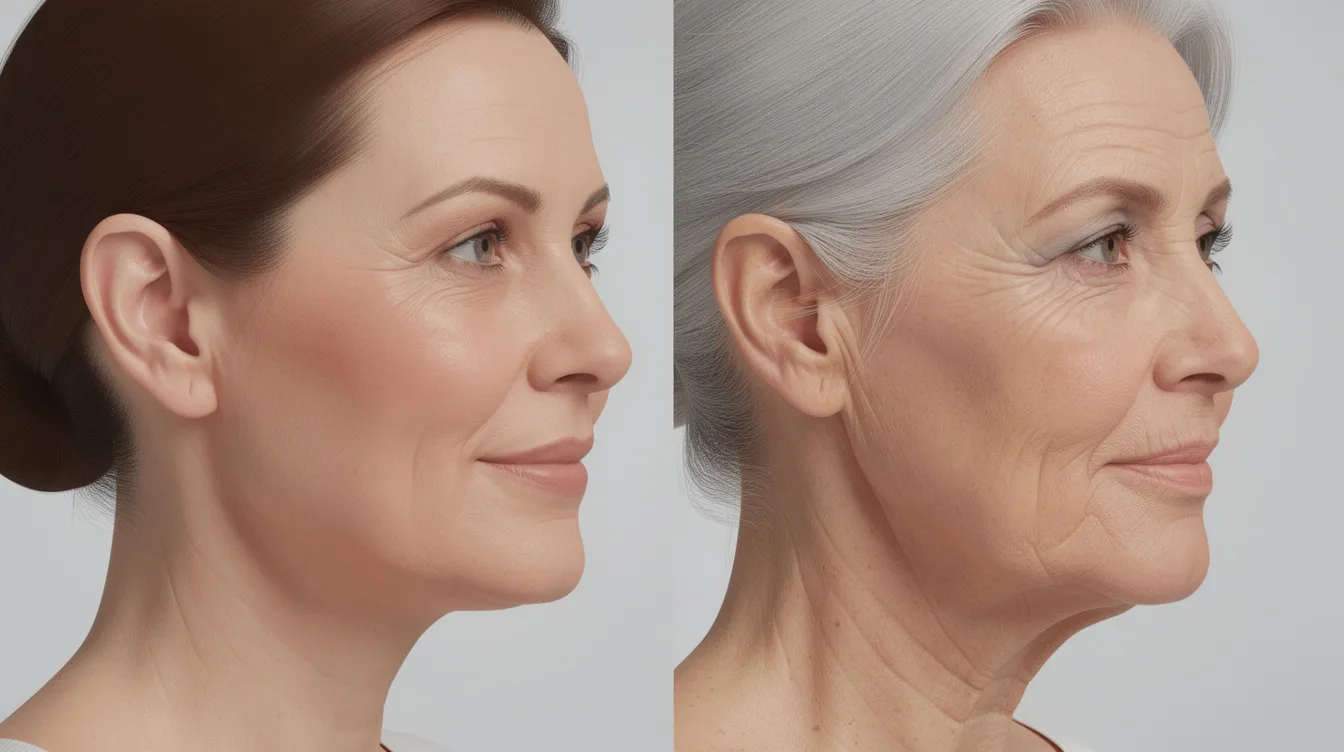
“Better” depends on starting point. Endolift suits those wanting noticeable results without surgery and can rival facelift-like effects in selected mild to moderate cases. It cannot fully replace a surgical facelift when there is very loose or hanging skin. Facelift candidates typically need a dramatic transformation for significant sagging.
Consider how much downtime and risk you are willing to accept. MedSpa MD Group providers evaluate skin thickness, skin elasticity, tissue quality, and facial anatomy in Philadelphia and Houston clinics to achieve results tailored to each individual.
Who Is a Good Candidate for Endolift vs Facelift?
Candidacy comes down to skin laxity, overall health, and personal preferences around surgery.
Good fit for Endolift:
- Ages 30–60 with mild to moderate skin laxity
- Early jowling, mild neck sagging, submental fullness
- Noticing that dermal fillers alone no longer lift effectively
- Preference for a non-surgical nature and minimal downtime
- Endolift is suitable for improving jawline and neck areas
Better fit for surgical facelift:
- Usually, 45+ with advanced laxity and deep folds
- Significant neck sagging, heavy jowls, significant excess skin
- Good general health to tolerate anesthesia and longer recovery
- Seeking dramatic results with long-term structural correction
Smokers, people with uncontrolled medical conditions, or those unable to pause strenuous work may be safer with Endolift or staged non-surgical approaches. MedSpa MD Group always performs a detailed consultation to discuss medical history, previous treatments, and goals before recommending any option.
Signs It Might Be Time for a Non-Surgical Lift
- Makeup settling into new creases along the jawline
- Sagging at the jawline visible in photos and video calls
- Neck starting to look “soft” or losing definition
- Fillers adding volume but not meaningful improvement in lift
- Noticing moderate skin laxity but not wanting surgery yet
These signs often indicate a good window for Endolift or other combinations offered at MedSpa MD Group. Early consultation matters because waiting until skin laxity becomes too advanced limits what non-surgical options can accomplish.
Recovery Process, Risks, and Longevity: Endolift vs Surgical Facelift
Endolift recovery: Patients may experience mild swelling after Endolift for a few days, along with tightness or minor bruising. Patients return to their regular routine within 1–3 days. No stitches or dressings. Keep your head elevated the first night, avoid direct sun exposure, and stay hydrated. Endolift results improve over 3 to 6 months post-treatment as elastin production and collagen stimulation continue beneath the skin.
Surgical facelift recovery: Expect 2–3 weeks of visible recovery, activity restrictions, follow-up visits for suture removal, and careful scar care. Traditional facelifts require post-operative care for optimal recovery, and full resolution of swelling can take several weeks to months. Recovery times are significantly longer than with Endolift.
Risks: Endolift carries a lower risk profile: temporary mild swelling, bruising, tenderness, and rare burns or asymmetry when done by inexperienced providers. Surgical facelift risks include infection, hematoma (roughly 6% in some large series), nerve injury, hairline changes, and anesthesia-related complications.
Longevity: Endolift offers results lasting 1–3 years with potential maintenance sessions every 18–36 months. Some patients choose Endolift after a surgical facelift to maintain results without another surgery. Surgical facelifts last 7–10 years commonly; deep plane techniques may push this to 10–12 years.
Cost Considerations and Value Over Time
Surgical facelifts involve higher costs due to operating room fees, anesthesia, surgeon fees, and lost income during recovery. Endolift is generally significantly less expensive per session. Over a 10-year span, two or three Endolift sessions ($3,500–$5,500 each) may total $7,000–$16,500, compared to $15,000–$28,000+ for a single facelift plus potential revision costs.
MedSpa MD Group provides transparent pricing with itemized cost breakdowns for Endolift and non-surgical facelift packages. Financing options and payment plans are available for patients focused on accessibility and responsible budgeting.
Why Choose MedSpa MD Group for Endolift & Non-Surgical Facelifts
MedSpa MD Group is a physician-led aesthetic clinic specializing in advanced non-surgical rejuvenation in Philadelphia, PA and Houston, TX. Our team has specific expertise with Endolift, liquid BBL, facial fillers, Botox, microneedling with PRP, chemical peels, collagen stimulators, and staged non-surgical facelift strategies.
Every patient receives a personalized consultation: in-depth assessment of skin laxity, skin condition, facial structure, and lifestyle to build a realistic plan. We do not push one-size-fits-all packages. Our fly-in/fly-out model means out-of-town clients can schedule focused treatment visits with minimal disruption. Conveniently located near Center City Philadelphia and the Houston Galleria area, we serve the broader metro regions and travel patients nationwide.
We focus on natural looking improvement that preserves facial identity. And when surgery is the better path, we say so honestly.
FAQs: Endolift vs Facelift at MedSpa MD Group
Can Endolift replace a surgical facelift? For mild to moderate skin laxity, yes. Endolift offers a subtle enhancement with real tightening and contouring. For advanced sagging with significant excess skin, a surgical facelift remains the stronger option. Endolift acts as a first step before more invasive options for many patients.
How long does Endolift last compared to a facelift? Endolift results are gradual and typically last 1 to 3 years, with results lasting 3 to 5 years with proper care. Traditional facelift results can last 7 to 10 years or more. Maintenance sessions keep Endolift results going without major intervention.
Is Endolift painful? Most patients report only mild pressure or warmth during treatment. The procedure uses a local anaesthetic, so discomfort is minimal. Patients in Philadelphia and Houston typically describe the experience as very tolerable.
Can I combine Endolift with dermal fillers or Botox? Absolutely. Combining Endolift with fillers, Botox, or microneedling with PRP addresses volume loss, surface texture, and skin tightening together for comprehensive facial rejuvenation.
How soon will I see results after Endolift? You will notice some immediate tissue contraction. The more definitive result develops over 3 to 6 months as the laser works to stimulate collagen and elastin production beneath the skin.
Am I too old for Endolift? Candidacy depends more on skin quality, tissue quality, and health than age alone. Even patients over 60 can benefit if laxity is not extreme and they are a good candidate based on overall skin elasticity and facial anatomy.
How do I know if I should travel for Endolift? Clients choose MedSpa MD Group for provider experience, laser technology, transparent pricing, and honest counseling. The fly-in model works well because Endolift’s non-surgical nature and fast recovery times make travel practical.
How to Take the Next Step
If you are weighing Endolift vs facelift and want clarity on which approach fits your face, your schedule, and your goals, a personalized consultation is the smartest move. At MedSpa MD Group in Philadelphia or Houston, your visit includes a full skin assessment, review of your goals and medical history, and a customized plan with clear pricing.
Whether you are in the New Jersey suburbs, the Greater Houston metro, or flying in from out of state, we make it straightforward. Call, fill out our online form, or book directly through the website to find out if you are a good candidate for Endolift or a non-surgical facelift plan.