Table of Contents
- What Is TMJ and Why Does Your Jaw Hurt?
- How Botox Treats TMJ Pain
- Who Is (and Isn’t) a Good Candidate for TMJ Botox
- What to Expect from TMJ Botox at MedSpa MD Group
- Recovery, Risks, and Side Effects
- How Many Sessions You’ll Need and Building a TMJ Treatment Plan
- Why Choose MedSpa MD Group for Botox for TMJ Pain Relief
- FAQs About Botox for TMJ
Botox for TMJ: Fast Facts and Who This Treatment Helps
If you wake up with a sore jaw, grind your teeth through meetings, or deal with tension headaches that start near your temples and radiate across your face, you already know how disruptive TMJ disorders can be. Botox for TMJ targets the muscle-driven side of this problem by using botulinum toxin to calm overactive jaw muscles, reducing the clenching force that drives so much of the pain.
This is an off-label but increasingly common injectable treatment. Botox is not FDA approved for treating temporomandibular disorders, but it is widely used as a supplemental therapy for TMJ pain with growing clinical evidence behind it. It is not a stand-alone treatment for TMJ and is commonly used alongside physical therapy and medications as part of a broader plan.
Key benefits patients care about most:
- Pain relief from deep-seated aches, soreness, and tightness in the jaw and face
- Fewer tension headaches from reducing the unconscious force of bruxism
- Reduced teeth grinding and jaw clenching
- Possible cosmetic slimming of a bulky jawline
- Non invasive, minimal downtime, fits a busy schedule
MedSpa MD Group offers TMJ Botox in Philadelphia, PA and Houston, TX with physician-led care and a thorough medical assessment before any treatment. The best candidates tend to be adults with chronic jaw tension, failed night guards, constant clenching from severe stress, or TMJ pain impacting work and sleep. That said, Botox is a tool for managing symptoms, not a cure for every disorder affecting the temporomandibular joint.
What Is TMJ and TMJ Disorder? (And Why Your Jaw Hurts)
The temporomandibular joint is the hinge connecting your jawbone to your skull. You use it hundreds of times a day to chew, talk, and yawn. When something goes wrong with this joint or the muscles around it, the result is a TMJ disorder (also called TMD), which can range from mild discomfort to debilitating jaw pain.
Common TMJ disorder symptoms:
- Jaw pain, tightness, or soreness
- Clicking, popping, or locking of the joint
- Difficulty opening your mouth wide or pain when you chew
- Morning headaches and migraines
- Ear fullness or neck tension
- Worn or cracked teeth from grinding
TMJ issues generally fall into two categories. Muscle-based problems involve overworked masseter muscles and temporalis muscles from chronic clenching or grinding. Joint-based problems include arthritis, disc displacement, or injury. Botox targets muscle-driven TMJ pain and does not address joint problems like clicking or locking. Structural joint issues may require a dentist, oral surgeon, oral surgery, or other interventions.
Common triggers in modern life make muscle-based TMJ worse: remote work posture, long screen time, stress-related clenching, high caffeine intake, and poor sleep. Patients should consult a specialist to ensure their symptoms are primarily muscle-related before considering Botox.
How Botox Treats TMJ Pain: What Botulinum Toxin Actually Does
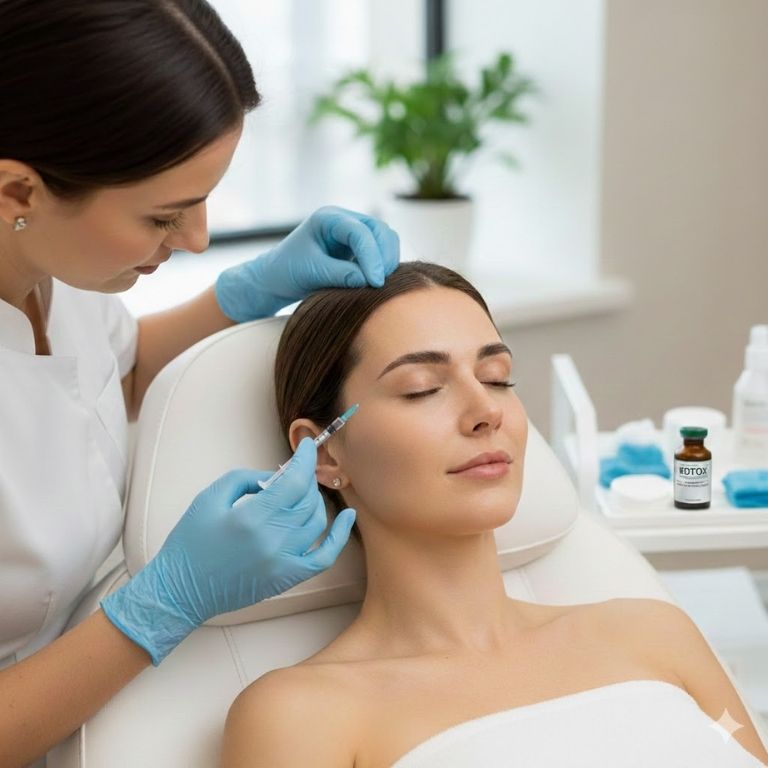
Botulinum toxin type A is a purified neurotoxin that temporarily relaxes overactive muscles. When injected directly into facial muscles like the masseter and temporalis, Botox blocks nerve signals to reduce muscle hyperactivity. This reduces muscle contraction in the masseter and temporalis, lowering clenching force for roughly 3 to 4 months.
The goal is not to paralyze the jaw. Botox does not completely paralyze jaw muscles during treatment. When dosed correctly by a medical professional, patients can still chew food, speak normally, and make natural facial expressions. What changes is the excessive, involuntary contraction that drives so much of the damage and pain.
Here is how this translates to relief:
- Botox can alleviate TMJ pain by relaxing jaw muscles, reducing the constant tension that creates soreness and discomfort
- Decreasing muscle spasms can improve jaw mobility during actions like opening the mouth and chewing
- Easing tension in the jaw muscles can reduce the frequency and intensity of tension headaches and migraines
- Botox minimizes destructive mechanical forces of nighttime grinding, preserving tooth enamel and protecting teeth from further wear
- Relaxed muscle tissue produces fewer inflammatory pain chemicals and less nerve irritation
Botox largely stays where it is placed when injected by trained providers. It does not numb the whole body or sedate you. For context, Botox is FDA-approved for chronic migraine and muscle spasm, but for TMJ disorders it remains off-label with promising yet mixed results in clinical research. Studies show a meaningful pain reduction of about 2 points on a 10-point scale at both one and six months, with higher doses (60 to 100 units bilaterally) producing stronger outcomes.
Who Is (and Isn’t) a Good Candidate for TMJ Botox?
Not every kind of TMJ disorder responds equally to Botox, and an in-person evaluation is essential. Providers must understand jaw mechanics and muscle pain risk factors, and should have expertise in TMJ disorders for effective treatment.
Good candidate profiles:
- Patients with clear muscle-related TMJ pain: tight jaw muscle tension, habitual clenching, bruxism, pain that gets worse with stress
- People who tried conservative options like night guards, medication, heat, and jaw exercises without enough lasting relief
- TMJ patients with tension headaches or migraines originating near temples or jaw
- Individuals who also want a slightly slimmer, softer jawline from reduced masseter bulk
Situations requiring caution or alternative care:
- Severe joint degeneration, locking from disc displacement, or history of jaw fractures
- Pregnancy or breastfeeding (most providers defer Botox as a precaution)
- Certain neuromuscular disorders or medications that interfere with neuromuscular transmission
- Patients under 18
MedSpa MD Group screens for red flags during consultation and may recommend coordination with your dentist, doctor, or oral surgeon for complex TMJ disorders. Honest discussion of your symptoms, severity, medications, and goals helps customize dosing and injection sites for safe, effective treatment.
What to Expect from TMJ Botox at MedSpa MD Group (Step-by-Step)
The outpatient Botox procedure takes 10 to 30 minutes and requires no surgical downtime. Here is what the process looks like at our Philadelphia and Houston locations.
Consultation:
- Detailed review of your jaw pain, headaches, bite issues, and history of TMJ disorders
- Assessment of jaw range of motion, muscle tenderness, and clenching patterns
- Discussion of whether TMJ Botox is appropriate or if you also need dental, physical therapy, or oral surgery input
Botox injection appointment:
- Cleaning and marking of injection sites on the masseter, temporalis, and sometimes other nearby muscles
- Option for topical numbing cream or ice to reduce the injection sensation (similar to a quick pinch)
- Several small injections per side, with dosing tailored to your muscle size and the severity of your TMJ pain
- Botox injections should be administered by a trained healthcare provider who understands facial anatomy
Timeline of results:
- Most patients experience noticeable improvement within 1 to 2 days, with some early relief in jaw tension within 3 to 5 days
- Peak effect around 2 weeks
- Botox injections lower muscle force for 3 to 4 months post-treatment, with some patients noticing benefits up to 5 to 6 months depending on metabolism and clenching habits
Follow-up visits let your provider fine-tune injection patterns, track pain relief, and coordinate other TMJ treatments like a night guard, exercises, or stress management for longer-term improvement.
Recovery, Risks, and Side Effects of Botox for TMJ
Recovery is usually quick. Many patients return to work or normal activities right after their appointment.
Aftercare basics:
- Avoid rubbing or massaging injection sites for at least 4 to 6 hours
- Stay upright for several hours; skip strenuous workouts the same day
- Avoid saunas or very hot environments right after injections to reduce swelling
Common, mild side effects:
- Soreness at the injection site is common after treatment
- Bruising at the injection site may occur after Botox treatment
- Temporary redness or a brief headache
- A “tired” feeling in the jaw muscles as they relax
Less common but important risks:
- Temporary difficulty chewing can occur after Botox injections, especially with tough food, as masseter strength decreases
- Facial asymmetry is a possible side effect if one side responds more than the other (usually adjustable at the next session)
- Botox may lead to temporary changes in smile or facial appearance if it spreads to surrounding muscles or nearby muscles, more likely with inexperienced providers
- Potential side effects include temporary muscle weakness and bruising at the injection site
- Botox can cause temporary eyelid droop in some patients, though this is rare with proper technique
- Discomfort or inflammation at the site typically resolves within days
Serious complications are rare when using authentic botulinum toxin in a medical setting. Public health agencies flagged risks of counterfeit or unregulated Botox in 2024 and 2025, which is why choosing a licensed, physician-led clinic matters. Contact MedSpa MD Group if you notice unusual symptoms, persistent pain, or concerns so a medical professional can assess and advise promptly.
How Many Sessions Will I Need and How Botox Fits into a TMJ Treatment Plan

TMJ Botox is rarely a once-and-done solution. Ongoing treatment is often needed alongside Botox injections, and monitoring treatment outcomes is essential after each session.
Typical treatment rhythm:
- First session uses a conservative dose to gauge how your muscles respond
- Re-evaluation at about 2 weeks if minor adjustments are needed
- Repeat full treatments every 3 to 4 months initially, with some patients spacing sessions further apart as habits and pain improve over time
How Botox combines with other TMJ strategies:
- Night guards or splints from a dentist to protect teeth and stabilize the bite
- Physical therapy or jaw exercises to rebuild healthy movement patterns
- Stress reduction, posture correction, and sleep optimization to lower clenching triggers
- Medication for inflammation or acute pain flares
MedSpa MD Group can collaborate with your dentist or oral surgery specialist, especially in complex TMJ disorders, to ensure Botox supports rather than replaces necessary structural care. Treatment for TMJ works best as a coordinated plan, not isolated procedures.
Cost varies based on units used and the number of injection sites treated. We emphasize transparent pricing and can discuss financing options so you can plan the investment with confidence.
Why Choose MedSpa MD Group for TMJ Botox in Philadelphia and Houston
MedSpa MD Group is a physician-led, non surgical medspa experienced in both medical and cosmetic uses of Botox, from treating frown lines and wrinkles to addressing painful TMD pain and jaw tension.
What sets us apart:
- Dual locations in Philadelphia, PA and Houston, TX with flexible scheduling for busy professionals and fly-in clients
- Providers trained in facial anatomy, TMJ-related muscle patterns, and advanced injectable techniques, not just cosmetic wrinkle treatment
- Comprehensive consultations focused on pain relief and jaw function, not upselling unnecessary procedures
- Ability to coordinate with your dentist or oral surgery team if joint-based TMJ disorders are suspected
- Option to combine TMJ Botox with cosmetic Botox, facial fillers, or non-surgical facelift planning when appropriate
We use only authentic, FDA-approved botulinum toxin in a sterile medical environment with clear pre- and post-care instructions. Every consultation includes a transparent discussion of risks, alternatives, and realistic expectations for what TMJ Botox can and cannot do.
FAQs About Botox for TMJ Pain Relief
These are the questions patients in Philadelphia and Houston ask most before booking TMJ Botox.
How quickly will I feel relief after TMJ Botox injections?
Most patients experience noticeable improvement within 1 to 2 days, with jaw tension and soreness beginning to ease. Full pain relief and reduced clenching typically occur by about 2 weeks. Everyone metabolizes botulinum toxin differently, and severe or long-standing TMJ disorders may need more than one treatment cycle for full benefit.
Will Botox for TMJ change the way my face looks?
Properly dosed TMJ Botox may subtly soften a very square, bulky jawline over several weeks as the masseter muscles gradually reduce in size. Many patients appreciate this cosmetic effect. The goal is to maintain natural chewing and facial expressions. Obvious frozen or lopsided results are avoided with experienced injectors and balanced dosing.
Is Botox for TMJ covered by insurance?
Botox for TMJ disorders is typically considered off-label and is often not covered by standard health or dental insurance. MedSpa MD Group treats TMJ Botox as a self-pay service and can provide itemized invoices and financing information to help you plan the investment.
How is TMJ Botox different from getting Botox for wrinkles?
Both use botulinum toxin type A, but TMJ treatments target deeper, stronger muscles like the masseter and temporalis with different dosing and injection mapping. TMJ injections focus on pain relief, jaw function, and clenching reduction. Cosmetic Botox targets fine lines like frown lines or crow’s feet at lower doses in thinner facial muscles.
Can I still get dental work or oral surgery after TMJ Botox?
Routine dental care and most oral surgery procedures can still be done with TMJ Botox in place. Inform your dentist or oral surgeon about your treatment. In some complex TMJ disorder or major oral surgery cases, the timing of Botox may be coordinated so muscle relaxation does not interfere with diagnostic exams or bite assessments.
How do I know if my TMJ pain needs Botox or something else?
Persistent jaw pain, locking, or difficulty when you chew for more than a few weeks warrants a professional evaluation by a dentist, TMJ specialist, or a medical professional with expertise in TMJ disorders. During a consultation at MedSpa MD Group, providers assess whether muscle-driven symptoms make TMJ Botox appropriate and, when necessary, recommend dental, physical therapy, or oral surgery referrals instead of or in addition to injections. Support from the right team makes all the difference.
Ready to Explore Botox for TMJ? Book a Consultation with MedSpa MD Group
TMJ Botox can reduce jaw pain, tension headaches, and clenching while fitting into your life with quick visits and minimal downtime. But every TMJ disorder is unique, and lasting relief starts with understanding yours.
Whether you are in Philadelphia, Houston, or flying in for care, schedule a consultation at MedSpa MD Group to find out if TMJ Botox or another treatment is the right next step. Book online, call your nearest location, or submit a consultation request to discuss your jaw pain and custom treatment options. A personalized, medically guided plan offers safer and more predictable relief than any one-size-fits-all approach.