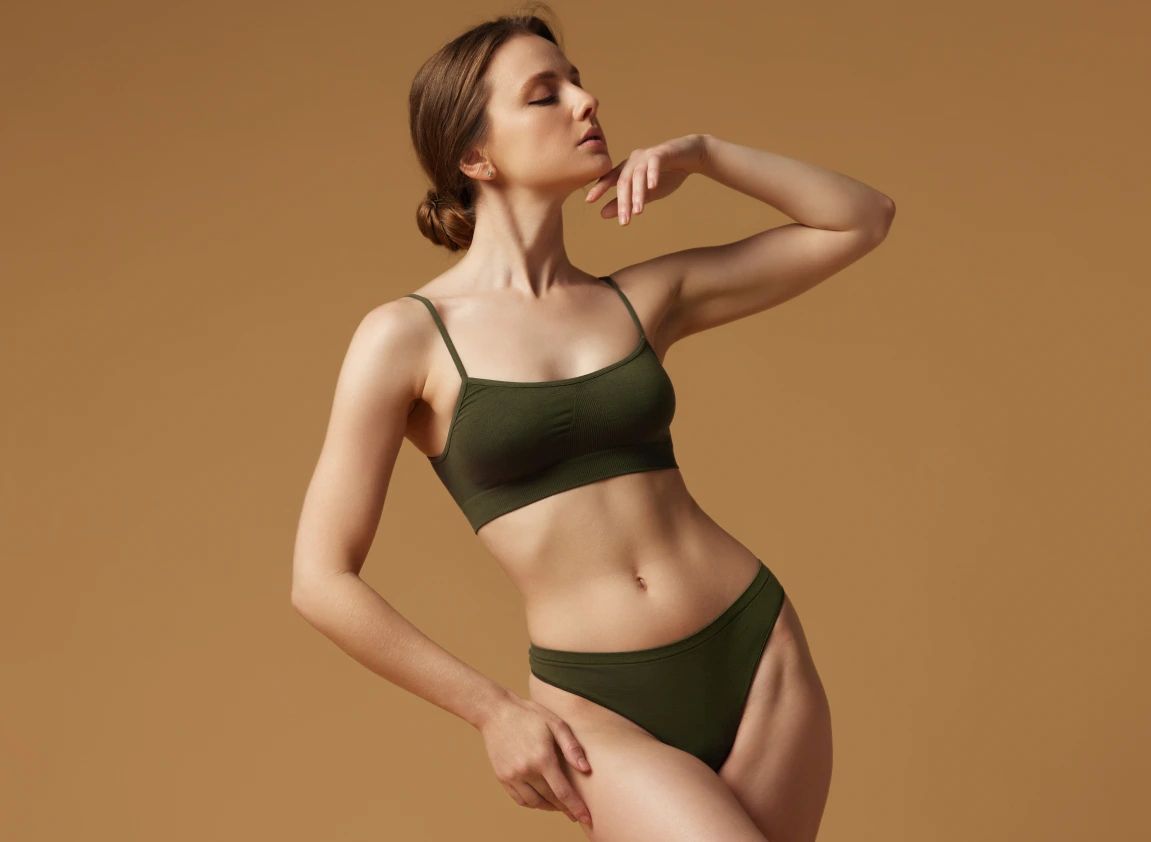
If stubborn fat still lingers after diet and exercise, you may not need a surgical procedure to improve your shape. Today’s non-surgical body contouring treatments can reduce fat, tighten skin, and refine specific areas with little to no downtime.
This guide explains how body sculpting works, what results are realistic, what each technology does best, and how to choose a treatment plan that fits your goals.
Table of Contents
- What Is Body Sculpting Without Surgery?
- Body Sculpting vs Weight Loss: Understanding the Difference
- Non-Surgical Body Sculpting Technologies
- Who Is a Good Candidate for Non-Surgical Body Contouring?
- What to Expect Before, During, and After Treatment
- How Much Does Non-Surgical Body Sculpting Cost?
- FAQ: Non-Surgical Body Contouring and Fat Reduction
What Is Body Sculpting Without Surgery?
Body sculpting without surgery refers to non surgical body treatments that reshape targeted areas by addressing fat cells, loose skin, or both without incisions, stitches, general anesthesia, or traditional cosmetic surgery. Non-surgical body sculpting relies on targeted energy or chemical compounds to eliminate stubborn fat, tighten loose skin, or tone muscles without any incisions, anesthesia, or downtime.
Body contouring is the broader category; body sculpting often describes aesthetic shaping of areas such as the abdomen, flanks, arms, inner or outer thighs, outer thighs, back, and under the chin. These treatments are designed for contouring, not weight loss, and they are meant to address stubborn fat that is resistant to diet and exercise.
Technologies may freeze, heat, dissolve, or disrupt stubborn fat cells. Some also stimulate collagen production to improve skin texture and reduce mild excess skin. Results are gradual: most patients see meaningful improvement within 6 to 12 weeks as the body processes destroyed fat cells and builds new collagen. The elimination process typically takes 1 to 3 months as the body’s lymphatic system naturally processes damaged fat cells.
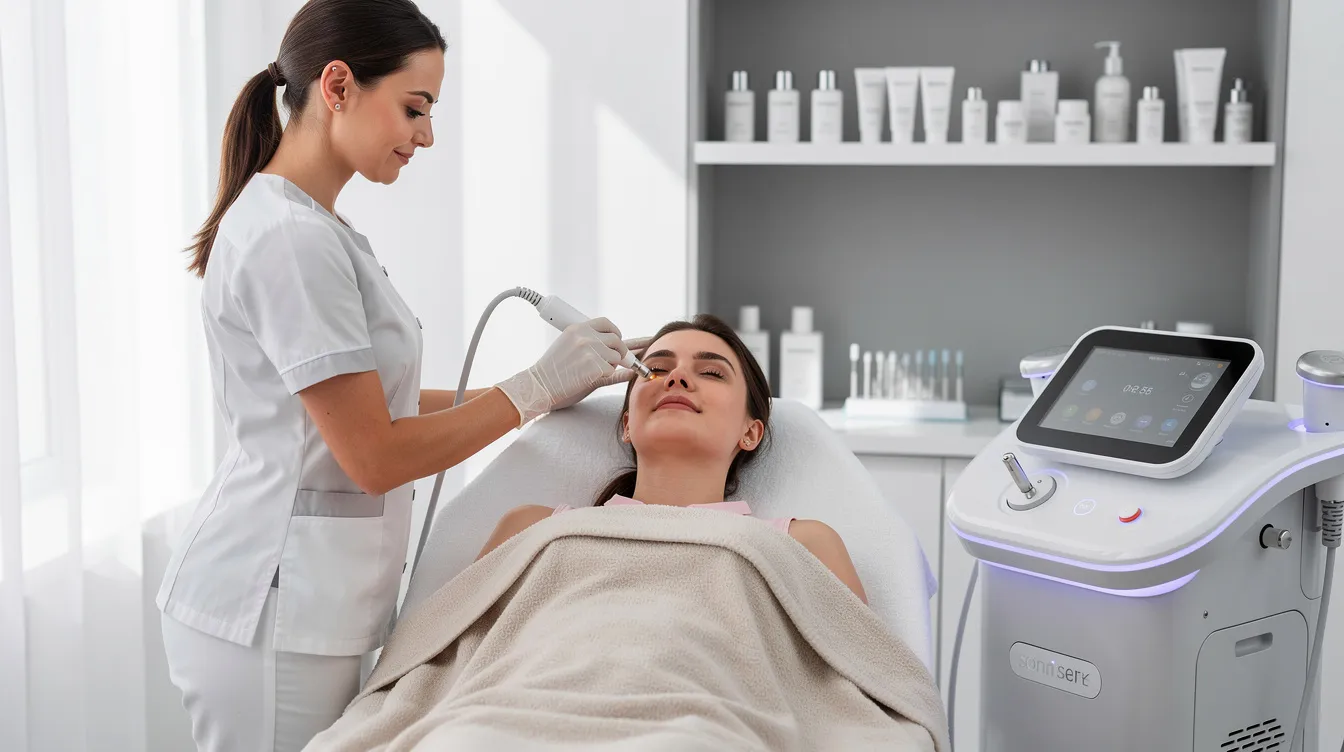
Body Sculpting vs Weight Loss: Understanding the Difference
People often confuse non surgical fat reduction with a weight loss solution because both can change how clothes fit. The difference is that body sculpting targets shape, while weight loss targets overall body mass and health.
- Body sculpting procedures target fat in a specific treatment area, such as a fat pocket on the abdomen or a fat bulge under the chin.
- Diet, exercise, and medical weight loss help reduce body mass, visceral fat, and overall body mass.
- Body contouring treatment can reduce inches and improve proportions, but it is not intended to help someone lose weight dramatically.
- Ideal candidates are usually within 10 to 20 pounds of their ideal weight or goal weight and have maintained stable weight for at least 3 to 6 months.
Non-surgical body contouring primarily relies on a biological process called lipolysis, which breaks down fat cells. Once treatments destroy fat cells in a treated area, those cells do not return; however, remaining fat cells can expand with future weight gain. That is why a healthy lifestyle matters before and after treatment.
Non-Surgical Body Sculpting Technologies
Modern body contouring treatment options can be non-invasive or minimally invasive treatments, each with specific strengths. Non-surgical body sculpting includes a variety of FDA-cleared procedures such as cryolipolysis, radiofrequency, laser lipolysis, high-intensity focused ultrasound (HIFU), and electromagnetic muscle stimulation (EMS).
Technology choice depends on the treatment area, fat thickness, skin quality, comfort level, downtime tolerance, and budget. Devices should be FDA-cleared for specific body sites and indications; the FDA notes that these procedures are not obesity treatments and are not risk-free.
Cryolipolysis (Fat Freezing)
Cryolipolysis, commonly known as CoolSculpting, is a non-invasive fat reduction technique that uses extreme cold to freeze and destroy fat cells without harming surrounding tissues. With controlled cooling and very cold temperatures, frozen fat cells crystallize, die, and are gradually cleared by the body.
Fat freezing works best on pinchable subcutaneous fat cells in areas such as the abdomen, love handles, back rolls, inner and outer thighs, upper arms, and under the chin. A session usually lasts 35 to 60 minutes per area. Patients often feel intense cold temperatures, tugging, and pressure at first, followed by numbness.
Non-surgical fat reduction treatments can reduce fat in targeted areas by approximately 20% to 25% on average, depending on the specific treatment used. Clinical studies demonstrate that non-surgical methods typically reduce 10% to 25% of subcutaneous fat in the treated area per session. Risks include temporary numbness, bruising, redness, swelling, and rare paradoxical adipose hyperplasia.
Radiofrequency & Heat-Based Body Contouring
Radiofrequency treatments use radiofrequency energy to warm deeper tissues beneath the skin surface. The goal is to target fat cells, encourage fat reduction, and remodel connective tissue while helping tighten skin.
Temperatures are monitored to protect the skin surface while fat cells heat in the deeper fat layer. This can stimulate collagen production, support collagen production over time, and improve skin texture in areas with mild loose skin.
RF is often used for stubborn fat pockets on the abdomen, flanks, thighs, arms, and buttocks. A common treatment plan is 3 to 6 treatment sessions spaced 1 to 2 weeks apart, with gradual improvement over 2 to 3 months. Side effects may include temporary warmth, redness, swelling, and mild discomfort.
Ultrasound Fat Reduction
Ultrasound fat reduction treatments use focused ultrasound energy to disrupt fat cell walls without freezing or burning the skin. The released fat is processed through normal metabolic pathways over several weeks.
These treatments are often used on the abdomen, flanks, and sometimes thighs when there is pinchable but not extremely thick excess fat. A standard plan may include 1 to 3 sessions spaced about 2 weeks apart.
Expected reduction is often 15% to 20% per session, depending on the device and anatomy. Comfort is usually mild to moderate, and downtime is minimal.
Non-Invasive Laser Fat Reduction
Laser fat reduction, such as SculpSure, utilizes controlled heat delivered through a specific laser wavelength to break down subcutaneous fat cells while protecting the skin from damage. External applicators deliver energy to unwanted fat while cooling helps protect the skin.
Sessions often last about 25 minutes per treatment area, which makes this non surgical treatment convenient for busy patients. FDA-cleared zones may include the abdomen, flanks, back, thighs, and submental area.
Visible fat reduction usually appears around 6 weeks, with full results around 12 weeks after a completed series. Laser lipolysis without incisions is best for patients who want modest improvement with minimal discomfort.
Injectable Deoxycholic Acid for Targeted Fat
Injectable deoxycholic acid, known as Kybella, is an FDA-approved treatment that targets and breaks down fat cells, particularly effective for reducing submental fat, or double chin. Deoxycholic acid dissolves fat cell membranes in small, carefully selected areas.
Treatment usually includes topical numbing, grid-style injections, and a 15 to 20 minute office visit. Most patients need 2 to 4 sessions spaced at least 4 weeks apart.
Swelling can last several days after each visit. Because this is minimally invasive and close to nerves and vessels, a medically trained injector with neck-anatomy expertise is essential.
Red Light & Low-Level Laser Therapy
Red light therapy and low-level laser therapy temporarily open pores in fat cells, allowing triglycerides to leave so cells shrink rather than die. Results are more subtle than methods that destroy fat cells.
Most plans require 6 to 12 visits over several weeks. This option is best for patients close to goal weight who want mild circumference reduction around the waist, hips, or thighs.
Because the fat cells are not eliminated, strict diet and exercise habits matter. Shrunken cells can refill if calorie intake increases.
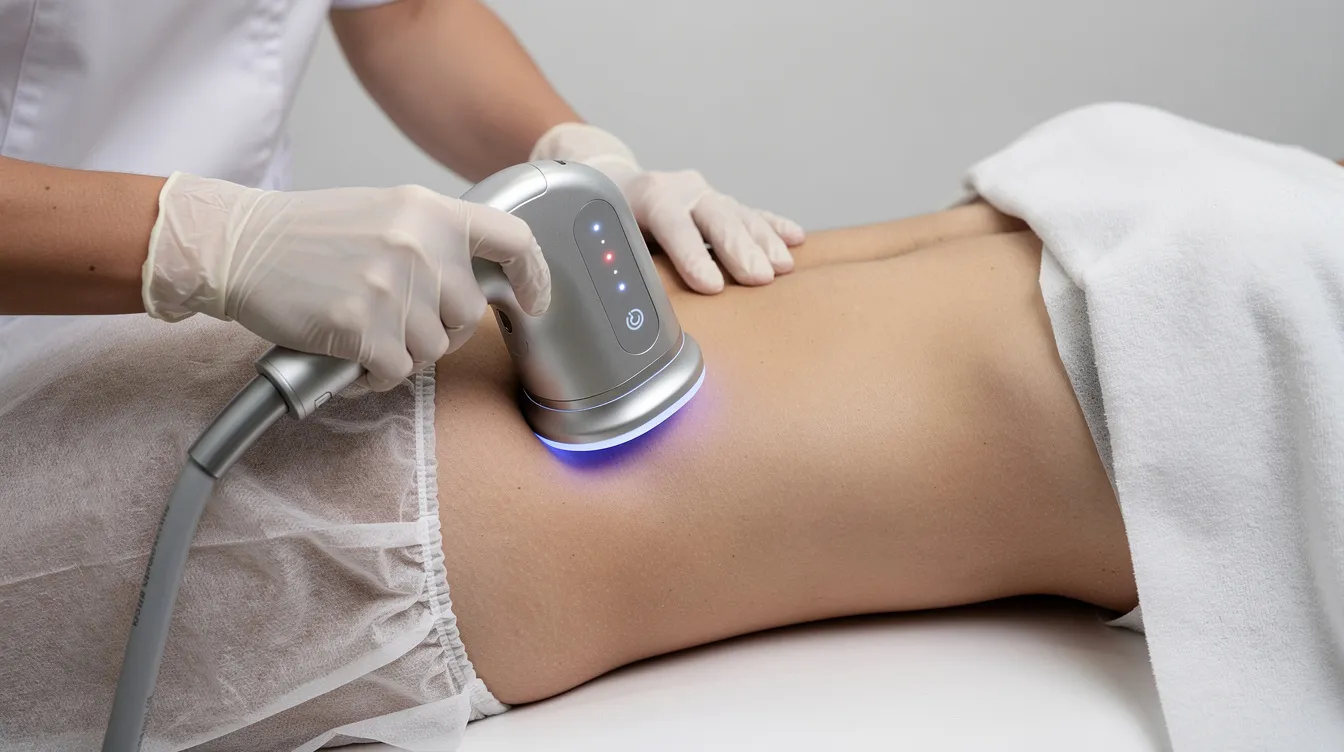
Who Is a Good Candidate for Non-Surgical Body Contouring?
Candidacy depends on medical history, fat distribution, skin quality, and goals. Ideal candidates for non-surgical body contouring are typically within 10 to 20 pounds of their goal weight and have specific areas they want to address, such as the abdomen, flanks, thighs, upper arms, or chin.
Non-surgical body contouring treatments are generally safe and effective for both men and women who are in good overall health, maintain a stable weight, and have realistic expectations about the outcomes. Good skin elasticity helps create smoother results. Patients with significant weight loss, significant loose skin, or major excess skin may need combined skin tightening or surgical options.
Common areas for women include the abdomen, flanks, upper arms, bra rolls, inner thighs, and outer thighs. Men often treat the abdomen, flanks, chest, and submental area. Pregnancy, active infection, uncontrolled diabetes, implanted devices, or certain cold sensitivity conditions may limit options.
Setting Realistic Expectations
Non-surgical treatments reduce fat; they do not completely eliminate fat in every case. Many patients see 20% to 30% fat layer reduction per area, while others need additional sessions to achieve desired results.
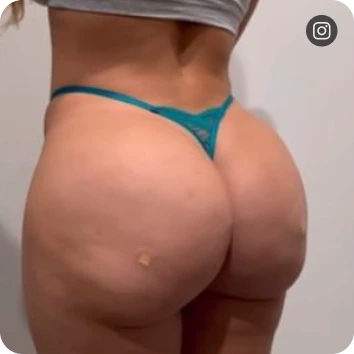
Good outcome examples include a smoother waistline, less fullness under the chin, improved muscle tone when EMS is used for abdominal muscles, or a better fit in clothing. Before-and-after photos and honest measurements help align expectations with anatomy.
What to Expect Before, During, and After Treatment
Your visit typically moves through consultation, planning, treatment, recovery guidance, and follow-up. Changes from non-surgical body sculpting treatments appear progressively over a few weeks or months, providing subtle and natural-looking modifications.
Consultation and Preparation
The first visit includes a health history review, exam of target areas, discussion of budget, and photos or measurements. Your provider may recommend one modality or a combination, such as fat freezing for bulk reduction plus RF for skin tightening.
Preparation may include avoiding medications that increase bruising, staying hydrated, and keeping a stable weight. Informed consent should cover benefits, risks, and alternatives.
During Your Body Contouring Treatment
During treatment, the area is marked, you are positioned comfortably, and the device or injectable is applied. Sensations vary: cold and tugging with fat freezing, warmth with RF, tingling with ultrasound, and needle pinches with Kybella.
Most appointments last 25 to 60 minutes. Many patients read, listen to music, or use a phone. Most non surgical body treatments require no anesthesia, though topical numbing may be used for injections.
Recovery, Downtime, and Results Timeline
Most people can return to their normal activities immediately after non-surgical body sculpting procedures, as they typically require little to no downtime. Common side effects of non-surgical fat reduction treatments include temporary redness, swelling, and mild discomfort in the treated area, which usually resolve within a few days.
Common side effects of non-surgical body sculpting include temporary redness, swelling, and mild discomfort in the treated area, which usually resolves within a few days. Some patients also notice temporary numbness or firmness for days to weeks.
Results from non-surgical fat reduction treatments typically become visible within 6 to 12 weeks after the procedure, as the body gradually eliminates the destroyed fat cells. Follow-up visits help determine whether more sessions are needed.
How Much Does Non-Surgical Body Sculpting Cost?
Pricing depends on technology, number of areas, number of sessions, provider experience, and geography. The national average cost for a CoolSculpting fat freezing treatment is $1,723, with a range between $1,432 and $5,008 depending on the treatment area and number of sessions required.
Laser fat removal treatments can range from $300 to $1,500 per session, depending on the location and size of the treatment area. The cost for ultrasound fat reduction therapy can range from $1,500 to $3,000 per session, influenced by geographic location and number of treatments.
Injection treatments like Kybella have an average cost of $640 per vial, with a range between $492 and $1,150. Package pricing and financing options may be available after your customized quote.
Maintaining Your Body Sculpting Results
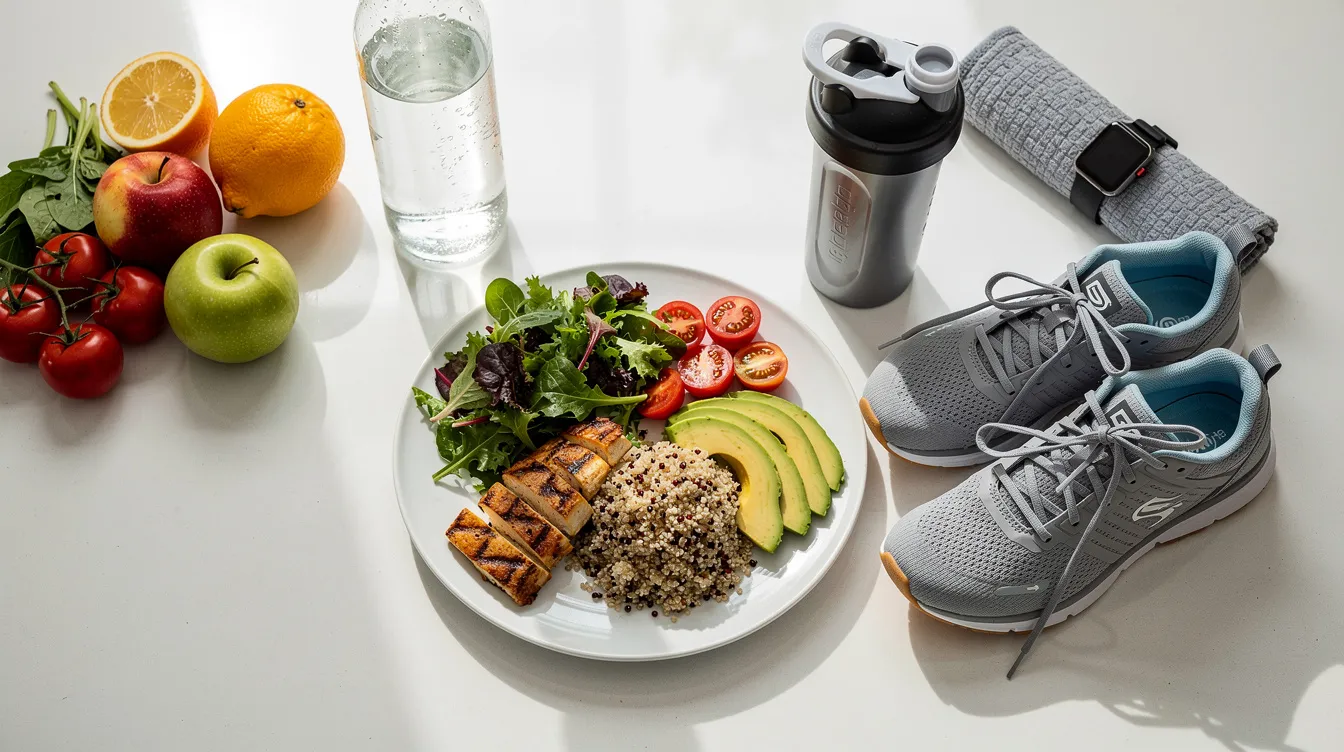
Destroyed fat cells do not grow back, but your shape still depends on long-term habits. Maintaining stable results from non-surgical body sculpting requires a consistent baseline of nutrition and physical activity.
Significant weight gain can cause remaining fat cells in treated or untreated areas to enlarge. To protect results, focus on balanced nutrition, regular strength and cardio exercise, sleep, hydration, and stress control.
Periodic check-ins can help catch small new pockets of fat early. Many patients keep visible improvements for years when they maintain a stable weight and healthy lifestyle.
FAQ: Non-Surgical Body Contouring and Fat Reduction
Here are common questions patients ask during consultations.
Does body sculpting actually work, and how is effectiveness measured?
Yes, nonsurgical body sculpting can work for the right candidate. Effectiveness is measured with photos, circumference changes, calipers, ultrasound measurements, and patient satisfaction.
How long do results from non-surgical fat reduction last?
When treatments destroy fat cells, the treated cells are gone permanently. Results can last for years if weight remains stable.
Is non-surgical body contouring painful?
Most patients describe discomfort rather than severe pain. Expect cold, warmth, tingling, pressure, or mild injection stinging depending on the technology.
How many treatments will I need for my abdomen, thighs, or chin?
It depends on the fat layer, goal, and modality. Fat freezing may need 1 to 2 cycles, RF may need 3 to 6 visits, ultrasound may need 1 to 3 sessions, and Kybella often needs 2 to 4 visits.
What areas can be treated safely?
Common areas include the abdomen, flanks, back, arms, thighs, and under the chin. The safest choice depends on FDA-cleared use for the device and your anatomy.
Is body sculpting a good way to lose weight?
No. It is not a weight loss solution, and it does not replace medical care for obesity or significant fat loss goals.
Are there risks or side effects?
Yes. Temporary swelling, redness, bruising, numbness, tenderness, asymmetry, burns, nerve injury, or rare paradoxical fat growth can occur depending on treatment.
Can I combine treatments?
Yes, combinations are common. For example, cryolipolysis may reduce fat while RF helps tighten skin, but the sequence should be planned by an experienced provider.
Why Choose Our Clinic for Non-Surgical Body Sculpting
Our clinic takes a patient-centered approach to advanced nonsurgical body contouring. Rather than recommending the same cosmetic procedure for everyone, we evaluate your anatomy, goals, schedule, and comfort level.
We focus on medical oversight, FDA-cleared technology, transparent recommendations, and customized treatment plans for each body area. During consultation, we explain what each option can and cannot do so you can make a confident decision.
Comfort and safety matter at every step. From careful assessment to attentive follow-up, our goal is to help you target fat, reduce stubborn pockets, and refine your shape without unnecessary pressure.
Conclusion: Take the Next Step Toward a More Confident Shape
Today’s non-surgical body contouring options can reduce stubborn fat deposits, target stubborn pockets of fat, and improve mild loose skin without incisions or lengthy recovery. These treatments can help reduce fat and refine contours in areas where diet and exercise have not delivered the change you want.
They work best when paired with a healthy lifestyle, stable weight, and realistic expectations. The right choice depends on your treatment area, skin quality, and goals.
Contact our clinic today to discuss body sculpting without surgery and design a treatment plan tailored to your body, timeline, and confidence goals.