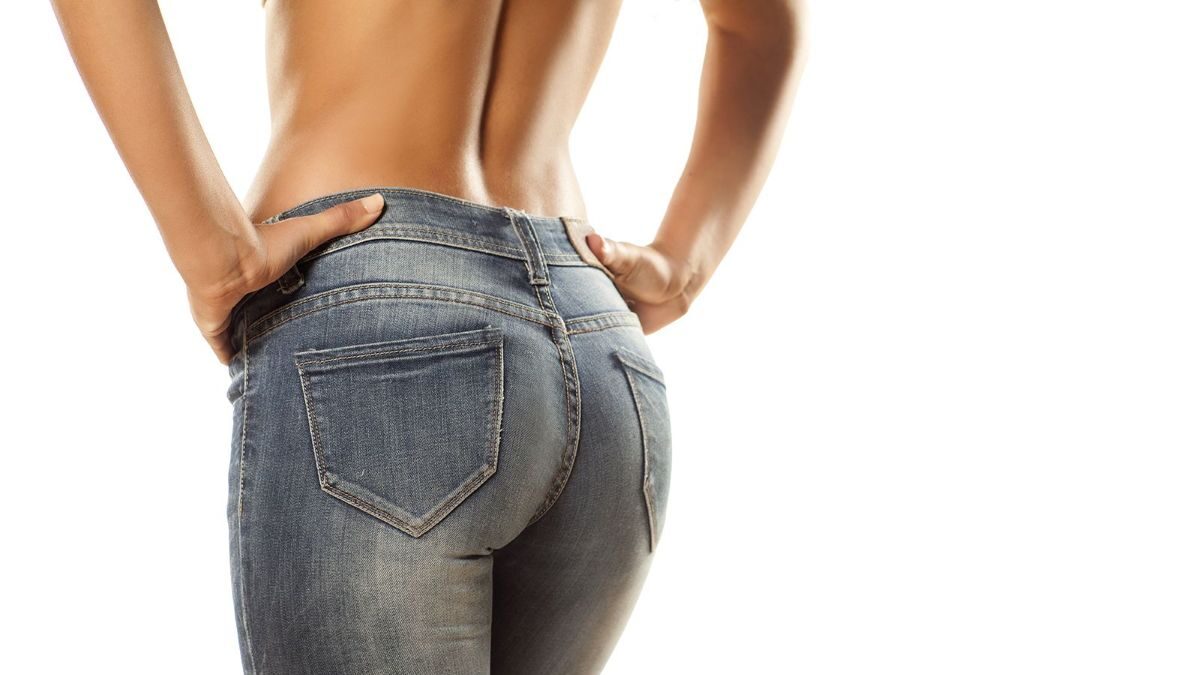
If diet and exercise have improved your health but not that one stubborn fat pocket, you are not alone. Today’s non surgical body contouring options can refine shape, reduce fat deposits, tighten skin, and improve muscle tone without a surgical procedure, anesthesia, or significant downtime.
Table of Contents
- What Is Non-Surgical Body Contouring (and What It Can & Can’t Do)?
- How Non-Surgical Body Contouring Works: Targeting Fat Cells Without Surgery
- Top Non-Surgical Body Contouring Treatments in 2026
- Who Is (and Isn’t) a Good Candidate for Non-Surgical Body Sculpting?
- What to Expect Before, During, and After a Non-Surgical Body Contouring Treatment
- How to Choose the Right Non-Surgical Body Contouring Treatment for You
- Maintaining Your Results: Lifestyle, Skin Quality, and Follow-Up
- FAQs About Non-Surgical Body Contouring
What Is Non-Surgical Body Contouring (and What It Can & Can’t Do)?
Non-surgical body contouring uses various technologies to destroy fat cells, tighten skin, or tone muscle without surgery, anesthesia, or significant downtime. Unlike invasive body contouring or cosmetic surgery, there are no incisions, no general anesthesia, and usually minimal downtime.
Body contouring and body sculpting are broad terms for reshaping the silhouette. Non-surgical fat reduction is more specific: it focuses on reducing localized fat cells. Effective non-surgical body contouring treatments target either fat reduction, muscle toning, or skin tightening.
These body contouring procedures are ideal for eliminating stubborn fat pockets resistant to diet and exercise, including the abdomen, flanks, thighs, upper arms, bra rolls, back rolls, and double chin. They are not a weight loss solution and do not treat obesity or visceral fat. Body contouring is designed for shaping rather than weight loss, and maintaining a healthy lifestyle is required to preserve results.
Compared with surgical body contouring such as liposuction, nonsurgical body contouring is slower and subtler, but it carries less recovery time. It can reduce stubborn fat and improve contour, but significant weight loss or severe excess skin may still require a surgical body option.
How Non-Surgical Body Contouring Works: Targeting Fat Cells Without Surgery
Most body contouring treatments work by damaging, shrinking, or breaking subcutaneous fat cells so the body can clear them over time. Stubborn pockets often persist because genetics, hormones, age, and fat distribution patterns influence where excess fat stays.
The main mechanisms in 2026 include controlled cooling, laser heat, radiofrequency energy, focused ultrasound, deoxycholic acid injections, and combination devices that target fat while improving muscle tone.
- Destroyed or treated fat cells are gradually removed through inflammatory and lymphatic processes.
- Results typically appear within a few weeks, but optimal results develop over several months.
- Some devices also stimulate collagen production and elastin remodeling, improving skin texture, cellulite appearance, and mild loose skin.
Non-surgical body contouring treatments can achieve an average fat reduction of about 20% to 25% in treated areas, with results typically visible within a few weeks and optimal results developing over several months. Choosing the right non surgical treatment depends on the treatment area, fat thickness, loose skin, medical history, and preference for devices, injectables, or minimally invasive treatments.
Top Non-Surgical Body Contouring Treatments in 2026
The best non surgical body contouring treatments are not fad devices. They are evidence-based, widely used, FDA-cleared when applicable, and consistent in clinical practice.
Below are the main non invasive treatments to know: cryolipolysis, laser lipolysis, RF, ultrasound, injectable deoxycholic acid, and combination devices.
Cryolipolysis (Fat Freezing) for Stubborn Bulges
Cryolipolysis, commonly known as fat freezing, is a non-invasive technique that uses extreme cold to destroy fat cells without harming surrounding tissues, and it can lead to an average fat reduction of about 20% to 25% in treated areas over time. Cryolipolysis, commonly known as CoolSculpting, is a non-invasive technology that uses extreme cold to dismantle fat cells without harming surrounding tissues.
The applicator uses very cold temperatures and suction to cool the fat bulge. Frozen fat cells crystallize, die, and are cleared gradually. A cycle usually takes 35–60 minutes, and most patients feel pulling, cold temperatures, then numbness.
Best areas include the abdomen, flanks, back fat, inner thighs, outer thighs, upper arms, and under the chin. Most patients return to normal activities immediately, with soreness, bruising, numbness, or swelling possible.
Average results are 20%–25% reduction in the treated zone after one to two treatment sessions, visible around four weeks and peaking near 12 weeks. The national average cost for a CoolSculpting fat freezing treatment is $1,723, with a range between $1,432 and $5,008 depending on the treatment area and number of sessions. Rare risks include paradoxical adipose hyperplasia, so provider experience matters.
Laser Lipolysis (External Low-Level Laser Fat Reduction)
This is not surgical laser liposuction. Laser fat reduction treatments utilize focused laser energy to heat and break down fat cells, with results typically visible within six weeks and considered permanent barring significant weight gain. Laser fat reduction, such as SculpSure, utilizes controlled heat delivered through a specific laser wavelength to break down subcutaneous fat cells while protecting the skin.
A session often lasts about 25 minutes per area. The sensation is warm, and there is usually no anesthesia or downtime. Common zones include the abdomen, flanks, inner thighs, upper arms, and under the chin.
Results from laser fat removal treatments, such as SculpSure, are generally visible at about six weeks, with final results appearing in 12 weeks, and are considered permanent barring additional weight gain. Laser fat removal treatments like SculpSure can range from $300 to $1,500 per session, depending on the location and size of the treatment area. Low level laser therapy and red light therapy may be marketed for contouring, but outcomes are usually more modest and protocol-dependent.
Radiofrequency (RF) Body Contouring for Fat and Loose Skin
RF is one of the best choices when skin laxity is part of the concern. Radiofrequency devices use thermal energy to gently heat fat cells and stimulate collagen production, which can melt localized fat and tighten lax skin with no recovery time.
A body sculpting treatment with RF feels like a warm massage as the applicator moves over the skin surface and heats deeper tissues beneath. Sessions are commonly 20–45 minutes, with 3–6 sessions recommended.
RF can tighten loose skin on the abdomen after pregnancy or weight loss, thighs, buttocks, upper arms, and back rolls. It may also improve connective tissue firmness, blood flow, and cellulite texture. The cost for Vanquish fat reduction can range from $500 for a single session for one zone and up to $4,000 for multiple sessions treating multiple zones. RF is not ideal for large-volume fat removal and may be unsafe with pacemakers, defibrillators, or certain metal implants.
Ultrasound Fat Reduction (Focused Ultrasound / Cavitation)
Ultrasound body contouring uses focused sonic waves to disrupt fat cell walls, allowing the body to metabolize and eliminate fat. Ultrasound fat reduction employs focused sonic waves to break down fat cell walls, allowing the body to metabolize and eliminate the fat, with typical results showing a 15% to 20% reduction in fat per session.
Ultrasound fat reduction employs focused sonic waves to break down fat cell walls, allowing the body to metabolize and eliminate the released fat, with treatments like UltraShape and Liposonix being FDA cleared. Patients undergoing ultrasound fat reduction therapy can expect a fat reduction of approximately 15% to 20% per session, with results typically visible within six to 12 weeks after treatment.
Sessions last about 30–60 minutes and may feel warm, buzzy, or tingly. Treatment sessions for ultrasound fat reduction therapy like Liposonix can range from $1,500 to $3,000, depending on geographic region and number of treatments. It works best for well-defined stubborn fat pockets, not diffuse fat or significant loose skin.
Injectable Deoxycholic Acid for Double Chin and Small Pockets
Deoxycholic acid is a bile acid used to dissolve fat by damaging fat cell membranes. In the U.S., it is FDA-approved primarily for submental fullness, commonly called a double chin, though some providers use it off-label for small body pockets.
The treatment uses tiny injections in a grid pattern and takes about 15–20 minutes. Swelling, bruising, tenderness, and numbness are common for several days.
Most people need 2–6 sessions spaced 4–6 weeks apart. The average cost for a Kybella injection treatment is $640 per vial, with a range between $492 and $1,150. Choose a qualified injector because anatomy is critical for avoiding nerve injury and contour irregularities.
Combination Devices: Fat Reduction Plus Muscle Toning
Combination devices use energy to reduce fat cells while stimulating muscle. Emsculpt combines high-intensity focused electromagnetic energy with radiofrequency to trigger involuntary muscle contractions while simultaneously destroying fat.
These treatments are popular for the abdomen, buttocks, arms, and thighs in people near ideal weight who want definition, not just a smaller circumference. A typical plan may involve 30-minute sessions, often four initial treatments over 2–3 weeks, followed by maintenance.
They do not replace exercise, but they can help after pregnancy, weight loss, or fitness plateaus when you want more visible tone.
Who Is (and Isn’t) a Good Candidate for Non-Surgical Body Sculpting?
Ideal candidates for non-surgical body contouring are typically individuals who are at or near their ideal body weight and have specific areas of localized fat that are resistant to diet and exercise. Patients who are generally fit but have localized fat deposits that do not respond to diet and exercise are considered ideal candidates for body sculpting treatments.
Good candidates usually have stable weight for 3–6 months, good skin elasticity, realistic expectations, and a commitment to a healthy diet and exercise. For example, a 35-year-old after two pregnancies with a lower belly pooch and mild skin laxity may do well with fat reduction plus RF skin tightening.
Poor candidates include people seeking major weight loss, those with heavy excess skin after massive weight loss, or anyone expecting liposuction-level change from one non invasive procedure. Individuals looking to achieve body contouring results should have realistic expectations, as these treatments are not intended for significant weight loss but rather for refining specific areas of the body.
A consultation should review pregnancy, breastfeeding, active skin infection, uncontrolled illness, pacemakers, metal implants, and whether a minimally invasive or surgical procedure would be more appropriate.
What to Expect Before, During, and After a Non-Surgical Body Contouring Treatment
Before Your Body Contouring Session
Your provider should review your medical history, goals, medications, and the exact treatment area. A pinch test, skin tone assessment, photos, and measurements help build the treatment plan and estimate how many multiple treatment sessions you may need.
Ask about FDA clearance, pricing, financing, expected fat reduction, and limitations before signing consent forms.
During Your Non-Surgical Body Contouring Treatment
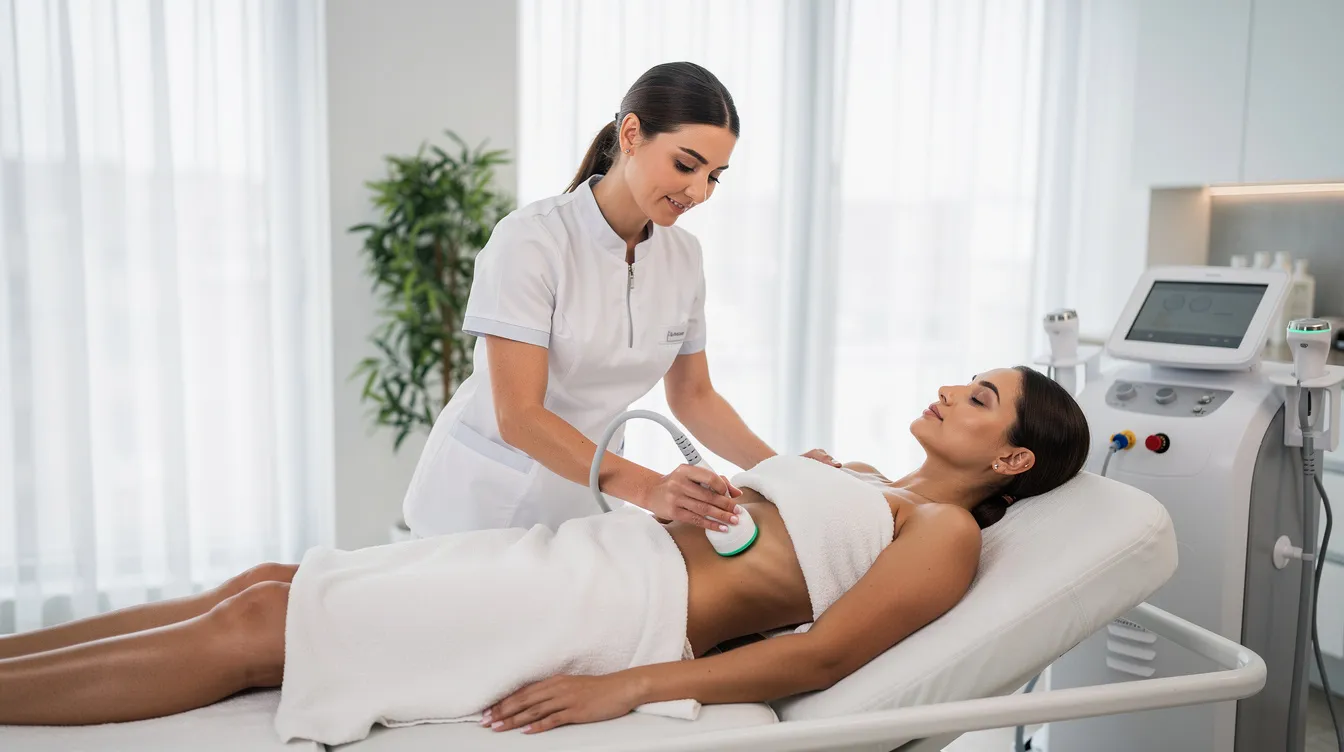
You lie on a treatment table while the target fat pocket is marked. Gel, protective membranes, or applicators may be placed depending on the technology.
Expect cold then numbness for fat freezing, deep warmth for RF or laser, tingling for ultrasound, and intense contractions for muscle devices. Pain is usually minimal discomfort, and many people read or relax.
After Treatment: Recovery, Side Effects, and When You’ll See Results
Most treatments in non-surgical body contouring allow patients to return to daily activities immediately, and optimal results usually require more than one treatment session. Redness, swelling, numbness, tenderness, and rare bruising are common.
Hydration, gentle walking, and avoiding aggressive massage or extreme heat for 24–48 hours may be advised. Some people notice changes in 2–3 weeks, most see clear improvement by 8–12 weeks, and full results can take 3–6 months. Destroyed fat cells are gone permanently, but remaining fat cells can enlarge with weight gain.
How to Choose the Right Non-Surgical Body Contouring Treatment for You
There is no single best option for every body. Use this quick filter:
| Main goal | Often best matched with |
|---|---|
| Reduce a moderate fat bulge | Cryolipolysis or laser |
| Tighten loose skin plus small fat pockets | RF skin tightening |
| Treat a defined fat pocket without suction | Ultrasound fat reduction treatments |
| Treat double chin | Deoxycholic acid |
| Improve definition | RF plus electromagnetic muscle stimulation |
A provider with more than one technology can recommend the right sequence, such as fat freezing first, then RF to tighten skin. Always verify training, device clearance, safety screening, and real before-and-after photos. The FDA also explains how non-invasive body contouring technologies differ from surgery.
Maintaining Your Results: Lifestyle, Skin Quality, and Follow-Up
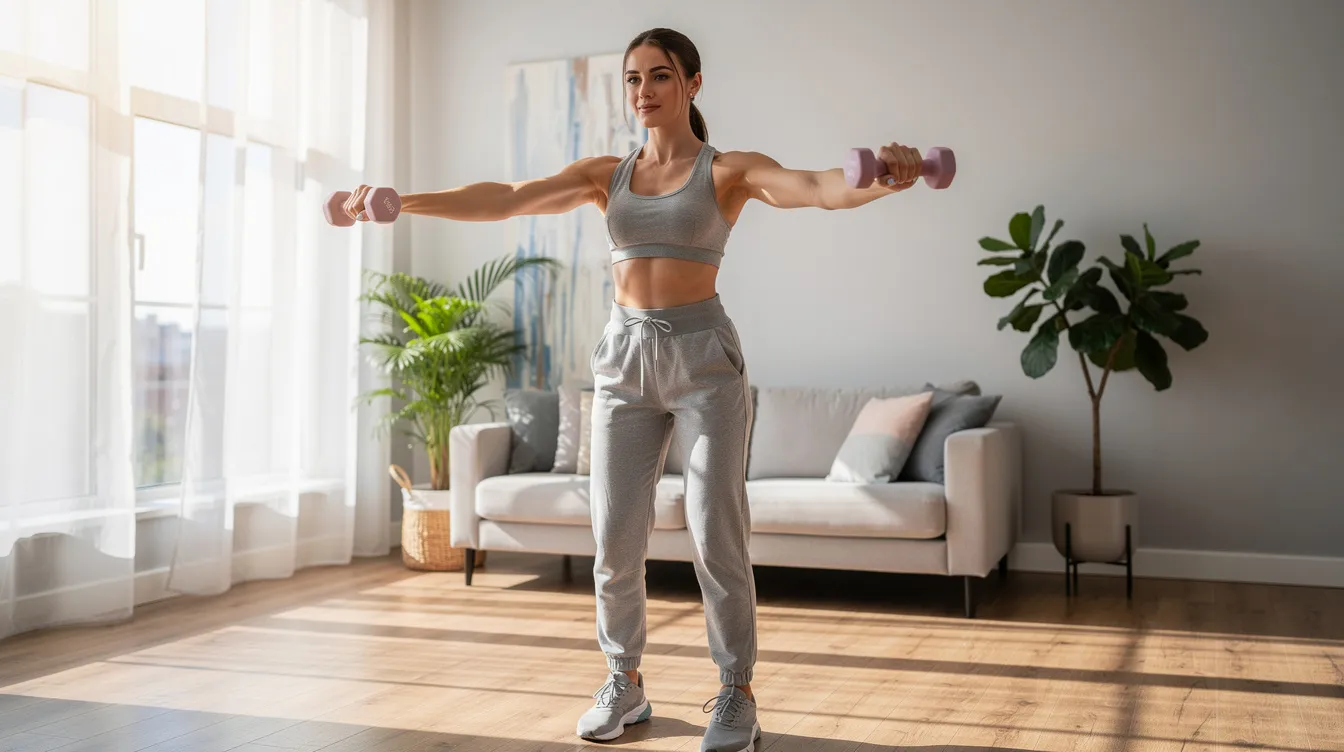
Non invasive body contouring is an investment. Keep results sharp with stable weight, strength training, adequate protein, hydration, sleep, and a healthy lifestyle.
If you gain weight, remaining fat cells can expand even though treated fat cells are reduced. Skin quality also changes with aging, so sunscreen, skincare, and periodic RF or laser tightening may help patients prone to loose skin.
Many patients schedule maintenance once or twice a year, especially for RF or muscle-toning treatments.
FAQs About Non-Surgical Body Contouring
Does non surgical body contouring really work?
Yes, for the right candidate. The best results happen when the concern is localized stubborn fat, mild loose skin, or definition rather than overall weight loss.
Is it painful?
Most treatments are tolerable. You may feel cold, warmth, suction, buzzing, or contractions, but most patients describe the discomfort as temporary.
How many sessions will I need?
Many people need multiple sessions. Cryolipolysis may need one or two per area, RF often needs 3–6, ultrasound may need 1–3, and injectables often need 2–6.
Are results permanent?
Destroyed fat cells do not regenerate in the same way. However, weight gain can enlarge remaining fat cells and soften the result.
Can these treatments tighten loose skin?
Yes, some can tighten mild laxity. RF is especially useful because it can stimulate collagen production, but severe excess skin usually needs surgery.
How much does it cost on average?
Costs vary by area, device, and provider. CoolSculpting averages $1,723 nationally, SculpSure can range from $300 to $1,500 per session, Liposonix can range from $1,500 to $3,000, and Kybella averages $640 per vial.
Is there a best age to have body contouring?
There is no perfect age. Skin elasticity, health status, goals, and weight stability matter more than age.
Is it safe long term?
Serious complications are rare when FDA-cleared devices are used by qualified providers. Risks like burns, nerve irritation, paradoxical adipose hyperplasia, or injection-related issues are uncommon but should be discussed before treatment.
Conclusion: Is Non-Surgical Body Contouring Right for You?
Non-surgical body contouring can reduce targeted fat cells, tighten mild loose skin, and refine your shape without a surgical procedure. It is best for shaping specific areas, not replacing weight loss.
Results are gradual, but they can be long-lasting when paired with a healthy lifestyle and stable weight. If stubborn fat persists despite consistent habits, a customized consultation can help you compare technologies and choose an effective treatment.
To explore the best non surgical body contouring treatments for your goals, schedule a personalized consultation and ask which approach fits your body, timeline, and budget. With the right plan, body contouring treatments can help you feel more confident in your own skin.