
If you eat well, exercise, and still have a fat pocket that will not budge, you are not imagining it. Areas like the lower abdomen, flanks, upper arms, thighs, and double chin can hold on to stubborn fat even when your weight is stable.
That is where modern body contouring can help. Today’s non surgical treatments can reduce fat, tighten skin in selected cases, and refine proportions without traditional cosmetic surgery, large incisions, or extended recovery.
Table of Contents
- What Is Non Surgical Fat Reduction?
- How Do Non Surgical Fat Reduction Treatments Work?
- Main Types of Non Surgical Fat Reduction Technologies
- Who Is a Good Candidate for Non Surgical Fat Reduction?
- Common Treatment Areas: Belly Fat, Double Chin, and More
- What to Expect Before, During, and After a Fat Reduction Procedure
- Results, Safety, and Side Effects
- Costs, Number of Sessions, and How to Plan Your Treatment
- Non Surgical vs Surgical Fat Reduction: Which Is Right for You?
- How to Maintain Your Fat Loss and Body Contouring Results
- Why Choose Our Clinic for Non Surgical Body Contouring
- Frequently Asked Questions About Non Surgical Fat Reduction
What Is Non Surgical Fat Reduction?
Non-surgical fat reduction uses energy-based devices or injectables to destroy fat cells or shrink fat cells without incisions, general anesthesia, or surgical procedures. It is often referred to as non-invasive lipolysis, a method to reduce stubborn fat pockets without surgery or downtime.
These treatments are designed for body contouring, not significant weight loss. In other words, they can help reduce exercise resistant fat in localized areas, but they are not meant to help you lose weight the way medical weight loss, nutrition changes, or bariatric care might.
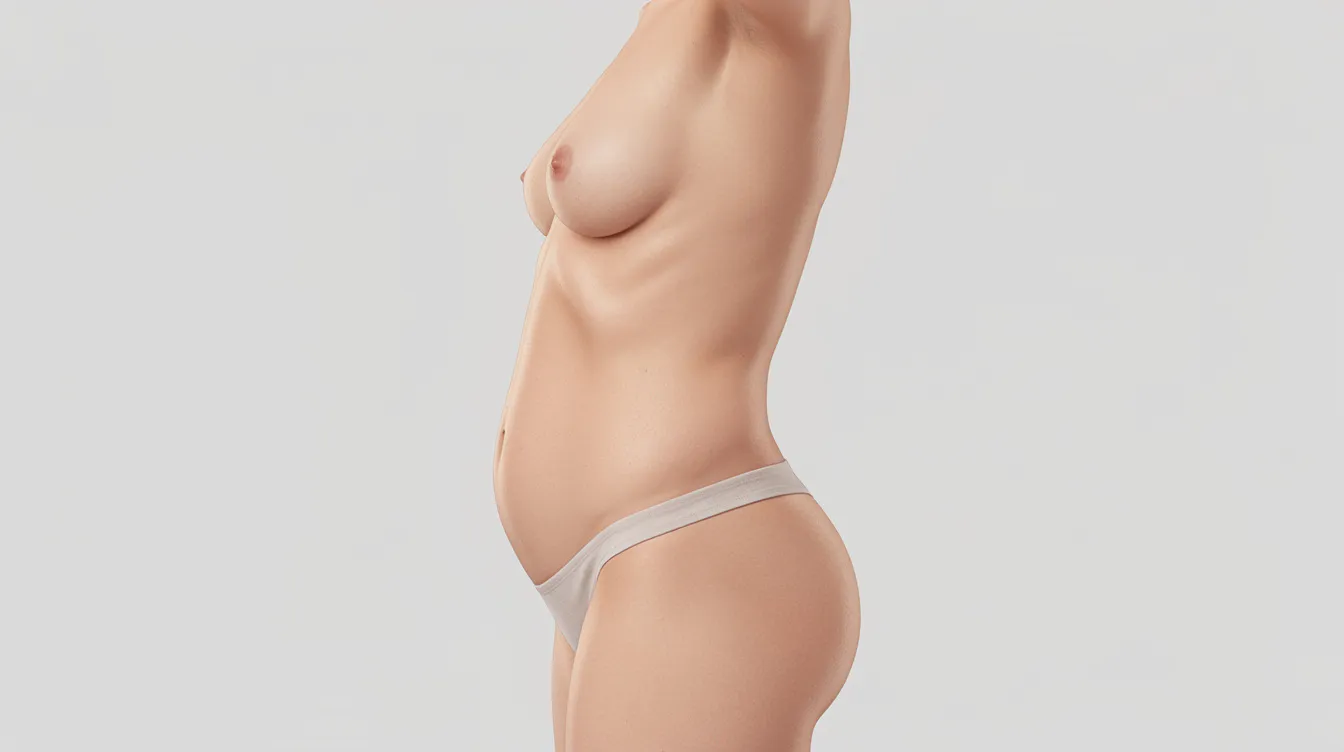
The goal is to target subcutaneous fat cells under the skin while preserving the skin, nerves, blood vessels, muscle, and surrounding tissues. Compared with liposuction or plastic surgery, non surgical fat removal usually involves less downtime, slower results, and more modest fat removal, but it can be a strong option for people who want gradual reshaping.
How Do Non Surgical Fat Reduction Treatments Work?
Most fat reduction treatments work in one of two ways: they either damage unwanted fat cells so the body removes them, or they temporarily reduce fat cells by encouraging stored lipids to exit. Effective non-surgical fat reduction methods use temperature control, sound waves, or injections to destroy fat cells permanently.
These treatments work by damaging or destroying fat cells, which are then naturally processed and eliminated by the body. Your lymphatic system and immune cells clear damaged fat cells gradually, usually over 6–12 weeks, which is why noticeable results build slowly rather than appearing overnight.
Here is the simple breakdown:
- Cold-based treatments use controlled cooling to create frozen fat cells that the body clears.
- Heat-based treatments, including laser fat removal and RF, heat subcutaneous fat cells and may stimulate collagen production.
- Ultrasound waves disrupt fat cell walls at a precise depth.
- Injectable fat-dissolving agents typically use synthetic forms of deoxycholic acid to destroy fat cell membranes in localized fat pockets.
- Electromagnetic treatments focus on muscle toning, building muscle, and increasing local fat metabolism.
Most fat reduction procedures are performed in-office, take about 25–60 minutes per treatment area, and require multiple treatments for best body sculpting results.
Main Types of Non Surgical Fat Reduction Technologies
Treatments for non-surgical fat reduction include cryolipolysis, laser lipolysis, ultrasound cavitation, and injection lipolysis. In 2026, many clinics also use radiofrequency, red light therapy, and electromagnetic body sculpting devices.
Specific device brands vary, but the categories below will help you understand which non invasive fat option may fit your goals.
Fat Freezing (Cryolipolysis)
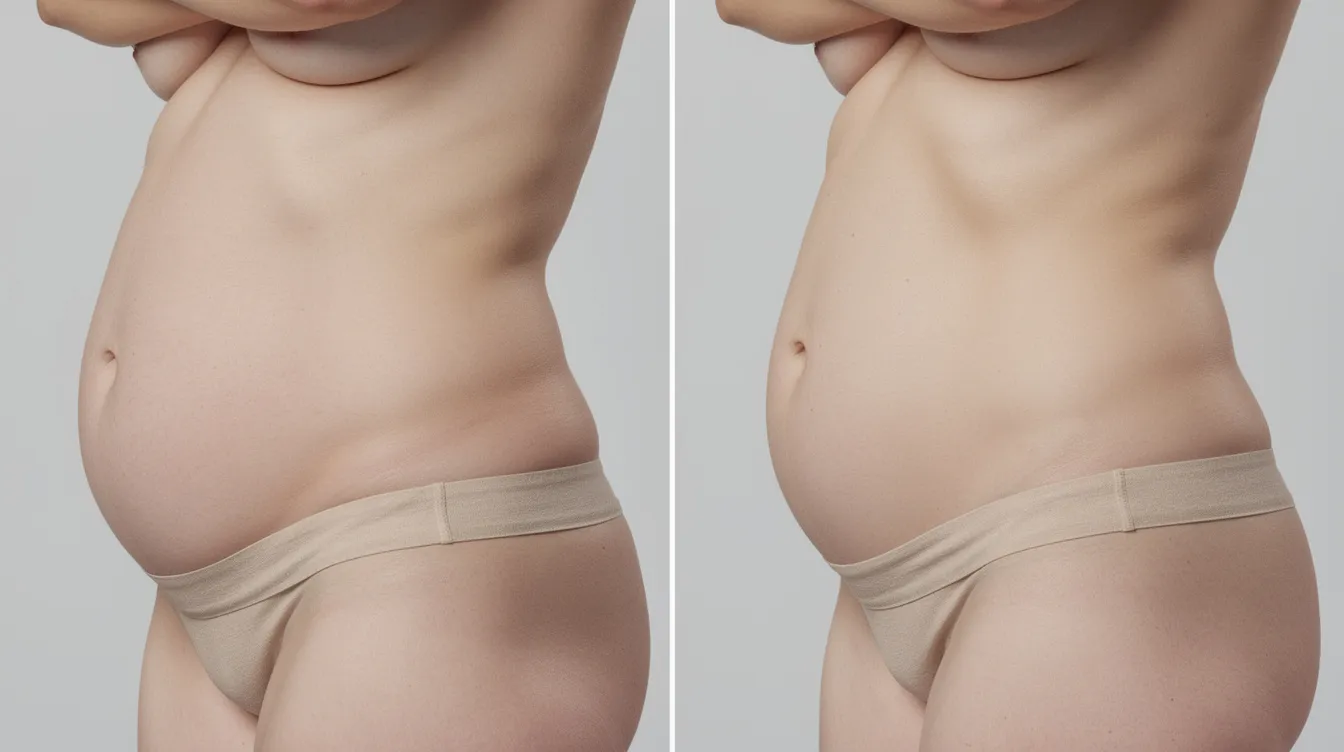
Fat freezing, or cryolipolysis, uses controlled cooling to crystallize and destroy targeted fat cells. Cryolipolysis, commonly known as CoolSculpting, is a non-invasive technique that uses extreme cold to destroy fat cells without harming surrounding tissues, making it effective for targeted fat reduction.
Cryolipolysis, commonly known as CoolSculpting, is a noninvasive technology that uses extreme cold to dismantle fat cells without harming surrounding tissues. This selectivity works because fat cells are more cold-sensitive than skin, muscle, and nerves, leaving surrounding tissues unharmed when performed properly.
Common areas include belly fat, love handles, inner and outer thighs, upper arms, bra fat, back rolls, and under the chin. A session often lasts 35–60 minutes, and cryolipolysis treatments can reduce fat in the targeted area by up to 25% per session, with results becoming visible over the following weeks as the body eliminates the destroyed fat cells.
Most patients start seeing change around four weeks, with continued improvement up to 3–4 months.
Laser Fat Reduction and Laser Lipolysis
Laser fat reduction uses controlled heat to break down stubborn fat cells while protecting the skin surface with cooling. Laser fat reduction, such as SculpSure, utilizes controlled heat delivered through a specific laser wavelength to break down subcutaneous fat cells while protecting the skin.
Laser fat removal, such as SculpSure, utilizes focused laser energy to heat and break down fat cells, with results typically visible within six weeks and considered permanent as long as weight is maintained. Laser fat removal treatments typically show visible results around six weeks after the procedure, with final results appearing within 12 weeks.
External laser pads are non surgical, while minimally invasive laser lipolysis may involve tiny incisions and suction. This article focuses on the non invasive procedure, although minimally invasive options can be discussed if a patient needs more aggressive sculpting.
Common areas include the stomach, flanks, thighs, upper arms, and submental region. Most patients need a series of treatment sessions, often around 25 minutes per area.
Radiofrequency (RF) Body Contouring
Radiofrequency body contouring heats the fat layer and deeper skin to encourage fat cell breakdown, collagen production, and skin tightening. RF may be useful when the goal is to reduce fat and tighten skin at the same time.
RF is often used on the abdomen, flanks, and thighs. It can be contact or contactless, and it usually feels warm, similar to a heating pad. Some studies report fat reduction in the 15–20% range, with newer RF plus muscle stimulation research showing measurable waist and fat-thickness changes.
A typical course is 4–6 sessions spaced weekly or biweekly. RF can also support smoother skin when mild loose skin is present, but it cannot replace surgery for major laxity.
Ultrasound Fat Reduction
Ultrasound fat reduction treatments use focused ultrasound waves to disrupt fat cell walls at a set depth, allowing the body to metabolize and eliminate unwanted fat. Ultrasound fat reduction employs focused sonic waves to disrupt fat cell walls, allowing the fat to be metabolized by the body, with treatments like UltraShape and Liposonix being FDA cleared.
Ultrasound fat reduction therapies, like UltraShape and Liposonix, use focused sonic waves to disrupt fat cell walls, allowing the body to metabolize and eliminate the fat, typically resulting in a 15-20% reduction per session. High intensity focused ultrasound may be helpful for dense, stubborn belly fat and muffin-top areas.
Patients often need 1–3 sessions spaced 2–4 weeks apart. Discomfort is usually mild and short-lived, often described as warmth, tingling, pressure, or a brief pins and needles sensation.
Red Light Therapy for Shrinking Fat Cells
Red light therapy uses specific red and near-infrared wavelengths to make fat cells temporarily “leaky,” allowing stored lipids to exit. Red light therapy, such as UltraSlim, employs specific wavelengths of light to trigger fat cells to release their contents, leading to a reduction in fat cell volume without destroying the cells themselves.
That distinction matters. Red light may shrink fat cells, but it does not usually eliminate fat cells the way cryolipolysis, ultrasound, laser heat, or deoxycholic acid can.
Treatment is usually relaxing, with the patient lying under panels. It is commonly used on the belly, hips, thighs, and arms, often with three or more treatments and healthy habits for sustained fat loss.
Electromagnetic Body Sculpting (Building Muscle and Burning Fat)
Electromagnetic body sculpting uses HIFEM or similar technology to create deep muscle contractions that are stronger than voluntary exercise contractions. This supports building muscle while increasing local fat metabolism.
It is best suited for areas where shape depends on both muscle and body fat, such as the abdomen, buttocks, arms, and calves depending on device clearance. It is not pure fat removal, but it can improve tone and definition.
A common protocol is 30-minute sessions, usually 4–6 treatments scheduled 2–3 days apart. Full results often appear around 8–12 weeks.
Injectable Deoxycholic Acid for Double Chin and Small Pockets
Deoxycholic acid is a bile acid analogue that helps break down dietary fat. In cosmetic use, it is injected into a small treatment area to eliminate fat cells by disrupting fat cell walls.
Injectable deoxycholic acid, known as Kybella, is FDA-approved for reducing localized fat, particularly under the chin, by breaking down fat cells on contact, with results considered permanent after a series of treatments. It is most often used for submental fullness, or a double chin, although some practices use it cautiously for other tiny stubborn pockets.
Treatment usually involves topical numbing, a grid of small injections, and a 20–30 minute visit. Most patients need 2–6 sessions spaced 4–8 weeks apart, with swelling and tenderness for several days.
Who Is a Good Candidate for Non Surgical Fat Reduction?
The best candidates are close to a healthy weight, usually within about 10–20 pounds of their ideal weight, and have localized bulges that resist diet and exercise. These treatments target specific, stubborn fat pockets that resist traditional diet and exercise.
Common goals include smoothing belly fat after pregnancy or weight loss, reducing flanks, slimming thighs, refining a double chin, or contouring upper arms and bra rolls. Extremely high BMI can reduce effectiveness, so medical weight management or surgical fat reduction may be recommended first.
A quick candidate checklist:
- Stable weight for 3–6 months
- Realistic expectations about gradual fat loss
- Good skin elasticity and limited loose skin
- No active infection in the treatment area
- No pregnancy or nursing
- No cold sensitivity disorders for fat freezing
- No implanted electronic devices for electromagnetic treatments
Verification of the provider’s credentials, such as being a licensed, board-certified dermatologist or plastic surgeon, is crucial in non-surgical fat reduction. In some cases, plastic surgeons or dermatology providers may also discuss surgical fat options if non surgical treatments are unlikely to achieve noticeable results.
Common Treatment Areas: Belly Fat, Double Chin, and More
Non surgical fat reduction is best for defined areas, not overall weight loss. The abdomen is popular because stubborn belly fat is influenced by hormones, age, stress, sleep, and genetics. Combining fat reduction treatments with nutrition, resistance training, and a healthy lifestyle usually creates the best long-term outcome.
Flanks often respond well when there is pinchable fat. Thighs, upper arms, back, bra line, and knees may benefit from customized device placement. For the double chin, deoxycholic acid injections or small applicator-based devices can refine the jawline without cosmetic surgery.
Patients often notice a smoother profile in photos, a better clothing fit, and more balanced proportions rather than a dramatic scale change.
What to Expect Before, During, and After a Fat Reduction Procedure
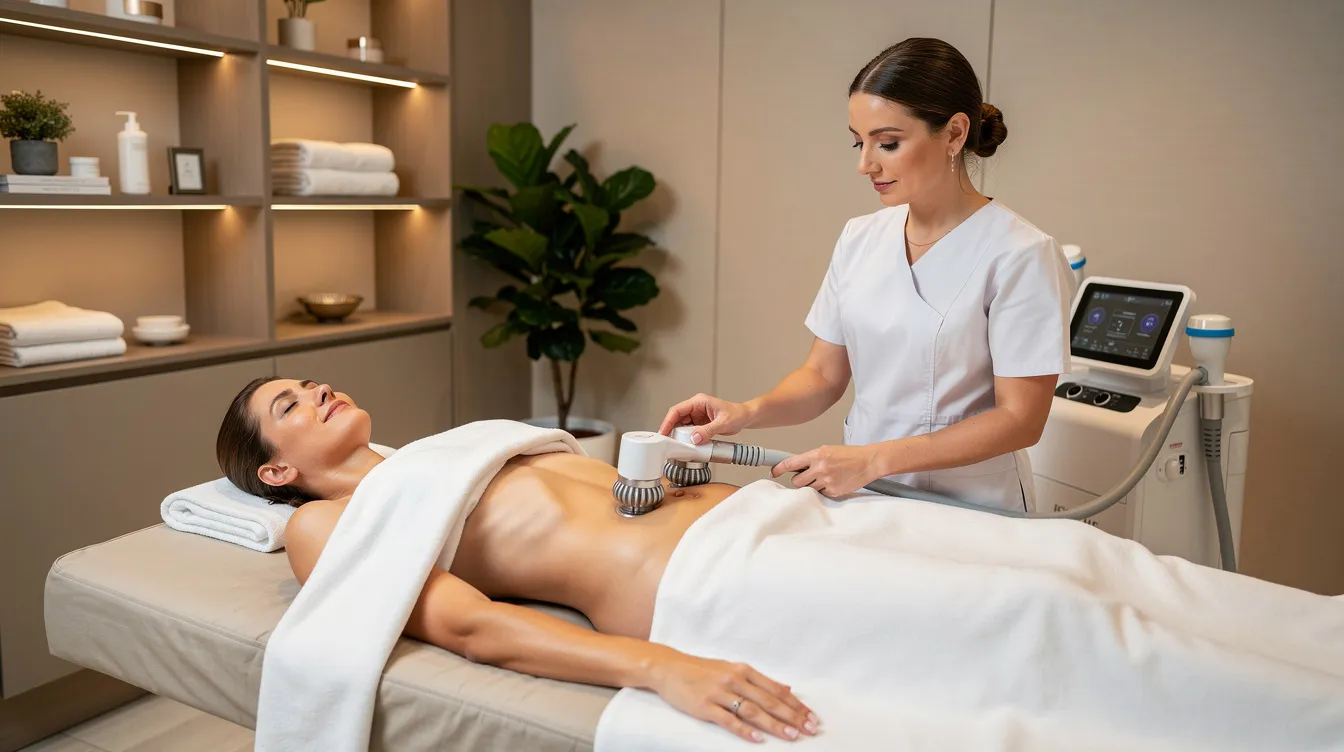
Your process usually includes consultation, treatment sessions, and follow-up evaluations. During the consultation, we review your health history, examine problem areas, take photos, and create a treatment plan that may combine options, such as fat freezing plus RF for skin tightening.
On treatment day, you may arrive 10–15 minutes early for markings, photos, pads, gel, or applicator placement. You may feel cold and tugging with cryolipolysis, warmth with RF or laser, tingling with ultrasound, muscle contractions with electromagnetic devices, or stinging with injections.
Non-surgical fat reduction treatments are generally considered safe and involve little to no downtime, with most side effects being mild and temporary, such as redness, swelling, or bruising. Patients may experience a brief stinging or ‘pins and needles’ sensation during non-surgical fat reduction treatments, but these sensations typically resolve quickly after the procedure.
Simple timeline:
- Week 0–1: Mild redness, swelling, numbness, soreness, or bruising may occur.
- Week 4–6: Many patients begin to see early contour changes.
- Week 8–12: Results become more visible.
- Month 3–6: Gradual aesthetic results from non-surgical fat reduction typically emerge over 3 to 6 months.
Results, Safety, and Side Effects
The U.S. Food and Drug Administration (FDA) has cleared non-surgical fat reduction treatments as safe alternatives to liposuction, although clearance depends on the specific device and intended use. You can review the FDA’s general overview of non-invasive body contouring technologies.
Common side effects of non-surgical fat reduction procedures may include temporary swelling, bruising, and discomfort in the treated area, but serious complications are rare. Fat freezing may cause redness, numbness, tingling, firmness, or bruising; RF and laser may cause warmth and soreness; injectables may cause swelling, tenderness, and numbness.
Paradoxical Adipose Hyperplasia (PAH) is a rare complication associated with cryolipolysis where targeted fat cells increase in size instead of shrinking. A recent meta-analysis reported a pooled PAH incidence of about 0.22%, or roughly 1 in 455 patients, after cryolipolysis (study).
Destroyed fat cells in non-surgical fat reduction cannot grow back or regenerate. However, remaining fat cells can enlarge if you gain weight, so results depend on maintaining stable habits.
A good consultation should include safety screening, informed consent, honest risk discussion, and careful mapping before any cosmetic procedure.
Costs, Number of Sessions, and How to Plan Your Treatment
Pricing varies by technology, area size, location, and the number of sessions needed. Many non invasive fat removal sessions fall between roughly $300 and $1,500 per area, while larger treatment series can reach several thousand dollars.
Most patients need 1–4 sessions per area, while electromagnetic muscle-building is often done as a short intensive series. Some areas require multiple sessions, and some patients require multiple treatments when there is more than one fat pocket or when skin tightening is also needed.
Budgeting tips:
- Prioritize your top one or two areas first.
- Start 3–6 months before a major event.
- Ask whether packages, financing, or seasonal promotions are available.
- Compare the lower downtime of non surgical fat treatments with the higher single-procedure impact of liposuction.
Non Surgical vs Surgical Fat Reduction: Which Is Right for You?
Both paths can work. Non surgical fat reduction is better for fine-tuning, gradual contouring, and smaller stubborn pockets. Surgical fat reduction, such as liposuction, is more invasive but can remove larger fat volumes in one procedure.
Liposuction usually involves anesthesia, incisions, swelling, and downtime. Non surgical options usually involve little to no downtime, but results appear gradually and are more subtle. If there is significant loose skin or a larger amount of unwanted fat, a surgical consultation may be appropriate.
Some patients start with non surgical treatments and later consider surgery if goals are not met. The right choice depends on health, goals, budget, downtime tolerance, and expected degree of change.
How to Maintain Your Fat Loss and Body Contouring Results
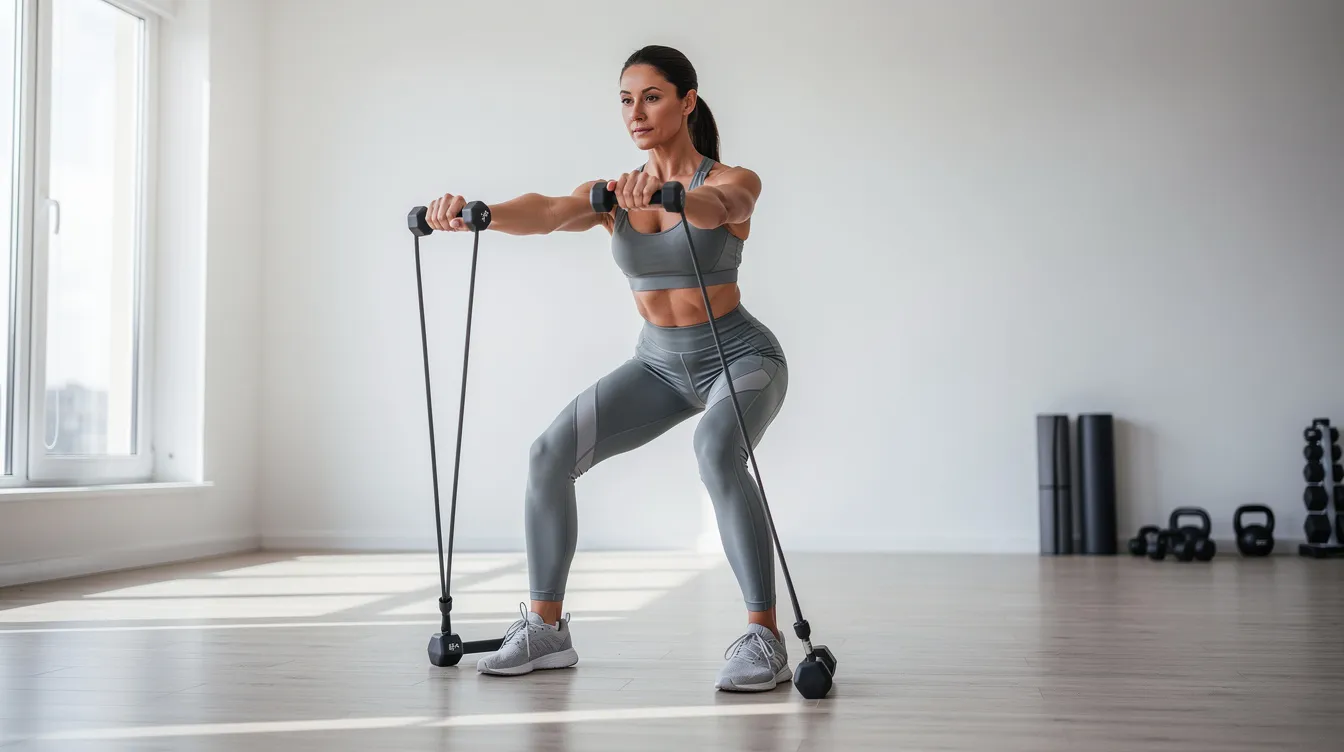
Treatments can change the number or size of fat cells, but daily habits determine long-term shape. Sustainable fat loss depends on balanced nutrition, regular resistance training, cardiovascular activity, sleep, and stress management.
Support your results by staying hydrated, limiting alcohol and ultra-processed foods, avoiding extreme weight cycling, and building muscle to improve resting metabolism. Better blood flow from movement also supports recovery and general tissue health.
Some patients schedule touch-up sessions once or twice a year, especially after red light or RF treatments. For example, someone who reduces lower belly fullness with ultrasound may maintain results with strength training, stable nutrition, and occasional RF for smoother skin.
Why Choose Our Clinic for Non Surgical Body Contouring
Our clinic takes a customized, medically supervised approach to non surgical body contouring. Instead of pushing one device for every patient, we evaluate your goals, anatomy, skin quality, fat distribution, and timeline before recommending a plan.
We focus on trained practitioners, modern FDA-cleared technologies, transparent pricing, and realistic expectations. Your plan may include fat freezing, RF, ultrasound, electromagnetic body sculpting, laser, injectables, or a staged combination.
Safety comes first. We use detailed screening, informed consent, careful mapping, and follow-up measurements to reduce risk and improve consistency. If non surgical care is not the best path, we will tell you that clearly.
Frequently Asked Questions About Non Surgical Fat Reduction
How much fat can I realistically lose?
Most non surgical treatments reduce about 15–25% of the treated fat layer per session. This is contouring, not a way to lose weight or replace weight loss care.
How long do results last?
Destroyed fat cells are permanently removed, but remaining cells can enlarge with weight gain. Long-term results depend on stable nutrition, exercise, and healthy lifestyle habits.
Does it hurt?
Most patients describe treatments as tolerable. You may feel cold, warmth, pressure, muscle contractions, stinging, or brief pins and needles sensations depending on the method.
Can I combine treatments?
Yes. Many patients combine fat freezing or ultrasound with RF skin tightening, or pair electromagnetic body sculpting with fat reduction treatments for a more defined look.
Is there an age limit?
There is no single age cutoff. Adults from their late 20s through 60s and beyond may be candidates if they are healthy, realistic, and medically appropriate.
Can I do this after pregnancy or weight loss?
Often, yes. It may help with localized belly fat, flanks, or upper arms after pregnancy or weight changes, but significant loose skin may need a different approach.
Should I exercise before or after treatment?
Exercise supports fat loss outcomes, but follow your provider’s aftercare instructions. Light movement is usually encouraged, while intense activity may be delayed briefly after injections or tender treatments.
How do I know which fat reduction treatment is best for me?
The best option depends on your fat type, skin elasticity, goals, medical history, and timeline. A personalized consultation is the safest way to choose a treatment plan.
Planning Your Next Step Toward a More Sculpted Shape
Non surgical fat reduction offers practical options for reducing stubborn fat without cosmetic surgery and with minimal downtime. These treatments can destroy fat cells, shrink fat cells, improve contour, and support a more balanced shape over several weeks to months.
The best results come from matching the right technology to the right person. Fat freezing, laser, RF, ultrasound, deoxycholic acid, red light, and muscle-building treatments all have different strengths.
If you are ready to explore your options, schedule a consultation and bring notes or photos of your goals. We will help you understand what is realistic, which treatments fit your body, and how to maintain your results with long-term habits.