
Table of Contents
- The Dual Problem No Single Device Solves
- What Endolift Actually Does Beneath the Skin
- Endolift Abdomen vs. Liposuction vs. Tummy Tuck: A Transparent Comparison
- Who Is Actually a Good Candidate — and Who Is Not
- What to Expect: Procedure Walkthrough, Recovery, and Results Timeline
- Side Effects, Safety Profile, and Realistic Expectations
- How Much Does Endolift Abdomen Cost — and How to Think About Value
- The Personalized Midsection Protocol: Combining Endolift with Liquid BBL
- Real Patient Perspectives: Questions People Actually Ask
- Quick-Decision Guide: Is Endolift Abdomen Right for You?
- Conclusion: Is Endolift Abdomen Right for You?
- Frequently Asked Questions
The Dual Problem No Single Device Solves
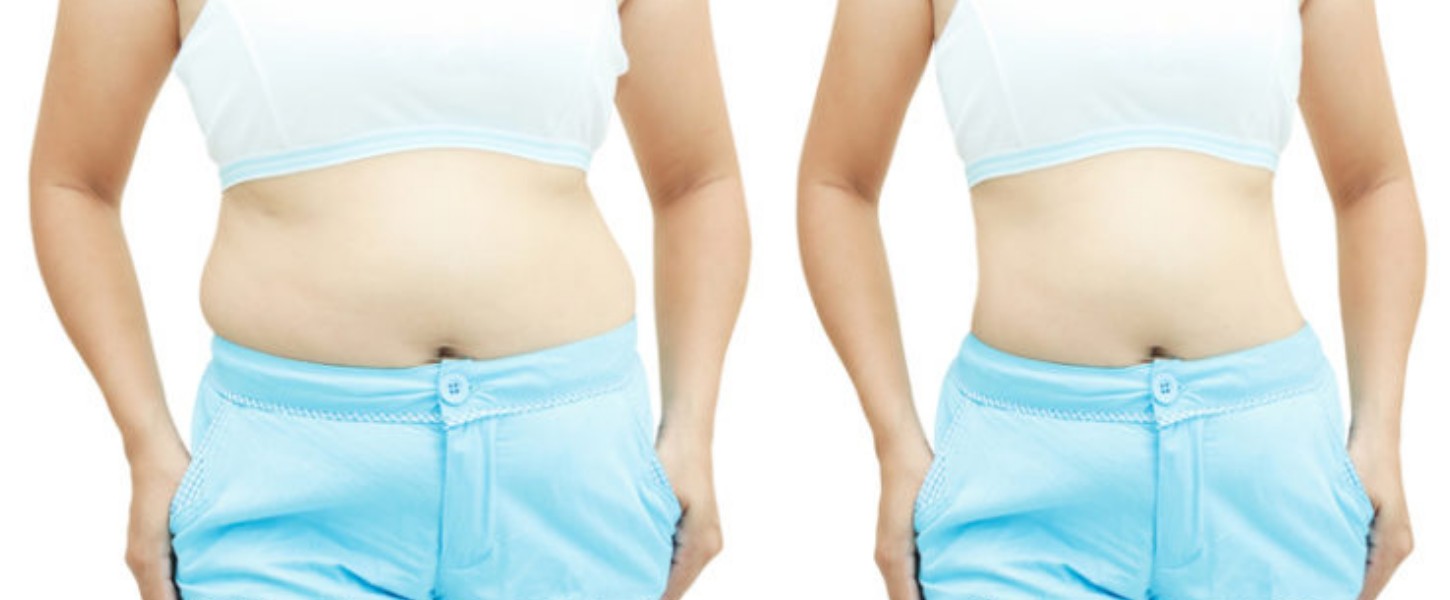
The abdomen presents a clinical challenge that most treatment devices are simply not designed to handle: fat and skin laxity almost always coexist, and they require fundamentally different biological interventions. Reduce the fat without addressing the skin, and you often make laxity more visible. Tighten the skin without addressing underlying fat volume, and the result looks compressed rather than contoured. Most non-surgical devices target one problem competently and the other incidentally, which is exactly why so many patients come away with partial results and quiet disappointment.
This is not a technology failure so much as a design mismatch. External energy devices — radiofrequency panels, cryolipolysis applicators, high-intensity focused ultrasound — deliver their energy through the skin surface, which means energy dissipates before it reaches the subdermal layer where both targeted fat and connective tissue actually reside. The physics of transcutaneous delivery create an inherent ceiling on what surface-based devices can achieve on the abdomen, where tissue depth and anatomical complexity are considerably greater than in areas like the neck or inner thighs.
Why Busy Professionals Are Right to Be Skeptical of Generic Claims
The phrase “non-surgical tummy tuck” has been applied to so many devices and procedures that it has become clinically meaningless. A genuine tummy tuck — abdominoplasty — excises skin, repositions the navel, and repairs rectus diastasis. No laser, no radiofrequency device, and no injectable treatment replicates that. Anyone marketing a non-surgical equivalent as producing comparable outcomes is either poorly informed or counting on the fact that you will not look too closely.
What patients in their late thirties through mid-fifties are actually asking for is more specific and more reasonable: meaningful fat reduction, measurable skin tightening, and results that hold without a six-week surgical recovery. That is an achievable goal. It simply requires a treatment whose mechanism actually matches that set of objectives, not a device designed for something else and repurposed through creative marketing.
The Case for a Smarter Starting Point
Before evaluating any treatment, ask one question: at what tissue depth does this intervention actually work? The answer tells you almost everything about what it can realistically deliver on the abdomen. Treatments that work at the surface address surface problems. Treatments that work subdermally — beneath the dermis, at the interface of fat and connective tissue — can simultaneously affect fat architecture and stimulate the structural proteins responsible for skin tone. That distinction is not minor. It is the entire clinical argument for why endolift abdomen produces results that surface-based alternatives cannot reliably replicate.
What Endolift Actually Does Beneath the Skin
The Subdermal Optical Fiber Difference
Endolift uses a micro-optical fiber inserted through a tiny entry point — typically under one millimeter — to deliver laser energy directly into the subdermal tissue. There is no scalpel incision, no general anesthesia, and no open wound. The fiber tip sits exactly where it needs to: beneath the dermis, in direct contact with adipose tissue and the fibrous septa that give skin its structural integrity.
This delivery method bypasses the energy dissipation problem entirely. Rather than pushing thermal energy through layers of skin to reach target tissue, Endolift places the energy source at the target. The result is precise, controlled thermal delivery with significantly less surface trauma than either surgical or transcutaneous alternatives.
Dual-Action Physiology: Fat Reduction and Collagen Remodeling
How Subdermal Fat Reduction Works
The laser energy emitted by the Endolift fiber operates at a wavelength specifically absorbed by adipocyte cell membranes. When those membranes absorb sufficient thermal energy, they rupture — a process called laser-assisted lipolysis. The released lipid content is then processed through the lymphatic system over the weeks following treatment. This is not a dramatic volume extraction the way surgical liposuction is. It is a targeted thermal disruption that reduces fat cell density in the treated zone, producing a gradual but measurable reduction in tissue bulk.
The Skin Tightening Effect: Collagen Stimulation and Tissue Retraction
Simultaneously, the controlled thermal energy denatures existing collagen fibers in the dermis and subdermal connective tissue. The body’s healing response to that denaturation is new collagen synthesis, a process that unfolds over three to six months post-treatment. As new collagen forms and matures, it creates measurable tissue retraction: the skin physically contracts toward the underlying structure. This is the mechanism behind what patients describe as a tightening effect, and it is why results continue to improve for months after a single session.
Does Endolift Work on the Stomach?
Yes, with important context. The abdomen is one of Endolift’s primary treatment areas, and the subdermal delivery mechanism is well-suited to the tissue characteristics of the stomach region. Clinical outcomes show meaningful improvement in skin laxity and modest but visible abdominal fat reduction in patients who are appropriate candidates. The word “appropriate” carries real weight here, which the candidacy section addresses directly. For well-selected patients treated by a trained provider, endolift abdomen produces genuine, measurable results.
What “Minimally Invasive” Really Means
Endolift is minimally invasive, not non-invasive. That distinction matters for setting accurate expectations. A micro-entry point is required, which means a small amount of local anesthetic is administered, a brief healing response occurs at the insertion site, and some swelling and tenderness follow treatment. This is categorically different from a device placed on the surface of your skin during a lunch-break appointment.
The tradeoff is meaningful. The micro-invasive access is precisely what allows Endolift to deliver subdermal energy and achieve results that genuinely non-invasive devices cannot. Patients who understand this distinction arrive with accurate expectations and tend to be far more satisfied with outcomes than those who conflated Endolift with a no-downtime surface treatment.
Endolift Abdomen vs. Liposuction vs. Tummy Tuck: A Transparent Comparison
| Criterion | Endolift Abdomen | Liposuction | Surgical Tummy Tuck |
|---|---|---|---|
| Invasiveness | Minimally invasive (micro-fiber entry) | Invasive (cannula incisions) | Highly invasive (excisional surgery) |
| Anesthesia | Local | Local or general | General |
| Downtime | 2–5 days social, 1–2 weeks full | 1–2 weeks | 4–6 weeks |
| Fat Reduction Capacity | Moderate | High | Moderate (concurrent lipo optional) |
| Skin Tightening Efficacy | Good (collagen remodeling) | Minimal | Excellent (physical excision) |
| Results Onset | 4–6 weeks initial, peak at 3–6 months | 4–8 weeks initial, peak at 6 months | 3–6 months post-swelling |
| Result Longevity | 2–4 years with maintenance | Long-term with stable weight | Long-term, permanent skin removal |
| Approximate Cost Range | $2,500–$5,000 per session | $4,000–$10,000+ | $8,000–$18,000+ |
| Ideal Candidate | Mild-moderate fat and laxity, BMI under 30, avoids surgery | Good skin elasticity, larger fat volume | Significant laxity, diastasis, post-major weight loss |
What Endolift Can Realistically Achieve That Surgery Cannot Offer
The comparison that matters most to most patients is not clinical — it is practical. Endolift abdomen offers something neither liposuction nor abdominoplasty can: meaningful tissue remodeling with a recovery measured in days, not weeks. For someone managing a career, childcare, or simply a life that cannot pause for six weeks of surgical healing, that gap is often the deciding factor.
Beyond recovery, Endolift produces a result quality that differs from surgery rather than approximates it. Collagen remodeling delivers gradual, natural-looking tightening without the tell-tale flatness or tension lines that can accompany surgical skin removal. Patients describe the outcome as looking like themselves again — restored rather than reconstructed. That aesthetic register is genuinely difficult to achieve surgically and is one of the reasons patients who are good candidates for either option increasingly choose the minimally invasive body contouring path.
There is also the risk profile. No general anesthesia, no open wounds, no drain management, and no risk of the seromas or delayed healing that complicate a percentage of surgical recoveries. For patients with risk aversion or contraindications to general anesthesia, Endolift is not simply a preference — it may be the only appropriate path.
What Surgery Still Does Better
Surgical liposuction removes a significantly greater fat volume in a single procedure. If the goal is dramatic fat reduction across a large surface area, endolift abdomen is not the equivalent. It is a precision contouring tool, not a high-volume extraction method.
Abdominoplasty does something Endolift cannot approach: it physically removes excess skin. For patients with genuine skin redundancy — tissue that hangs, that has lost mechanical elasticity, that will not retract regardless of how well collagen remodeling proceeds — surgical excision is the only answer. If rectus diastasis is present, no laser addresses that either. Muscle repair requires a surgeon.
Surgery has a higher ceiling and a higher floor of intervention. It can do more, but it demands more in return.
Is Endolift Better Than a Surgical Tummy Tuck?
The question contains a category error. “Better” depends entirely on what you are treating and what constraints you are working within.
Endolift abdomen outperforms abdominoplasty on recovery burden, natural-looking result quality, risk profile, and cost for patients with mild to moderate laxity and modest fat excess. Abdominoplasty outperforms Endolift on fat volume capacity, skin excision, and the ability to correct structural issues like diastasis. These are not competing products aimed at the same patient — they serve overlapping but distinct populations.
A patient who is a strong Endolift candidate does not benefit from a tummy tuck; the intervention would exceed what their anatomy requires. A patient who genuinely needs a tummy tuck will not be adequately served by Endolift, and proceeding anyway does them a disservice. The right answer is the one that fits the specific body and life in front of you.
How to Use This Comparison to Make the Right Decision
Start with candidacy, not preference. If your skin has retained baseline elasticity, your fat is subcutaneous and pinchable, and your BMI falls below 30, Endolift is a clinically sound primary option. If you are on the margin — more laxity than ideal, more fat volume than optimal — this comparison helps you understand what you are trading. Endolift will deliver improvement, not equivalence to surgery. That may still be the right trade for your life. A transparent consultation should quantify that gap honestly, not minimize it to secure a booking.
Who Is Actually a Good Candidate — and Who Is Not
The Honest Candidacy Framework
Most Endolift marketing stops at “mild to moderate laxity,” which sounds precise but leaves most patients no clearer on whether they qualify. A more useful framework looks at three specific variables: tissue composition, skin biology, and the origin of the laxity itself.
BMI Range and Body Composition
Endolift performs best in patients with a BMI below approximately 30. This is not an aesthetic judgment — it is a mechanical one. The procedure targets subdermal fat at a specific tissue depth, and in patients carrying substantial fat volume, the treatment area represents too small a proportion of overall tissue bulk to produce the visible contouring change they are seeking. Patients in this range typically need liposuction first, or instead.
Body composition also matters beyond BMI. A patient with visceral adiposity — fat stored deep within the abdominal cavity around the organs — will not see that volume affected by any subdermal laser treatment. Endolift addresses subcutaneous fat only, the layer directly beneath the skin.
Skin Quality Markers That Predict Strong Outcomes
The best candidates have skin that retains some baseline elasticity. A simple clinical test: pinch the skin and release it. Skin that snaps back relatively quickly still has functional elastin fibers and will respond well to collagen remodeling stimulation. Skin that remains tented or returns very slowly has already lost substantial structural integrity. Endolift will stimulate new collagen, but it cannot restore what years of elastin degradation have removed.
Post-Pregnancy Laxity vs. Age-Related Tissue Changes
These two presentations look similar on the surface but respond differently. Post-pregnancy abdominal laxity in patients who are otherwise in good health and within a healthy BMI range often responds well to Endolift — the skin has been mechanically stretched, but the underlying tissue biology can still mount a meaningful healing response. Age-related laxity, particularly in patients over 50 with significant photoaging or long-term skin thinning, involves more compromised collagen architecture. Results are still achievable, but expectations should be calibrated more conservatively and combination treatments become more relevant.
Lifestyle Factors That Directly Influence Your Results
Two variables predict outcomes more reliably than most clinical factors: weight stability and sun behavior. Patients who maintain their weight following treatment preserve results significantly longer than those whose weight fluctuates, because new fat cell formation and tissue re-expansion can reverse the structural changes Endolift creates. Chronic UV exposure degrades the new collagen produced during healing, shortening the effective duration of tightening results. Patients who commit to both — consistent weight management and daily sun protection — see measurably better long-term outcomes.
When Endolift Is Not the Right Answer
Some presentations genuinely require surgery, and a trustworthy provider will tell you so. Significant skin redundancy — tissue that hangs, folds, or has lost the mechanical properties needed to retract — will not resolve with any laser-based treatment. Neither will rectus diastasis, the separation of abdominal muscles that creates a persistent pooch regardless of body fat percentage. Patients who have lost 50 pounds or more and are left with apron-like skin excess need abdominoplasty, not Endolift. Recommending otherwise would be doing them a disservice.
A Practical Self-Assessment
Ask yourself these questions honestly before pursuing a consultation:
- Is my BMI below 30, and is my abdominal fat primarily soft and pinchable rather than firm and deep?
- Does my skin show some baseline rebound when I pinch and release it?
- Has my weight been relatively stable for at least six months?
- Am I looking for meaningful improvement, not a transformation equivalent to surgical intervention?
- Can I commit to 48–72 hours of reduced activity immediately following treatment?
If you answered yes to most of these, you fall within the candidate profile where endolift abdomen produces its strongest outcomes. If you answered no to several — particularly around skin quality or tissue volume — a consultation that includes a candid surgical referral conversation may serve you better than proceeding with any minimally invasive option.

What to Expect: Procedure Walkthrough, Recovery, and Results Timeline
The Treatment Experience Step by Step
The day of your endolift abdomen procedure begins with a topical anesthetic applied to the treatment area, followed by small amounts of local anesthetic injected at the micro-entry points. Most patients describe the injection phase as the most uncomfortable part — a brief, manageable sting. Once the local anesthetic takes effect, the procedure itself involves pressure and warmth rather than pain.
The optical fiber is threaded through micro-entry points typically less than one millimeter in diameter. The provider moves the fiber in controlled passes beneath the skin, delivering laser energy systematically across the treatment zone. Depending on the treatment area size, the active procedure takes approximately 30 to 60 minutes. Some patients report feeling a deep warmth or mild pulling sensation during this phase. Genuine discomfort, assuming adequate local anesthetic, is uncommon.
Immediately afterward, the treatment area is dressed, and most patients leave the clinic within one to two hours of arrival. The abdomen will feel warm, tender, and mildly firm. Some swelling begins within the first few hours.
What “Minimal Downtime” Actually Means: A Week-by-Week Reality Check
“Minimal downtime” is accurate but worth translating into specific terms.
Days 1–3
Expect tenderness, swelling, and warmth at the treatment site. Most patients can walk, manage light daily tasks, and work remotely without significant difficulty. What you will not be doing: vigorous exercise, anything that requires repeated bending or twisting, wearing fitted clothing comfortably, or feeling entirely like yourself. Compression garments are typically worn during this phase and help manage swelling.
Weeks 1–2
Swelling peaks around days two to four and then begins to subside. By the end of week one, most patients with desk-based work have returned to their professional schedule. Physical labor or high-intensity training should wait until week two at minimum. Bruising, if present, resolves across this window. The abdomen may still feel firm or slightly indurated beneath the skin — this is normal tissue healing, not a complication.
Weeks 3–6
This is the phase where expectations most need anchoring. Swelling continues to resolve, and the first signs of tissue tightening become visible. The collagen remodeling process, however, has only just begun. Results at this stage are a preview, not the finished picture. Patients who understand this remain patient. Those who expected to see full results by week four tend to be prematurely disappointed.
How Many Endolift Sessions Are Needed for the Abdomen?
Most patients achieve their target outcome with one to two sessions. A single session addresses mild to moderate concerns in well-qualifying candidates. A second session, typically spaced three to six months after the first, is appropriate when the initial result is positive but the patient wants additional refinement, or when the treatment area is large enough that a staged approach was planned from the outset.
The abdomen is a larger canvas than the neck or inner arms, which is why provider assessment at consultation should include an explicit session recommendation rather than a generic “one or two treatments” response. A provider who can tell you specifically why they are recommending one versus two sessions — based on your tissue characteristics — is demonstrating clinical rigor. That specificity matters.
The Full Results Timeline
Results at 4–6 Weeks
By weeks four to six, the structural changes from laser-assisted lipolysis are beginning to register visibly. Swelling has largely resolved, and you can start to distinguish the early contour change from residual post-procedural tissue response. Skin may appear subtly firmer. These early changes are reliable positive indicators — they signal that the tissue responded well — but they represent roughly 30 to 40 percent of the final result.
Peak Results at 3–6 Months
The full benefit of endolift abdomen becomes visible between three and six months post-treatment. This is when newly synthesized collagen has matured sufficiently to produce measurable tissue retraction. Patients who photograph their abdomen consistently across this window often observe the most pronounced change occurring between months two and four — a gradual tightening that accumulates week over week. Peak results at six months represent the complete expression of everything the procedure initiated biologically.
How Long Do Endolift Results Last?
Results are not permanent, but they are durable. Most patients maintain their outcome for two to four years, with longevity influenced primarily by weight stability and continued collagen turnover. A touch-up session at two to three years can extend results by re-initiating the remodeling cycle before significant regression occurs. Patients who treat a touch-up as proactive maintenance rather than a sign of failure tend to build a consistent long-term outcome that compares favorably with the cumulative recovery burden of periodic surgical revisions.
Post-Procedure Care: Protecting Your Investment
The behaviors in the weeks following treatment directly influence how well your results develop and how long they hold.
- Wear your compression garment consistently during the first two weeks to reduce swelling and support tissue retraction.
- Avoid high-impact exercise for two weeks to prevent trauma to the healing subdermal tissue.
- Stay well-hydrated to support lymphatic clearance of disrupted lipid content.
- Apply broad-spectrum SPF daily to the abdomen, especially if the area is exposed to sun, as UV exposure degrades the collagen being actively synthesized.
- Maintain your weight. Weight gain after Endolift does not erase results immediately, but it expands remaining fat cells and stretches the newly remodeled tissue, accelerating regression.

Side Effects, Safety Profile, and Realistic Expectations
Common Side Effects of Endolift Abdomen
The most common side effects are swelling, tenderness, and bruising in the treatment area — all expected responses to subdermal laser energy that typically resolve within one to two weeks. Some patients experience a firm or indurated sensation beneath the skin as tissue heals, which reflects the early collagen response and resolves as remodeling progresses. Temporary numbness or altered skin sensitivity at the treatment site is less common but documented, and resolves in most cases within several weeks.
Distinguishing Expected Responses from Genuine Complications
The side effects above are normal. Complications are different in character: prolonged warmth or redness extending beyond the treatment site, signs of infection at the entry points, asymmetrical firmness that persists beyond six weeks, or blistering at the skin surface. These warrant prompt contact with your provider. They are uncommon when the procedure is performed correctly, but recognizing the difference between normal healing and something that requires clinical attention is a practical skill every patient should have before leaving the clinic.
A Candid Risk-Benefit Assessment
No minimally invasive procedure is risk-free, and Endolift is no exception. The documented risk profile includes the possibility of superficial burns if the fiber is placed too shallowly, contour irregularity if energy delivery is uneven, and infection at entry points if post-procedure hygiene protocols are not followed. These risks are real and should be part of every pre-procedure consent conversation.
In context, the risk profile compares favorably to surgical alternatives. General anesthesia carries its own systemic risks. Liposuction involves larger cannula incisions and greater tissue disruption. Abdominoplasty has documented complication rates for seroma, wound dehiscence, and extended healing. Endolift’s risk ceiling is lower in absolute terms. The question is never zero-risk versus some risk — it is whether the specific risk-benefit ratio fits your clinical profile and personal tolerance.
Is Endolift Safe for Abdominal Skin Tightening?
Endolift has a published safety record across multiple treatment areas, and its use on the abdomen is supported by clinical data and practitioner experience. The laser wavelengths used are well-characterized in terms of tissue interaction, and the subdermal delivery method reduces surface trauma compared to transcutaneous devices operating at comparable energy levels. For appropriate candidates treated by trained providers, the safety profile supports confident clinical use.
Patients with certain skin conditions, active infections, pregnancy, or implantable electronic devices require individual assessment before treatment. A thorough intake process is part of what separates a credible provider from one offering a standardized booking.
The Role of Provider Expertise in Safety and Outcomes
The single largest variable in both safety and outcome quality is the skill and training of the provider delivering the treatment. Endolift requires precise fiber placement, accurate energy settings calibrated to individual tissue characteristics, and the clinical judgment to adjust technique in real time. A provider who performs the procedure infrequently or who applies a standardized protocol regardless of patient anatomy will produce different results than one with deep procedural experience and a genuinely personalized approach.
This is not a trivial point. The same device in different hands produces meaningfully different outcomes. When evaluating a clinic, ask specifically about the volume of endolift abdomen procedures they perform, how they individualize energy settings, and what their protocol is if results fall short of expectation. The quality of those answers tells you a great deal about what your experience will be.
How Much Does Endolift Abdomen Cost — and How to Think About Value
Average Cost Per Session
Endolift abdomen typically ranges from $2,500 to $5,000 per session in the United States. The variation reflects treatment area size, provider experience, geographic market, and whether the session includes consultation, compression, and follow-up within the quoted fee. A single session covers most patients with defined, targeted concerns. Two sessions, for patients requiring additional refinement or treating a larger surface area, bring the total investment to roughly $5,000 to $10,000.
These figures should appear in your initial consultation in writing, with a clear explanation of what is and is not included. Pricing that only emerges after multiple follow-up contacts, or that changes between consultation and booking, is worth noting as a process flag.
Endolift Cost in Context
Liposuction for the abdominal area typically costs $4,000 to $10,000 and requires the addition of anesthesia fees, facility fees, and compression garments. Surgical tummy tuck costs range from $8,000 to $18,000 and above, before accounting for the same add-on costs plus the indirect cost of six weeks of reduced professional and personal capacity. For a high-earning professional, the opportunity cost of surgical recovery is not trivial.
Endolift abdomen, in this context, is not the cheap option. It is the more cost-efficient option for patients whose clinical profile it fits. The goal is not to spend less — it is to spend appropriately for the outcome you actually need.
Longevity, Touch-Up Frequency, and Long-Term Cost
Over a ten-year horizon, the cost comparison shifts considerably. A single abdominoplasty at $12,000 plus recovery costs produces a one-time, largely permanent result for skin that was surgically excised. Endolift results lasting two to four years, with touch-ups at roughly $3,000 to $4,000 per session, represent a recurring investment. The cumulative cost over a decade is roughly comparable when surgical revision rates and the compounding costs of surgical recovery are factored in.
The more useful comparison is not which option costs less in total — it is which option fits your life across time. A patient who values the ability to re-calibrate their treatment as their body changes may find the flexibility of a maintainable non-surgical protocol more aligned with their priorities than a permanent surgical result that cannot be adjusted.
Evaluating ROI When the Goal Is Confidence
The patients who feel most satisfied with their Endolift investment are not the ones who achieved the most dramatic visible change. They are the ones who articulated a specific, realistic goal before treatment — a particular fit issue, a clothing category they wanted to wear comfortably again, a baseline confidence in their professional appearance — and who achieved that goal.
The practical question to ask yourself before committing: if this procedure delivers the outcome range described in my consultation, will that change my daily experience in a way that justifies the investment? If the answer is clearly yes, the cost decision becomes straightforward. If you are uncertain, that uncertainty is worth exploring in consultation before booking.
The Personalized Midsection Protocol: Combining Endolift with Liquid BBL
Why One Treatment Rarely Tells the Whole Story
The abdomen is not a single problem — it is a composition problem. Skin laxity, fat distribution, and volume proportions each contribute to what you see in the mirror, and they rarely require the same intervention. Endolift abdomen addresses the first two effectively. But for patients who have lost projection or curve definition — the visual distinction between waist and hip that signals a shaped rather than simply flattened result — fat reduction and tightening alone may leave the outcome feeling incomplete.
What Liquid BBL Adds: Contouring, Projection, and Proportion
Liquid BBL uses injectable filler placed strategically in the hip and gluteal region to restore or enhance projection and shape without surgery. Where Endolift works by reducing and retracting, Liquid BBL works by adding precisely placed volume. The combination addresses what neither treatment covers alone: Endolift refines the abdominal surface while Liquid BBL restores the surrounding proportional frame.
The visual logic is straightforward. A tighter, flatter abdomen reads differently — more dramatically — when it is framed by curves that draw the eye. Patients who treat the abdomen in isolation sometimes achieve a result they struggle to fully appreciate because the reference points around it have not changed. Restoring hip projection creates the visual contrast that makes abdominal refinement register as transformation rather than maintenance.
How the Protocol Works: Sequencing and Synergy
Endolift is typically performed first. The abdominal tissue needs several weeks to begin its remodeling process, and the swelling from treatment temporarily alters the visual landscape of the midsection. Attempting volumetric enhancement before that baseline has settled produces placement decisions based on a body that does not yet reflect final results.
Liquid BBL is typically scheduled six to eight weeks after Endolift, once early results are visible and swelling has resolved. At that point, the treating provider can assess the actual post-Endolift contour and place volume relative to a realistic baseline. This sequencing is not a scheduling preference — it is clinical accuracy.
Treating sequentially rather than simultaneously allows each intervention to be calibrated to the body that exists after the preceding treatment, not the body that existed at intake. A provider who assesses volume placement after seeing your Endolift result is working with real information. One who maps out an entire combination protocol at the first consultation — before any tissue has responded — is essentially guessing at one of the two critical variables. The outcome of a well-sequenced protocol reflects a qualitatively different clinical process: one where each decision is made relative to actual results, not projected ones.
Who This Protocol Is Designed For
The ideal candidate for the Endolift and Liquid BBL protocol shares characteristics with the strong Endolift candidate, with one addition: they are seeking comprehensive midsection transformation rather than isolated improvement. Specifically, this protocol suits patients who:
- Have subcutaneous fat and mild to moderate abdominal laxity that Endolift can address
- Have experienced natural hip narrowing or flattening through weight loss, aging, or post-pregnancy changes
- Want a shaped, proportional midsection rather than simply a reduced one
- Are at a stable weight and committed to maintaining it across both treatment phases
Patients whose primary concern is skin tightening without volume restoration do not require the combination. The protocol is for those whose goals include definition and proportion, not only surface improvement.

Real Patient Perspectives: Questions People Actually Ask
“Is It Actually Worth It?”
For patients within the appropriate candidate profile, the answer is consistently yes — with a specific qualifier. Worth depends entirely on goal alignment. Patients who enter treatment expecting dramatic volume reduction or a result equivalent to surgery come away disappointed, not because the procedure failed but because the consultation failed them. Patients who enter with accurate expectations — meaningful tightening, visible contour improvement, a result that holds for two to three years — report high satisfaction.
The clearest signal that a procedure is worth it is when the result changes a specific daily behavior. A patient who starts wearing fitted clothing again, who stops dreading the pool, or who carries themselves differently in professional environments — that behavioral shift represents realized value more honestly than any before-and-after photograph.
“Did It Hurt?”
The local anesthetic injections are the most uncomfortable part of the procedure for most patients — a brief sting, comparable to a dental injection. Once the anesthetic is active, the procedure itself involves warmth and pressure rather than pain. Some patients describe a mild pulling sensation as the fiber moves subdermally. Genuine pain during the procedure, assuming adequate anesthesia, is uncommon enough to be worth reporting to your provider if it occurs.
Post-procedure tenderness for the first 48 to 72 hours is real and should be expected. Most patients describe it as soreness similar to a hard workout, manageable with over-the-counter analgesics. By day four or five, the acute tenderness phase has resolved for most.
“How Noticeable Are the Results?”
Results are noticeable — to you, to people who know your body, and in photographs taken before and after. They are not the kind of transformation that prompts a stranger to ask whether you had something done. Patients who value that discretion consider it a feature. Those who expected a more dramatic visible shift sometimes find the subtlety frustrating.
The most accurate description is that endolift abdomen produces a refined version of your body rather than a reconstructed one. Clothes fit differently. The midsection looks cleaner and more defined. The change is visible and real — it arrives gradually and reads as natural rather than clinical.
Illustrative Scenarios Across Common Patient Profiles
The Post-Pregnancy Professional Seeking Definition Without Surgical Recovery
A patient in her late thirties, two children, BMI 27, with soft abdominal laxity and a skin pinch-test that shows reasonable rebound. She has maintained her weight for 18 months and works full time. Surgery has never been a realistic option. A single Endolift session targeting the central and lower abdomen, followed by Liquid BBL six weeks later to restore hip definition, delivers the comprehensive midsection result she has wanted for years — with three days of reduced activity rather than six weeks of surgical recovery.
The 45-Year-Old Who Has Maintained Weight but Lost Skin Elasticity
A patient who is genuinely fit, BMI 24, no significant fat excess, but whose skin has lost structural integrity through normal aging. He notices that the abdomen that was firm at 35 now has a softness that persists regardless of exercise. His pinch-test returns slowly. Endolift is appropriate with calibrated expectations: collagen remodeling will improve firmness and tone measurably, but will not restore 35-year-old skin architecture. One session delivers visible improvement. He understands he is investing in optimization rather than restoration — and that framing matches the outcome he experiences.
Quick-Decision Guide: Is Endolift Abdomen Right for You?
| Factor | What to Know |
|---|---|
| Ideal candidate | BMI under 30, subcutaneous (pinchable) fat, skin with some elasticity remaining, stable weight for 6+ months |
| Realistic result range | Visible tightening and mild-to-moderate fat reduction; refined contour, not dramatic volume change |
| Typical sessions | 1 session for most patients; 2 sessions for larger areas or additional refinement |
| Approximate cost | $2,500–$5,000 per session; $5,000–$10,000 for two-session protocols |
| One question to ask at your consultation | “Based on my specific tissue characteristics, what result range do you realistically expect — and what would make you recommend surgery instead?” |
Conclusion: Is Endolift Abdomen Right for You?
The Real Breakthrough Is Personalization, Not the Technology Alone
Endolift is a well-designed tool. But the outcome gap between patients who achieve transformative results and those who achieve modest ones is not explained by the device — it is explained by the protocol built around it. Candidacy precision, energy calibration to individual tissue characteristics, thoughtful sequencing with complementary treatments, and post-procedure support all contribute more to final outcome quality than the laser itself.
This is the argument the article has built toward: the technology is the foundation, and personalization is what determines whether you reach the ceiling of what that foundation can support. A personalized combination-based treatment protocol — tailored to your specific skin laxity, fat distribution, and aesthetic goals — delivers midsection results that neither surgery nor any single non-invasive device can achieve alone.
What a Genuine Consultation Should Look and Feel Like
A consultation worth your time begins with assessment, not a pitch. The provider should examine your tissue, ask about your weight history and goals, and offer a specific recommendation based on what they find — including the honest clinical answer if surgery is the better path. You should leave with a clear sense of what results are realistic for your specific anatomy, how many sessions that target requires, and what the total investment looks like.
If a consultation feels like a booking appointment with an assessment component rather than a clinical evaluation with a potential booking outcome, that ordering matters. It tells you where the process is centered.
How MEDSPA MD Group’s Approach Differs
At MEDSPA MD Group, the initial consultation is structured as a clinical assessment, not a sales conversation. The provider evaluates your tissue characteristics, reviews your goals, and builds a recommendation that fits your body and your life — including whether endolift abdomen is the right primary treatment, whether combination with Liquid BBL serves your goals, and whether surgery would serve you better than either.
The result is a protocol, not a price list. Patients leave the consultation with a clear treatment rationale, a realistic outcome range, and a specific session recommendation grounded in what the provider observed — not a generic template dressed up with their name on it.
Book Your Personalized Abdominal Contouring Assessment
If the candidacy framework in this article resonates with your situation, the most useful next step is a direct clinical evaluation. Reading builds a foundation; assessment translates it into a specific plan for your body.
Book your personalized abdominal contouring assessment with MEDSPA MD Group. Arrive with your questions. Leave with a plan you can trust.
Frequently Asked Questions
Yes. The abdomen is one of Endolift’s primary treatment areas, and the subdermal optical fiber delivery mechanism is well-suited to the tissue characteristics of the stomach region. Clinical outcomes demonstrate meaningful improvement in abdominal skin laxity and visible subcutaneous fat reduction in appropriate candidates. Results are most consistent in patients with a BMI under 30, pinchable subcutaneous fat, and skin that retains some baseline elasticity.
Endolift abdomen typically ranges from $2,500 to $5,000 per session in the United States, with variation based on treatment area size, provider experience, and geographic market. Patients requiring two sessions for larger areas or additional refinement can expect a total investment of $5,000 to $10,000. A reputable provider will present all costs clearly in writing at the initial consultation, including what is and is not included in the quoted fee.
The most common side effects are swelling, tenderness, and bruising at the treatment site, all of which are expected responses to subdermal laser energy and typically resolve within one to two weeks. Some patients experience a firm or indurated sensation beneath the skin during the early healing phase, which is a normal part of the collagen remodeling response. Temporary numbness or altered skin sensitivity is less common and resolves in most cases within several weeks.
Most patients maintain their outcome for two to four years, with longevity influenced primarily by weight stability and sun protection habits — both of which directly affect the integrity of the new collagen produced during healing. A proactive touch-up session at two to three years can re-initiate the remodeling cycle and extend results before significant regression occurs.
The honest answer depends entirely on your specific anatomy and life circumstances. Endolift abdomen outperforms abdominoplasty on recovery burden, natural-looking result quality, risk profile, and cost for patients with mild to moderate laxity and modest fat excess. A tummy tuck, however, remains the only appropriate answer for patients with significant skin redundancy, rectus diastasis, or post-major-weight-loss tissue excess — conditions that no laser-based treatment can adequately address. A candid consultation with a qualified provider is the most reliable way to determine which path genuinely fits your presentation.
Most patients experience two to five days of social downtime and one to two weeks before returning to full physical activity. During the first few days, expect tenderness, swelling, and warmth at the treatment site, along with the need to wear a compression garment. The majority of patients with desk-based work return to their professional schedule by the end of week one. High-intensity exercise and physical labor should wait until week two at minimum.