
Table of Contents
- The ‘Medical-Grade’ Claim Almost Everyone Is Making
- What “Medical Spa MD” Actually Means — and What It Doesn’t
- How to Vet a Medical Spa MD: Credentials, Red Flags, and the Questions That Reveal the Truth
- The Technology Advantage: Why Advanced Modalities Outperform Standard Offerings
- Personalized Treatment Planning: What Happens When the Consultation Actually Works
- Synergistic Protocols: Why the Right Combination of Treatments Delivers More Than Any Single Service
- Understanding the Investment: What Premium Aesthetic Care Costs — and What Choosing Poorly Costs More
- The Standard You Deserve — and Your Next Step Toward It
- Frequently Asked Questions
The ‘Medical-Grade’ Claim Almost Everyone Is Making
Open ten med spa websites at random and you will find the same language on every one: “medical-grade treatments,” “advanced technology,” “natural-looking results.” The phrases are so ubiquitous they have lost all meaning. The problem is not that these claims are false. It is that they are impossible to distinguish. When every provider describes itself identically, the language stops functioning as a signal and starts functioning as noise.
This matters because the actual differences between providers are significant, and in some cases consequential. The phrase “medical-grade” tells you nothing about who is overseeing your care, which protocols govern your treatment, or whether the person injecting you has the clinical training to recognize and manage a vascular complication.
What Most Aesthetic Clinics Leave Out of Their Service Menus
A service menu lists procedures. It rarely lists the reasoning behind them, the training required to perform them safely, or the clinical judgment needed to know when not to recommend them. The omissions are instructive.
Most clinics do not publish their oversight model, meaning who holds the medical license that makes prescription treatments legal, and how involved that physician actually is. They do not publish their complication protocols. They do not explain how they customize treatment sequences or how they approach a client who asks for more volume than is advisable. The gap between what a clinic advertises and what it actually delivers in practice is where most disappointments and most risks live.
The Proactive Professional’s Dilemma: High Standards, Low Tolerance for Risk
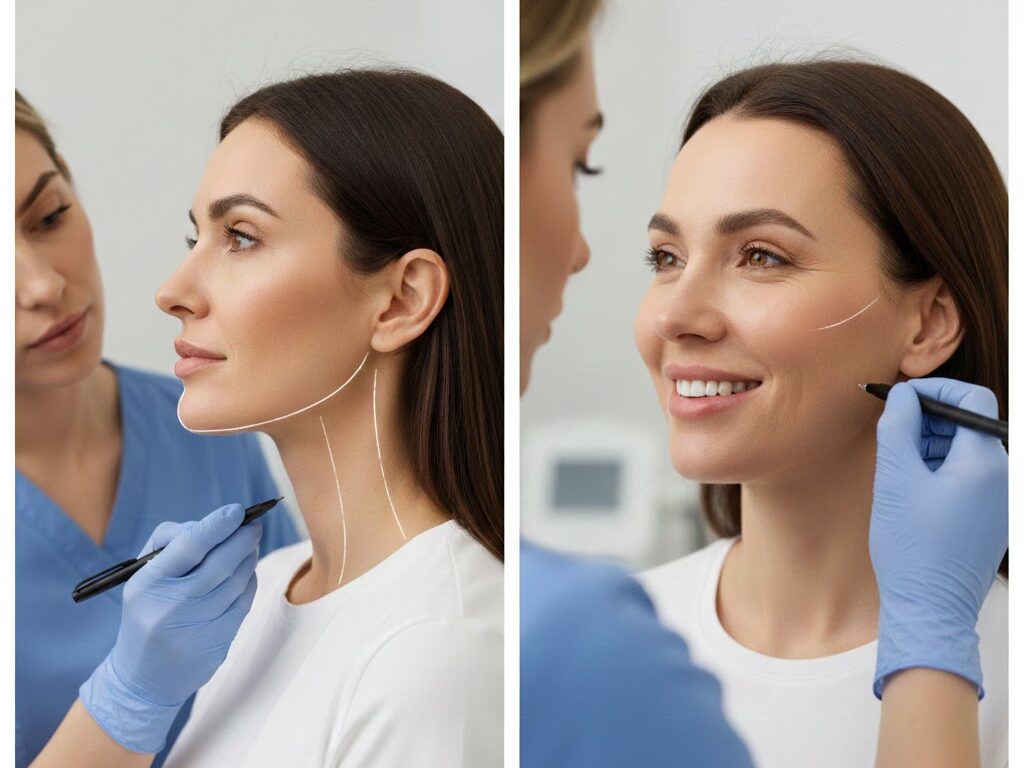
If you are a high-achieving professional evaluating aesthetic care, you bring a particular lens to this decision. You have built a career on accurate information and sound judgment. You know the difference between marketing and evidence. And you are not afraid to invest in quality, but you are acutely skeptical of providers who overpromise. And you carry a specific fear that does not appear on any consultation form: the fear of looking like you had work done.
That fear is rational. The “overdone” aesthetic, with overfilled cheeks, a frozen forehead, and features that look altered rather than refreshed, is almost always the result of a provider optimizing for the wrong outcome. Whether that is volume sold, a signature look, or a technique applied uniformly rather than thoughtfully, the result is the same. The antidote is not a more cautious provider. It is a more clinically sophisticated one.
What Actually Separates a Medical Spa MD from the Aesthetic Clinic Down the Street
The distinction comes down to three things that operate together: the credentials and active involvement of the overseeing physician, the sophistication of the technology the practice deploys, and the depth of the personalization process that precedes any treatment. A practice can excel at one of these and still produce inconsistent results. When all three are present and integrated, the outcome changes qualitatively, not just in the quality of individual treatments, but in the coherence of your results over time.
What “Medical Spa MD” Actually Means — and What It Doesn’t
Defining the Term: Physician Oversight, Not Just a Title on the Door
A medical spa MD is not a branding choice. It is a structural description of how a practice operates. Specifically, it means that a licensed physician is the medical director of record, that physician-prescribed treatments are ordered and supervised with genuine clinical involvement, and that the standard of care reflects a medical framework, not purely an aesthetic one.
That last point is where many practices diverge from the model even while claiming it. A physician’s name on a door satisfies a regulatory requirement. A physician’s active presence in your treatment plan is a different standard entirely.
How a Medical Spa MD Differs from a Day Spa, a Cosmetic Surgery Practice, and a Med Spa Chain
The Day Spa vs. Medical Spa Distinction
A traditional day spa operates under a cosmetology or esthetics license. Its practitioners can provide skin care, relaxation treatments, and certain superficial modalities, but they cannot administer prescription medications, operate class IV lasers, or perform injectables. The boundary is not arbitrary. It reflects the level of training required to manage the risks associated with those treatments.
A medical spa operates under a medical license. That license is what makes dermal fillers, neuromodulators, weight loss injections, and advanced laser platforms legally and clinically appropriate to offer. The presence of that license, and the physician accountability that comes with it, is the foundational difference.
The Surgical Practice vs. Non-Surgical Aesthetic Clinic Distinction
A cosmetic surgery practice is optimized for surgical outcomes. The expertise, the facility, the recovery infrastructure — all of it is calibrated toward procedures that involve anesthesia, incisions, and significant downtime. That expertise is real and, for the right candidate, irreplaceable.
A physician-led medical spa occupies a different position. Its value lies in producing meaningful, natural-looking results through non-surgical modalities: technologies like Endolift for tissue lifting, Liquid BBL for non-surgical volume and contouring, and evidence-based injectables for clients who want genuine improvement without surgical recovery. The goal is not to approximate surgery. It is to achieve the outcomes that non-surgical approaches do best, with the clinical rigor that makes those outcomes predictable.
What Does “Spa MD” Mean When You See It in a Brand Name?
Not much on its own. Brand names that incorporate “MD” or “medical” are not regulated designations. A practice can use that language without having a physician on-site, without active physician oversight of treatments, and without the infrastructure that genuine medical direction requires. The name signals intent, not structure.
What you are looking for is the model: who holds the medical license, what that physician’s role is in your care, and how the practice documents and manages clinical accountability.
The Regulatory Reality: Why Physician Oversight Is Non-Negotiable for Safety
Most states require a physician medical director for any practice offering prescription-only treatments. What varies significantly is how rigorously that requirement is enforced and how substantively individual practices interpret it. A medical director who reviews paperwork quarterly is not the same as one who participates in treatment planning, reviews outcomes, and is available when something unexpected occurs.
This is not a theoretical concern. Complications from fillers, including vascular occlusion, require immediate, physician-directed intervention. GLP-1 weight loss protocols require ongoing medical monitoring and dose management. Advanced laser treatments involve energy levels that, applied incorrectly, cause lasting skin damage. Physician oversight is not a credential to check. It is a safety system.
How to Evaluate Any Aesthetic Provider: The Five-Dimension Vetting Framework
Use this rubric before booking a consultation anywhere. Assess each provider honestly across five dimensions.
1. Credentials and Oversight
- Traditional spa: Licensed aesthetician, no physician involvement, no prescription treatments
- Standard med spa: Physician medical director on record, variable involvement in day-to-day care
- Physician-led medical spa MD: Active physician participation in treatment planning and oversight, board-certified medical director accessible to patients
2. Technology Depth
- Traditional spa: Topical treatments, basic facials, non-energy devices
- Standard med spa: Entry-level lasers, standard injectables, common body sculpting platforms
- Physician-led medical spa MD: Advanced modalities including Endolift, Liquid BBL, and clinical-grade laser platforms, with evidence-based protocols and technology selected for clinical outcomes rather than trend appeal
3. Personalization Process
- Traditional spa: Menu-based selection, no clinical intake
- Standard med spa: Consultation focused on services rather than goals, limited customization
- Physician-led medical spa MD: Comprehensive intake, physician-informed treatment sequencing, plans built around individual anatomy and lifestyle
4. Safety Protocols
- Traditional spa: Minimal contraindication screening
- Standard med spa: Standard intake forms, inconsistent complication protocols
- Physician-led medical spa MD: Documented complication management, physician oversight for adverse events, clear escalation pathways
5. Downtime Transparency
- Traditional spa: No meaningful downtime considerations
- Standard med spa: Downtime is discussed superficially or minimized in a sales context
- Physician-led medical spa MD: Realistic, treatment-specific recovery guidance integrated into planning, with protocols designed around client schedules where clinically appropriate
A provider that scores at the physician-led level across all five dimensions is the exception, not the rule. That gap is exactly why the distinction matters.
How to Vet a Medical Spa MD: Credentials, Red Flags, and the Questions That Reveal the Truth
What Qualifications Should an Aesthetic Provider Actually Have?
The credential that matters most is not always the one on the wall. Understanding the hierarchy helps you ask better questions.
Board Certification Benchmarks Worth Knowing
Physicians performing or overseeing aesthetic treatments should hold board certification in a field with direct anatomical relevance. Dermatology, plastic and reconstructive surgery, and facial plastic surgery represent the highest alignment. Physicians certified in other specialties can develop genuine aesthetic expertise, but their training pathway matters more, and you should ask directly how they built their aesthetic-specific knowledge.
The Difference Between a Licensed Aesthetician, a Nurse Injector, and a Board-Certified Physician
A licensed aesthetician is trained in skin care, exfoliation, and topical treatments. They cannot inject, prescribe, or operate class IV laser devices. A registered nurse or nurse practitioner can administer injectables and operate certain devices under physician supervision, and many develop significant clinical skill. A board-certified physician brings diagnostic training, pharmacological depth, and the ability to recognize and manage complications that a nurse practitioner may need to escalate.

None of these roles is automatically superior in every context. What matters is the scope of practice, the quality of supervision, and whether the person in front of you is operating within their training or at its edges.
What “Master Injector” Certification Signals — and What It Doesn’t Guarantee
“Master injector” is a marketing designation, not a regulated credential. It is awarded by device companies, training academies, and distributors, often after short courses. A provider who holds this title may be extraordinarily skilled. They may also have completed a weekend seminar. The title tells you someone completed a program. It does not tell you what that program required, who taught it, or how competency is assessed over time. Ask about the specific training, not the label.
How Do I Know If a Medical Spa Provider Is Trustworthy?
Trust in an aesthetic provider is earned through transparency, not asserted through credentials. Start by looking for what they volunteer without being asked: the physician’s name and specialty, their complication protocol, and how they handle outcomes that fall short of expectations. Practices with genuine clinical rigor do not hesitate on these questions. Practices that deflect or pivot to marketing language usually reveal why.
Verify the physician’s license and board certification through your state medical board. Confirm their malpractice coverage status. Read reviews with attention to what clients describe, not just how many stars they give. A consistent pattern of comments referencing natural results and honest guidance is a meaningful signal. A pattern of vague enthusiasm without specifics tells you very little.
Red Flags That Should End the Conversation
- The provider cannot name the physician medical director or explain that physician’s involvement in your care
- The consultation begins with treatment recommendations before any intake or goal discussion
- Pricing is structured around packages or volume rather than your specific treatment plan
- Staff cannot explain what happens if you experience a complication or adverse reaction
- Before-and-after photos show a consistent aesthetic across all patients rather than results that appear individualized
- You are discouraged from asking questions or told a concern is “not something to worry about”
Green Flags That Signal Clinical Rigor and Genuine Personalization
- The medical director’s credentials are published and verifiable, and their involvement in treatment planning is explained specifically
- The consultation focuses on your goals and concerns before any service is mentioned
- The provider tells you what they would not recommend for you and explains why
- Downtime expectations are addressed honestly, including realistic scenarios rather than optimistic ones
- The practice can describe its complication management protocol without hesitation
Three Questions to Ask During Your First Call
Three questions surface the most useful information quickly. First: “Who is the medical director, and what is their specialty and board certification?” Second: “If I had a complication after treatment, what is your protocol?” Third: “Can you describe a situation where you recommended a patient do less than they originally asked for?” The answers do not need to be perfect. They need to be honest, specific, and unhesitating.
The Technology Advantage: Why Advanced Modalities Outperform Standard Offerings
Why the Service Menu Is the Wrong Thing to Compare
Every med spa lists Botox. Most list laser treatments and some version of body contouring. The service menu tells you what a practice offers. It does not tell you why they selected those technologies, what clinical evidence supports each one, or whether the devices they operate are current-generation or several cycles behind. Compare the reasoning, not the list.
Evidence-Based vs. Trend-Chasing: How to Tell the Difference
A practice that adopts every new treatment as it enters the market is not innovative. It is reactive. Evidence-based practices add modalities when clinical data supports them and retire offerings when better options emerge. When you ask a provider why they use a specific technology, the answer should reference outcomes, mechanism of action, and patient selection criteria, not social media popularity or a recent industry launch.
Liquid BBL: How It Works and Who It’s Right For
The Mechanism of Action, Explained Clearly
Liquid BBL achieves gluteal volume and contouring through precisely injected biostimulatory fillers, placed strategically to add projection, shape the waist-to-hip ratio, and restore volume lost to age or weight fluctuation. There is no liposuction, no fat harvesting, no general anesthesia, and no surgical recovery. The treatment works by layering volume where the anatomy needs it, using products that also stimulate the body’s own collagen production over time.
Why Non-Surgical Body Contouring Produces Natural-Looking Volume Without Surgical Risk
Because the outcome is achieved through precise placement rather than transplanted tissue, the results integrate with your natural anatomy. There is no risk of fat necrosis, no asymmetry from uneven fat survival, and no lengthy recovery that conflicts with a professional schedule. Results develop gradually and remain adjustable, which is a significant advantage for anyone who wants to see natural progression rather than a sudden change.
Endolift: The Non-Surgical Lifting Technology Redefining Facial Rejuvenation
How Endolift Differs from a Traditional Facelift and Standard Skin Tightening
A traditional facelift repositions tissue surgically, with weeks of recovery and results that can appear pulled if not executed with precision. Standard radiofrequency or ultrasound skin tightening works at the surface or superficial tissue level and produces modest, gradual improvement. Endolift operates differently. A micro-optic laser fiber is introduced under the skin through a tiny insertion point, delivering targeted laser energy directly to the subcutaneous tissue layer where structural support originates.
Clinical Rationale: Why Laser-Induced Tissue Remodeling Delivers Lasting Lift
The direct energy delivery triggers immediate tissue retraction and initiates a collagen remodeling response that continues for months after the procedure. Because the energy source is inside the tissue rather than applied from the outside, the depth and precision of effect exceeds what surface-based devices can achieve. Results are typically visible within weeks and continue to develop for up to six months, with recovery measured in days rather than weeks.
Laser Genesis, HydraFacial, and the Skin Health Foundation That Amplifies Every Other Treatment
Advanced treatments produce better, longer-lasting results when the underlying skin is in good condition. Laser Genesis stimulates collagen through gentle, non-ablative laser energy delivered in sessions that require no downtime. HydraFacial provides medical-grade exfoliation, extraction, and hydration in a single appointment. Neither treatment is dramatic in isolation. Together, and as the foundation beneath injectables or lifting modalities, they significantly improve how results look and how long they last.
Weight Loss Injections and GLP-1 Protocols: Where Medical Oversight Becomes Essential
GLP-1 agonists are prescription medications with systemic effects. They require baseline metabolic assessment, ongoing dose management, and monitoring for side effects that can span cardiovascular, gastrointestinal, and musculoskeletal changes. A medical spa offering these medications without active physician oversight is not operating within the standard of care. The aesthetic implications of rapid weight loss, including volume loss in the face and body, also require a coordinated treatment response that a non-physician provider cannot plan safely or comprehensively.
Are Medical Spa Results Permanent? What a Realistic Maintenance Schedule Looks Like
No non-surgical aesthetic treatment is permanent, and any provider who suggests otherwise is overstating the evidence. Neuromodulators typically last three to four months. Hyaluronic acid fillers last nine to eighteen months depending on the product and placement. Biostimulatory fillers and Endolift effects are longer-lasting because they work through tissue remodeling rather than temporary material presence, but they too diminish over time. A realistic maintenance plan accounts for this honestly. At a well-structured practice, your first consultation should produce a projected treatment calendar, not just a one-time plan.
Personalized Treatment Planning: What Happens When the Consultation Actually Works
Is a Consultation Just a Sales Appointment?
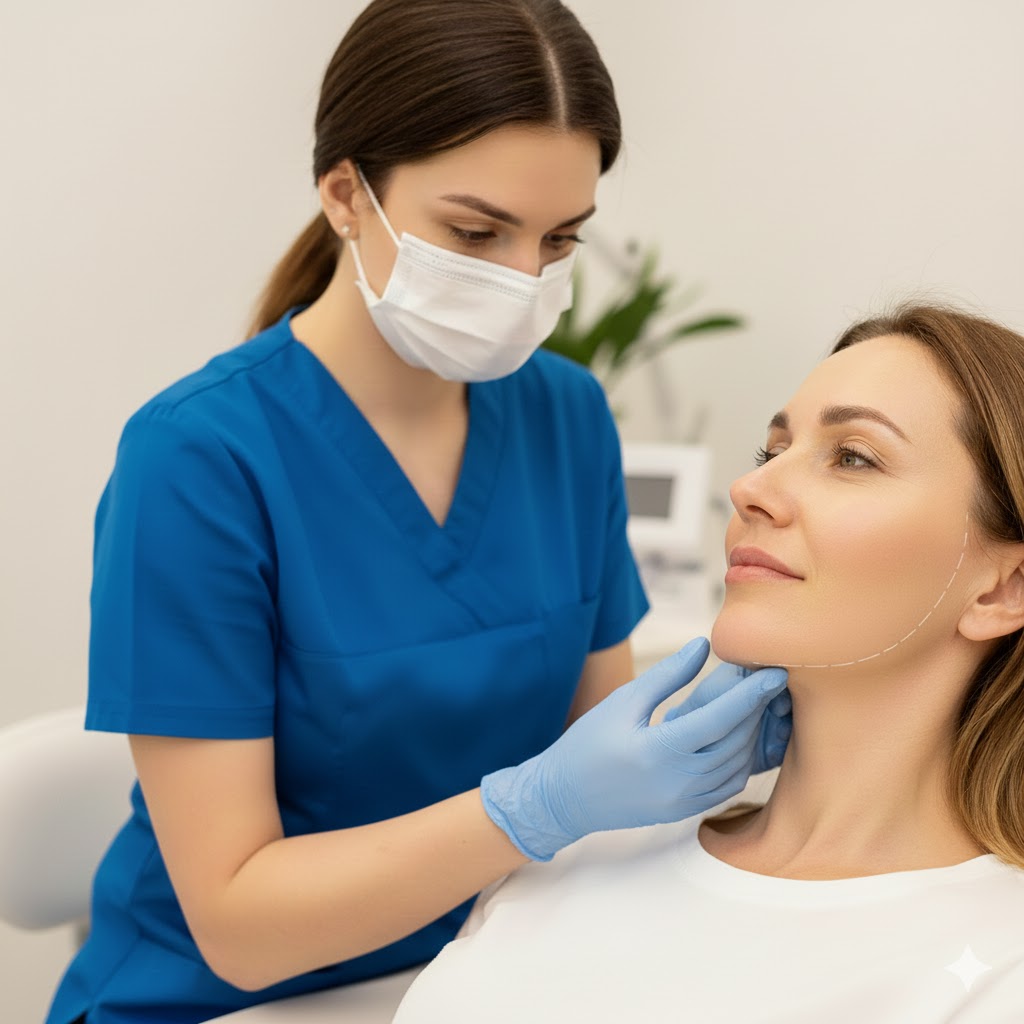
At most practices, the consultation is a sales appointment with a medical veneer. The intake form exists to capture your contact information. The assessment is a transition to the service menu. You leave with a quote, not a plan. A consultation that actually works produces something different: a documented understanding of your goals, an honest assessment of what is achievable and in what sequence, and a clear explanation of what the provider would not recommend.
What a Rigorous Aesthetic Consultation Looks Like
A genuine clinical consultation begins with a structured intake covering medical history, current medications, prior treatments, and a detailed conversation about what you want to change and what you want to preserve. It includes a physical assessment of skin quality, tissue volume and laxity, facial proportion, and structural support. The provider then constructs a treatment rationale that connects your specific anatomy to specific modalities, explains the sequencing, and presents a realistic outcome range. Questions are expected and welcomed. Nothing is presented as a package.
How Providers Customize Plans to Avoid the ‘Overdone’ Aesthetic
What Is the Difference Between Natural-Looking and Overdone Results?
Natural-looking results preserve or restore the proportions specific to your face. Overdone results impose a different set of proportions, typically driven by trend, technique preference, or over-correction of a single concern without accounting for the whole. The distinction is not about the quantity of product used. It is about whether the treatment was designed around your anatomy or simply applied to it.
The Restraint Principle: Why Precision Often Outperforms Addition
Experienced providers often describe their most successful outcomes in terms of what they chose not to do. Adding volume to a face that needs structural support will not produce the result the client wants. Treating texture before addressing volume will produce less visible improvement. The ability to recognize what to withhold, and to explain that decision clearly, is a more reliable signal of clinical sophistication than any certification or device list.
How Much Downtime Do Advanced Aesthetic Treatments Actually Require?
Treatment-by-Treatment Downtime Expectations for Time-Pressed Professionals
- Neuromodulators (Botox, Dysport): No downtime. Avoid strenuous exercise and lying flat for four hours post-treatment.
- Hyaluronic acid fillers: Minor swelling and possible bruising for two to five days. Most clients return to professional settings within 24 to 48 hours.
- Endolift: Mild swelling and tenderness for two to five days. Social downtime is typically three to seven days depending on the treatment area.
- Liquid BBL: Localized swelling for several days. Sitting modifications may apply for one to two weeks.
- Laser Genesis: No downtime. Slight redness resolves within an hour.
- HydraFacial: No downtime. Skin appears immediately brighter.
- GLP-1 injections: No procedural downtime. Gastrointestinal adjustment varies by individual.
How Minimal-Downtime Protocols Are Built Into a Well-Designed Treatment Plan
A sophisticated provider sequences treatments to minimize compounding recovery. Laser treatments are often scheduled separately from injectables to avoid concurrent inflammation. Endolift and fillers may be staged weeks apart to allow tissue assessment before layering additional volume. If your schedule has fixed constraints, a skilled clinician designs around them rather than asking you to adapt to a standard protocol.
Can Results Be Customized Around a Demanding Schedule?
The honest answer is yes, with coordination. No provider can eliminate every treatment’s recovery window, but an experienced practice builds the schedule around your constraints rather than their availability. This means flagging high-stakes calendar dates in advance, planning treatment sequences that allow recovery between events, and being direct about which treatments cannot realistically be concealed and which ones genuinely require no adjustment to your routine.
Synergistic Protocols: Why the Right Combination of Treatments Delivers More Than Any Single Service
The Logic Behind Combination Aesthetics
Single treatments solve single problems. The face and body do not age in single dimensions. Volume loss, skin laxity, surface texture, and structural support all shift simultaneously, and correcting one without addressing the others produces results that feel incomplete. A provider who identifies only the most obvious concern and treats it in isolation is working from a narrower clinical picture than your anatomy requires.
Combination protocols are not about doing more. They are about treating the correct layers in the correct order, so each modality reinforces rather than duplicates the others.
Endolift and Injectables as a Unified Facial Rejuvenation Protocol
Endolift and injectables each solve a problem the other cannot. It addresses structural laxity: the tissue retraction and collagen remodeling it produces re-establishes the foundational support that underlies surface appearance. Injectables address volume, restoring fullness to areas where fat has redistributed or depleted, softening lines, and refining contours.
When these two are sequenced correctly, the result is qualitatively different from either treatment alone. Endolift first lifts and tightens the tissue architecture. Injectables then restore volume into tissue that is already better supported. The filler sits more naturally, migrates less, and requires less product to achieve the intended result. The face looks refreshed rather than treated.
Body Contouring Sequences: Pairing Fat Reduction with Skin Tightening
Reducing volume without addressing skin elasticity often produces a result that looks deflated rather than sculpted. Skin that has been stretched over time does not automatically redrape after the underlying volume changes. Sequencing a skin tightening modality alongside or following a fat reduction treatment accounts for this directly.
In practice, a body contouring protocol that treats both the adipose layer and the overlying tissue produces a smoother, more proportional outcome than fat reduction alone. The timing depends on the specific devices used and the individual’s tissue response, which is why a provider who offers only one modality cannot plan this sequence even if they recognize the need for it.
Why Treatment Order and Timing Shape Your Outcome
Order is not a scheduling preference. It is a clinical variable. Treating skin texture before restoring volume, for example, produces less visible improvement because the surface does not reflect light uniformly until the structure beneath it is addressed. Performing energy-based treatments too close to injectable appointments can increase inflammation, affect product placement, and compromise results from both.
A well-sequenced protocol includes deliberate intervals between treatments to allow tissue response before the next layer is added. This requires planning months in advance, not appointment by appointment. A practice that sequences your treatments in a coordinated timeline is one that is managing your outcome, not just your calendar.
Understanding the Investment: What Premium Aesthetic Care Costs — and What Choosing Poorly Costs More
How Much Do Premium Medical Spa Treatments Cost, and Why?
Advanced modalities at a physician-led medical spa MD reflect several layers of real cost: the technology itself, the physician oversight built into every treatment plan, the clinical training of providers operating at the top of their scope, and the time invested in a consultation process that does not shortcut the intake. A treatment priced below market typically signals that one of those layers has been removed.
Broad ranges apply as reference points. Neuromodulators typically run $12 to $20 per unit. Filler treatments range from $800 to $2,500 or more depending on the product and volume. Endolift and advanced body contouring protocols, which require skilled physician-directed technique and sophisticated equipment, are priced commensurately with the clinical investment involved.
Framing Value by Longevity, Precision, and Physician Accountability
A biostimulatory treatment that produces results lasting two or more years costs less per month than a lower-quality filler that requires replacement every nine months. Physician oversight is not a surcharge. It is the accountability layer that makes predictable outcomes possible. Precision, in aesthetic medicine, directly reduces the likelihood of needing correction.
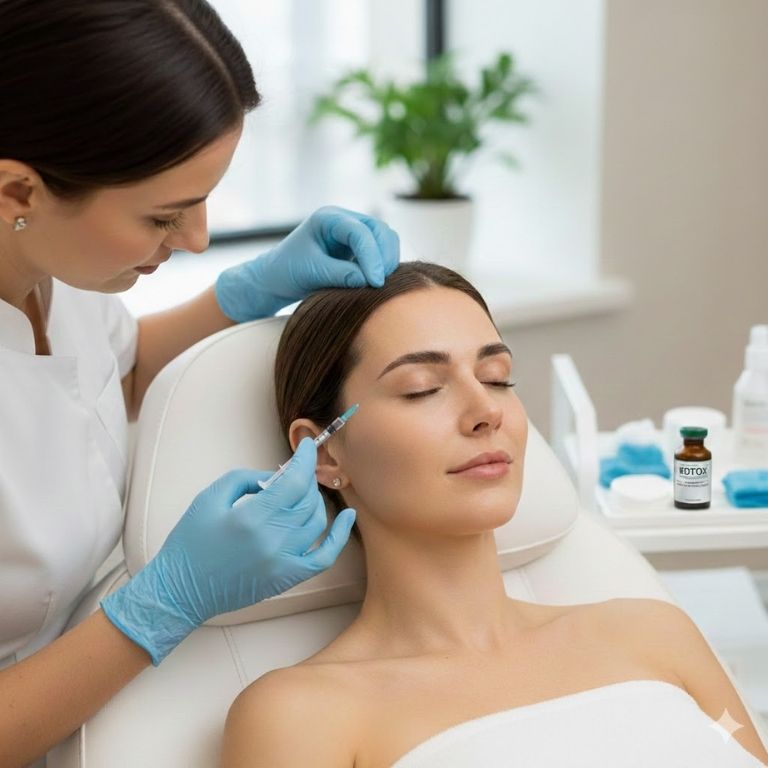
When you are evaluating cost, the relevant unit is not the price per treatment. It is the cost of the outcome you receive, divided by how long it lasts and how closely it reflects what you actually wanted.
The Real Cost of a Discounted Aesthetic Treatment Gone Wrong
Correcting a poorly executed filler treatment is more expensive, more complex, and more time-consuming than the original treatment would have cost at a reputable practice. Dissolving and redoing misplaced filler requires hyaluronidase, a waiting period for tissue resolution, and a second full treatment. Correcting asymmetry, uneven skin damage from incorrectly calibrated laser energy, or volume placed without understanding the underlying anatomy takes skill that the original provider clearly lacked.
The financial case for choosing well the first time is straightforward. The less visible cost is the weeks or months of managing a result you are trying to conceal while waiting for it to resolve.
What a Thoughtful Investment in Your Professional Image Is Actually Worth
Your professional image is an asset. The confidence that comes from looking as capable and vital as you are is not vanity. For someone whose presence in a room carries weight, whose first impression shapes client relationships and leadership credibility, the return on a well-executed aesthetic investment extends well beyond the mirror.
The question is not whether you can afford premium care. It is whether you can afford to do this wrong, or to defer it until the correction is more complex.
Which Treatment Tier Fits Your Goals? A Quick Self-Assessment
Identify your primary concern and match it to the appropriate starting point.
- Volume loss (hollowing under eyes, temples, cheeks, or lips): Start with dermal fillers or a biostimulatory filler protocol. Liquid BBL addresses gluteal and hip volume.
- Laxity (jawline softening, neck loosening, brow descent): Start with Endolift, alone or sequenced with structural injectables.
- Texture and tone (uneven skin, enlarged pores, dullness, fine surface lines): Start with Laser Genesis and HydraFacial as a foundation before energy-based or injectable treatments.
- Body contour (stubborn fat deposits, undefined shape, skin laxity after weight loss): Start with a combined body contouring consultation to sequence fat reduction and skin tightening appropriately.
If more than one category applies, that is common. A coordinated protocol addresses multiple concerns in sequence, and your consultation will establish the order.
The Standard You Deserve — and Your Next Step Toward It
The Three Pillars That Define a True Medical Spa MD
The difference a true medical spa MD delivers rests on three things, and none of them is optional. The first is physician oversight that is active and specific to your care, not a name on a license. The second is technology selected for clinical outcomes, deployed with the precision that advanced modalities require. The third is a personalization process rigorous enough to produce a treatment plan that is genuinely yours, not a template applied to a new face.
Why Technology, Credentials, and Personalization Must Work as a System
A practice with excellent technology and no clinical depth will apply it broadly and produce inconsistent results. A credentialed physician who relies on outdated modalities will limit what is achievable regardless of their expertise. A thorough consultation process that cannot access advanced treatments produces a detailed plan it cannot fully execute. These three pillars are not independent variables. They are a system, and that system only performs at the level of its weakest element.
What to Expect When You Contact MEDSPA MD Group
Your first consultation at MEDSPA MD Group is a clinical conversation, not a sales appointment. You will speak with a provider who has reviewed your goals in advance, conducts a structured assessment of your anatomy and skin quality, and builds a treatment rationale specific to what you want to achieve and what your schedule allows. You leave with a documented plan, a realistic outcome range, and an honest timeline.
Begin Your Treatment Journey with Clarity
The distance between where you are now and the results you want is a plan built by someone who takes both seriously. Book your personalized consultation with MEDSPA MD Group and begin with the clarity that a physician-led process delivers.

Frequently Asked Questions
Trustworthiness is demonstrated through transparency, not claimed through marketing. Ask for the physician medical director’s name, specialty, and board certification, then verify that information independently through your state medical board. A credible practice will also explain its complication protocols without hesitation and describe how it handles outcomes that fall short of expectations. If a provider deflects these questions or pivots to promotional language, treat that as a meaningful signal.
Natural-looking results restore or preserve the proportions that are specific to your face and anatomy. Overdone results impose a different set of proportions, typically by over-correcting a single concern without accounting for the overall balance of features. The distinction is rarely about how much product was used. It almost always comes down to whether the provider designed the treatment around your individual anatomy or applied a standardized technique without that consideration.
It depends significantly on the treatment. Neuromodulators and HydraFacial require no downtime at all. Hyaluronic acid fillers may produce minor swelling or bruising for two to five days, with most clients comfortable in professional settings within 48 hours. Endolift typically involves three to seven days of social downtime. A well-designed treatment plan accounts for your schedule from the outset, staging treatments so that recovery windows do not conflict with professional commitments.
No non-surgical aesthetic treatment produces permanent results, and any provider who implies otherwise is overstating the evidence. Neuromodulators last approximately three to four months. Hyaluronic acid fillers last nine to eighteen months depending on the product and placement. Biostimulatory treatments and Endolift produce longer-lasting effects through tissue remodeling, but these too diminish gradually over time. A reputable practice will provide a projected maintenance calendar during your initial consultation so you can plan accordingly.
At minimum, injectables should be performed by a licensed medical professional, such as a registered nurse, nurse practitioner, or physician, operating under active physician supervision. The overseeing physician should hold board certification in a specialty with direct anatomical relevance, such as dermatology, plastic surgery, or facial plastic surgery. Be cautious of designations like “master injector,” which are marketing titles rather than regulated credentials. The most important question to ask is not what title the provider holds, but what their specific training involved and how their work is supervised.
Yes, and this is precisely where provider selection makes the greatest difference. Results that look natural rather than treated are the product of a clinical approach that begins with your individual anatomy, not a preferred technique or a trending aesthetic. Experienced providers at a physician-led practice routinely recommend less than a client initially requests when that restraint serves the outcome better. The goal is always to look like a refreshed, more confident version of yourself, not a version of someone else’s ideal.