Table of Contents
- The Problem with Stubborn Fat and Skin Laxity That Resistance Training Can’t Solve
- What Is Endolift and How Does the LASEmaR 1500 Work on the Body?
- Which Body Areas Can Endolift Treat?
- Endolift vs. Non-Surgical Body Contouring Alternatives: An Evidence-Informed Comparison
- What Results Can You Realistically Expect from Endolift Body Treatment?
- Recovery, Safety, and Session Planning
- Personalizing Your Treatment: How MEDSPA MD Group Builds a Holistic Body Transformation Plan
- Post-Treatment Care and Long-Term Maintenance
- Is Endolift Right for You? Book Your Personalized Assessment at MEDSPA MD Group
- Conclusion: The Endolift Body Transformation Decision
- Frequently Asked Questions
The Problem with Stubborn Fat and Skin Laxity That Resistance Training Can’t Solve
Adipose tissue in certain areas of the body is physiologically resistant to caloric deficit and exercise, not because the approach is wrong, but because fat cell distribution is governed by hormones, genetics, and receptor density that no workout program overrides. The lower abdomen, inner thighs, and upper arms are classic examples: they respond last to fat loss and first to fat gain, retaining a softness that persists even at a healthy body weight.
Cost is often the next question, so our guide to what influences Endolift pricing is worth a read.
Skin laxity adds a second, separate problem. Once collagen and elastin fibers have been stretched or degraded through aging, pregnancy, or significant weight loss, resistance training cannot rebuild the structural protein matrix responsible for skin firmness. Muscle growth beneath loose skin can actually make surface texture more visible, not less. These are two distinct biological failures, and treating them requires two distinct interventions.
How Minimally Invasive Body Contouring Has Evolved Beyond Single-Issue Treatments
The first generation of non-surgical body contouring addressed one problem at a time. Fat-freezing technologies targeted adipocytes. Radiofrequency devices stimulated surface collagen. Each category produced results within its lane, but patients were left managing a patchwork of treatments, each with its own timeline, recovery period, and cost.
The clinical shift over the past decade has been toward dual-action platforms: technologies capable of addressing both tissue volume and skin architecture within a single procedural framework. Endolift body treatment represents the most precise expression of that evolution, operating at the subdermal level where fat reduction and collagen retraction can be accomplished simultaneously, in the same session, through a single access point.
Dual-Layer Laser Technology as a Category Shift, Not Just Another Option
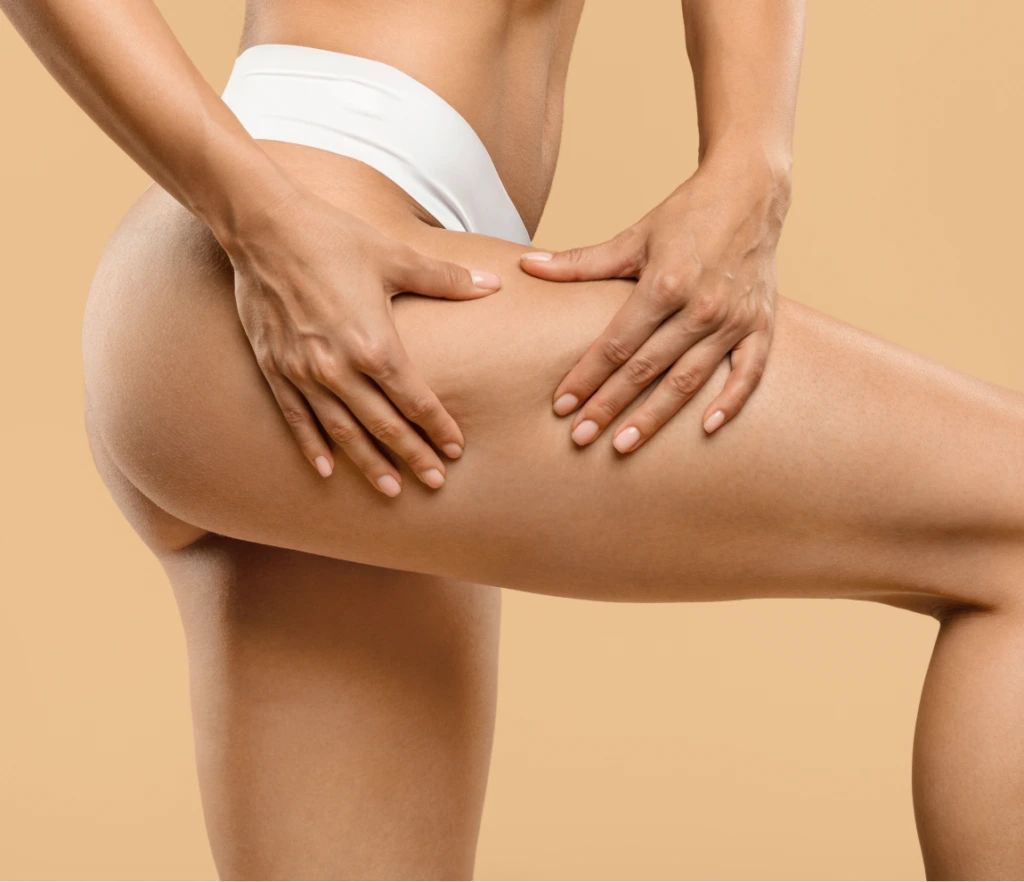
Most non-surgical body contouring technologies work from the outside in, delivering energy through the skin surface and hoping it reaches the target tissue at sufficient intensity. Endolift works differently. The LASEmaR 1500 laser fiber is introduced subdermally, placing the energy source precisely where the work needs to happen, without the dissipation that limits surface-based devices.
That single distinction changes what is clinically possible. By operating at two tissue depths simultaneously, Endolift collapses the conventional trade-off between body contouring and skin tightening. Patients no longer have to choose a fat reduction protocol and return months later for a separate skin tightening series. The treatment addresses both in a coordinated way, which is why it functions as a genuine category shift rather than an incremental upgrade to existing options.
What Is Endolift and How Does the LASEmaR 1500 Work on the Body?
The Mechanism of Action: Subdermal Laser Energy, Not Surgery
Endolift is a minimally invasive laser procedure performed under local anesthesia. A fine optical fiber, thinner than a sewing needle, is introduced through a micro-entry point in the skin. Once positioned subdermally, the LASEmaR 1500 emits laser energy at a 1470 nm wavelength directly into the target tissue layer, with no scalpel, no general anesthesia, and no surgical dissection required.
The 1470 nm wavelength is absorbed with high selectivity by both adipose tissue and water within the dermis. This selectivity is what makes precise tissue targeting possible without collateral thermal damage to surrounding structures. The fiber is moved through the tissue in a controlled pattern by the treating clinician, covering the treatment area systematically.
Dual-Layer Reshaping Explained: Deep Fat Reduction and Superficial Collagen Retraction
The LASEmaR 1500 operates across two distinct tissue depths within a single pass. At the deeper plane, laser energy disrupts adipocyte membranes, causing fat cells to release their contents and undergo controlled elimination through the body’s lymphatic system. At the more superficial plane, the same energy heats the undersurface of the dermis, triggering an immediate retraction response and initiating collagen remodeling.
This dual-depth mechanism is the procedural foundation that sets Endolift apart. Fat reduction and laser skin tightening on the body are not sequential steps or separate treatment phases. They occur concurrently, driven by a single energy source calibrated to act at both depths within the same tissue environment.
How Heat-Based Tissue Reshaping Triggers Collagen Stimulation and Long-Term Firmness
When the laser heats dermal tissue to a controlled therapeutic temperature, two processes activate. First, existing collagen fibers contract immediately, producing a visible tightening effect that patients often notice within the first few weeks. Second, the thermal stimulus signals fibroblasts, the cells responsible for collagen synthesis, to produce new structural protein over the following months.
This is why Endolift results continue improving after the treatment session ends. The initial retraction is real and measurable, but the longer arc of collagen remodeling extends results well beyond what surface-based heating can achieve.
FDA-Approved Technology: What That Status Means for Safety and Clinical Credibility
The LASEmaR 1500 carries FDA approval, confirming that the device has cleared the regulatory threshold for safety and efficacy in the United States. For patients evaluating treatment options, FDA status provides meaningful assurance that the technology has been assessed against standardized clinical criteria, not simply marketed on the basis of manufacturer claims.
FDA clearance does not guarantee any individual outcome, but it establishes a credibility baseline that distinguishes Endolift from the category of unregulated or insufficiently studied aesthetic devices.
How Endolift Differs from Traditional Laser Skin Tightening and Laser Lipolysis
Traditional laser skin tightening devices deliver energy through the skin surface. The energy attenuates as it passes through the epidermis and dermis, meaning the intensity reaching the subdermal target tissue is a fraction of what was emitted. Results are real but modest, and multiple sessions are typically required to accumulate meaningful collagen stimulation.
Laser lipolysis procedures place energy subdermally to target fat but generally lack a meaningful collagen retraction component. They address volume without improving skin quality, which can leave the treated area looking deflated rather than refined.
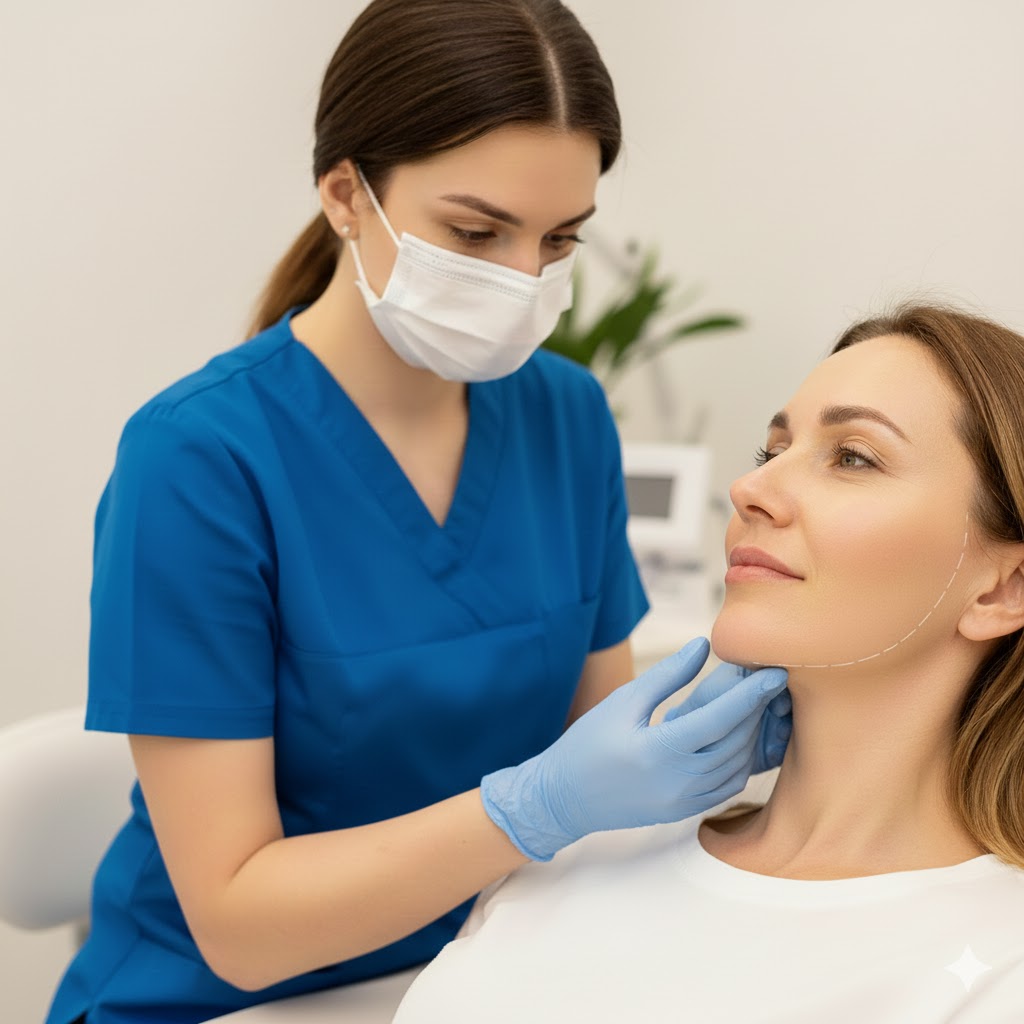
Endolift combines subdermal placement with a dual-action mechanism that addresses both fat and skin architecture. That combination is not an incremental improvement on either predecessor. It is a structurally different approach to minimally invasive fat reduction and skin tightening.
Which Body Areas Can Endolift Treat?
Abdomen Contouring: Targeting Stubborn Softness and Lax Skin Simultaneously
The abdomen is the most frequently treated area in endolift body protocols, and for good reason. It concentrates both clinical challenges in one zone. Subdermal fat in the lower abdomen is among the most hormonally resistant in the body, and the overlying skin, particularly after pregnancy or significant weight fluctuation, often lacks the elasticity to redrape naturally even when volume is reduced.
Endolift addresses both in a single treatment session, reducing subdermal fat while simultaneously stimulating the dermal retraction that gives the surface a smoother, firmer appearance. Patients do not receive two separate procedures. The dual-layer mechanism handles both tissue layers in one pass.
Thigh Tightening: Inner and Outer Surface Reshaping Without Surgical Incisions
Inner thigh fat is one of the zones most resistant to diet and exercise modification, and the skin in this area tends to be thinner and less structurally supported than other regions. Surgical thigh lifts carry significant recovery requirements and visible scarring. Endolift offers a clinically meaningful alternative for patients with mild to moderate laxity and localized fat, producing thigh tightening results without incisions or extended downtime.
The outer thigh, including the lateral hip and the area commonly referred to as the saddlebag, responds similarly. The fiber’s controlled movement through the subdermal plane allows the clinician to address both surfaces within the same session.
Upper Arm Skin Laxity: Addressing the Area That Exercise Rarely Resolves
Tricep exercises build muscle. They do not tighten skin. Upper arm laxity, particularly the loose tissue on the posterior surface, is a structural issue involving dermal integrity rather than muscle volume. Patients often avoid sleeveless clothing not because of muscle definition but because of the skin overlay, a problem that no number of pushups resolves.
Endolift treats the posterior upper arm by delivering subdermal energy to both the fat layer and the undersurface of the dermis, stimulating the retraction and collagen synthesis needed to improve the skin’s structural support from within.
Inner Knee Treatment: A Commonly Overlooked Zone Now Within Clinical Reach
The inner knee accumulates a localized fat deposit that creates a heavy, undefined look at the joint. This disproportionately affects the overall appearance of the leg but rarely receives clinical attention, partly because most non-surgical body contouring technologies are not well-suited to the contoured anatomy of the knee area.
Endolift’s micro-fiber delivery allows precise access to this compact zone. Treatment reduces the subdermal fat deposit and tightens the overlying skin, restoring a cleaner line from the lower thigh to the upper calf.
Chin and Neck Tightening: Where Body and Face Contouring Protocols Converge
While technically a facial contouring application, the chin and neck zone bridges both treatment categories. Submental fat beneath the chin and the accompanying skin laxity along the jawline and upper neck respond well to the same subdermal laser mechanism applied to body areas. Patients seeking body contouring often identify this area simultaneously, and Endolift allows it to be addressed within the same procedural framework.
Can Endolift Treat Loose Skin After Weight Loss?
Significant weight loss creates a specific clinical challenge. The skin has been structurally stretched over time, and the collagen and elastin network does not fully recover through fat loss alone. Whether Endolift is an appropriate treatment depends on the degree of laxity involved.
For mild to moderate loose skin, where the tissue retains reasonable residual elasticity, Endolift produces meaningful tightening through its collagen stimulation mechanism. For patients with substantial excess skin, the procedure may serve as a complementary step rather than a complete solution. A clinician’s evaluation of skin quality, tissue depth, and treatment area anatomy determines whether Endolift alone, or Endolift as part of a broader protocol, best serves the patient’s goals.
Endolift vs. Non-Surgical Body Contouring Alternatives: An Evidence-Informed Comparison
Why the Comparison Question Matters to Skeptical, Time-Conscious Patients
Choosing a body contouring treatment is not simply a cosmetic decision. It is a resource decision. You are committing time, money, and recovery bandwidth. The comparison question determines whether you spend months pursuing a protocol that was the wrong fit from the start.
The most useful framework here is not which treatment is “best” in the abstract. It is which treatment best matches your specific combination of concern, timeline, and tolerance for downtime.
The Four-Dimension Framework for Evaluating Your Options
Evaluating body contouring options across four dimensions cuts through marketing language and forces a practical comparison. The four dimensions are mechanism, downtime, results timeline, and ideal candidate profile. Each tells you something different: mechanism reveals what the treatment can physically accomplish, downtime tells you what it costs in daily life, results timeline sets realistic expectations, and candidate profile tells you whether you belong in the treatment room at all.
Endolift vs. CoolSculpting: Fat Reduction and Skin Response
Fat-freezing technology works by cooling adipose tissue to the point of cellular death, with the body gradually eliminating damaged cells over several months. It is a legitimate fat reduction tool with a well-established track record. The limitation is structural. Cold-based cell disruption does not stimulate collagen synthesis. The skin above the treated area receives no tightening benefit, and in some cases, patients notice uneven surface texture once volume is reduced beneath lax skin.
Endolift body treatment addresses fat and skin architecture simultaneously. For patients whose concern involves both volume and firmness, which describes the majority of people seeking abdominal or thigh contouring, this distinction matters significantly. Endolift typically achieves comparable or superior visible results in fewer sessions because the energy is placed directly at the target tissue rather than transmitted through the skin surface.
Endolift vs. Radiofrequency Body Contouring: Collagen Stimulation Depth
Surface-applied radiofrequency devices stimulate collagen production by heating dermal tissue from the outside in. They work, but the energy attenuates as it passes through the epidermis, meaning the intensity at the subdermal level is a fraction of what was applied at the surface. Clinicians compensate by increasing treatment intensity or adding sessions, which raises cumulative cost and recovery burden.
Endolift places the laser fiber at the subdermal level, delivering therapeutic heat without the dissipation problem. The collagen stimulation is more direct, translating to a more pronounced and durable response from fewer treatment sessions. For patients who have already tried surface radiofrequency with limited results, the mechanism difference is the explanation.
Endolift vs. Ultrasound and HIFU Body Treatments: Precision and Comfort
High-intensity focused ultrasound transmits acoustic energy deep into tissue to induce thermal coagulation at a precise focal point. It can reach depths that surface devices cannot, which makes it useful for specific applications. The trade-off is comfort. HIFU body treatments are frequently described as painful, and the point-by-point delivery pattern makes comprehensive coverage of larger areas time-consuming.
Endolift’s fiber moves through the tissue in a continuous, controlled pattern, covering the treatment zone more evenly. Treatment is performed under local anesthesia, making the procedure comfortable rather than painful. Patients typically describe a sensation of warmth. Precision is also higher in compact anatomical zones, such as the inner knee, where point-based ultrasound delivery is geometrically limited.
Endolift vs. Liposuction or a Surgical Tummy Tuck
For patients with large-volume fat deposits or significant excess skin, surgery delivers results that no minimally invasive procedure currently matches. A surgical tummy tuck removes excess skin and repositions the abdominal wall, a structural correction that laser energy cannot replicate. Liposuction removes larger fat volumes than subdermal laser treatment can address in a single session.
The relevant comparison is for patients who do not need surgery. If your concern is mild to moderate subdermal fat with accompanying skin laxity, the profile that describes most non-surgical body contouring candidates, Endolift offers results comparable to surgical lipolysis without general anesthesia, without incisions, and without weeks of recovery. For that specific patient profile, the calculus favors Endolift not because it outperforms surgery in volume removal, but because it delivers a clinically meaningful outcome without the associated risk, cost, and recovery burden.
Comparison Rubric: Endolift vs. Alternative Body Contouring Treatments
| Endolift | Fat Freezing | Surface Radiofrequency | HIFU/Ultrasound | Surgical Liposuction | |
|---|---|---|---|---|---|
| Mechanism | Subdermal laser: fat disruption + dermal heating | External cooling of adipocytes | Surface-applied heat, dermis penetration limited | Focused acoustic energy at fixed depth | Surgical fat removal via suction |
| Downtime | 24-72 hours mild swelling/tenderness | 1-2 weeks possible swelling, firmness | Minimal to none | Minimal, occasional soreness | 2-6 weeks |
| Results Timeline | Visible in 2-4 weeks, full results at 3-6 months | 2-4 months for fat reduction | Gradual over 3-6 months | 2-6 months | Immediate volume change, 3-6 months final |
| Skin Tightening | High: direct collagen stimulation | None | Moderate | Moderate to high (depth-dependent) | Minimal, may worsen laxity |
| Fat Reduction | Moderate | Moderate to high | None to minimal | Minimal | High |
| Ideal Candidate | Mild-moderate fat + laxity, healthy BMI | Localized fat, good skin tone | Mild laxity, maintenance | Moderate laxity, tolerates discomfort | Larger volume, surgical candidate |
What Results Can You Realistically Expect from Endolift Body Treatment?
The Honest Timeline: Early Changes vs. Full Results
Most patients notice early changes within two to four weeks of treatment, a subtle improvement in skin firmness and a reduction in the soft, undefined texture that prompted the consultation. These early changes reflect the immediate collagen retraction response and the beginning of lymphatic clearance of disrupted fat cells.
Full results are not visible at this stage. The collagen remodeling process continues for three to six months after treatment, and the surface improvement at week four is typically a fraction of the final outcome.

The Collagen Remodeling Arc: Why Improvements Continue for Months
Fibroblast activity peaks several weeks after thermal stimulation and sustains new collagen production for months. This is not a slow response. It is the biological mechanism that produces durable results. Patients who assess their outcome at six weeks are evaluating an incomplete result.
The practical implication: photograph your baseline before treatment and plan your follow-up assessment at the three-month mark rather than the three-week mark. Clinicians who set this expectation upfront are giving you the most honest picture of how the result actually develops.
Is Endolift Effective for the Body? Framing Clinical Outcomes Honestly
Clinical evidence supports meaningful fat reduction and skin tightening in appropriate candidates. The key qualifier is “appropriate candidates,” meaning patients with mild to moderate concerns, reasonable skin elasticity, and stable body weight. Endolift produces visible, durable improvements in this population. It does not produce surgical-grade volume removal or correct advanced skin excess.
The measure of effectiveness is not whether it matches surgery. It is whether it produces a clinically significant improvement in the specific patient profile it is designed to treat. In that population, the evidence is consistent.
How Many Endolift Sessions Do You Need for Visible Body Results?
Most patients achieve their treatment goals in one to two sessions per area. A single session often produces significant improvement, particularly for patients with mild concerns and good baseline skin quality. Patients with more pronounced laxity or larger treatment zones may benefit from a second session at three to six months, once the first round of collagen remodeling is complete.
A qualified clinician will assess your specific anatomy and set a session expectation at consultation rather than defaulting to a package-based recommendation.
How Long Do Endolift Body Results Last?
Results are durable, with most patients maintaining visible improvement for two or more years. The fat cells disrupted by the laser do not regenerate. They are cleared through the lymphatic system and do not return. The collagen synthesized during remodeling remains structurally active unless degraded by the natural aging process, UV exposure, or significant weight fluctuation.
The two primary factors that erode results over time are sustained weight gain, which enlarges remaining fat cells and can reverse the contouring effect, and continued collagen degradation from aging and sun exposure. Patients who maintain stable weight and follow a collagen-supportive skincare regimen consistently report longer-lasting outcomes.
Recovery, Safety, and Session Planning
What to Expect in the 24 to 72 Hours After Treatment
The immediate post-treatment experience is mild. Most patients experience localized swelling, tenderness to the touch, and mild bruising in the treated area, typically resolving within 24 to 72 hours. The skin may feel warm or firm for the first day or two. These are expected physiological responses to subdermal thermal energy, not complications.
Most patients return to desk-based work the same day or the following morning. Strenuous physical activity and heat exposure, including saunas and hot baths, are avoided for the first 48 hours to allow the tissue response to stabilize.
What Is the Recovery Time After Endolift Body Treatment?
Endolift body treatment does not require medical downtime in the surgical sense. There is no wound care, no compression garment requirement in most cases, and no period of restricted mobility. The 48-hour guidance on avoiding heat and intense exercise is precautionary rather than medically enforced.
For the time-conscious patient, this is a material distinction from surgical alternatives. The procedure can realistically be scheduled around a normal working week, with appropriate planning around the treatment day and the following morning.
Is Endolift Safe for All Skin Types and Body Areas?
The 1470 nm wavelength used by the LASEmaR 1500 targets adipose tissue and water content rather than melanin, which means skin tone is not a primary safety variable. The treatment has been performed across a broad range of skin types without the pigmentation complications that affect some surface laser procedures.
Safety in specific body areas depends on anatomy and tissue depth rather than skin type. A clinician’s assessment of the treatment zone, confirming appropriate tissue thickness and the absence of anatomical structures that require protection, is the relevant safety checkpoint.
Contraindications and Candidacy Boundaries
Endolift is not appropriate for everyone. Absolute contraindications include active infection or inflammation in the treatment area, pregnancy, implanted electronic devices in or near the treatment zone, and certain connective tissue disorders. Relative contraindications, factors that require evaluation rather than automatic exclusion, include recent significant weight loss, very thin tissue planes, and a history of keloid scarring.
The candidacy boundary that matters most for realistic expectations is the degree of laxity or fat volume present. Patients whose concerns fall into the mild to moderate range achieve the outcomes this procedure is designed to deliver. Patients with severe excess skin or very large fat volumes are better served by a surgical consultation, and a well-trained clinician will communicate this directly rather than enrolling someone in a treatment that cannot meet their expectations.
Personalizing Your Treatment: How MEDSPA MD Group Builds a Holistic Body Transformation Plan
Why Endolift Alone Is a Starting Point, Not Always a Complete Solution
Endolift body treatment resolves two specific problems, subdermal fat and skin laxity, with clinical precision. What it does not address is volume distribution, proportion, or the broader aesthetic goals that many patients bring to a consultation. Body transformation in the full sense involves shaping, not just reducing. For some patients, the clinical work after Endolift is achieving a balanced, proportionate result rather than simply a tighter one.
This is where a single-procedure approach reaches its natural limit, and where the value of an integrated treatment plan becomes visible.
Combining Endolift with Liquid BBL: Simultaneous Contouring and Volumizing
Liquid BBL uses strategically placed volumizing agents to lift and project areas of the body, most commonly the buttocks, creating the impression of a rounder, higher profile without surgery. When combined with Endolift in a planned protocol, the pairing addresses both reduction and projection in adjacent zones.
A patient contouring the lower abdomen with Endolift while simultaneously restoring volume and lift to the gluteal region achieves a proportion correction that neither procedure creates alone. The net effect, a flatter front profile with a rounder, lifted posterior, reads as body transformation rather than a single procedural outcome.
Integrating Weight Loss Protocols for Patients on a Broader Transformation Journey
Some patients arrive with goals that extend beyond localized contouring. They are actively managing body weight, and their body composition is still in transition. For this group, using Endolift to address residual fat deposits while overall weight is still declining would be premature. The treatment works on stable tissue, not tissue that will continue to change.

Weight loss injections, specifically GLP-1 receptor agonists that reduce appetite and support sustained fat loss, allow these patients to reach a stable body composition first. Endolift then addresses the residual localized fat and laxity that systemic weight loss cannot fully resolve. The sequencing matters: systemic first, then targeted.
How the Candidacy Assessment Works at MEDSPA MD Group
A MEDSPA MD Group candidacy assessment is a structured clinical evaluation, not a sales consultation. It determines whether Endolift is the right tool, which body areas to treat, how many sessions to plan, and whether a companion procedure would meaningfully improve the final result.
The assessment evaluates tissue depth and quality in each treatment zone, skin elasticity and residual recoil capacity, current body weight and stability, and the patient’s aesthetic priorities. The output is a specific, sequenced protocol rather than a generic treatment recommendation.
When Endolift Stands Alone vs. When a Combination Protocol Is Recommended
A patient at stable healthy weight with mild lower abdominal softness and early post-pregnancy skin laxity is a strong single-treatment candidate. One to two Endolift sessions addresses both the fat and the firmness concern, and no companion procedure is needed to achieve a satisfying result.
A patient who has recently lost significant weight, has moderate abdominal laxity and deflated gluteal volume, and is managing ongoing weight with a GLP-1 protocol benefits from a staged plan: stabilize weight first, then treat the abdomen with Endolift while using Liquid BBL to restore gluteal proportion. The result is greater than the sum of its parts, and the staging ensures each procedure is applied under the conditions where it performs best.
Post-Treatment Care and Long-Term Maintenance
Immediate Aftercare: Hydration, Sun Avoidance, and Activity
The 48 hours after an endolift body treatment are less about restriction and more about supporting the tissue response you just invested in. Three practical priorities govern this window.
- Hydration: The lymphatic system clears disrupted fat cells over the weeks following treatment. Adequate water intake, at minimum two liters daily, supports that clearance process and reduces the duration of post-treatment swelling.
- Sun avoidance: The treated skin is temporarily sensitized. Direct UV exposure in the first two weeks can provoke hyperpigmentation in the overlying tissue. Cover treated areas or apply a minimum SPF 30 if exposure is unavoidable.
- Activity: Return to desk work and light walking the same day or the next morning. Avoid exercise that significantly elevates core temperature, including running, hot yoga, and intense strength training, for 48 hours. Saunas and steam rooms fall in the same category.
Nothing in this guidance requires a lifestyle pause. The aftercare is proportionate to the procedure’s minimally invasive nature.
Lifestyle Factors That Optimize and Sustain Body Contouring Results
Results respond to what you do after treatment. The two variables with the greatest influence on outcome durability are weight stability and skin quality maintenance.
Weight fluctuation is the primary threat to contouring results. The fat cells disrupted by the LASEmaR 1500 are cleared and do not return, but the remaining fat cells in the treatment zone can enlarge with caloric surplus, reversing the visual improvement. Patients who maintain stable weight after treatment consistently report longer-lasting outcomes.
Collagen quality in the months following treatment also affects how much of the remodeling benefit you retain. High UV exposure, smoking, and chronic sleep deficits all accelerate collagen degradation. A targeted skincare regimen with a proven retinoid and daily broad-spectrum SPF protects the structural improvement the treatment initiates.
Long-Term Maintenance: Session Cadence and Protecting Your Investment
Most patients do not need retreatment within the first two years if weight remains stable. When patients do return for a maintenance session, it is typically because the natural aging process has continued to reduce collagen density in the treated area, not because the original result failed.
A single maintenance session every 12 to 24 months sustains the skin tightening component and is far less intensive than starting a full protocol from baseline. Think of it the way you would a preventive care appointment: the work holds when you maintain it, and the maintenance interval is far shorter and less costly than corrective intervention.
How Much Does Endolift Cost for the Body?
Endolift body treatment typically ranges from $1,500 to $4,000 per session depending on the treatment area, the extent of the zone being addressed, and the provider’s clinical expertise and location. Larger areas like the full abdomen sit at the higher end of that range. Smaller, more defined zones like the inner knee or upper arms fall lower.
The more useful frame is cost per result rather than cost per session. A single endolift body session that produces durable improvement for two or more years compares favorably to a series of surface-based treatments, often three to six sessions spaced weeks apart, that produce modest, shorter-lived improvement at a comparable or higher total cost. It also compares favorably to surgical alternatives when you account for anesthesia fees, facility costs, and the economic cost of weeks of recovery downtime.
Ask your provider for a session estimate specific to your anatomy at consultation. The number of areas treated and the complexity of your protocol determine the actual investment.
Quick-Pick Guide: Which Endolift Protocol Is Right for Your Goal?
| Your Primary Goal | Best-Fit Profile | Endolift Approach |
|---|---|---|
| Flatten and firm the lower abdomen | Mild-moderate subdermal fat, early skin laxity, stable weight | Single treatment area, 1-2 sessions |
| Tighten inner thighs without surgery | Localized fat deposit, thin skin with reduced elasticity | Targeted inner thigh protocol, typically 1 session |
| Reduce upper arm looseness | Posterior arm laxity, minimal fat, good tissue depth | Posterior surface treatment, collagen-focus protocol |
| Define the leg line at the knee | Localized inner knee fat deposit, otherwise fit profile | Compact zone treatment, single session |
| Full body contouring transformation | Multiple concerns, stable weight, realistic timeline | Staged multi-area protocol, possibly combined with Liquid BBL |
| Post-weight-loss skin tightening | Mild-moderate residual laxity after reaching target weight | Assessment-dependent: Endolift alone or as part of a combination plan |
If you recognize yourself in more than one row, your consultation will determine the sequence and priority order.
Is Endolift Right for You? Book Your Personalized Assessment at MEDSPA MD Group
The Ideal Endolift Candidate: Body Type, Skin Condition, and Lifestyle Alignment
The strongest candidates share a consistent profile: healthy or near-healthy body weight, mild to moderate localized fat deposits that have not responded to diet and exercise, and skin with enough residual elasticity to respond meaningfully to collagen stimulation. Age matters less than skin quality. A 45-year-old with good tissue integrity often achieves better results than a 30-year-old with significantly compromised skin from prior weight changes.
Lifestyle alignment is equally relevant. Candidates who are actively losing weight should wait until their body composition stabilizes before treating localized fat. Candidates committed to weight maintenance after treatment protect their results far longer than those whose weight fluctuates significantly.
What to Expect from Your First Consultation
The initial consultation is a clinical evaluation, not a treatment pitch. A specialist assesses each area of concern through direct tissue evaluation, gauging fat layer depth, skin elasticity, and recoil capacity, then maps those findings to a specific protocol recommendation.
You will leave with a session plan that identifies which areas to treat, in what order, and whether any companion treatments would meaningfully improve your final result. If Endolift is not the right fit for your degree of concern, you will hear that clearly rather than be enrolled in a protocol that cannot deliver on your expectations.
Why Expert-Guided, Individualized Planning Is the Non-Negotiable Difference
A device does not produce a result. A clinician with the right device and the right protocol produces a result. Endolift’s precision depends on how the fiber is moved through tissue, how energy settings are calibrated to your specific tissue depth, and whether the treatment plan accounts for the full picture of your anatomy and goals.
The difference between a satisfying outcome and a disappointing one at this level of investment is almost always planning and execution, not device choice. MEDSPA MD Group’s approach, candidacy assessment first, protocol design second, treatment third, reflects how good clinical outcomes are actually built.
Conclusion: The Endolift Body Transformation Decision
Recapping the Dual-Layer Advantage
Every other non-surgical body contouring technology asks you to choose: reduce fat or tighten skin. Endolift removes that trade-off by placing the LASEmaR 1500 fiber subdermally, where it addresses both tissue layers in a single pass. That structural difference is why patients who have cycled through surface-based treatments without resolving both concerns find a genuinely different category of result here. It is a mechanical distinction, not a marketing one.
The Integration Case: Why an Ecosystem Approach Delivers What Standalone Procedures Cannot
Localized fat and laxity are two of several variables that determine how your body looks and how you feel in it. Proportion, volume distribution, and systemic body composition are the others. MEDSPA MD Group’s multi-modality framework, Endolift for non-surgical body contouring and skin tightening, Liquid BBL for volumizing and lifting, and weight loss protocols for patients managing body composition in transition, addresses the full picture rather than a single layer of it. The integration is not a product bundle. It is a clinical strategy built around the specific combination of concerns you bring to the consultation.
Your Next Step: Scheduling a Personalized Endolift Consultation at MEDSPA MD Group
The candidacy assessment is the only reliable way to know whether endolift body treatment is the right tool for your specific anatomy, goals, and timeline. Every protocol decision that follows, which areas to treat, how many sessions to plan, whether a combination approach serves you better, depends on that evaluation.
Schedule your consultation with MEDSPA MD Group’s specialists. The conversation that follows will be specific, honest, and built entirely around what your body actually needs.
Frequently Asked Questions
Clinical evidence supports meaningful fat reduction and skin tightening for patients with mild to moderate concerns, reasonable skin elasticity, and stable body weight. In this well-defined candidate population, Endolift produces visible, durable improvements that surface-based treatments often cannot match because the laser energy is delivered directly at the subdermal level, eliminating the dissipation that limits outside-in devices. Results continue developing for three to six months after treatment as collagen remodeling progresses.
Most patients maintain visible improvement for two or more years. The fat cells disrupted by the LASEmaR 1500 are cleared through the lymphatic system and do not regenerate, making that aspect of the result permanent provided weight remains stable. The skin tightening component persists as long as the newly synthesized collagen is preserved, with weight stability, daily SPF use, and a retinoid-based skincare routine being the most influential factors in extending durability.
Most patients achieve their goals in one to two sessions per area. A single session frequently produces significant improvement for patients with mild concerns and good baseline skin quality. Patients with more pronounced laxity or larger treatment zones may benefit from a second session at three to six months, once the first round of collagen remodeling is complete. Your clinician will provide a session estimate specific to your anatomy at the initial consultation rather than defaulting to a standard package.
There is no medical downtime in the surgical sense. Most patients experience mild swelling, tenderness, and occasional bruising that resolves within 24 to 72 hours, and the majority return to desk-based work the same day or the following morning. Strenuous exercise and heat exposure, including saunas and hot baths, are avoided for 48 hours as a precautionary measure. For most time-conscious professionals, the procedure can be scheduled around a normal working week with straightforward planning.
The answer depends entirely on the degree of concern. For patients with large-volume fat deposits or significant excess skin, surgery delivers results that minimally invasive fat reduction cannot replicate, and that is the honest starting point. For patients with mild to moderate subdermal fat and accompanying skin laxity, Endolift offers a clinically meaningful outcome without general anesthesia, surgical incisions, or weeks of recovery. Compared to fat freezing specifically, Endolift adds a direct skin tightening mechanism that cold-based technology cannot provide, making it the stronger choice for patients whose concern involves both volume and firmness.
It can, within defined candidacy boundaries. For patients with mild to moderate residual laxity after reaching a stable target weight, and where the tissue retains reasonable residual elasticity, Endolift produces meaningful tightening through its collagen stimulation mechanism. For patients with substantial excess skin resulting from very significant weight loss, the procedure may serve as a complementary step within a broader plan rather than a standalone solution. A thorough candidacy assessment is the necessary starting point, as tissue quality, skin elasticity, and the degree of laxity each influence whether Endolift alone, or Endolift as part of a combination protocol, best serves the individual patient’s goals.