Table of Contents
- Why Cellulite Persists Despite Diet, Exercise, and Skincare
- How Laser and Energy-Based Treatments Address Cellulite at Its Source
- What to Look for When Choosing a Laser Cellulite Clinic Near You
- What to Expect During and After Your Laser Cellulite Treatment
- How Many Sessions Will You Need, and When Will You See Results?
- Why MEDSPA MD Group Is Your Premier Local Choice for Advanced Cellulite Reduction
- Conclusion: From Frustration to Confidence
- Frequently Asked Questions
Why Cellulite Persists Despite Diet, Exercise, and Skincare
Cellulite is not a fat problem. It is a structural problem, and that distinction explains everything about why conventional wellness strategies consistently fail to resolve it. While the beauty industry continues to profit from the promise of creams, massage tools, and quick fixes, a clinically supported, non-surgical solution now exists that targets the actual structural cause. The question is no longer whether effective treatment is available. It is whether you are working with the right local specialist to access it.
The Structural Reality Beneath the Skin
How Fibrous Bands Create Dimpling on Thighs and Buttocks
Beneath the skin surface, vertical fibrous cords called septae anchor the skin down to deeper tissue layers. In women, these bands run perpendicular to the skin, creating a grid of chambers where fat naturally accumulates. As fat cells expand, they push upward against the skin while the septae pull downward. That opposing tension produces the characteristic dimpling visible on the thighs and buttocks. It is a structural tug-of-war, not a sign of poor health or insufficient effort.
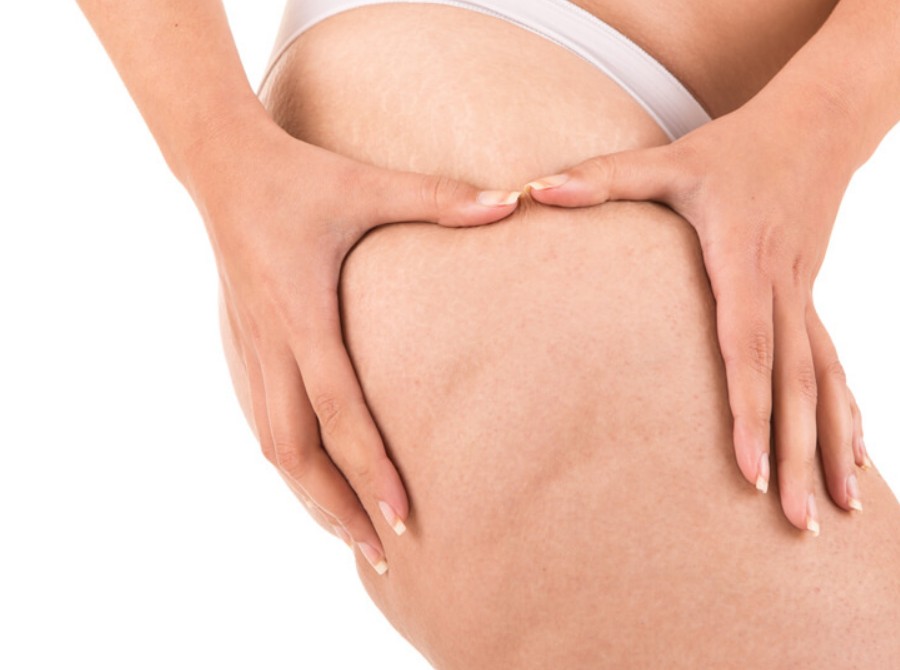
Understanding Cellulite Grades: Grade 1, Grade 2, and Grade 3
Clinicians classify cellulite severity on a three-grade scale that directly informs which treatments are appropriate.
- Grade 1: Dimpling appears only when the skin is compressed or pinched, not while standing.
- Grade 2: Dimpling is visible while standing but disappears when lying down.
- Grade 3: Dimpling is persistent in all positions and may be accompanied by skin laxity or deeper pitting.
This grading is not academic. Grade 1 and Grade 2 presentations respond differently to energy-based treatments than Grade 3, and a qualified provider will assess your grade before recommending any technology.
Why Topical Creams, Massage, and Exercise Cannot Reach the Root Cause
What Over-the-Counter Products Actually Do
Topical creams containing caffeine, retinol, or botanical extracts work at the epidermis, the outermost skin layer. They may temporarily improve surface texture by drawing water out of superficial tissue or mildly stimulating circulation, creating a transient smoothing effect. They cannot penetrate to the dermis or subdermal layer where the fibrous bands and fat chambers actually reside. The improvement fades within hours, which is why these products require daily use and never produce lasting structural change.
The Circulation Myth
Dry brushing, massage, and compression garments do improve local circulation, and that is genuinely beneficial for skin health. What circulation cannot do is mechanically release or thermally remodel the fibrous septae that cause dimpling. Bringing more blood to an area does not dissolve the connective tissue anchoring the skin downward. This is a clinically important distinction that the wellness industry rarely makes clearly.
When a Healthy Body Still Shows Cellulite
Hormonal, Genetic, and Structural Factors
Estrogen promotes the fibrous band architecture that causes cellulite, which is why the vast majority of post-pubertal women develop it regardless of body weight. Genetic predisposition determines the density and arrangement of those septae. As estrogen levels shift with age, the overlying skin also loses collagen and elasticity, making existing cellulite more visible even without any change in body composition. A lean, active woman in her forties can have more visible cellulite than she did at a higher body weight in her twenties, not because she has done something wrong, but because the structural conditions have changed at a biological level that no amount of training or clean eating addresses.

How Laser and Energy-Based Treatments Address Cellulite at Its Source
The reason laser and energy-based treatments succeed where topical approaches fail is straightforward: they deliver controlled energy below the skin surface, directly to the tissue layers where cellulite is formed.
The Clinical Mechanism: Subdermal Heating, Collagen Stimulation, and Fibrous Band Disruption
How Laser Energy Reaches the Subdermal Layer
Laser devices used for cellulite reduction emit specific wavelengths that pass through the epidermis and dermis with minimal surface disruption, depositing thermal energy in the subdermal tissue. This targeted heating reaches the fibrous septae and fat compartments where structural remodeling needs to occur, well beyond what any topical product can access.
Collagen Remodeling and Skin Tightening
The thermal stimulus triggers the body’s wound-healing response, prompting fibroblasts to produce new collagen and elastin. This process thickens and tightens the dermis over several weeks, which is why results continue improving after the final session. Skin that was lax and dimpled becomes progressively firmer as collagen matures, a gradual transformation that looks natural precisely because it is biologically driven.
The Role of Improved Microcirculation
Subdermal heating also stimulates the local microvasculature, improving lymphatic drainage and reducing the fluid retention that can exaggerate dimpled texture. This is a secondary benefit rather than the primary mechanism, but it contributes meaningfully to the overall smoothing effect visible in the early weeks of treatment.
Laser, Radiofrequency, and Subcision: Matching the Technology to Your Cellulite
Not every energy-based platform treats cellulite the same way. Matching the technology to your specific presentation is the difference between visible results and wasted investment.
Laser and Low-Level Laser Therapy (LLLT)
Thermal laser treatments are well-suited for Grade 1 and Grade 2 cellulite, particularly when the primary concern is skin texture and mild dimpling rather than deep structural banding. Low-Level Laser Therapy uses non-thermal light energy to stimulate cellular metabolism and collagen production at lower intensity, making it appropriate for sensitive skin types or as a complement to other modalities.
Radiofrequency Platforms, Including BodyFX and NuEra
Radiofrequency technology delivers electrical energy that generates heat within the dermis and subdermal fat. Platforms like BodyFX combine radiofrequency with vacuum suction and massage to target both laxity and fat volume simultaneously. NuEra focuses on controlled dermal heating for skin tightening. Radiofrequency is particularly effective when skin laxity is a co-existing concern alongside cellulite, and it performs well across multiple body areas including the abdomen and inner thighs.
Subcision-Based Technologies, Including Cellfina and Aveli
Subcision mechanically severs the fibrous septae rather than heating them. FDA-cleared platforms like Cellfina and Aveli use a precise needle or blade to release the individual bands pulling the skin downward. This is the most direct structural intervention currently available and produces some of the longest-lasting documented results, particularly for Grade 2 and Grade 3 cellulite with clearly identifiable deep dimples.
Why Combination Approaches Often Deliver the Best Outcomes
Most patients presenting with moderate to significant cellulite benefit from a combination protocol: subcision to release the structural bands, followed by radiofrequency or laser treatments to tighten overlying skin and improve texture. A provider who recommends a single device for every patient is not tailoring treatment to your anatomy. They are fitting you to their equipment.
Modality Comparison at a Glance
| Modality | Best Cellulite Grade | Skin Laxity Benefit | Primary Treatment Area | Typical Downtime | Ideal Candidate |
|---|---|---|---|---|---|
| Laser (thermal) | Grade 1-2 | Moderate | Thighs, buttocks | Minimal (1-2 days) | Mild texture concerns, early-stage dimpling |
| LLLT | Grade 1 | Low | Thighs, abdomen | None | Sensitive skin, maintenance |
| Radiofrequency (BodyFX, NuEra) | Grade 1-3 | High | Thighs, abdomen, arms | Minimal (redness 24-48h) | Laxity and cellulite, multiple areas |
| Subcision (Cellfina, Aveli) | Grade 2-3 | Low | Thighs, buttocks | Moderate (3-5 days bruising) | Deep dimples, structural banding |
| Combination protocol | Grade 2-3 | High | Multiple areas | Varies by modalities used | Complex presentations, best overall outcomes |
Does Laser Treatment for Cellulite Actually Work?
What Clinically Supported Evidence and Realistic Outcomes Look Like
Published clinical data supports meaningful improvement in cellulite appearance with energy-based treatments, particularly for Grade 1 and Grade 2 presentations. Studies on radiofrequency and laser modalities consistently show measurable reductions in dimpling and improvements in skin firmness across multiple treatment sessions. The honest caveat: no current technology eliminates cellulite entirely. The clinical goal is significant, visible improvement, not perfection, and patients who understand this distinction report higher satisfaction with their outcomes.
What “Minimal Downtime” Actually Means for a Busy Professional
Radiofrequency and laser sessions typically cause transient redness and warmth that resolves within 24 to 48 hours. You can return to a client meeting or dinner reservation the same evening. Subcision-based treatments involve bruising and mild tenderness for three to five days, which requires some scheduling consideration but no extended absence from work or social commitments. Understanding this distinction before booking allows you to choose a treatment timeline that fits your professional calendar without surprises.

What to Look for When Choosing a Laser Cellulite Clinic Near You
Searching for laser treatment for cellulite near me returns dozens of options, and the gap in quality between them is significant. Choosing the wrong provider does not just waste money. It can mean undergoing a treatment that does not match your cellulite grade, on equipment that is not medical-grade, administered by someone without the clinical training to recognize the difference.
Credentials, Technology Investment, and Clinical Oversight
Why Board-Certified Practitioners and Medical-Grade Technology Matter
Medical-grade devices deliver controlled, calibrated energy at therapeutic intensities that consumer and lower-tier commercial equipment cannot replicate. A board-certified physician or appropriately supervised advanced practitioner brings diagnostic judgment to the process, including the ability to assess your specific presentation, identify contraindications, and adjust parameters mid-treatment. That clinical oversight is what separates a reproducible outcome from a variable one.
Medical Spa vs. Aesthetic Clinic: What to Verify Before Booking
Both settings can offer cellulite reduction treatment near me, but their regulatory and clinical structures differ. A medical spa operates under a physician’s license, meaning a doctor is legally responsible for the protocols, though that physician may not be physically present during your session. An aesthetic clinic with in-house medical oversight typically offers more direct practitioner involvement. Before booking, confirm three things: who holds the medical director license, whether a qualified practitioner will assess you before treatment, and whether the device being used carries FDA clearance for the specific indication being treated.
What Qualifications Should You Look for in a Provider?
At minimum, look for a provider whose clinical team holds credentials in dermatology, plastic surgery, or aesthetic medicine, and who can demonstrate documented training on the specific device they are recommending. Ask directly: “Who will perform my treatment, and what is their training on this platform?” A credible clinic answers that question without hesitation.
The Consultation Process as a Quality Signal
The consultation is where you learn the most about a clinic’s standards, not from the brochure, but from how the practitioner engages with your individual anatomy.
Why a Personalized Assessment Is Non-Negotiable
A practitioner who recommends a treatment protocol before physically assessing your cellulite grade, skin laxity, and treatment areas is prescribing before diagnosing. Grade 1 and Grade 3 cellulite require fundamentally different approaches. Your skin laxity, body composition, and target areas further shape which modality or combination protocol will produce meaningful results for you specifically. A personalized assessment is not a courtesy. It is the clinical basis for every recommendation that follows.
Red Flags and Green Lights: Questions to Ask Before Committing
Use the consultation to evaluate the provider, not just the treatment. Questions that reveal quality include:
- “Which modality do you recommend for my cellulite grade, and why?”
- “What results can I realistically expect, and over what timeline?”
- “How many sessions do patients with my presentation typically require?”
- “What happens if I do not see improvement after the recommended course?”
Red flags include a single-device recommendation for every patient, vague answers about expected outcomes, pressure to purchase a package before completing an assessment, and an inability to explain what FDA clearance the device holds.
What FDA Clearance Status Tells You About a Technology
FDA clearance for a specific indication means the device has been reviewed against a defined safety and efficacy standard for that use. It does not guarantee results, but it confirms the technology has passed a regulatory threshold. Ask your provider whether their device is FDA-cleared specifically for cellulite reduction or skin tightening, not just for general dermatological use. That distinction matters when evaluating whether a platform is appropriate for your treatment goals.
Evaluating Before-and-After Results Honestly
How to Read Before-and-After Galleries Without Being Misled
Before-and-after photos are useful when they are honest. Look for consistent lighting, angles, and positioning between images, since changes in lighting alone can create the appearance of significant improvement. Look for patients whose cellulite grade and body type resemble yours, rather than focusing on the most dramatic transformations. A clinic that shows a range of realistic outcomes across different presentations is demonstrating transparency. A gallery of only exceptional results is curated marketing.
What Visible Improvement Looks Like Across Cellulite Grades
For Grade 1 presentations, visible improvement typically means smoother skin texture and reduced dimpling under compression. For Grade 2, it means dimpling that was previously visible while standing becomes less pronounced or disappears in relaxed positions. Grade 3 improvements are more incremental, reflecting reduced depth of dimpling, improved skin firmness, and better overall texture, but rarely a complete resolution. A provider who communicates this distinction honestly is a provider you can trust with your expectations and your investment.
What to Expect During and After Your Laser Cellulite Treatment
The Treatment Experience: Comfort, Duration, and What Actually Happens
Is Laser Cellulite Treatment Painful?
Most laser and radiofrequency cellulite sessions are described as warm and mildly pressured rather than painful. Radiofrequency treatments with vacuum suction create a pulling sensation alongside heat, which patients typically rate as tolerable without anesthesia. Subcision-based treatments involve local anesthetic, so the procedure itself is not painful, though the area will feel tender and bruised in the days following. Session duration ranges from 30 minutes for a single small area to 90 minutes for a multi-zone treatment.
How a Personalized Treatment Plan Is Structured Around Your Lifestyle
A well-designed plan accounts for your schedule, not just your anatomy. If you have a significant event approaching, your provider should factor that into timing, particularly if subcision is part of the protocol. Sessions are typically spaced two to four weeks apart to allow collagen remodeling to progress between appointments. Your practitioner should map this out at the consultation so you are not managing surprises along the way.
Recovery Logistics for the Busy Professional
Returning to Exercise After Laser Cellulite Treatment
For radiofrequency and laser sessions, light activity is generally appropriate within 24 to 48 hours. Vigorous exercise is typically paused for two to three days to avoid prolonged vasodilation in the treated area. Following subcision, most providers recommend avoiding intense lower-body exercise for five to seven days. Your practitioner will give specific guidance based on the modalities used and the areas treated.
Protecting Your Professional Image During Recovery
Post-treatment skin in radiofrequency and laser areas may appear flushed for 24 to 48 hours, manageable under clothing and easily concealed for professional commitments. After subcision, mild bruising may require loose-fitting clothing over treated areas for several days. Compression garments are sometimes recommended to support lymphatic drainage and minimize swelling. Avoid exfoliating skincare products and prolonged sun exposure to treated areas during the initial recovery window.
Combining Non-Surgical Body Sculpting With Your Existing Wellness Routine
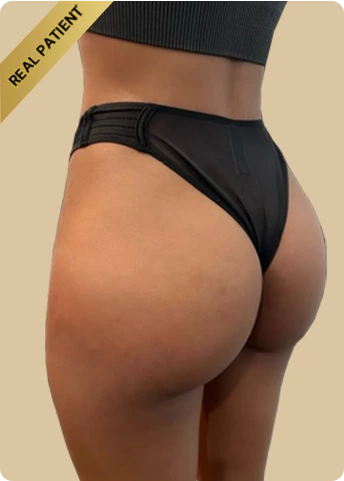
Laser and energy-based cellulite treatments work alongside, not against, an active lifestyle. Maintaining hydration, consistent exercise, and stable body weight supports the collagen remodeling process and extends the longevity of results. Providers who integrate your wellness habits into the treatment conversation, rather than treating the session as an isolated event, are taking the more comprehensive and ultimately more effective approach.
How Many Sessions Will You Need, and When Will You See Results?
Building a Realistic Timeline
When Visible Results Typically Begin to Appear
Initial texture improvements from radiofrequency and laser treatments become noticeable after the second or third session, typically four to six weeks into a course. More significant structural improvements, including firmer skin and reduced dimpling in standing positions, emerge over three to six months as new collagen matures. This delayed progression is not a sign that treatment is underperforming. It is the biology of collagen remodeling, which requires time regardless of the technology used. Most patients see their most meaningful results two to three months after completing their final session.
Why Individual Variation in Response Is Normal
Collagen production capacity, skin thickness, cellulite grade, hormonal status, and lifestyle all influence how quickly and visibly results appear. Two patients receiving identical protocols may see noticeably different timelines, and both can achieve meaningful improvement. A provider who frames this variability honestly at the outset is protecting you from the frustration of comparing your week-four results to someone else’s week-twelve photos.
Are the Results of Laser Cellulite Treatment Permanent?
The Role of Maintenance Sessions in a Long-Term Strategy
Subcision results tend to be long-lasting because the mechanical release of fibrous bands does not reverse spontaneously. Radiofrequency and laser results are durable but not indefinitely self-sustaining, since collagen continues to age and body composition can shift over time. Most patients maintain their outcomes with one to two sessions per year following the initial treatment course. Think of this as a maintenance investment rather than a recurring repair.
Lifestyle Factors That Influence Longevity
Significant weight fluctuation, hormonal changes, and prolonged deconditioning can accelerate the return of cellulite appearance even after effective treatment. Staying within a stable weight range, maintaining muscle tone in treated areas, and protecting skin health through hydration and sun protection all contribute to longer-lasting outcomes. Your provider should discuss these factors explicitly so you understand what you can do between sessions to protect your investment.
Is Laser Cellulite Treatment Right for You?
Which Cellulite Types and Body Areas Respond Best
Grade 1 and Grade 2 cellulite on the thighs, buttocks, and outer hips respond most predictably to energy-based treatment protocols. Areas with moderate skin laxity alongside cellulite benefit particularly well from radiofrequency modalities, which address both concerns simultaneously. Patients with stable body weight, realistic expectations, and the commitment to complete a full treatment course consistently achieve the most satisfying outcomes.
When Laser Technology Is Not the Optimal First Step
Not every cellulite presentation is best addressed with laser or radiofrequency as the first intervention. Patients with Grade 3 cellulite characterized by deep, isolated dimples from identifiable fibrous bands may achieve better structural improvement through subcision first, followed by energy-based treatments for skin tightening. Patients with significant overlying skin laxity beyond what non-surgical modalities can meaningfully address may benefit from a conversation with a plastic surgeon before committing to a non-surgical course. A provider who tells you this, even when it means redirecting you away from their most popular treatment, is demonstrating the clinical integrity worth rewarding with your trust.
Why MEDSPA MD Group Is Your Premier Local Choice for Advanced Cellulite Reduction
Every principle covered in this article, from accurate grading and technology matching to honest candidacy assessment and personalized treatment sequencing, converges at a single practical question: who, specifically, is going to do this work on your body? MEDSPA MD Group was built to answer that question with clinical rigor and genuine care for the individual sitting across the consultation table.
A Strategic Partner, Not Just a Treatment Provider
Personalized Modality Selection Based on Your Cellulite Grade, Body Type, and Goals
The most common failure point in cellulite treatment is not the technology. It is the absence of clinical reasoning behind the recommendation. MEDSPA MD Group approaches each new patient as a diagnostic challenge before it is a treatment opportunity. Your cellulite grade, skin laxity, body composition, target areas, and lifestyle commitments are assessed before any modality is proposed. If your presentation calls for a combination protocol, such as subcision to release structural bands followed by radiofrequency to tighten overlying skin, that is what your plan will reflect, not whatever device the clinic invested in most recently.
This is the practical difference between a provider who matches treatments to patients and one who matches patients to treatments. The first approach produces outcomes you can see. The second produces appointments.
Advanced Body Contouring Technology, Including Endolift, and Clinical Expertise in Application
MEDSPA MD Group’s technology portfolio includes Endolift, a laser-based platform that delivers precise subdermal energy through a minimally invasive fiber, making it particularly effective for areas where skin laxity and cellulite texture intersect. Endolift’s mechanism of controlled thermal delivery at the subdermal junction stimulates the collagen remodeling response with a level of spatial precision that external devices cannot replicate in the same tissue plane.
The technology itself is only part of the clinical equation. The practitioner’s expertise in application, encompassing energy settings, treatment depth, pattern, and patient response, determines whether that precision translates into a result. MEDSPA MD Group’s clinical team holds documented training on each device in the practice, and that expertise informs every parameter decision made during your session.
Transparency, Trust, and the Premium Clinic Difference
How Honest Outcome Expectations Protect Your Investment
A treatment plan that overpromises is a plan that underdelivers, and the disappointment that follows is not just emotional. It is financial. MEDSPA MD Group structures its outcome conversations around what your specific cellulite grade, treated area, and baseline skin quality can realistically achieve. You will know before your first session what improvement range is reasonable for your presentation, what the treatment timeline looks like, and what maintenance involvement your results will require long-term.
This transparency is not a limitation of the clinic’s confidence in its outcomes. It is the clinical standard that protects your investment and sustains your trust. Patients who understand their realistic trajectory are not just more satisfied. They are more consistent with the maintenance protocols that extend and compound their results.
What the MEDSPA MD Group Consultation Experience Looks Like
Your first contact with MEDSPA MD Group sets the tone for everything that follows. The intake process captures your treatment history, goals, and any relevant health information before you arrive, so the consultation focuses entirely on assessment and planning rather than paperwork. During the consultation, a qualified practitioner physically evaluates your cellulite grade, skin laxity, and treatment areas, then walks you through the modality rationale as a clinical explanation of why a specific approach fits your anatomy, not as a sales presentation.
By the end of that first session, you leave with a written treatment plan, a realistic outcome framework, and a scheduled follow-up. No pressure to purchase on the day, and no package commitments before the assessment is complete.
Five Non-Negotiables Before Booking Any Laser Cellulite Consultation
Before confirming any appointment for laser treatment for cellulite near me, verify these criteria:
- The provider physically assesses your cellulite grade before recommending a specific modality or package.
- The clinical team holds verifiable credentials in dermatology, aesthetic medicine, or a related medical specialty.
- The device being recommended carries FDA clearance for cellulite reduction or skin tightening specifically.
- The consultation includes a realistic outcome discussion tied to your presentation, not generic before-and-after claims.
- The provider can explain what happens if results fall short of expectation and has a protocol for addressing it.
A clinic that meets all five without hesitation is a clinic worth booking.
Conclusion: From Frustration to Confidence
Why Structural Treatment Changes Everything
Cellulite persists not because of insufficient effort but because its cause, the fibrous bands pulling the skin downward against expanding fat chambers, exists in a tissue layer that no cream, massage, or exercise protocol can reach. The moment that distinction becomes clear, the entire category of solutions that have failed you makes sense, and the clinical logic behind energy-based treatment clicks into place. This is not a new category of hope. It is a different category of mechanism.
Choosing Local, Choosing Right
The technology available for non-surgical cellulite removal today is genuinely effective. What remains variable is the quality of the hands guiding it and the clinical judgment behind the protocol. Two patients with identical presentations can have very different experiences depending entirely on whether their provider assessed them accurately, matched the modality to their grade, and set honest expectations for the timeline. The search for laser treatment for cellulite near me is not just a geographic query. It is a quality filter, and where you go matters as much as what you do.
Book Your Complimentary Consultation at MEDSPA MD Group Today
If you are ready to move from frustration to a plan grounded in clinical evidence and tailored to your specific anatomy, the next step is straightforward. Book your complimentary consultation at MEDSPA MD Group. Bring your questions, your skepticism, and your goals, and leave with an honest assessment of what treatment can achieve for you and exactly how to get there.

Frequently Asked Questions
Most patients begin noticing initial texture improvements after their second or third session, typically four to six weeks into a treatment course. More meaningful structural changes, including reduced dimpling and firmer skin, continue to develop over three to six months as new collagen matures. The exact number of sessions depends on your cellulite grade, the modality used, and your individual response, all of which a qualified provider will outline at your consultation.
Results from subcision-based treatments tend to be long-lasting, since the mechanical release of fibrous bands does not reverse on its own. Radiofrequency and laser outcomes are durable but benefit from periodic maintenance, typically one to two sessions per year, as collagen naturally continues to age over time. Stable body weight, consistent exercise, and good skin hydration all contribute to extending the longevity of your results.
There is no single answer, because the most effective treatment depends on your cellulite grade and specific presentation. Subcision-based technologies like Cellfina and Aveli are the most direct structural intervention for deep, identifiable dimples at Grade 2 and Grade 3. Radiofrequency platforms excel when skin laxity is a co-existing concern. Laser treatments are well-suited for Grade 1 and Grade 2 texture issues. A combination protocol is often the most effective approach for moderate to significant presentations, which is why a thorough in-person assessment is essential before any recommendation is made.
Most patients describe laser and radiofrequency sessions as warm and mildly pressured rather than painful, with no anesthesia required. Radiofrequency treatments that incorporate vacuum suction add a gentle pulling sensation, which is generally well-tolerated. Subcision-based treatments are performed under local anesthetic, so the procedure itself is comfortable, though mild tenderness and bruising in the treated area are expected for several days afterward.
Light activity is generally appropriate within 24 to 48 hours following radiofrequency and laser sessions. More vigorous exercise is typically paused for two to three days to avoid prolonged vasodilation in the treated area. After subcision, most providers recommend avoiding intense lower-body exercise for five to seven days. Your practitioner will provide specific guidance based on the treatment modality and areas addressed.
Look for a clinical team with credentials in dermatology, plastic surgery, or aesthetic medicine, and confirmed training on the specific device being recommended for your treatment. Verify that the practice operates under licensed medical oversight and that the device in use carries FDA clearance for cellulite reduction or skin tightening. A credible provider will welcome these questions and answer them without hesitation, treating your enquiry as a sign of informed decision-making rather than a challenge to deflect.