Table of Contents
- Why the Proliferation of Device Names Creates Decision Paralysis
- Non-Surgical Body Contouring vs. Liposuction: An Honest Trade-Off Assessment
- Philadelphia’s Body Contouring Technologies Compared: A Decision Framework
- Philadelphia Body Contouring Technology Selector
- Choosing the Right Treatment for Your Body, Goals, and Schedule
- Which Body Contouring Treatment Is Best for My Body Type?
- What to Realistically Expect: A Week-by-Week Timeline After Treatment
- The True Cost of Body Contouring in Philadelphia: A Value Framework
- Why Integrated Transformation Outperforms Any Single-Device Protocol
- Sustaining Your Results: Post-Treatment Strategy and Long-Term Confidence
- How to Choose a Philadelphia Body Contouring Provider Who Will Actually Deliver
- Conclusion: Your Transformation Starts with the Right Plan, Not the Right Device
- Frequently Asked Questions
Why the Proliferation of Device Names Creates Decision Paralysis
Search “Philadelphia body contouring,” and you will encounter a cascade of brand names, acronyms, and clinical descriptors that all promise the same thing in different packaging. CoolSculpting, SculpSure, EvolveX, Endolift, Liquid BBL — each has its own marketing language, its own before-and-after gallery, and its own clinic claiming it is the gold standard. For someone who simply wants to address the stubborn fat that has settled around her abdomen or flanks despite years of discipline, this landscape is not helpful. It is paralyzing.
The proliferation of device names is a supply-side problem dressed up as consumer choice. Manufacturers invest heavily in brand differentiation because it drives equipment sales, and clinics often align their marketing with whatever device they have purchased. The result is that most of the information available online answers the wrong question. Not “what does your body actually need?” but “why is our machine the best one?”
The Real Reason Stubborn Fat Persists Despite Diet and Exercise
Fat cells are not uniformly distributed, and they do not all respond equally to caloric deficit or exercise. Subcutaneous fat, the kind that sits just beneath the skin in areas like the lower abdomen, flanks, inner thighs, and upper arms, is metabolically stubborn because of the way its receptor density is structured. This is not a willpower issue or a fitness gap. It is anatomy.
Diet and exercise reduce the size of fat cells by depleting their lipid content, but they do not eliminate the cells themselves. This is why a consistent fitness routine can leave you leaner overall while certain pockets of fat appear structurally unchanged. Those cells remain, ready to refill if caloric balance shifts. Non-surgical body contouring works by a fundamentally different mechanism: it targets the elimination of fat cells, not just their contents.
What Separates a Treatment Strategist from a Device Technician
A device technician runs a protocol. She positions applicators, sets parameters, and follows a manufacturer’s treatment guide. The results she produces are bounded by the protocol — consistent, but not personalized.
A treatment strategist starts somewhere entirely different: with your body, your goals, your timeline, and your tolerance for downtime. She uses the same devices, but the selection, sequencing, and combination of treatments are based on a clinical assessment rather than a service menu. The difference in outcomes is significant. A single technology applied in isolation rarely addresses the full picture, because fat reduction, skin laxity, and muscle tone are distinct concerns that often coexist and benefit from coordinated treatment.
How This Guide Will Help You Build a Plan
This guide walks you through how each major non-surgical technology actually works at a biological level, what it does well, and where it falls short. It provides a framework for evaluating your own candidacy, understanding realistic timelines, and assessing cost against actual results rather than device marketing. By the end, you will have the clarity to walk into a consultation knowing exactly what questions to ask — and what answers should give you pause.

Non-Surgical Body Contouring vs. Liposuction: An Honest Trade-Off Assessment
What Non-Surgical Body Contouring Actually Does at a Cellular Level
The phrase “non-surgical fat reduction” can sound like a euphemism for modest results. It is not, provided the treatment is matched correctly to the concern. What distinguishes non-surgical approaches is the method by which fat cells are targeted and the cellular processes those methods trigger.
Cryolipolysis and Apoptosis: How Fat Cells Are Eliminated Without Incisions
Cryolipolysis, the mechanism behind CoolSculpting, works by applying controlled cooling to a targeted area, reducing tissue temperature to a point where fat cells undergo crystallization. Fat cells are more vulnerable to cold than surrounding skin, nerve, and muscle tissue. The crystallization triggers apoptosis, a programmed, orderly cell death process in which the body recognizes the damaged fat cells as waste and gradually processes them through the lymphatic system over eight to twelve weeks.
This is not swelling that resolves. The fat cells are gone. The measurable reduction in fat layer thickness documented in clinical studies in treated areas reflects actual cell elimination, not fluid shift.
Radiofrequency Energy and Subdermal Lipolysis: Tightening While Reducing
Radiofrequency (RF) energy heats tissue at a targeted depth below the skin’s surface. At the correct temperature range sustained in the subdermal layer, two things happen simultaneously. Adipocytes (fat cells) undergo thermal disruption and lipolysis, releasing their lipid contents for clearance by the lymphatic system. Collagen fibers in the dermis also contract and remodel, producing measurable skin tightening over time.
This dual mechanism makes RF-based treatments particularly relevant when fat reduction and skin laxity coexist, a combination that is common after significant weight fluctuation or in patients over 40.
Laser Lipolysis: Targeted Heat and Its Role in Fat Disruption
Laser-based fat reduction works through selective photothermolysis, the delivery of light energy at a wavelength absorbed preferentially by adipose tissue. The heat generated disrupts fat cell membranes, initiating an inflammatory response that clears the released lipids through natural metabolic pathways. Laser platforms tend to treat larger surface areas simultaneously and are well-suited to body regions where uniform reduction over a wider area is the goal.
What Traditional Liposuction Offers That Non-Surgical Treatments Cannot
Liposuction physically removes fat in a single session. For patients with large-volume fat deposits, or those seeking dramatic, immediate contour changes, no non-surgical technology matches its capacity or speed. A skilled surgeon can sculpt the result with a precision that current non-invasive devices cannot replicate.
The trade-off is real: anesthesia, a recovery window of one to three weeks depending on extent, compression garments, and the attendant surgical risks. For the professional who cannot afford extended downtime, or who has a more targeted and moderate concern, this trade-off is often decisive.
Candidacy: Who Is and Is Not a Good Fit for Non-Surgical Approaches
Non-surgical body contouring is most effective for adults who are near or at a stable healthy weight, have identifiable pockets of subcutaneous fat that resist diet and exercise, and hold realistic expectations about the pace and degree of change. It is not a weight-loss treatment. It does not address visceral fat stored around internal organs, and it is not indicated for patients whose primary goal is large-volume reduction.
Skin laxity without underlying fat requires a different tool entirely, one focused on collagen stimulation rather than fat cell elimination.
Can You Get Meaningful Results Without Any Downtime?
Yes, with appropriate expectations about what “meaningful” means. Cryolipolysis and RF-based treatments typically involve no recovery period, and most clients return to normal activity immediately. Laser-based treatments may produce mild warmth or transient tenderness for a day or two. The trade-off for zero downtime is time: results develop over weeks as the body processes eliminated cells, not days as surgical swelling resolves.
For someone whose schedule cannot accommodate a week of limited mobility, this is not a compromise. It is the right tool for the right context.
Philadelphia’s Body Contouring Technologies Compared: A Decision Framework
CoolSculpting, SculpSure, and EvolveX: Mechanisms, Strengths, and Honest Limitations
What CoolSculpting Does Best and Where It Falls Short
CoolSculpting is among the most extensively studied non-surgical fat reduction technologies available. Its strength is precision: the applicator creates a controlled vacuum that isolates a specific tissue fold, delivering consistent cooling to a defined area. For discrete, pinchable fat bulges that are clearly visible and physically separable from underlying tissue, cryolipolysis produces reliable, documented results.
Its limitations are equally specific. It requires sufficient tissue volume for the applicator to engage, making it less effective in areas where fat is thin and diffuse. It also does not address skin laxity. In fact, significant volume reduction in lax skin can make surface irregularity more apparent, not less.
SculpSure’s Laser-Based Approach and Ideal Treatment Scenarios
SculpSure uses 1060nm diode laser energy delivered through flat applicators that lie against the skin’s surface. Because the applicators do not require tissue suction, they work well in areas where cryolipolysis applicators cannot achieve adequate contact, including the inner thighs and upper arms, where tissue contours are less uniform. Each 25-minute session treats multiple areas simultaneously, a practical advantage for time-constrained patients.
The thermal mechanism also produces mild, diffuse collagen stimulation alongside fat disruption, making it a reasonable option when modest skin tightening is a secondary goal.
EvolveX: Combining Radiofrequency, Electrical Muscle Stimulation, and Skin Tightening in One Platform
EvolveX is a multi-application RF platform that addresses three distinct concerns within a single system. Its Trim applicator delivers RF energy for subdermal fat disruption. Its Tite applicator focuses RF energy on dermal remodeling and skin tightening. And its Tone applicator delivers electrical muscle stimulation to induce involuntary muscle contractions, improving muscle definition alongside fat reduction.
The clinical value of EvolveX lies in its integration. A patient dealing with post-pregnancy changes to the abdomen, where fat, lax skin, and reduced muscle tone coexist, can address all three concerns in a coordinated treatment plan rather than three separate device protocols. This is where the platform genuinely differentiates itself from single-mechanism alternatives.
Liquid BBL Philadelphia: What It Is, How It Works, and Why It Is Differentiated
Liquid BBL is a non-surgical approach to buttock enhancement and reshaping that uses injectable biostimulators to restore volume, improve contour, and address superficial skin texture without implants or fat transfer. It adds and redistributes rather than reduces, which makes it fundamentally different from the other technologies discussed here.
The distinction matters for candidacy. Patients who have lost gluteal volume with age or weight loss, or who want modest, natural-looking enhancement without surgery, are Liquid BBL candidates. Patients with significant fat deposits or structural asymmetry have different needs entirely. Understanding this distinction prevents the common mistake of selecting a treatment based on a name rather than a mechanism.
Endolift: Minimally Invasive Laser Lifting for Skin Laxity and Subdermal Fat
Endolift occupies a useful middle ground between non-surgical and surgical. A micro-cannula delivers laser energy directly beneath the skin’s surface, targeting subdermal fat while simultaneously stimulating collagen contraction for immediate and progressive skin tightening. Local anesthesia is used, making it technically minimally invasive, but there is no incision in the traditional sense and recovery is typically limited to mild swelling for a few days.
For areas where surface skin is visibly lax, such as the jawline and neck, inner arms, and inner thighs, Endolift can produce results that neither topical RF nor cryolipolysis can match, because the energy is delivered precisely where the structural problem exists.
Which Technology Is Most Effective for Stubborn Fat?
There is no universal answer, and any provider who offers one should prompt skepticism. Cryolipolysis produces the best-documented results for discrete, accessible fat bulges. RF-based treatment produces better results when fat and laxity coexist. Laser lipolysis offers practical advantages in anatomically difficult areas. Endolift addresses superficial subdermal fat alongside meaningful skin lifting in ways no non-contact device can replicate.
The most effective approach is the one that matches the mechanism to the actual tissue concern, which is why the most important decision is not which device to choose, but which provider will do that matching honestly.
Philadelphia Body Contouring Technology Selector
A practical comparison across the five major technologies available at MEDSPA MD Group.
| Technology | Primary Mechanism | Ideal Concern | Downtime | Sessions Typically Needed | Best-Fit Candidate |
|---|---|---|---|---|---|
| CoolSculpting | Cryolipolysis — controlled cooling triggers fat cell apoptosis | Discrete, pinchable fat bulges in areas with sufficient tissue volume | None | 1-2 per area | Near-goal-weight adult with identifiable, localized fat deposits and good skin elasticity |
| SculpSure | 1060nm diode laser lipolysis — thermal fat cell disruption | Broader fat reduction across multiple areas, including inner thighs and arms | Minimal (mild warmth, 1-2 days) | 1-2 per area | Patients seeking multi-area treatment in a single session, or areas where suction applicators cannot engage |
| EvolveX | Multi-application RF platform: fat disruption (Trim), skin tightening (Tite), and muscle toning (Tone) | Combined fat, laxity, and muscle tone concerns, particularly abdomen and flanks | None | 3-6 sessions per concern | Patients with coexisting fat, loose skin, and reduced muscle definition, including post-pregnancy body changes |
| Liquid BBL | Injectable biostimulators for volume restoration and contour improvement | Gluteal volume loss, contour irregularity, mild surface skin texture | Minimal (24-48 hours) | 1-3 sessions | Adults with age- or weight-related gluteal volume loss seeking natural-looking enhancement without surgery |
| Endolift | Subdermal 1470nm laser energy via micro-cannula — fat disruption plus immediate collagen contraction | Skin laxity with subdermal fat in areas requiring direct delivery (jawline, inner arms, thighs) | Mild swelling, 2-4 days | 1 session (often sufficient) | Patients with visible skin laxity where surface-only devices cannot deliver energy at the correct tissue depth |
The technology selector above is a starting point, not a prescription. Most patients presenting for a body contouring consultation have more than one concern, and the right treatment plan rarely maps neatly onto a single row of this table. A provider who looks at this matrix and recommends one device for every concern should prompt the same skepticism as a contractor who owns only one tool.
Choosing the Right Treatment for Your Body, Goals, and Schedule
The Candidacy Assessment: Why Self-Diagnosing the Right Treatment Is a Risk
The technology comparison in the previous section is genuinely useful, but it can also create a false sense of readiness. Reading about cryolipolysis and deciding you need CoolSculpting is like reading about antibiotics and prescribing yourself a course. The mechanism sounds right, but the diagnosis requires a clinical eye.
The risk of self-selection is not that you will choose something harmful. Non-surgical body contouring treatments are broadly safe. The risk is that you will choose something that does not match your actual tissue concern, invest time and money on a protocol that underdelivers, and conclude that body contouring does not work — when what did not work was the selection process.
A Decision Framework Built Around Lifestyle Constraints, Not Just Technology Specs
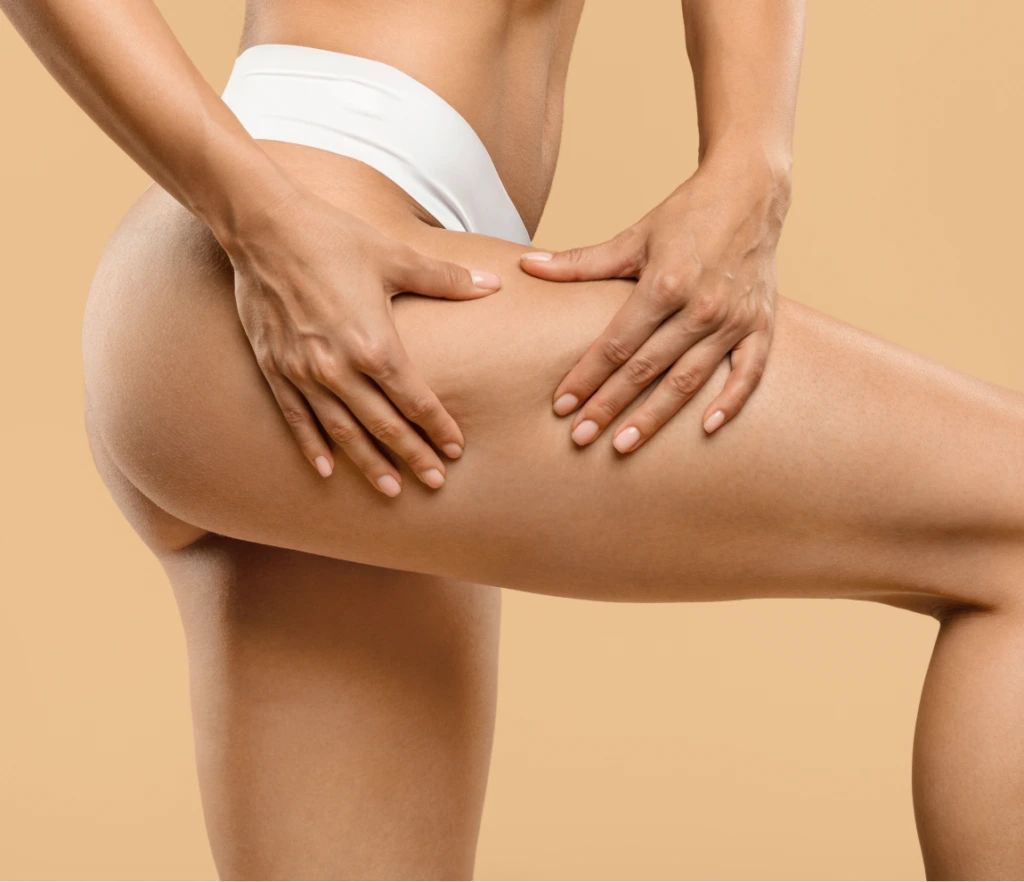
A useful candidacy framework starts with two questions: what is the primary tissue concern, and what does your life actually allow? Technology is the third question, not the first.
If Your Primary Concern Is Localized Fat Deposits
You have identifiable pockets of fat — lower abdomen, flanks, inner thighs — that are structurally unchanged despite a stable, healthy weight. The tissue is pinchable, the skin has reasonable elasticity, and you are not seeking large-volume reduction. Cryolipolysis or laser lipolysis is a well-matched starting point, depending on the area’s anatomy.
If Your Primary Concern Is Skin Laxity or Loss of Firmness
The concern here is texture and tone, not volume. Skin that has lost collagen density does not respond meaningfully to fat-reduction protocols. It needs energy that stimulates dermal remodeling. RF-based tightening, specifically the Tite application within EvolveX, or Endolift for areas where subdermal delivery matters, are the appropriate mechanisms.
If You Are Managing Both Fat Reduction and Skin Tightening Simultaneously
This is the most common presentation in patients over 40 or following significant weight change. A single-mechanism device will address one concern while leaving the other untouched, or occasionally making it more visible. A coordinated protocol using EvolveX’s multi-application platform, or a sequential combination of fat reduction followed by RF tightening, produces more complete results than either treatment alone.
If Downtime Is a Non-Negotiable Constraint
Zero-downtime options exist and deliver real results. CoolSculpting, SculpSure, and EvolveX all fit this category. If even mild swelling for two to three days is unworkable, Endolift’s recovery window should factor into the timing decision. Plan the treatment around a lower-demand period rather than the week before a major commitment.
Which Body Contouring Treatment Is Best for My Body Type?
“Body type” is a useful shorthand but an imprecise clinical variable. What actually determines treatment selection is tissue composition — the ratio of subcutaneous fat to skin laxity, the anatomical location of the concern, and the density of the fat deposit — not broad categories.
A provider assessing your candidacy will evaluate tissue pinchability, skin elasticity, and the depth of the fat layer in the target area. These findings, not a body type label, drive protocol design. The most productive version of this question to bring to a consultation is: “Given what you see in this specific area, which mechanism is best matched to the tissue concern?”
How Many Treatments Do You Actually Need to See Results?
Single-session results are possible. Endolift often achieves meaningful change in one treatment, and one CoolSculpting session per area produces measurable fat reduction. The more precise answer depends on the degree of concern, the technology selected, and how the body responds.
For moderate fat deposits, expect one to two sessions of cryolipolysis or laser lipolysis per area. For combined fat and laxity using EvolveX, typically four to six sessions allow RF remodeling to reach its potential. And for skin tightening alone, three to six sessions with intervals that allow collagen synthesis to develop between treatments is a reasonable expectation.
A quality provider will not commit to an exact number until after your first session and an assessment of your initial response. Anyone who quotes a precise treatment count before evaluating your tissue is guessing.
What to Realistically Expect: A Week-by-Week Timeline After Treatment
The Honest Truth About Result Timelines in Non-Surgical Body Sculpting
Non-surgical body contouring does not reveal itself in the first week. The biological processes involved — apoptosis, lymphatic clearance, collagen remodeling — take time by design. Expecting visible change at day seven sets up disappointment that has nothing to do with whether the treatment worked.
The timeline that follows applies broadly to fat-reduction treatments. Skin tightening timelines from RF protocols extend further, as collagen synthesis continues for months after the final session.
Weeks One and Two: What Is Happening Beneath the Surface
In the two weeks following cryolipolysis or laser lipolysis, the body is actively processing eliminated fat cells through the lymphatic system. You will not see change at the surface. The area may feel mildly tender, numb, or firm after cryolipolysis — this is normal and resolves within days to two weeks. Nothing visible is the expected outcome at this stage, and the absence of change is not a sign the treatment failed.
Weeks Four to Six: When Initial Changes Begin to Appear
By weeks four to six, enough cells have been cleared that the fat layer begins to thin measurably. Patients typically notice a subtle change in how clothing fits before they see a visible difference in the mirror. This is often the first reliable signal that the treatment is working.
Photographs taken at this stage, compared to baseline, tend to show more change than the mirror suggests. Lighting and angle variation make subjective self-assessment unreliable. A provider who captures standardized baseline photography gives you an objective reference point that removes the guesswork.
Weeks Eight to Twelve: Peak Results and Managing Expectations
The majority of fat cell clearance completes between weeks eight and twelve. Clinical documentation of cryolipolysis outcomes points to a meaningful reduction in fat layer thickness in treated areas. For most patients, this translates to a visible, genuine reduction in the target area — not a dramatic transformation, but a real and noticeable improvement in contour.
For patients managing their expectations accurately: the goal is structural improvement, not an entirely new body. The fat that was there is gone, and the change is proportional to the volume that was present to begin with.
What to Do If Results Feel Underwhelming at Eight Weeks
If the change at eight to twelve weeks feels insufficient, there are two productive responses. First, evaluate the baseline photographs honestly — subjective perception of the treated area is often less accurate than a direct comparison to pre-treatment images. Second, discuss a second session with your provider. Some fat deposits require two treatment cycles to reach the aesthetic goal, particularly in denser areas. Concluding the treatment does not work before peak results have developed is the one response that guarantees disappointment.
Is Body Contouring Permanent, or Will Fat Return?
The fat cells eliminated by cryolipolysis or laser lipolysis do not return. Once a fat cell undergoes apoptosis and is cleared by the lymphatic system, it is gone. This distinguishes these treatments from diet and exercise, which shrink fat cells without eliminating them.
The important caveat: remaining fat cells in the treated area and throughout the body can still expand with caloric excess. The treatment reduces the number of fat cells in a specific zone. It does not prevent fat accumulation if weight increases. Patients who maintain a stable weight after treatment preserve their results long-term.
Understanding Side Effects and What a Normal Recovery Looks Like
Cryolipolysis commonly produces temporary numbness, redness, and firmness in the treated area. These resolve within days to two weeks. A small percentage of patients experience paradoxical adipose hyperplasia, an increase rather than a decrease in fat volume in the treated area, which is rare but requires clinical management if it occurs.
RF-based treatments produce mild warmth and occasional temporary redness. Laser lipolysis may cause mild tenderness for one to two days. Endolift produces the most noticeable recovery: localized swelling lasting two to four days, occasionally accompanied by minor bruising.
None of these are reasons for alarm when understood in advance. They become concerning only when a provider has not explained them beforehand.

The True Cost of Body Contouring in Philadelphia: A Value Framework
Why Single-Session Pricing Comparisons Mislead More Than They Inform
A single CoolSculpting session quoted at a lower price than a single EvolveX session tells you almost nothing useful. The relevant comparison is cost relative to the outcome achieved, and that requires knowing how many sessions each technology requires to reach the target result, whether the treatment addresses one concern or multiple, and whether a lower-priced single session will need to be repeated twice to match what a higher-priced protocol achieves in the same timeframe.
Single-session price comparison is the aesthetic equivalent of comparing the cost of one coat of paint to a complete refinishing job. The numbers are real; the comparison is meaningless.
How to Evaluate Cost-Per-Result Across Different Technology Types
A practical cost-per-result framework accounts for three variables: the number of sessions needed to achieve the stated goal, the number of distinct concerns addressed per session, and the durability of the result.
EvolveX treating fat, laxity, and muscle tone simultaneously in one session series costs more per visit than a single-mechanism treatment — but addresses three concerns that would otherwise require three separate protocols. The per-concern cost may actually be lower, and the result more comprehensive. Endolift, which often achieves durable skin tightening in a single session, may represent stronger value than a multi-session surface RF series for patients with visible laxity.
The calculation differs for every patient, which is why a provider who presents a treatment plan with total investment transparency — not just session pricing — is giving you information you can actually use.
Understanding Package Structures and Multi-Session Protocols
Reputable providers structure packages around clinical protocols, not arbitrary bundles. If a provider recommends three EvolveX sessions, ask what the clinical rationale is for three versus four, and what the assessment criteria are for determining whether additional sessions are warranted. The answer reveals whether the recommendation is protocol-driven or revenue-driven.
Package pricing generally offers meaningful cost reduction compared to per-session rates. This is reasonable and worth asking about. What to avoid is committing to a large package before seeing your body’s initial response to treatment.
What You Are Actually Paying For: Expertise, Technology, and Personalization
The price differential between a medical spa with physician oversight and a standalone aesthetics studio reflects more than equipment. It reflects the clinical assessment that determines whether the treatment is appropriate for your tissue type, the expertise to identify contraindications, the judgment to modify a protocol mid-course when the clinical picture warrants it, and the accountability that comes with a licensed medical provider.
Technology is a commodity. The same device produces different outcomes in different hands, under different levels of assessment rigor. The provider’s expertise and the quality of the treatment plan are what you are actually purchasing.
Navigating Value Without Compromising Safety
The Philadelphia body contouring market includes providers across a wide range of clinical sophistication. The lowest-priced option is not automatically a value, and the highest-priced option is not automatically the best. The relevant questions are: who performs the clinical assessment, what qualifications do they hold, how is the treatment plan individualized, and what happens if your results are not what was expected? A provider who answers those questions clearly and specifically has demonstrated more about their value than any device specification sheet.
Why Integrated Transformation Outperforms Any Single-Device Protocol
The Gap Most Philadelphia Providers Ignore: Body and Face Age Together
Most Philadelphia body contouring providers are organized around a specific modality or anatomical focus. They treat the abdomen, flanks, or thighs — and they do it well. What they rarely address is that the same biological processes driving changes in the body are simultaneously reshaping the face: collagen loss, volume redistribution, and the softening of structural definition.
A patient who addresses her abdominal contour but ignores concurrent facial volume loss may feel that her results look inconsistent, that one part of her appearance has been refined while another remains unchanged. This is not vanity. It is an accurate perception of cohesiveness, and it is worth solving with equal intention.
How Combining Body Contouring with Facial Rejuvenation Creates Cohesive Results
Facial and body concerns share common biological mechanisms: collagen degradation, fat redistribution, and tissue laxity driven by the same hormonal and metabolic changes. Addressing them through a coordinated strategy, rather than treating each concern when it becomes acute enough to notice, produces results that feel integrated rather than piecemeal.
In practice, a patient undergoing RF body contouring may also benefit from RF or biostimulator-based facial rejuvenation on the same timeline, allowing both areas to respond and remodel in parallel. The results read as overall vitality, not as “she had something done.”
The Role of Weight Loss Injection Support in Amplifying Body Contouring Outcomes
GLP-1 receptor agonists, the class of weight loss medications gaining significant clinical attention, change the context of body contouring in an important way. Patients using these medications may experience meaningful overall weight reduction, which can both improve body contouring results and introduce new concerns: skin laxity and volume changes that emerge as fat deposits reduce more rapidly than the skin can adapt.
For patients on a weight loss medication protocol, coordinating body contouring timing matters. Initiating RF-based tightening protocols as weight stabilizes, rather than waiting until the medication course is complete, allows skin remodeling to keep pace with volume reduction. A provider who understands this sequencing can prevent the deflated appearance that sometimes follows rapid weight change.
Non-Surgical Body Sculpting as Part of a Unified Aesthetic Strategy
The most transformative results in non-surgical aesthetics consistently come from patients who approach their care as a strategy rather than a series of isolated treatments. Not because they spend more, but because each treatment reinforces the others, and the overall plan reflects a single coherent goal rather than a collection of separate decisions made at different times.
This is the distinction between a provider who maintains a treatment record and one who maintains a treatment strategy. One documents what was done. The other anticipates what comes next and designs each step accordingly.
An Illustrative Scenario: What a Personalized Integrated Treatment Plan Might Look Like
Consider a 44-year-old marketing director who presents with three concerns: persistent lower abdominal fat that has not responded to a return to regular exercise, mild laxity along the inner thighs, and the early loss of facial definition she notices in professional photographs.
A single-device provider addresses the abdominal fat with cryolipolysis and closes the consultation. An integrated provider designs a different plan entirely. A first phase combines CoolSculpting for the abdominal bulge with EvolveX Tite for the inner thigh laxity, both compatible with a zero-downtime schedule. A facial assessment identifies early jowling and midface volume loss that can be addressed with a biostimulator treatment timed alongside the second body session. Over four months, all three concerns are progressing in parallel.
The result feels cohesive — not like a series of procedures, but like a deliberate recalibration. The time investment is similar to what a single-concern protocol would require. The difference is that at the end of four months, one concern has not been resolved while two others remain untouched.
Sustaining Your Results: Post-Treatment Strategy and Long-Term Confidence
Why Post-Treatment Lifestyle Decisions Determine Whether Results Last
The fat cells eliminated during treatment are permanently gone, but the remaining cells respond to the same metabolic signals they always have. Whether your results hold for two years or twenty depends almost entirely on what happens after you leave the treatment room.
This is not a disclaimer designed to shift responsibility. It is a clinical reality that a good provider explains before treatment, not after. Patients who understand the biology make better decisions: they know that significant weight gain distributes into remaining fat cells throughout the body, including the treated area, and that protecting their results means protecting their metabolic baseline.
Nutrition, Movement, and Metabolic Habits That Protect Your Investment
No specific diet protocol is required after body contouring. What matters is stability — maintaining the weight and body composition you had at treatment rather than introducing significant caloric excess that triggers fat cell expansion.
In practice, this looks like:
- Consistent protein intake to support lean mass, particularly relevant if EvolveX muscle stimulation was part of your protocol
- Resistance training two to three times per week, which preserves the muscle tone that RF-based treatments helped improve
- Adequate hydration to support lymphatic clearance in the weeks immediately following fat-reduction treatments
- Managing the hormonal and metabolic variables — stress, sleep, and thyroid function — that disproportionately affect subcutaneous fat distribution in women over 40
If you are using GLP-1 medication support as part of your transformation plan, coordinate with your provider on timing. The weight loss these medications can produce is best paired with proactive RF tightening to prevent the laxity that follows when volume reduces faster than skin adapts.
When and How to Schedule Maintenance Treatments
Most patients who achieve their target result with cryolipolysis or laser lipolysis do not need regular maintenance cycles if their weight remains stable. The cells are gone and do not need to be re-eliminated.
Skin tightening from RF-based protocols is a different calculation. Collagen remodeling is an ongoing biological process, and the dermis continues to change with age, sun exposure, and hormonal shifts. Patients who treated laxity with EvolveX Tite or a comparable RF protocol benefit from an annual or biannual maintenance session to sustain the collagen density achieved during the initial protocol.
For Liquid BBL patients, the longevity of results depends on the compound used. Biostimulators that trigger collagen production build gradually and last longer than hyaluronic acid-based fillers, but both eventually require touch-up as tissue continues to age. Your provider should give you a realistic timeline specific to your treatment, not a generic estimate.
How Your Provider Should Support You Beyond the Treatment Room
A provider who completes your treatment series and considers the relationship closed has not delivered a body contouring program. They have delivered a series of sessions.
What distinguishes a genuine transformation partner is structured follow-up: progress photography at standardized intervals, a clear plan for assessing results at the eight-to-twelve-week peak, and a defined protocol for what happens if results fall short of the target. You should also have a named point of contact for questions during the recovery period, not a general inquiry inbox.
This ongoing relationship matters particularly for patients managing combined concerns across body and face. As your body contour improves, your overall aesthetic perception shifts, and new priorities sometimes emerge. A provider who knows your history and your goals can help you sequence next steps intelligently rather than restarting the evaluation process from scratch each time.
Which Treatment Should You Start With?
Presenting concern: Stubborn fat deposits.
Start with a fat-reduction consultation focused on CoolSculpting for discrete, pinchable areas, or SculpSure for broader zones or anatomically difficult areas like the inner thighs. Your provider will assess tissue pinchability and skin elasticity to confirm candidacy.
Presenting concern: Skin laxity or loss of firmness.
Start with an RF assessment focused on EvolveX Tite or Endolift, depending on the degree of laxity and whether subdermal energy delivery is warranted. Fat-reduction protocols are secondary until the laxity concern is addressed.
Presenting concern: Both fat and laxity.
Start with a combined-concern consultation. EvolveX’s multi-application platform is the most efficient first step, addressing fat, skin, and muscle tone in a coordinated protocol. Request a full tissue assessment before any treatment is recommended.
Book your first consultation at MEDSPA MD Group to receive a clinical assessment tailored to your specific concern.

How to Choose a Philadelphia Body Contouring Provider Who Will Actually Deliver
Credentials, Training, and the Questions That Reveal Whether a Provider Is a Strategist
The minimum standard for non-surgical body contouring is a licensed medical provider with documented training on the specific technologies being used. Beyond that baseline, the questions that reveal whether a provider is a strategist are not about credentials — they are about how they think.
Ask: “What would make me a poor candidate for the treatment you’re recommending?” A strategist answers specifically. A technician hesitates or pivots to reassurance.
Ask: “What happens if my results at eight weeks are not what we expected?” A strategist describes a clear reassessment process. A technician either guarantees results they cannot guarantee or deflects accountability.
Ask: “Are there concerns I have that this treatment will not address?” The answer should always be yes. No single device addresses everything, and a provider who implies otherwise is not being honest with you.
Red Flags in Provider Consultations
A guarantee of specific fat reduction percentages before seeing how your body responds is a sales tactic, not a clinical statement. A recommendation made without a physical tissue assessment is a menu selection, not a treatment plan. A consultation that spends more time on pricing and package options than on your anatomy and goals has its priorities inverted.
The most telling signal is how a provider handles uncertainty. Bodies respond individually, and any provider with enough clinical experience to give good advice has also seen enough variation to be honest about it. Confidence in a process is appropriate. Certainty about outcomes is not.
What a Best-in-Class Consultation Should Include Before Any Device Is Discussed
A thorough consultation establishes your goals in your language before it introduces any technology. It includes a physical assessment of the specific areas of concern — tissue composition, skin elasticity, fat layer depth, and any contraindications. It reviews your health history, current medications including any weight management support, and your realistic lifestyle constraints.
Device selection comes after all of that. If a provider mentions a device name before completing a physical assessment, the consultation has already been structured around their equipment rather than your tissue.
Standardized baseline photography is non-negotiable at a quality provider. Without it, you have no objective reference point for evaluating results, and the provider has no accountability structure for the outcome.
Why MEDSPA MD Group’s Approach Is Differentiated in Philadelphia
MEDSPA MD Group operates from a treatment strategy model rather than a device menu. Each consultation begins with a clinical assessment and a conversation about goals before any technology is recommended. The practice maintains the full spectrum of non-surgical body contouring technologies — CoolSculpting, SculpSure, EvolveX, Liquid BBL, and Endolift — which means recommendations are driven by what your body actually needs, not by what equipment the practice has invested in promoting.
The integration of body contouring with facial rejuvenation and weight loss injection support under one clinical roof means that as your goals evolve, your care plan can evolve with them, without starting over with a new provider who does not know your history.
Conclusion: Your Transformation Starts with the Right Plan, Not the Right Device
The Integrated Approach That Delivers Lasting Results
Every technology discussed in this guide works. The research is sound, the mechanisms are real, and the results are documented. What separates patients who achieve genuinely transformative outcomes from those who feel their investment underdelivered is almost never the device. It is the plan behind the device — and the provider who built it.
The patients who see the most lasting change are those who start with an honest clinical assessment, select treatments matched to their actual tissue concerns, understand the timeline before they begin, and maintain a relationship with a provider who tracks their progress and adjusts accordingly. That is what non-surgical body sculpting in Philadelphia can deliver when it is done well.
Why the Proactive Professional Deserves a Partner, Not a Protocol
You are not looking for a machine to run a sequence on your body. You are looking for a clinician who will take the time to understand what you are actually trying to achieve, design a realistic path to get there, and remain accountable to the result. That standard is not too high. It is the correct baseline for any professional investing real time and money in her appearance and confidence.
The distinction between a partner and a protocol is simple: a protocol ends when the sessions are complete. A partner is still engaged at month twelve, helping you understand what comes next.
Your Next Step: Book a Personalized Body Contouring Consultation at MEDSPA MD Group
The right place to start is not with a device or a price. It is with a conversation about your body, your goals, and the most efficient path between the two. MEDSPA MD Group’s personalized philadelphia body contouring consultations begin with exactly that — a clinical assessment, an honest conversation about candidacy, and a treatment plan built around your life rather than a service menu.
Schedule your consultation and bring your questions. The clarity you have been looking for starts in that room.
Frequently Asked Questions
There is no single best answer, and any provider who offers one should prompt skepticism. Cryolipolysis (CoolSculpting) produces well-documented results for discrete, pinchable fat bulges in accessible areas. Laser lipolysis (SculpSure) is better suited to broader zones or areas with challenging contours, such as the inner thighs. The most effective treatment is the one that matches the mechanism to your specific tissue concern, which is why a clinical assessment always precedes a recommendation at a quality provider.
Pricing in the Philadelphia body contouring market varies widely depending on the technology used, the number of treatment areas, and the number of sessions required to reach your goal. A single session is rarely the right unit of comparison. The more useful framework is cost per result: how many sessions does the recommended technology require, how many concerns does it address per session, and how durable is the outcome? A provider who presents your full treatment investment upfront — not just per-session pricing — is giving you information you can actually use.
Yes, with appropriate expectations. CoolSculpting, SculpSure, and EvolveX are all zero-downtime treatments — most patients return to their normal schedule immediately. The trade-off is that results develop over weeks as the body processes eliminated cells, not days as surgical swelling resolves. For time-constrained professionals, this is often the ideal arrangement rather than a compromise.
CoolSculpting uses controlled cooling (cryolipolysis) to freeze and eliminate fat cells in a precise, defined area. SculpSure uses 1060nm laser energy to thermally disrupt fat cells across broader surface areas, including anatomically challenging zones like the inner thighs, and requires no suction applicator. EvolveX is a multi-application radiofrequency platform that addresses fat reduction, skin tightening, and muscle toning simultaneously — making it the most comprehensive option when multiple concerns coexist. The right choice depends entirely on your specific tissue concern and anatomy.
It depends on the technology and the degree of concern being treated. A single CoolSculpting session per area produces measurable fat reduction, though a second session improves outcomes in denser deposits. SculpSure typically requires one to two sessions per area. EvolveX, because it targets fat, laxity, and muscle tone simultaneously, generally requires four to six sessions for progressive RF remodeling to reach its potential. A quality provider will not commit to an exact number before assessing your tissue and evaluating your initial response to treatment.
Fat cells eliminated by cryolipolysis or laser lipolysis are permanently gone — once a cell has been cleared by the lymphatic system, it does not regenerate. This is a meaningful distinction from diet and exercise, which shrink fat cells without eliminating them. The important caveat is that remaining fat cells throughout the body can still expand with significant weight gain. Patients who maintain a stable weight after treatment preserve their results long-term.