If stubborn dimpled skin stays visible despite fitness, nutrition, or cellulite creams, the issue is often structural-not effort. This guide explains how laser treatments work beneath the skin to reduce cellulite, improve skin texture, and create a smoother appearance with minimal downtime.
Table of Contents
What Is Laser Cellulite Removal?
Laser cellulite removal is a minimally invasive cellulite reduction treatment that targets fibrous bands, fat pockets, and skin laxity under the skin. It is designed to treat cellulite and reduce the appearance of cellulite, not provide weight loss or major fat reduction.
During cellulaze treatment, laser energy passes through tiny incisions and is delivered beneath the skin using a tiny laser fiber or tiny laser probe. Cellulaze is an FDA-approved minimally invasive treatment and fda cleared treatment introduced in 2012; its fda approval focuses on improving cellulite on thighs and buttocks.
How Cellulite Forms (and Why Lasers Help)
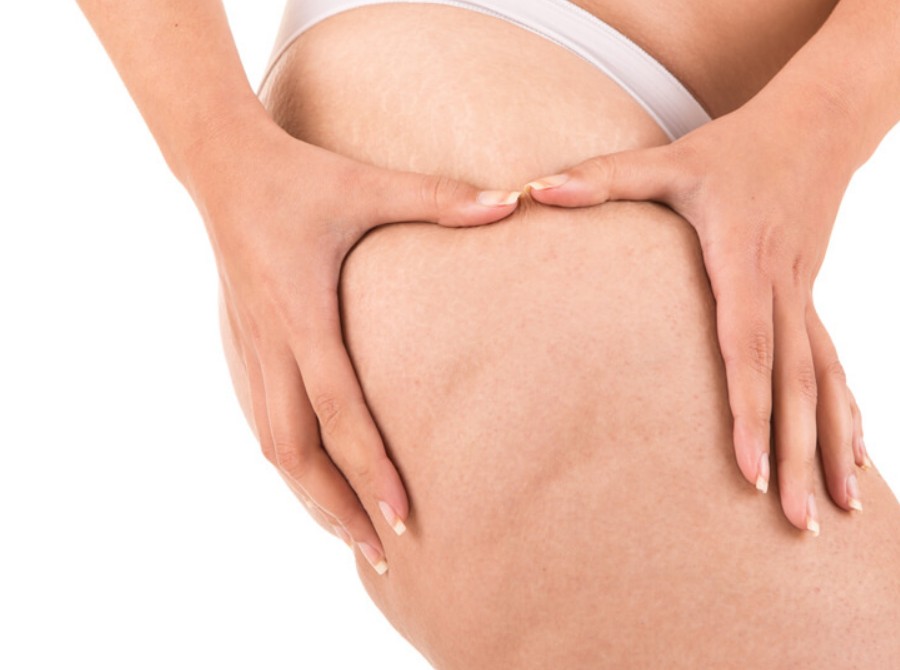
Cellulite is created by three combined structural factors: fibrous bands that pull the skin downward, bulging pockets of fat that push upward between those bands, and thinning skin that makes the underlying structure highly visible.
Cellulite forms when fibrous bands called septae connect the skin to the underlying muscle fascia in an irregular manner, causing the skin to be pulled down while fat pushes upward, resulting in a puckered appearance.
Key contributors include:
- Genetics, hormonal changes, and aging, which affect skin elasticity, connective tissue, and collagen bands.
- Estrogen shifts, thinner dermis, and female fat distribution; an estimated 85 to 90% of adult women have cellulite, even if lean and fit.
- Subcutaneous fat, excess fat, unwanted fat, and fat cells pushing through a normal layer of connective tissue.
- Exercise can help body composition, but weight loss alone rarely releases tightened fibrous bands.
- Laser treatments target cellulite architecture, not just uneven texture at the surface.

How Laser Cellulite Treatment Works (Step by Step)
The treatment aligns mapping, local anesthesia, and controlled laser energy to remodel the treatment area from within.
- The provider marks skin dimpling, fat cellulite pockets, and depressions.
- Local anesthesia is used; tiny incisions of a few millimeters are made.
- A fiber-optic probe is inserted beneath the skin and guided through underlying tissue.
- Cellulaze targets cellulite at the source by addressing structural issues beneath the skin, such as releasing fibrous bands and redistributing fat, leading to smoother skin.
- The three core actions are: releases tight fibrous bands pulling the skin down; gently melts or softens herniated fat bulges; laser heats the underside of the skin to trigger collagen production and skin thickening.
- SideLight 3D technology delivers side-firing laser energy without treating only the skin’s surface.
Treatment usually takes 60–90 minutes for limited areas, or up to two hours for multiple zones. Most patients go home the same day, and one first treatment is usually enough for meaningful cellulite reduction.
What Areas Can Be Treated with Laser Energy?
Common zones include outer thighs, posterior thighs, buttocks, backs of legs, hips, and sometimes the lower abdomen. Ideal areas show true cellulite dimpling, not only loose skin or sagging skin. For excess fat, fat reduction, or body contouring goals, combination planning may be better.
Benefits of Laser Cellulite Removal
The main benefit is durable cellulite reduction with smoother skin texture. Unlike massage and topical treatments, which have been used for cellulite but usually create temporary improvement from mild inflammation rather than real skin-structure change, laser treatments work below the surface.
Benefits include:
- Fewer deep dimples after one minimally invasive session.
- The laser energy used in Cellulaze stimulates collagen production, which helps thicken the skin and improve its elasticity, resulting in a more youthful appearance over time.
- Improved skin thickness, elastin production, and skin elasticity over 3–12 months.
- Natural-looking gradual improvement and a smoother appearance.
- Minimal downtime; most patients resume normal activities within a day or two.
- More confidence in fitted clothing, swimwear, events, and vacations.
Results from Cellulaze can last for several years, as the connective tissue bands that are released do not easily reform, and the new collagen helps maintain a smoother appearance.
Who Is a Good Candidate?
Good candidates have moderate cellulite on thighs or buttocks, stable weight, and realistic expectations. You may not be ideal if you smoke, are pregnant or breastfeeding, have uncontrolled diabetes, bleeding disorders, major loose skin, or need extensive unwanted fat reduction. A consultation reviews medical history and distinguishes cellulite from stretch marks, laxity, or other concerns.
Risks, Side Effects, and Recovery
Laser cellulite removal is considered safe when performed by an experienced provider trained in dermatologic surgery, but all medical device procedures carry risk.
Expected effects include mild bruising, swelling, tenderness, temporary numbness, and small incision marks. Rare risks include burns, infection, seroma, contour irregularity, prolonged numbness, or scarring.
Recovery timeline:
- Light activity in 24–48 hours.
- Compression garment for 1–2 weeks.
- Bruising and swelling often improve in 1–3 weeks.
- Early smoothing appears in weeks; collagen remodels for 3–12 months.
Minimally invasive cellulite treatments, such as laser therapies, typically involve small incisions and can be performed under local anesthesia, allowing for a quicker recovery time of 1 to 2 days.
How Many Treatments Will You Need?
Cellulaze is a minimally invasive procedure that typically requires only one treatment session, with patients able to resume normal activities within a day or two and experience minimal downtime. Touch-ups years later may be considered if aging or weight changes affect results.
Laser vs. Other Cellulite and Body Contouring Treatments
No single cellulite treatment fits everyone.
- Laser treatments: Cellulaze releases septae, redistributes fat, and can stimulate collagen production for long-lasting cellulite reduction.
- Non-laser energy treatments: radiofrequency energy, ultrasound, and infrared light heat skin, stimulate collagen production, and reduce cellulite, but results are temporary and require repeat treatments every few months.
- Energy-based cellulite treatments, including radiofrequency and ultrasound, are non-invasive and usually require no downtime, although a series may be needed.
- Acoustic wave therapy: external sound waves may improve lymphatic drainage and modest texture with repeat visits.
- Mechanical treatments like Cellfina use a thin blade to release tightened fibrous bands beneath the skin, with results lasting up to 3 years and minimal downtime required.
- Injectable treatments: QWO is the first FDA-approved injectable treatment specifically targeting cellulite on the buttocks, using enzymes to break down the collagen bands responsible for the dimpling effect. Clinical trials showed QWO is safe and effective in the buttocks of women, with results typically achieved after three treatments spaced three weeks apart. QWO works by breaking down collagen bands that cause dimpling, redistributing fat cells below the skin, and stimulating production of more flexible septae.
- Liposuction and SmartLipo: useful for body contouring and fat reduction, but not reliable enough to remove cellulite alone.
Cost, Results, and How to Prepare
Cost depends on the number of zones, severity, geography, and provider expertise. Many Cellulaze-style procedures are priced in the low-to-mid four figures, especially when thighs and buttocks are combined.
To prepare:
- Avoid blood-thinning supplements and medications as directed.
- Stop smoking before and after treatment.
- Arrange a ride if sedation is used.
- Wear loose clothing.
- Take standardized before photos to track cellulite reduction and improve skin texture over time.
How Soon Will You See Results?
Some smoothing may show within weeks as swelling fades. The strongest changes usually appear between 3 and 12 months as new collagen production creates firmer skin and helps reduce the appearance of cellulite naturally.
Why Choose Our Clinic for Laser Cellulite Treatment
Our clinic focuses on cellulite reduction, laser treatments, and body contouring-not generic simple treatments. We use evidence-based protocols, careful mapping, and transparent planning to help target cellulite while minimizing downtime.
Your visit includes examination of skin quality, cellulite pattern, and goals; a realistic discussion of what laser energy can and cannot achieve; and tailored options that may combine cellulite treatment, fat reduction, or tightening when needed.
FAQ: Laser Cellulite Removal
Does laser cellulite removal hurt?
Local anesthesia keeps the procedure comfortable; soreness afterward is usually mild.
Is it permanent?
It is long-lasting, but aging, lifestyle, and weight change still matter.
Can it be combined with liposuction?
Yes, when the plan separates cellulite, fat reduction, and contour goals.
Will it help loose skin or stretch marks?
It may improve skin thickness, but loose skin may need additional treatment options.
What BMI is ideal?
Stable weight matters more than a single number.
Is this FDA-cleared?
Cellulaze is FDA-cleared for cellulite appearance; provider skill remains essential.
When can I work out?
Many return to work in 1–2 days, but strenuous exercise often waits about a week.
Next Steps: Is Laser Cellulite Treatment Right for You?
If stubborn dimples remain despite healthy habits, laser cellulite treatment may offer a stronger, longer-lasting path to smoother skin than surface care alone. Schedule a consultation to review your cellulite pattern, goals, and options for cellulite, body contouring, and fat reduction.