Table of Contents
- What Is IPL Treatment?
- How IPL Works on Your Skin
- Skin Concerns IPL Can Treat
- Who Is a Good Candidate for IPL?
- What to Expect Before, During & After IPL
- Risks, Side Effects & Safety
- IPL vs Other Skin Treatments
- Combining IPL With Other MedSpa Services
- IPL at MedSpa MD Group (Philadelphia & Houston)
- FAQs About IPL Treatment
- Ready to Try IPL? Book Your Consultation
If you’ve noticed brown spots creeping across your cheeks, persistent redness that concealer can’t hide, or a general dullness that years of sun exposure have left behind, IPL treatment may be exactly what your skin needs. Intense pulsed light therapy is one of the most popular non invasive procedure options in modern medical aesthetics, and for good reason: it addresses multiple skin issues in a single session with minimal downtime. In this guide, we break down how IPL actually works, what it treats, who should consider it, how it compares to laser treatments and other options, and what the experience looks like at MedSpa MD Group in Philadelphia and Houston.
What Is IPL Treatment? (Intense Pulsed Light Therapy Explained)
Intense pulsed light IPL is a skin treatment that uses broad-spectrum light energy to target pigmentation, redness, and visible signs of sun damage beneath the skin’s surface. An IPL photofacial treatment delivers controlled flashes of light that penetrate the skin and break down discoloration and damaged cells, prompting the body to replace them with healthier tissue. Intense Pulsed Light therapy is a non-invasive cosmetic procedure, meaning there are no incisions, no needles, and no extended recovery period.
One of the most common points of confusion: IPL is not a laser. Unlike lasers, which emit a single wavelength of coherent light, an IPL device emits multiple wavelengths simultaneously across a broad spectrum. This versatility makes IPL uniquely capable of addressing several skin concerns in one session-from brown spots to broken blood vessels-rather than focusing on just one target. Intense pulsed light technology was first developed in 1992 for treating leg telangiectasias and has since evolved into a standard option for cosmetic skin rejuvenation. At MedSpa MD Group, IPL is offered alongside microneedling with PRP, Botox, fillers, and Endolift as part of a full skin rejuvenation menu.
How IPL Treatment Works on Your Skin
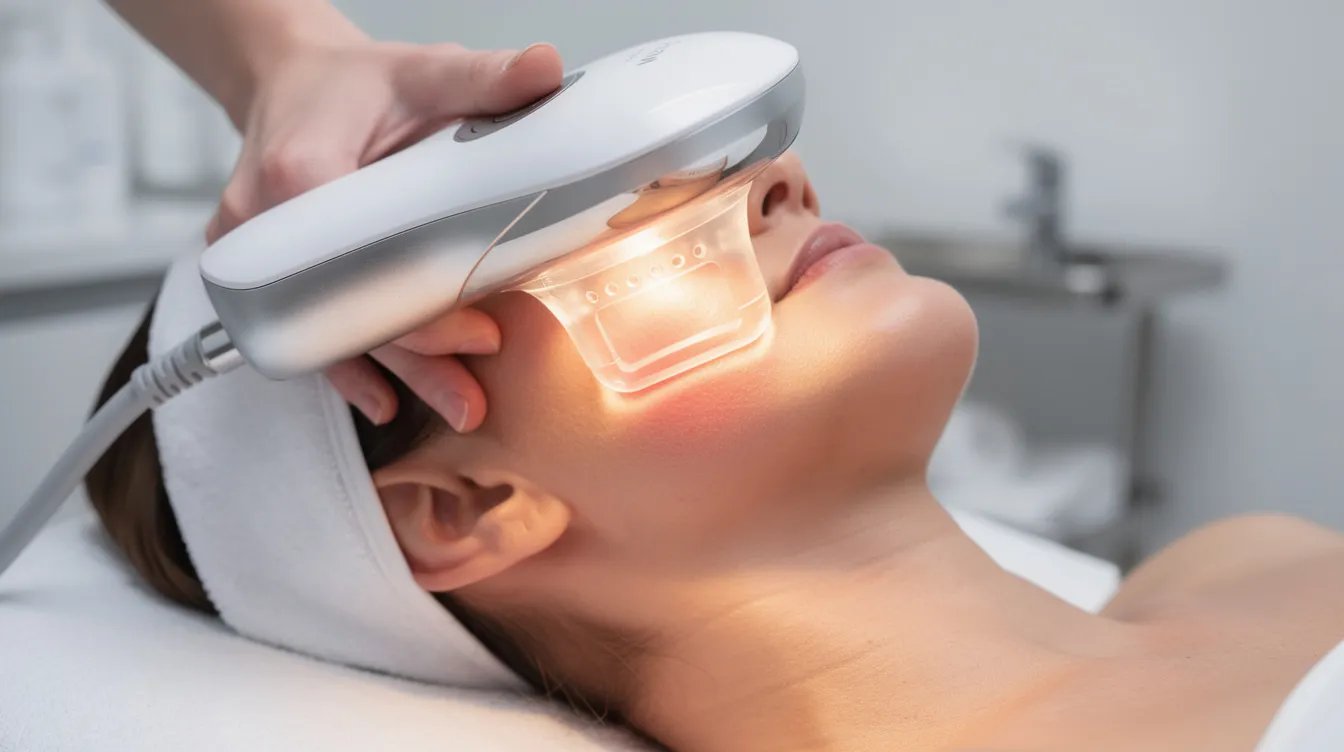
IPL uses controlled pulses of light to selectively heat specific structures in the skin without damaging surrounding tissue. The IPL device uses a broad wavelength spectrum of approximately 400 to 1400 nm, with filters that narrow the light emitted to target specific problems.
The science comes down to chromophores-color-containing cells in the skin that absorb the light energy. Chromophores primarily include melanin for brown spots and hemoglobin for red blood cells and blood vessels. Here is the basic sequence:
- The IPL device delivers a pulse of filtered light into the skin
- Chromophores (melanin in dark spots, hemoglobin in broken capillaries) absorb the light
- The absorbed light energy is converted to heat during IPL treatment
- Heat breaks down pigmented cells or collapses tiny blood vessels
- The body clears the damaged cells over the following days to weeks
Beyond clearing visible discoloration, intense pulsed light therapy also triggers mild, controlled inflammation in the deeper layers of skin. This process stimulates collagen production and elastin renewal, which gradually helps improve skin texture and fine lines. Think of it as smart, heat-seeking technology that finds darker or redder areas and addresses them while leaving normal skin largely unaffected.
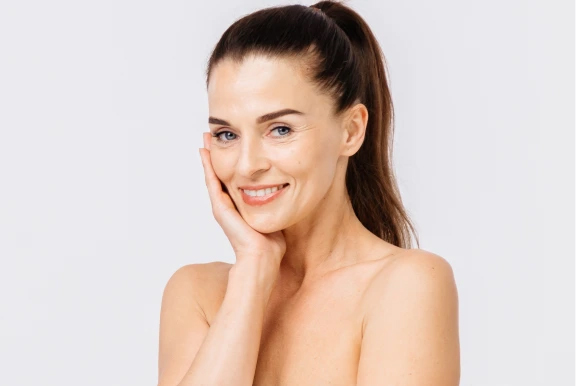
Newer 2024–2026 IPL platforms used in practices like MedSpa MD Group offer more precise energy control, improved cooling systems, and advanced filters compared with older devices, making treatments safer across more skin types.
Skin Concerns IPL Treatments Can Address
The versatility makes IPL one of the most popular treatments for adults who want to treat multiple skin issues without surgery or significant recovery time. Here are the primary skin conditions and concerns IPL addresses:
- Sun damage and photodamage: Freckles redness, sunspots, and solar lentigines accumulated from years of UV exposure-particularly relevant in sunny Houston and during Philadelphia summers. IPL effectively treats sun damage and pigmentation issues across the face, neck, and chest.
- Age spots and uneven pigmentation: IPL can reduce hyperpigmentation and age spots on the face, hands, and décolletage. It targets pigmented lesions to restore a more even skin tone.
- Redness and vascular lesions: IPL effectively treats broken capillaries and facial redness, and is effective for treating telangiectasias and port-wine stains. It also treats conditions like rosacea flushing and visible small veins.
- Melasma: IPL treats conditions like melasma, though results can be more variable and may require adjuvant therapy.
- Overall dullness and texture: IPL can improve skin tone and reduce fine lines by stimulating collagen production for improved skin texture. It can also improve the appearance of fine lines and wrinkles over a series of sessions.
- Acne-related discoloration: Post-acne red or brown marks and some acne scars may respond to IPL, though active severe acne typically needs combined or alternative therapy.
IPL photofacial treatment is especially popular for visible areas: face, neck, décolletage, shoulders, and backs of the hands. Body areas with sun damage (forearms, upper back) can also benefit but may require additional sessions due to thicker skin.
Some skin concerns-deep scars, sagging jowls, very deep wrinkles-are better treated with other options like microneedling with PRP, Endolift, or fillers. MedSpa MD Group can combine these with IPL when appropriate.
Who Is a Good Candidate for IPL Treatment?
IPL works best when the device can clearly distinguish contrast between your skin tone and the target-whether that’s brown spots or red vessels. The best candidates are typically people with lighter skin (Fitzpatrick skin types I–III) who have sun damage, age spots, redness, or mild textural concerns and want minimal downtime.
For darker skin tones (Fitzpatrick types IV–VI), IPL may be less effective due to a higher risk of pigment changes, including post-inflammatory hyperpigmentation or hypopigmentation. Only experienced providers using conservative settings should treat these tones, and sometimes alternative treatments such as long-wavelength lasers are the safer choice.
IPL may not be appropriate if you have:
- Recent tanning (natural or tanning beds) or sunburn within 4–6 weeks
- Pregnancy or breastfeeding (MedSpa MD Group delays IPL as a precaution)
- Active infections, open wounds, or uncontrolled skin conditions in the treatment area
- Recent isotretinoin use or strong photosensitizing medications
- A history requiring coordination, such as use of blood thinners
A good candidate is someone who understands that results build gradually over multiple sessions and who commits to sun protection between treatments. MedSpa MD Group’s team in Philadelphia and Houston performs a personalized skin analysis-evaluating your skin type, medical history, and goals-to determine whether IPL therapy, another skin treatment, or a combination through a personalized treatment plan is the best path forward.
What to Expect Before, During & After Your IPL Session
Understanding the process makes IPL therapy feel routine, even for first-timers. Here is what each phase looks like.
Pre-treatment preparation:
- Avoid tanning beds and unprotected sun exposure for at least 4 weeks
- Pause retinoids and strong acids for several days before your appointment
- Disclose all medications and any history of cold sores to your provider
- MedSpa MD Group sends pre-visit skincare instructions after your consultation
During your IPL session:
Your provider cleanses the treatment area and applies a cold gel to protect the skin and help conduct light. You’ll wear protective eyewear throughout. The IPL device is then passed across the treatment area, delivering rapid pulses of light. Most clients describe the sensation as a quick, warm snap-similar to a rubber band flicking the skin-with mild discomfort that lasts only a fraction of a second per pulse. Sessions often last 20 to 45 minutes depending on the treatment area; a standard face treatment runs about 15–30 minutes, while adding neck, chest, or hands extends the time. Sensitive clients can request numbing cream, though most people tolerate IPL without it.
Immediately after:
Expect temporary slight redness, mild swelling, and darkening of brown spots (sometimes called the “coffee-ground” effect) over the first 24–72 hours. Your provider will advise gentle skincare, daily SPF 30+ sun protection, and avoidance of hot saunas, intense workouts, or direct sun for a few days. Ice packs can help with any warmth or puffiness.
Results timeline:
Redness typically calms within hours to a couple of days. Dark spots flake off over 7–10 days on the face and up to 2–3 weeks on body areas. Most people need a series of five to six IPL sessions spaced two to four weeks apart to achieve optimal results. Collagen remodeling continues for one to three months after the final treatment, progressively delivering radiant skin and improved texture.
Risks, Side Effects & Safety of Intense Pulsed Light Therapy
IPL is generally safe when performed with medical-grade devices by trained providers, but it is still a real medical-grade procedure with risks that deserve honest discussion.
Common, temporary effects:
- Redness and slight swelling resembling a mild sunburn for a few hours to a day
- Darkening and flaking of pigmented spots during the healing process
- Mild pain or warmth in the treated areas
Less common but important risks:
- Blistering, crusting, or superficial burns if energy settings are too high or if recent sun exposure increased skin sensitivity
- Post-inflammatory hyperpigmentation or hypopigmentation, especially in darker skin tones-research has shown hyperpigmentation in up to 60% of treated sites at higher fluence levels in darker skin
- Rare scarring or texture changes, typically linked to operator error or failure to follow safety protocols

How MedSpa MD Group manages safety:
- Physician-led protocols with staff trained specifically in IPL technology
- Patch tests for intermediate or sensitive skin types before full treatment
- Conservative starting settings, with gradual increases based on skin response
- Proper eye protection for patient and provider during every session
- Use of cooling gel and integrated contact cooling tips to protect surrounding tissue
- Clear written aftercare instructions and easy access to staff post-treatment
Plastic surgeons and a board certified dermatologist alike recommend professional IPL treatments over at-home intense pulsed light devices, especially for facial areas where precision and safety matter most. At-home IPL devices operate at much lower energy levels and lack the calibration needed to treat multiple skin concerns safely or effectively.
IPL vs Other Skin Treatments: Which Option Is Right for You?
IPL is one of several modern approaches to addressing sun damage and skin texture, and the right choice depends on your specific skin concerns and how much downtime you can afford.
| Treatment | Best For | Downtime | How It Differs From IPL |
|---|---|---|---|
| Laser therapy / Laser resurfacing | Deep wrinkles, scars, severe texture | Moderate to high | Uses a single wavelength; more aggressive; longer recovery |
| Microneedling with PRP | Acne scars, fine lines, texture | Low to moderate | Mechanical collagen stimulation; complements IPL for color + texture |
| Chemical peels | Surface roughness, dullness, mild discoloration | Low to moderate | Exfoliates surface layers; can complement IPL for brightening |
| Botox | Expression lines (forehead, crow’s feet) | None | Relaxes muscles; IPL doesn’t affect muscle-driven lines |
| Fillers | Volume loss (cheeks, lips, chin) | Minimal | Restores volume; IPL addresses color, not contour |
Unlike lasers, IPL uses multiple wavelengths to treat multiple skin issues simultaneously, making it more versatile for patients with a mix of pigmentation and redness. Laser treatments may be more appropriate for isolated deep concerns.
Practical examples:
- A mid-40s client with sun spots, early fine lines, and scattered redness would benefit from an IPL series for color correction, potentially combined with Botox for forehead lines.
- A 30-year-old with post-acne red marks and mild texture issues might start with IPL for redness and pair it with microneedling with PRP for scarring.
MedSpa MD Group frequently builds combination plans-IPL photofacial treatment paired with Botox, fillers, or Endolift-to address both tone and facial contours without surgery. You don’t need to self-diagnose; the consultation will clarify whether intense pulsed light therapy, another treatment, or a staged plan delivers your desired results.
Combining IPL Treatments With Other MedSpa Services
IPL therapy often works best as part of a comprehensive skin rejuvenation strategy rather than a standalone solution. At MedSpa MD Group, popular combination plans include:
- IPL + microneedling with PRP: IPL clears pigment and redness while microneedling with PRP drives collagen production for texture and scarring
- IPL + Botox: IPL handles sun damage and vascular concerns while Botox softens dynamic expression lines
- IPL + facial fillers: IPL addresses discoloration and uneven pigmentation while fillers restore volume in cheeks, lips, or chin
- IPL as part of broader plans: Clients doing Endolift, non-surgical facelift procedures, or body contouring often add IPL to address facial tone during the same treatment timeline
Timing matters. Certain procedures are spaced a few weeks apart to minimize irritation-providers avoid combining too many heat-based treatments in a single session. IPL is typically scheduled before aggressive peels in a sequence.
Example plan for a busy Houston professional: Month 1–2: IPL series (3 sessions, 3 weeks apart) for sun damage and redness. Month 2: Botox for forehead and crow’s feet. Month 3: Microneedling with PRP for residual texture. Month 4–5: Maintenance IPL and assessment. Total active treatment visits: 5–6 across about five months, each requiring minimal downtime.
MedSpa MD Group provides transparent cost breakdowns and schedules, which is especially valuable for out-of-town or fly-in clients coordinating multiple services.
IPL at MedSpa MD Group in Philadelphia & Houston
MedSpa MD Group is a physician-led, non-surgical medspa providing IPL treatments at locations in both Philadelphia, PA and Houston, TX. The practice was built around a straightforward philosophy: assess carefully, recommend honestly, and deliver results that look natural.
What sets the approach apart:
- Detailed skin analysis and candidacy assessment before recommending intense pulsed light therapy-or redirecting to a better option if IPL isn’t the safest choice
- Modern IPL platforms with advanced energy control, cooling, and filtration suited to a range of skin types
- Focus on preserving each client’s unique features rather than chasing dramatic, unnatural changes
- Transparent pricing discussed at consultation, including expected session counts and combination options
Many patients travel or fly in to MedSpa MD Group for combination aesthetic plans-pairing IPL with Liquid BBL, Endolift, or body contouring-and appreciate knowing exact costs and timelines upfront. Local clients in Philadelphia and Houston benefit from central locations, flexible scheduling around busy work and family commitments, and the reality that most IPL clients return to normal activities the same or next day.
A growing number of clients return annually for maintenance IPL sessions and regularly refer friends and family-a pattern that reflects both satisfaction with results and confidence in the team’s care.
FAQs About IPL Treatment
How many IPL treatments will I need?
Most people need a series of about three to five treatments spaced 3–4 weeks apart for noticeable improvement in sun damage, redness, and age spots. IPL treatments typically require 5 to 6 sessions for optimal results. Heavily pigmented lesions may require more sessions, and treatment frequency depends on the skin condition’s severity. Many patients schedule maintenance treatments once or twice a year after their initial series to maintain a youthful complexion.
Does IPL treatment hurt?
Mild discomfort during IPL treatment is often described as a rubber band snap against the skin. Each pulse is brief-a fraction of a second-and most clients rate the sensation as very tolerable. Cooling gel, integrated device cooling, and optional numbing cream help keep the procedure comfortable even for sensitive patients.
How long does each IPL session take?
IPL treatments typically last between 15 to 30 minutes for a standard face treatment. Adding neck, chest, or hands can extend sessions to 30–45 minutes. This makes IPL a realistic “lunch-break” procedure for busy clients in Philadelphia and Houston.
When will I see results from IPL therapy?
Brown spots typically darken and flake within 7–10 days on the face. Redness gradually improves across several weeks as broken capillaries are cleared and the body continues its healing process. Most people notice clearer, more even skin tone after their first 1–2 treatments, with full results developing by the end of the series as collagen production continues to improve skin texture.
Is there any downtime after an IPL photofacial treatment?
There is usually minimal downtime. Patients may experience redness and swelling for a few hours post-treatment, plus temporary darkening of spots that can be covered with makeup once the skin is calm. Plan around important events by giving at least 7–10 days after treatment for your skin to look its best. Sun protection is essential after IPL treatment due to increased sensitivity.
How much does IPL treatment cost?
IPL pricing varies by treatment area (face only versus face, neck, chest, and hands) and by the number of sessions recommended in your plan. MedSpa MD Group offers clear, up-front pricing during consultation, along with expected session counts and options for combining IPL with other treatments to maximize value. If you’re considering dark hair removal, unwanted hair reduction, or an intense pulsed light source for hair removal, pricing may differ from photofacial packages.
Ready to Try IPL? Book Your Consultation
IPL treatment can meaningfully improve sun damage, age spots, redness, and overall skin tone with minimal downtime-making it a practical choice for busy adults who want real results without surgery. Whether you’ve been dealing with years of accumulated sun damage or early signs of photoaging, the right starting point is a personalized consultation where a provider evaluates your skin, discusses realistic outcomes, and builds a plan around your goals.
If you’re in Philadelphia or Houston-or willing to travel-MedSpa MD Group’s team is ready to help you determine whether intense pulsed light therapy, another treatment, or a combination approach is the best fit. You can call the clinic directly, submit an online consultation request, or ask about fly-in/fly-out scheduling if you’re planning to combine IPL with other aesthetic services like Endolift, fillers, or body contouring.
The goal is never to oversell a procedure. It’s to help you understand your options, set honest expectations, and walk out with a plan that delivers natural-looking results safely. That’s what physician-led care should look like.