Searching for IPL in Philadelphia can mean two things: cricket or cosmetic light treatments. Here, we focus on skin, while briefly clearing up the cricket confusion so you find exactly what you need.
Table of Contents
IPL Philadelphia: Quick Answer for Patients
In Philadelphia, intense pulsed light treatments are popular non invasive options for sun damage, redness, brown spots, dark spots, and unwanted hair removal with minimal downtime. IPL uses flashes of broad-spectrum light energy to target pigment and blood vessels, helping uneven skin tone, discoloration, and skin texture over weeks. A treatment session often takes 20–40 minutes; most patients return to work and normal activities immediately. Visit IPL Philadelphia for local service details. This guide covers candidacy, comfort, timing, and results.
What Is Intense Pulsed Light (IPL)?
Intense pulsed light, or intense pulsed light ipl, is a non-laser technology used for skin rejuvenation and hair removal. Lasers use one focused wavelength; ipl delivers varying wavelengths of light filtered to treat melanin in pigmented lesions and hemoglobin in vascular lesions. The light converts to heat in the epidermis and dermis while sparing surrounding skin when settings are appropriate. Philadelphia clinics commonly treat face neck chest, hands, legs, underarms, bikini, and back using cooling tips and filters for comfort and safety.
Skin Concerns IPL Treatments Can Address
IPL treatments utilize intense pulsed light technology to target and diminish skin imperfections, promoting a healthier and more even skin tone. IPL treatments can effectively improve skin texture, color, and tone, and are commonly used to treat issues such as sun damage, pigmentation, and vascular lesions.
IPL photofacials are effective in treating hyperpigmentation, melasma, sun damaged skin, acne scars, acne discoloration, mild redness, mild rosacea, broken capillaries, spider veins, age spots, sun spots, freckles, and brown spots. The treatment can improve skin texture, color, and tone, and is particularly effective for removing sun spots, freckles, and pigmented lesions. Deeper scars or stubborn melasma may need other care.
IPL Photofacial vs. IPL Hair Removal
The same intense pulsed light technology is adjusted differently depending on the goal. An IPL photofacial treatment uses filters and gentler settings for skin concerns like redness, tone, texture, and visible blood vessels on the face, neck, chest, and hands.
IPL hair removal uses settings aimed at melanin in follicles on the body, underarms, bikini, legs, back, or face outside the eye area. A consultation determines whether your plan should focus on ipl photo rejuvenation, hair removal, or both.
What to Expect During an IPL Treatment in Philadelphia
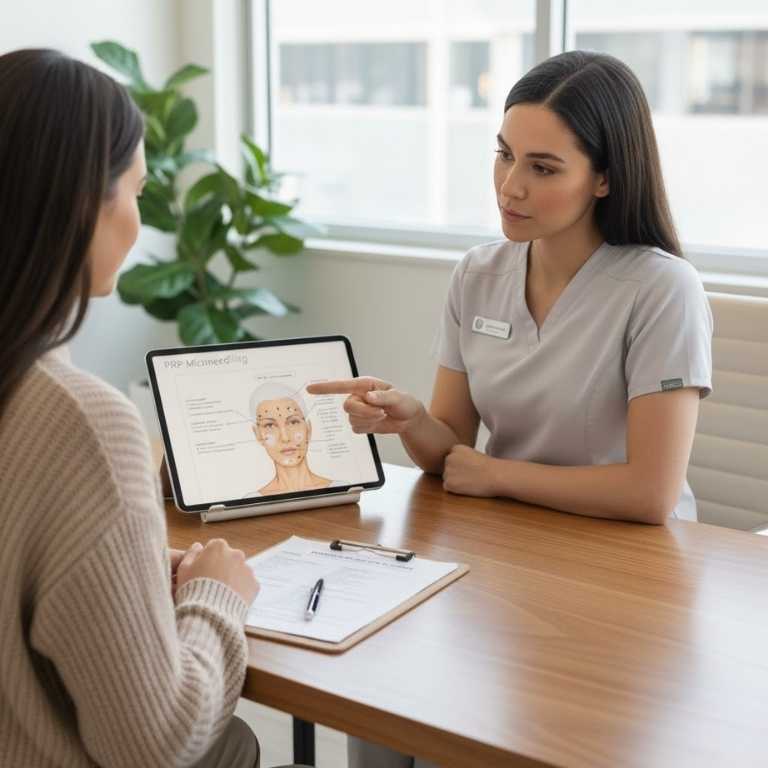
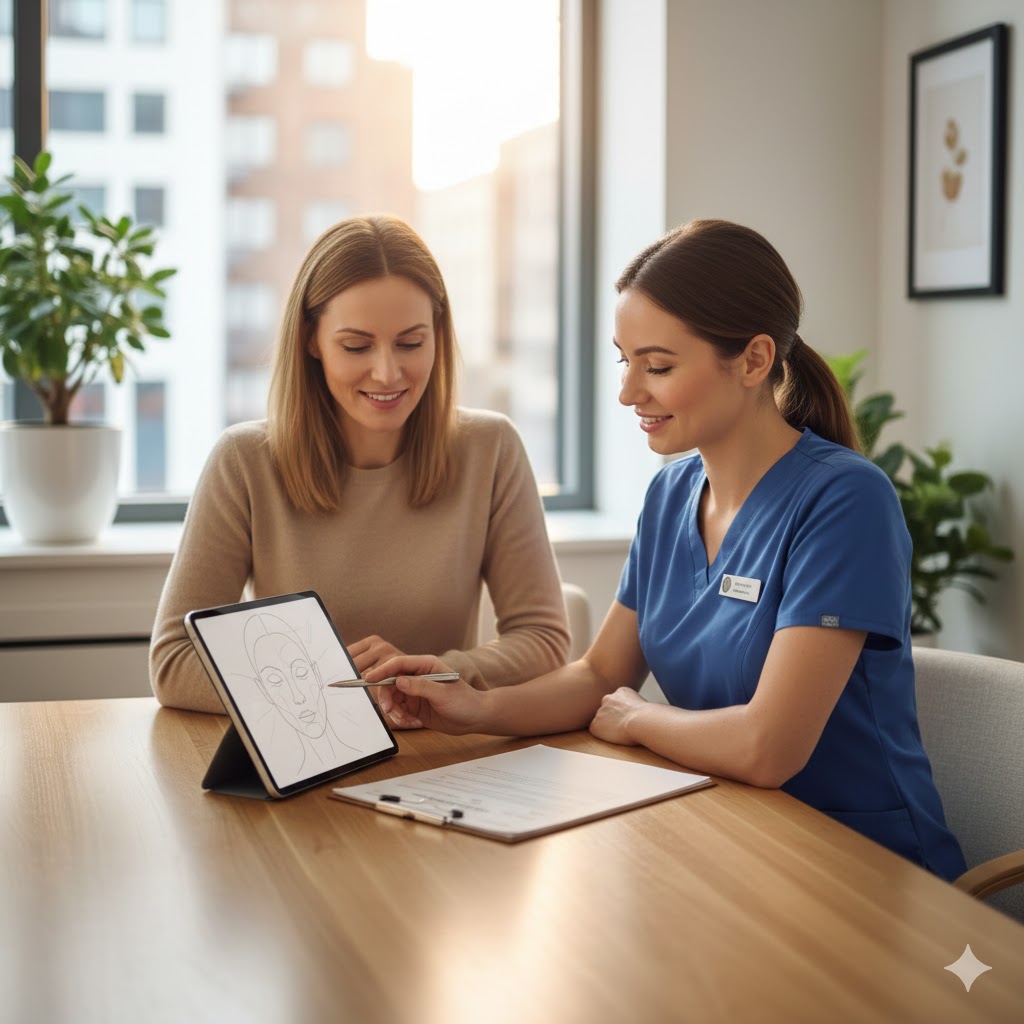
Your visit usually includes consultation, preparation, treatment, and aftercare. We assess skin types using Fitzpatrick I–VI, review medications, sun exposure, tanning, sunburn history, pregnancy, cold sores, and goals, then photograph the treatment areas.
Before treatment, skin is cleansed, hair is shaved if needed, cooling gel is applied, and protective eyewear is used. During the IPL treatment, pulses feel like a warm rubber-band snap. The average time for an IPL treatment session on the face is approximately 25-30 minutes, and patients typically see the best results after a series of 3-5 treatments spaced 3-4 weeks apart. The average time to treat a face with IPL is 25-30 minutes, but this can vary depending on the conditions being treated.
Results, Downtime, and Aftercare
IPL is a minimal downtime, non invasive treatment for busy Philadelphia patients. Immediately after an IPL photofacial treatment, the skin may feel like it has a sunburn and can remain red for up to 48 hours, though many people calm within a few hours.
After an IPL treatment, pigmented lesions may darken and then fade or flake off after a few days, while vascular lesions may appear darker and bruise-like before fading. Avoid picking damaged skin. Use sun protection daily, SPF 30+, hats, and avoid tanning beds, hot tubs, heavy exercise, and harsh exfoliation for 24–48 hours.
Who Is a Good Candidate for IPL?
A good candidate for IPL usually has lighter to medium skin tone, visible sun damage, brown spots, mild redness, vascular lesions, or realistic goals for gradual noticeable improvement. Carefully selected Fitzpatrick IV patients may qualify.
You may not be a candidate for ipl if you have recent tanning, active infection, photosensitizing medication, Accutane use in the last 6–12 months, keloid history, pregnancy, or very dark skin types with higher pigment-change risk. Darker patients may need alternative technology.
How Many IPL Treatments Will I Need?
IPL results build, not appear all at once. Most photofacial plans use 3–5 sessions spaced 3–4 weeks apart for sun damage and redness. Hair removal often needs 4–6+ sessions spaced 4–8 weeks apart because hair grows in cycles. Many Philadelphia patients schedule 1–3 yearly maintenance visits, especially after summer sun. Results vary depending on age, skin care, smoking, pigmentation depth, and sun habits.
Safety, Risks, and Side Effects
IPL is generally safe with trained clinicians and medical-grade devices, but risks exist. Common effects include redness, swelling, darkened pigment, bruising, and warmth. Less common risks include burns, blistering, infection, scarring, hypopigmentation, or hyperpigmentation, especially on tanned skin or unsuitable skin types. Choosing an experienced provider who adjusts settings by skin tone and ethnicity helps reduce complications.
Preparing for Your IPL Appointment
Preparation improves safety and appearance. Avoid tanning beds, spray tans, and prolonged unprotected sun for 2–4 weeks. Stop retinoids and strong exfoliants 5–7 days before unless directed.
Tell us about antibiotics, acne medicines, blood thinners, cold sores, or new products. Arrive with clean skin free of makeup, lotion, deodorant, or self-tanner. For hair removal, shave within 24 hours if instructed. Sensitive patients may receive a patch test.
IPL Philadelphia: Frequently Asked Questions
Is IPL the same as a laser?
No. IPL uses broad light; lasers use one wavelength. Both can treat cosmetic concerns, but settings and safety differ.
Does IPL hurt?
Most patients describe quick heat or snapping. Cooling makes it gentle enough for many patients.
Can I get IPL in summer in Philadelphia?
Sometimes, but only with strict sun protection and no tan. Fresh sun exposure increases risk.
When will I see hair removal results?
Shedding may start within days to weeks. Best reduction requires repeated sessions.
Can IPL combine with peels or microneedling?
Yes, but schedule spacing matters to protect the skin barrier and collagen response.
Is IPL covered by insurance?
Usually no. Cosmetic pricing varies by area, sessions, and packages.
Why Choose Our Philadelphia Practice for IPL?
Our Philadelphia practice provides intense pulsed light IPL treatments with trained clinicians, modern platforms, cooling, customizable filters, and careful protocols for pigmentation, redness, aging, and hair goals. We emphasize education, conservative first settings, clear pricing, realistic expectations, and follow-up that tracks progress.
How to Get Started with IPL in Philadelphia
Ready to treat sun damage, redness, or unwanted hair? Schedule a consultation, bring your medication list and skin care products, and take baseline photos. We’ll confirm candidacy, map sessions, explain aftercare, and help you decide how IPL fits your long-term youthful appearance and skin health goals.