If you’ve been researching microneedling but keep hesitating because of the pain question, you’re not alone. It’s the number-one concern we hear from first-time clients at MedSpa MD Group. This guide walks you through exactly what microneedling feels like, what influences pain, and how we keep treatments comfortable at our Philadelphia and Houston locations.
Table of Contents
Use this guide to jump to whatever concerns you most, whether that’s pain levels, numbing options, or what recovery actually feels like.
- Does Microneedling Hurt, Really? (Fast Answer)
- What Is Microneedling and Why Do People Love It?
- What Does Microneedling Actually Feel Like?
- How Painful Is Microneedling on the Pain Scale?
- Key Factors That Influence How Much Microneedling Hurts
- Numbing Cream and Other Ways We Make Microneedling More Comfortable
- Pain by Area: Face, Neck, Body & Sensitive Spots
- What to Expect During and After a Microneedling Session
- Microneedling Pain vs Other Aesthetic Treatments
- Is Microneedling Worth the Discomfort?
- FAQs About Microneedling Pain, Healing, and Safety
- Why Choose MedSpa MD Group
Does Microneedling Hurt, Really? (Fast Answer)
With topical numbing cream, most MedSpa MD Group clients rate microneedling about 1–3 out of 10 on the pain scale. That’s less than eyebrow threading for many people. Without numbing, microneedling can feel sharp and uncomfortable, landing around 5–7/10 for deeper treatments, but in a modern medspa setting, a topical anesthetic is typically applied before microneedling to reduce discomfort, so you’re rarely working without it.
Microneedling is generally considered manageable and mild-to-moderate in pain. What surprises most patients is how different the reality is from their expectations. The sensation during microneedling can vary depending on needle depth and treatment type, but patients describe it more as “scratchy pressure” or “vibrating sandpaper” than anything sharp or stabbing. Your pain tolerance and the intensity of your treatment plan will shape your experience, but the entire procedure stays within a tolerable range.
For most patients in Philadelphia and Houston, the temporary discomfort ends when the microneedling session ends. The healing phase that follows feels more like a moderate sunburn than actual pain. And at MedSpa MD Group, you can always pause, request a depth adjustment, or add comfort measures mid-treatment. You’re in control.
What Is Microneedling and Why Do People Love It?
Microneedling, also known as collagen induction therapy, uses fine needles arranged on a sterile device to create micro injuries in the skin’s surface. These controlled punctures are tiny-usually between 0.5 mm and 2.0 mm deep-but they’re enough to trigger your body’s natural healing response. The result is a cascade of new collagen and elastin production that remodels skin from the inside out.
This minimally invasive procedure can reduce fine lines and acne scars effectively, shrink enlarged pores, smooth uneven texture, and improve overall tone. Microneedling can also address stretch marks and scar tissue on the body. Most treatment plans involve 3–4 sessions spaced about 4–6 weeks apart, though your provider will customize this based on your skin concerns.
At MedSpa MD Group, we also offer microneedling with PRP (platelet-rich plasma), which adds your own growth factors to enhance your body’s natural healing process. The good news for pain-anxious readers: PRP is applied topically during treatment, so it doesn’t add extra needles or increase discomfort. If anything, patients who receive PRP often report that their skin heals faster afterward.
What Does Microneedling Actually Feel Like?
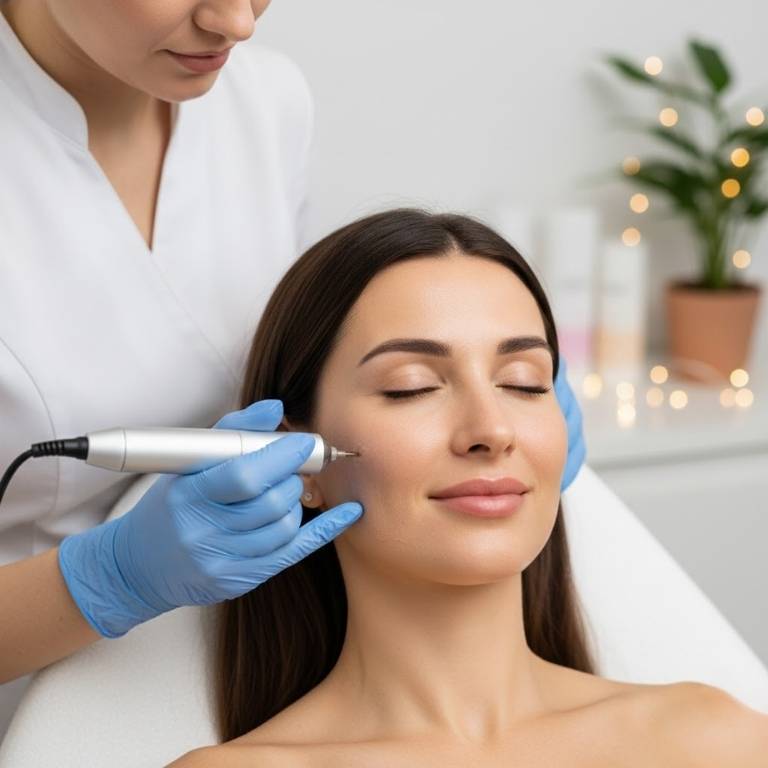
Think “fine sandpaper gliding across your skin” or “an electric toothbrush with light pressure.” That’s how many patients describe the sensation once numbing has taken effect. Patients commonly report buzzing or vibration sensations during microneedling procedures, especially with motorized pen devices, which is what professional medspas use.
Here’s how sensations typically break down during a microneedling session:
- First couple of passes: A mild prickling sensation, almost like tiny static shocks. Most people think, “That’s it?”
- Mid-treatment: Pressure builds slightly. You feel more of a scratchy, sandpaper-like drag across the skin. Still very manageable.
- Final passes: Skin feels tighter and warmer. Bony areas like the forehead, nose bridge, and jawline register more intensity, while cheeks and temples stay mild.
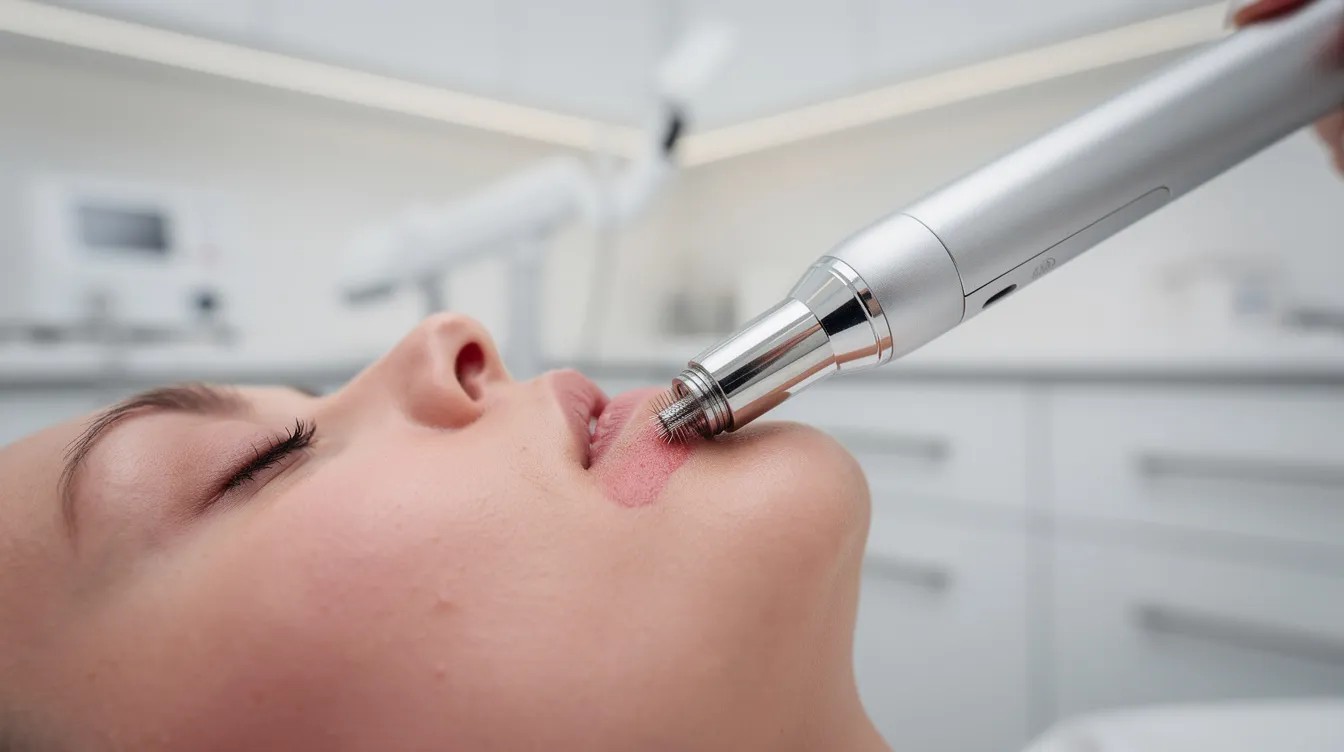
The upper lip tends to be the spot that catches people off guard-it’s thinner skin over bone, so there’s a mild tingling or sharper prickle there even with numbing. But it passes quickly.
One important note: anxiety often makes patients expect far more pain than they end up reporting after the treatment. If you’ve been dreading this, the odds are strongly in your favor that reality will be gentler than your imagination.
How Painful Is Microneedling on the Pain Scale?
Let’s put numbers to it. With medical-grade numbing cream applied 30–45 minutes beforehand, most patients rate pain as 1 or 2 out of 10. That puts it well below a dental cleaning, a bikini wax, or even a firm deep-tissue massage.
Without numbing, deeper treatments can push the pain level to 5–7/10 for some people, but that scenario is uncommon in professional settings. Think of it this way: the feeling is more “prickly and persistent” than suddenly sharp, unlike the rubber-band snap of laser treatments or the quick pinch of an injection.
At MedSpa MD Group, first-timers almost always say some version of “that was way easier than I thought.” Seasoned clients tend to find that tolerance improves across sessions as they know what to expect.
How your treatment goals affect the experience matters too. Deeper microneedling treatments generally cause more discomfort than superficial treatments. A shallow “maintenance glow” session at 0.5 mm feels noticeably different from a deeper acne scar correction at 1.5–2.0 mm. Your provider adjusts depth, speed, and pattern during the microneedling treatment in real time to keep everything in a tolerable zone, and they’ll tell you before moving into any area that typically registers higher on the scale.
Key Factors That Influence How Much Microneedling Hurts
The question “does microneedling hurt” doesn’t have a single fixed answer because several variables shape the experience.
Personal pain tolerance plays a real role. If you slept poorly, skipped meals, or arrived stressed, your nervous system is already on higher alert. Deeper needle settings increase pain levels during treatment, so a session targeting stubborn acne scars at 1.5–2.0 mm will always feel different from a light skin rejuvenation pass at 0.5 mm.
Treatment area matters significantly. Areas over bone-forehead, nose bridge, jawline-feel sharper than fleshier zones like the cheeks. The upper lip is a common trouble spot because of its density of nerve endings and thinner skin.
Hormonal fluctuations can subtly shift your threshold. Some women in our Philadelphia and Houston clinics prefer not to schedule microneedling within a few days of their period, when skin sensitivity tends to run higher. This isn’t a hard rule, but it’s worth considering if you know you’re more reactive at certain times of the month.
Skin condition on treatment day also factors in. Active acne, recent sunburn, or overuse of retinoids can make skin more reactive and the procedure less comfortable. That’s why we ask you to stop using retinols and exfoliants one week before treatment, avoid sun exposure for a few weeks before your appointment, and pause other intensive skin treatments for at least two weeks before your session. These steps protect both comfort and results.
Numbing Cream and Other Ways We Make Microneedling More Comfortable
Here’s where the magic happens for pain management. Before your microneedling session begins, your provider will apply numbing cream-a medical-grade topical anesthetic-across the treatment area. It sits on the skin for about 30–45 minutes, enough time for the active ingredients to fully take effect.
Numbing cream significantly reduces discomfort during microneedling. It won’t eliminate every sensation (you’ll still register pressure, vibration, and some warmth), but it transforms what would be sharp prickling into dull, very tolerable awareness. Think of it as turning the volume down from a 7 to a 2.
Beyond numbing, MedSpa MD Group uses several additional strategies to minimize discomfort:
- Cool air or chilled tools between passes
- Strategic breaks during treatment to let sensitive zones reset
- Technique adjustments-lighter pressure, slower speed-on bony areas or sensitive skin
- Clear communication before entering a new zone so nothing feels sudden
On the preparation side, drink plenty of water in the days leading up to treatment, avoid excess caffeine and alcohol the night before, and eat a light meal so your blood sugar stays stable. Consult your provider about medications that may interfere with treatment. Acetaminophen before your appointment is generally fine, but NSAIDs (like ibuprofen) are often avoided around treatment day because they can increase bleeding.
You can always speak up mid-session. Your provider will slow down, reduce depth, or pause entirely. Grabbing a stress ball helps some clients channel their focus, too.
Pain by Area: Face, Neck, Body & Sensitive Spots
Not every inch of your face feels the same under a microneedling pen. Here’s a general map based on what our clients report, even with numbing:
| Area | Typical Pain Rating (with numbing) | Why |
|---|---|---|
| Cheeks | 1–2/10 | Thicker skin, more cushion |
| Temples | 1–2/10 | Soft tissue, fewer nerves |
| Jawline, chin | 2–3/10 | Some bone proximity |
| Forehead | 3–4/10 | Thin skin over bone |
| Nose bridge | 3–4/10 | Bony areas with little padding |
| Upper lip | 3–4/10 | Dense nerves, very thin skin |
Sensitive areas like the forehead feel more intense pain, but we’re talking about a few seconds of heightened awareness as the pen passes over, not sustained sharp pain.
The neck and décolletage have thinner skin but less bone, so most patients find those areas very tolerable-usually around 2/10. Body microneedling for stretch marks or scars on the abdomen or thighs may use deeper settings (up to 2.0 mm or more), making the first passes feel more intense, but the skin in those areas is generally thicker skin with more cushion.
For clients with sensitive skin or conditions like rosacea, we modify the protocol-lighter depths, fewer passes, more cooling. At MedSpa MD Group, you’ll always be told before we move into a more sensitive zone so nothing catches you off guard.
What to Expect During and After a Microneedling Session (Sensations Timeline)
Here’s the full arc of a typical appointment so you know exactly what’s coming.
During treatment (30–45 minutes): Your provider cleanses your skin, then applies the topical numbing cream and lets it sit. Once you’re numb, the microneedling pen moves across the treatment area in systematic passes. Early passes feel like slight discomfort-a light scratchy vibration. Mid-session, the sensation deepens slightly as the provider works into areas with less padding. By the final passes, your skin feels warm and tight. You may notice pinpoint bleeding in areas treated at deeper depths, which is normal and expected. The entire procedure stays within a manageable range.
Immediately after (0–6 hours): Post-treatment, skin may feel tight and warm like a sunburn. Microneedling can produce feelings of warmth, tenderness, and mild tightness post-treatment. Your provider will apply a hydrating serum or soothing mask. Redness is visible but fading.
Days 1–3: Expect redness and mild swelling for 2–3 days after treatment. The skin heals gradually-tightness and a tingling sensation are common. Use a gentle, non-exfoliating cleanser for 24 hours after treatment. Avoid sun exposure for at least one week post-treatment and apply a broad-spectrum sunscreen with SPF 30 or higher daily for ongoing sun protection.

Days 3–5: Mild flaking or dryness as skin cells turn over. Avoid retinols and exfoliating acids for one week post-treatment. Any lingering pain should be gone by now-if not, contact your provider.
Days 5–7+: Most patients see noticeable improvement within one week post-treatment. Skin looks smoother, more radiant skin begins to emerge as the healing process kicks into full gear. The deeper layers continue remodeling collagen for weeks.
True pain beyond 24 hours is rare. If you experience significant swelling or worsening discomfort, contact MedSpa MD Group promptly.
Microneedling Pain vs Other Aesthetic Treatments
Wondering how microneedling stacks up against other procedures you might be considering? Here’s a quick comparison:
Botox: Quick, sharp pinches at each injection site-intense for a split second, then done. The whole thing takes minutes. Microneedling is longer (30–45 minutes) but milder moment-to-moment under numbing.
Dermal fillers and liquid BBL: The injection moment can feel more intense than microneedling, especially in the lips or chin. But injections are brief. Microneedling distributes a lower-level sensation over a longer period, which most people find easier to tolerate overall.
Chemical peels: Stronger peels involve burning and stinging that can be difficult to manage. Microneedling avoids the burning sensation entirely, and the risk of post-inflammatory hyperpigmentation is generally lower-an important consideration for various skin type categories.
RF microneedling: An rf microneedling treatment adds radiofrequency energy (gentle heat delivered through the needles into deeper layers of skin). This creates a “zapping” or warm pulsing sensation on top of the standard prickling. Does rf microneedling hurt more than standard microneedling? Usually yes, modestly, but it’s still manageable with numbing. RF microneedling stimulates collagen production for smoother skin, and results from RF microneedling can improve for up to six months. RF microneedling is effective for various skin types and tones, making it a versatile option. If you’re scheduling an rf microneedling appointment or rf microneedling session, discuss what to expect with your provider beforehand.
For most MedSpa MD Group clients, standard microneedling lands firmly in the “uncomfortable but very manageable” category.
Is Microneedling Worth the Discomfort?
Here’s the trade-off: roughly 30–45 minutes of mild-to-moderate discomfort in exchange for months of improved texture, softened acne scars, reduced fine lines, and more youthful skin.
Results build progressively. You’ll notice a subtle glow within a week as skin heals and turns over. More visible changes in texture, fine lines, and pore size emerge at 4–8 weeks as new collagen and elastin fill in the deeper layers. The body’s natural healing process continues stimulating collagen well beyond your last session, giving you glowing skin that keeps improving.
Conditions like acne scars, enlarged pores, loose skin, and uneven texture usually require a series of sessions, so weighing temporary discomfort against long-term confidence matters. Most of our Philadelphia and Houston patients say they’d happily repeat microneedling once they see their before-and-after results. The investment isn’t just cosmetic-boosting collagen can strengthen the skin barrier and help your skin age more gracefully, supporting real skin health over time.
The bottom line: microneedling is an effective treatment where the discomfort is brief and the payoff is lasting.
FAQs About Microneedling Pain, Healing, and Safety
These are the questions we hear most often from clients at MedSpa MD Group about whether microneedling is painful, how numbing works, and what recovery looks like.
Does microneedling hurt with numbing cream?
With numbing cream, microneedling feels far less sharp. Most patients describe it as “weird but not painful” or “more like pressure than anything.” When you apply numbing cream properly (30–45 minutes before treatment), even more sensitive zones register only about 2–3/10 on a pain scale.
The goal isn’t total absence of sensation-some awareness actually helps your provider gauge depth and pressure. But the sharpness is almost entirely gone. If you’re particularly anxious, you can request extra numbing time or a second application on bony areas.
How long does your face hurt after a microneedling procedure?
Mild soreness or a sunburn-like feeling typically lasts 12–24 hours. After that, most people report only slight tightness and mild swelling when washing or applying skincare, not actual pain. Cool compresses, fragrance-free moisturizer, and avoiding hot showers or intense workouts the first day all help.
True lingering pain beyond 24 hours is uncommon. If pain escalates or you notice signs of infection, contact MedSpa MD Group right away.
Can you microneedle over active acne, and does it hurt more?
Small, isolated breakouts can often be worked around, but widespread active acne usually requires a modified protocol or postponement. Needling directly through inflamed lesions is more uncomfortable and risks spreading bacteria.
At MedSpa MD Group, we evaluate active acne during consultation and may recommend medical-grade skincare or other therapies before proceeding. Safety and comfort always come before pushing through a painful session on inflamed skin.
Is microneedling more painful than a tattoo?
Tattoos penetrate deeper into the skin and drag pigment through multiple layers over an extended period, so the sensation is generally sharper and more sustained. Microneedling uses shallower, faster strokes under numbing cream, and deep needles in microneedling still don’t reach tattoo depth. Most patients who’ve had tattoos find that microneedling feels easier by comparison.
The microneedling device may look similar to a tattoo gun, but the technique and goal-stimulate collagen, not implant pigment-are entirely different.
Does microneedling hurt more than Botox or fillers?
Botox involves a series of very quick, sharp pinches that are over in seconds. Microneedling is a longer but milder sensation. Dermal fillers can feel more intense at the injection moment, but they’re also brief. People who already tolerate injectables at MedSpa MD Group almost always handle microneedling without issue, especially with proper numbing and clear expectations.
What if I have really low pain tolerance?
Low pain tolerance is far more common than you think, and it’s something we comfortably accommodate. During consultation, we’ll discuss your concerns and customize your appointment: extra numbing time, a gentler first session, shorter treatment areas, or gradually increasing depth over a series.
Practical steps help too-schedule when you’re well-rested, avoid last-minute stress, and try slow breathing during your microneedling session. Your provider will never push through severe discomfort. Communication and collaboration drive every treatment decision.
If you have specific concerns, bring them to a consultation at our Philadelphia or Houston location.
Why Choose MedSpa MD Group for a Comfortable Microneedling Experience
MedSpa MD Group is a physician-led non-surgical medspa with locations in Philadelphia, PA and Houston, TX. Our team has extensive experience performing microneedling and microneedling with PRP across a wide range of skin concerns, from elastin production support and fine line reduction to stubborn acne scars and stretch marks.
Comfort is built into every step of our process. We use medical-grade topical numbing cream, explain every step before we do it, and adjust technique mid-session based on your real-time feedback. No one is ever asked to “just power through.” We believe that a relaxed patient gets better results because they’re not tensing, flinching, or dreading the next pass.
Our pricing is transparent, our treatment plans are realistic, and we set honest expectations about pain level, the healing phase, and when you’ll see results. Many clients fly in for combination treatments-microneedling plus Botox, fillers, or skin rejuvenation services-and appreciate efficient scheduling with minimal downtime.
We favor natural-looking, progressive improvement over aggressive protocols. Every skin type and every concern gets an individualized approach, because radiant skin should never come at the cost of your safety or comfort.
Ready to Try Microneedling? Book a Consultation
Microneedling hurts less than most people expect-especially with proper numbing cream and an experienced provider guiding every pass. The slight discomfort you feel during a session is brief. The smoother, more confident skin you see in the weeks after is lasting.
If you’re nervous about pain, start with a consultation. Whether virtual or in-person at our Philadelphia or Houston location, we’ll talk through your pain tolerance, your skin concerns, and the best treatment plan for your goals. No pressure, no surprises.
Contact MedSpa MD Group to schedule your microneedling session, or explore complementary treatments like PRP, Botox, laser hair removal, and non-surgical facelifts for a comprehensive aesthetic plan. A few minutes of manageable discomfort today can support smoother, more confident skin for months to come.