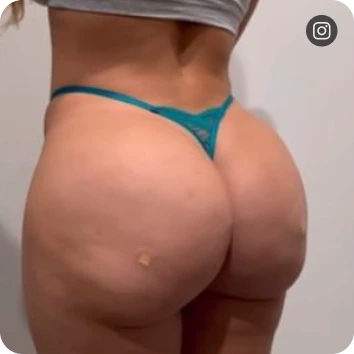

If you have dimpled skin on your thighs, hips, buttocks, or abdomen, you are not alone-and you are not dealing with a simple “fat” problem. Cellulite is structural, which is why creams and quick fixes rarely create lasting change. Here’s what modern laser treatments can do, where they fall short, and how to choose wisely.
Table of Contents
- What Is Cellulite and Why Is It So Hard to Treat?
- How Laser Cellulite Treatments Work
- Types of Laser and Energy-Based Cellulite Treatments
- What Results Can You Expect from Cellulite Laser Treatment?
- Safety, Side Effects & Recovery
- Who Is a Good Candidate for Laser Cellulite Treatment?
- How to Choose a Provider for Cellulite Laser Treatments
- FAQ: Common Questions About Cellulite Laser Treatment
Quick Answer: Does Laser Really Help Reduce Cellulite?
Cellulite laser treatment can improve dimples, uneven texture, and skin texture in many patients, but it is not a perfect or permanent cure. Modern FDA-approved options such as Cellulaze and other laser-assisted procedures target fibrous bands, fat pockets, and loose skin together for meaningful cellulite reduction.
Results vary by cellulite severity, treatment area, skin quality, and whether treatment is combined with other cellulite treatments such as acoustic wave therapy, radiofrequency energy, or non surgical body contouring. Older low-power or purely superficial laser treatments often showed limited benefit, so the device, settings, and provider matter.
What Is Cellulite and Why Is It So Hard to Treat?
Cellulite occurs due to three main structural factors: fibrous bands, bulging fat pockets, and thin skin. Cellulite forms when fibrous bands called septae, which connect the skin to the underlying muscle fascia, tighten irregularly or begin to break down, allowing the normal layer of fat beneath the skin to push upward, resulting in a puckering appearance.
An estimated 85 to 90% of adult women have cellulite, typically on the abdomen, buttocks, and thighs, and it is common even in very lean women, according to the American Academy of Dermatology. Most women notice cellulite develops with hormones, genetics, connective tissue structure, weight gain, and aging. The aging process can worsen the appearance of cellulite as skin loses elasticity and is less able to resist the irregular tension created by the fibrous bands.
There are three different types of cellulite: superficial, deep, and fibrous cellulite. Superficial cellulite is characterized by small, dimpled areas on the skin’s surface, often seen in women with thinner skin. Deep cellulite is more pronounced and can be felt as a lump or bump under the skin, often associated with larger fat deposits. Fibrous cellulite is the most severe type, where the connective tissue becomes hardened and causes the skin to appear uneven and lumpy.
Weight loss, a healthy diet, and an exercise regimen can improve contour and reduce extra weight, but they usually cannot remove cellulite because they do not release collagen bands beneath the skin.

How Laser Cellulite Treatments Work
A cellulite reduction treatment using laser technology may be minimally invasive, with a fiber inserted beneath the skin, or external, with energy applied over the skin. The goal is to target cellulite where it starts: below the skin’s surface, in the subcutaneous fat and septal network.
Laser energy can help by:
- breaking up fibrous septae that tether the skin
- gently melting or softening adjacent fat pockets and fat cells
- helping stimulate collagen production for firmer skin, better skin elasticity, and improved skin thickness
Laser assisted liposuction and laser liposuction are not the same as cellulite-specific care. Laser assisted liposuction focuses on fat removal and fat reduction for body contouring, while cellulite-focused procedures primarily address cellulite dimples and skin texture. A skilled provider protects surrounding tissues while the laser heats targeted layers.
Most minimally invasive laser procedures are performed under local anesthesia, and the procedure is performed under local anesthesia and typically takes about 1 to 1.5 hours to complete.
Types of Laser and Energy-Based Cellulite Treatments
There is no single best cellulite treatment for everyone. Treatment options depend on skin types, sagging skin, excess fat, medical history, downtime tolerance, and whether the goal is to treat cellulite, tighten skin, or improve overall contour.
Minimally Invasive Laser Cellulite Treatments (e.g., Cellulaze)
Laser cellulite reduction, specifically the FDA-cleared treatment called Cellulaze, uses a tiny laser probe inserted just beneath the skin to heat tissues and improve the appearance of cellulite. The procedure involves making tiny incisions to insert a specialized laser fiber just beneath the skin.
Cellulaze is often described as a minimally invasive procedure because the laser fiber works directly below the skin. The laser cuts or releases fibrous bands, liquefies small fat pockets, and heats the underside of the middle layer of skin to stimulate collagen production and improve skin elasticity.
Cellulaze is an fda cleared treatment and is commonly discussed as fda approved for cellulite reduction on areas such as the thighs and buttocks; in practical terms, always ask your provider about the exact medical device, fda approval status, and indication. In studies, Cellulaze has been shown to increase skin thickness by 25% and skin elasticity by 29%, which are significant factors in reducing the appearance of cellulite.
Most patients need one first treatment, with changes developing gradually. Laser treatments often improve skin gradually over 3 to 12 months as the skin builds new collagen.
External Laser and Light-Based Cellulite Treatments
External laser and light devices are non invasive treatment options applied over the skin, sometimes with suction, massage, infrared light, or mild heat. They may improve lymphatic drainage, circulation, and collagen production, but they usually do not fully release deep fibrous bands.
These options can reduce cellulite temporarily and improve skin texture in mild cases. However, most plans require 6–10 sessions plus maintenance. Be careful with claims that low-level LEDs or devices also used for hair removal or skin resurfacing can permanently get rid of cellulite.
Radiofrequency, Acoustic Wave Therapy & Other Non-Laser Options
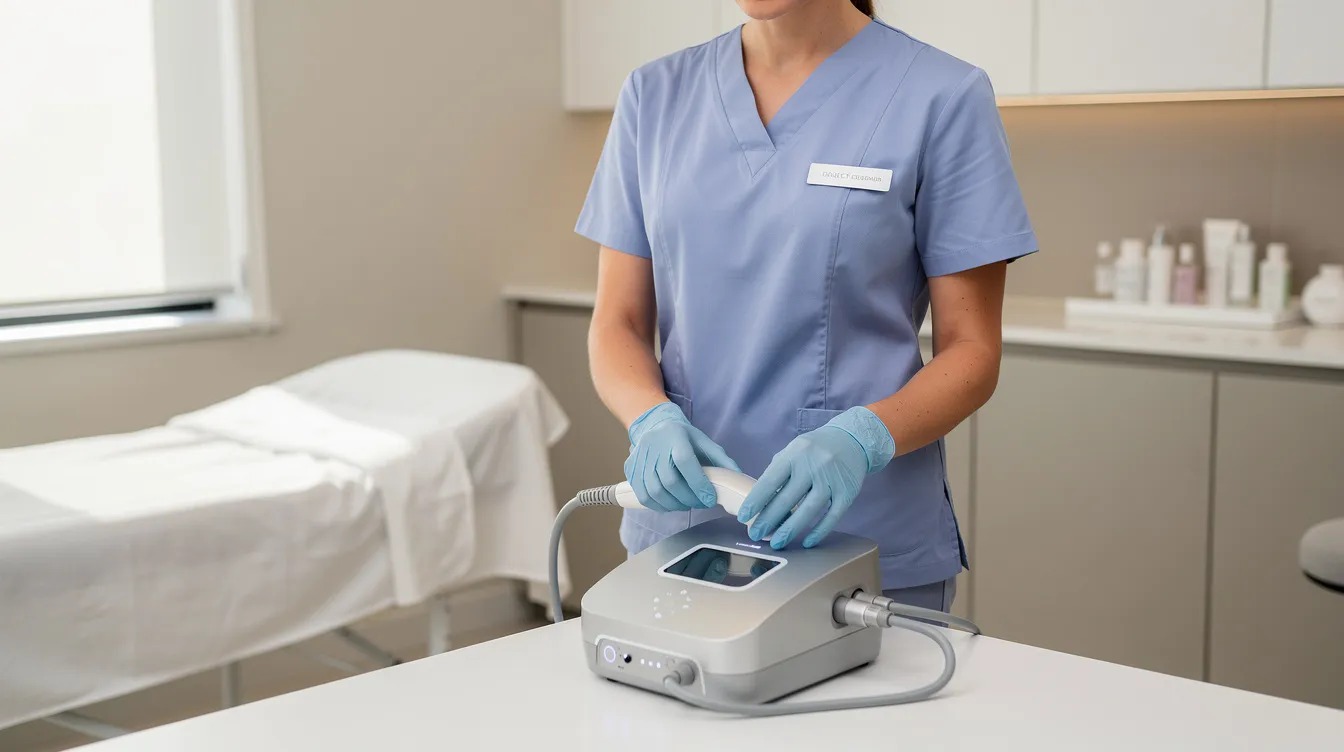
Non-laser energy treatments utilize radiofrequency, ultrasound, or infrared light to stimulate collagen production and reduce cellulite, typically requiring multiple sessions for optimal results. Radiofrequency devices heat deeper tissue for skin tightening, while acoustic wave therapy uses sound waves to loosen stiffness, support circulation, and smooth the skin.
Mechanical treatments such as Cellfina use a thin blade to release tightened septae, providing results that can last up to three years. Injectable treatments like QWO are FDA-approved for reducing the appearance of cellulite by breaking down the collagen bands that cause dimpling, although product availability can vary by market and date.
Laser-Assisted Liposuction & Body Contouring for Cellulite-Prone Areas
Laser-assisted liposuction uses laser energy to soften fat before suction-based fat removal. It can improve contour when fat cellulite patterns include stubborn bulges, but liposuction alone does not directly address cellulite-causing fibrous bands and can sometimes make dimples more visible if loose skin remains.
A combined plan may pair laser-assisted lipo for localized fat reduction with Cellulaze, radiofrequency, or acoustic wave therapy to address cellulite and improve smoother skin.
What Results Can You Expect from Cellulite Laser Treatment?
Most patients see less dimpling, smoother contours, and firmer skin, but no effective treatment can guarantee total cellulite removal. In one multicenter 57-patient Cellulaze study, about 96% of treated sites improved by at least one grade at six months, and blinded evaluators identified before-and-after images correctly in 95% of cases.
Typical timelines look like this:
- first 1–2 weeks: swelling, mild bruising, and tenderness
- 1–3 months: visible smoothing begins
- 3–12 months: collagen remodeling continues
While laser treatments like Cellulaze can provide noticeable improvements in cellulite appearance, they are not permanent solutions and may require follow-up treatments to maintain results. A stable weight, healthy diet, exercise regimen, and avoiding smoking help effectively reduce cellulite recurrence and support long-term improvement.
Safety, Side Effects & Recovery
FDA-approved cellulite laser treatments are generally safe with experienced providers, but every treatment has risks. Side effects of cellulite laser treatments may include bruising, swelling, and mild soreness, which generally resolve within a few weeks.
Less common risks include burns, infection, contour irregularities, pigmentation changes, scarring, or prolonged nerve sensitivity. The FDA also notes that noninvasive body contouring devices can cause adverse events when misused.
Patients can usually return to their normal activities within one to two days after the procedure, and many return to desk work quickly. Expect compression garments if prescribed, minimal downtime for external treatments, and avoidance of strenuous workouts, hot tubs, and heavy heat exposure for about 1–2 weeks.
Who Is a Good Candidate for Laser Cellulite Treatment?
A consultation is essential because your provider must evaluate skin, subcutaneous fat, laxity, medical history, and goals. Good candidates usually have visible dimpling on the thighs, buttocks, hips, or abdomen, stable weight, good general health, and realistic expectations.
Laser may be less ideal for significant obesity, frequent weight changes, uncontrolled medical conditions, bleeding disorders, or severe sagging skin that may require surgery. Darker skin types can often be treated safely, but settings and experience matter to reduce pigmentation risk.
Bring photos or point out problem areas. Some patients should start with non-surgical cellulite treatments; others benefit from minimally invasive cellulite reduction sooner.

How to Choose a Provider for Cellulite Laser Treatments
Provider skill matters as much as the machine. Ask whether the provider is licensed, trained in laser and body contouring procedures, and experienced with cellulite-specific laser treatments.
Good consultation questions include:
- Which devices do you use for cellulite reduction and why?
- How many sessions will I need?
- What results are realistic for my treated area?
- What downtime and side effects should I expect?
- Do you recommend combining treatments to target cellulite more completely?
Avoid any clinic promising instant, permanent results or claiming creams alone can reduce the appearance of deep cellulite. Cellulite laser treatment addresses the structural issues beneath the skin, unlike topical creams that only work on the surface.
FAQ: Common Questions About Cellulite Laser Treatment
Is cellulite laser treatment permanent?
No. Results can last a year or longer, and some patients enjoy improvement for several years, but aging, weight gain, and collagen changes can bring dimples back.
How many treatments will I need to see results?
Minimally invasive Cellulaze often requires one session. External laser, RF, ultrasound, or acoustic wave therapy usually requires multiple visits.
What’s the difference between laser cellulite treatment and laser lipo?
Laser cellulite treatment focuses on septae, texture, and skin firmness. Laser lipo focuses more on fat removal and body contouring.
Can laser treatments completely get rid of cellulite?
No treatment can reliably remove cellulite 100%. The realistic goal is to reduce the appearance, improve skin texture, and create smoother skin.
Is cellulite reduction safe for all skin types?
Many skin types can be treated, but darker skin may need adjusted settings to lower pigmentation risk. Choose a provider experienced with your skin type.
How much does cellulite laser treatment typically cost?
In the U.S., Cellulaze often averages around $4,425, with broader ranges from about $1,700 to $6,000 depending on area size, location, and provider expertise.
What happens at my first cellulite treatment consultation?
Your provider should examine the treatment area, review your health history, explain options, discuss risks, and build a plan that may combine laser, RF, or acoustic wave therapy.
Conclusion & Next Steps
Modern cellulite treatments can meaningfully improve dimpling, uneven texture, and firmness, but they are not instant or one-size-fits-all. Understanding the difference between external devices, minimally invasive laser procedures, and non-laser energy options helps you choose a safer, more effective path.
If you are ready to compare options, review before-and-after expectations, and create a plan for your body, learn more about cellulite laser treatment and schedule a personalized consultation. With the right plan, smoother, more contoured skin in shorts, swimsuits, and fitted clothing is a realistic goal.