If you are noticing sagging skin, fine lines, volume loss, or a tired appearance, today’s non surgical treatments can refresh the face without committing to surgery. In 2026, the most effective plans are usually customized combinations of injectables, skin tightening, laser treatments, and resurfacing-not one “magic” procedure.
If you’re researching non-surgical lifting options, our guide to face tightening and skin tightening is closely related.
If you’re researching non-surgical lifting options, our guide to endolift near me is a closely related treatment worth comparing.
Table of Contents
- Searching “Non Surgical Face Lift Near Me”? Start Here
- What Is a Non Surgical Facelift?
- Main Types of Non Surgical Facelift Treatments
- Benefits of Choosing a Non Surgical Facelift
- What to Expect Before, During & After Treatment
- Why Choose Our Clinic for Your Non Surgical Facelift
- Frequently Asked Questions About Non Surgical Facelifts
Searching “Non Surgical Face Lift Near Me”? Start Here
When you search for non surgical face lift near me, you are probably looking for practical answers: what works, what it costs, how much recovery time is needed, and which treatment options fit your face.
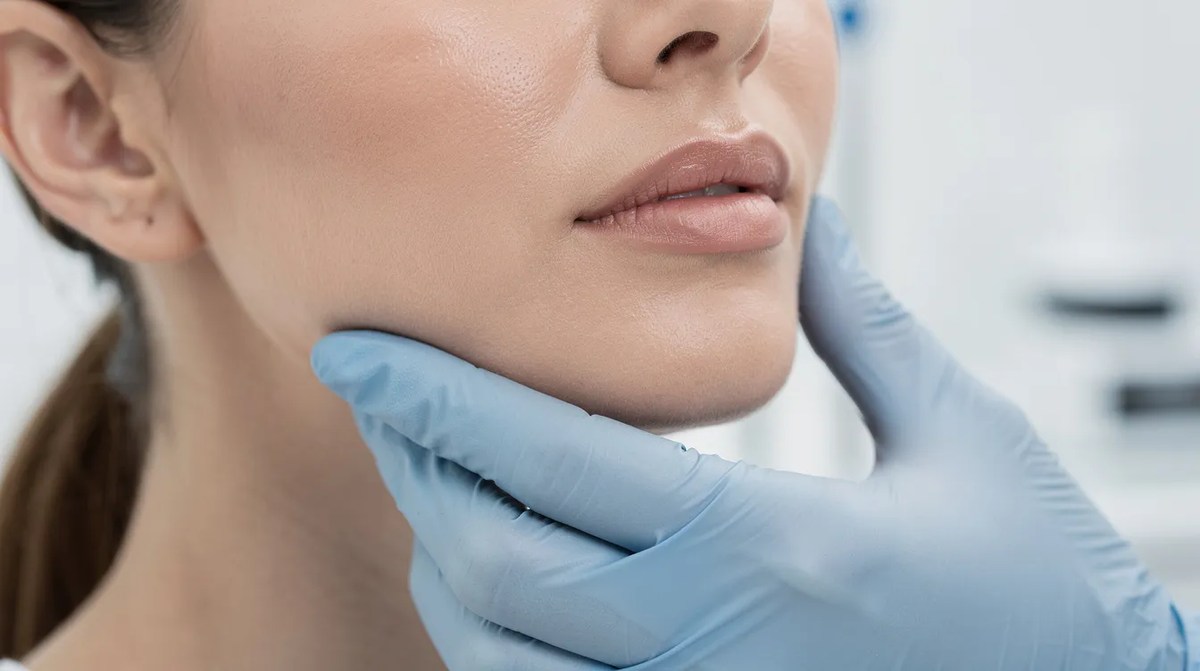
A non surgical facelift is a cosmetic procedure that utilizes a combination of non-invasive and minimally invasive techniques to create a more youthful appearance. It may include dermal fillers, botulinum toxin injections, botox injections, radiofrequency microneedling, ultrasound therapy, laser skin resurfacing, chemical peels, and other procedures.
The main appeal is minimal downtime, often minimal to zero downtime, with non invasive or minimally invasive care. Some results are visible almost immediately, while collagen-based changes develop gradually for firmer skin and a natural, youthful appearance.
What Is a Non Surgical Facelift?
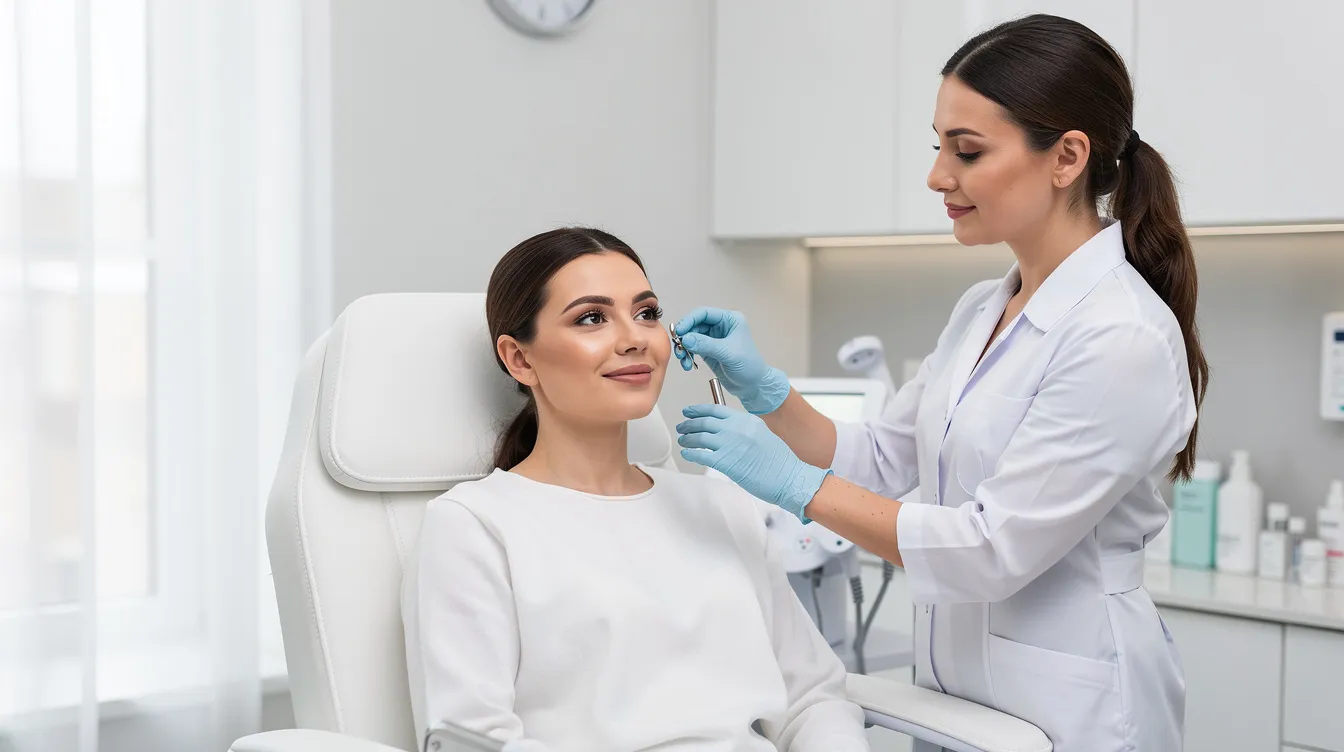
A non surgical facelift, sometimes called a liquid facelift or non invasive facelift, is a tailored treatment plan that lifts, contours, and refreshes facial skin without incisions or general anesthesia. Unlike a surgical facelift, it does not remove significant loose skin or reposition deeper structures.
Aging skin changes because collagen declines, skin elasticity weakens, facial fat shifts, and volume loss appears in the cheeks, temples, under-eyes, and jawline. This can create marionette lines, frown lines, lines wrinkles, jowls, large pores, uneven texture, and wrinkles.
Non surgical facelift treatment works in three ways: injectable treatments restore support, botulinum toxin relaxes overactive muscles to reduce wrinkles, and energy or resurfacing treatments stimulate collagen production. Most appointments take 30–60 minutes, and many patients return to work the same day. Results often last 6 to 24 months, depending on the specific procedures used; fillers may last 9–18 months, and some hyaluronic acid volumizers last up to two years.
Main Types of Non Surgical Facelift Treatments
The best non surgical facelift is usually a personalized treatment plan, not a single treatment. Common non-surgical facelift options include botulinum toxin (BOTOX), injectable fillers, radiofrequency microneedling, and laser treatments.
Common non-surgical facelift treatments include botulinum toxin (BOTOX), injectable fillers such as Juvederm, Radiofrequency Microneedling, and CO2 laser treatments. These procedures can address skin concerns such as fine lines, wrinkles, sun damage, acne scars, uneven skin texture, pore size, and mild sagging.
Use this section as a quick map before your consultation: fillers lift and contour, neuromodulators soften movement lines, lasers improve texture, peels brighten the top layers, and radiofrequency or ultrasound supports skin tightening.
Dermal Fillers & Liquid Facelift
A liquid facelift uses injectable dermal fillers, often hyaluronic acid products, to restore volume in cheeks, temples, lips, under-eyes, chin, and jawline. Dermal fillers are also called soft tissue fillers, and soft tissue fillers can soften folds around the mouth, improve hollows, and create a lifted contour without stitches.
Injectables used in non-surgical facelifts can include neuromodulators like Botox and dermal fillers such as Juvederm, Radiesse, and Sculptra, which help create a lifted and contoured appearance. Most fillers last 9–18 months; thicker midface fillers may last up to two years. Fat grafting, fat injections, and surgical fat transfer are different from routine office fillers and may fall closer to plastic surgery or cosmetic surgery planning.
Common side effects include swelling, redness, tenderness, and small bruises for a few days. If medically safe, many providers suggest avoiding aspirin, ibuprofen, fish oil, and vitamin E for about one week before treatment to reduce bruising. A safe visit should include photos, facial anatomy review, numbing, careful cannula or needle placement, and immediate aftercare guidance.
Neuromodulators (Botox & Similar Treatments)
Neuromodulators such as Botox, Dysport, Xeomin, and similar products relax specific muscles that create dynamic wrinkles. They are commonly used for crow’s feet, forehead lines, bunny lines, frown lines, and downturned mouth corners.
Results appear in 3–7 days, peak around two weeks, and typically last 3–4 months. Precise dosing matters: the goal is to smooth fine lines while keeping natural expression, not a frozen appearance. Men and women from their late 20s through 60s often use botulinum toxin both preventively and to soften existing wrinkles.
Laser Skin Resurfacing & Energy-Based Tightening
Laser skin resurfacing improves tone, texture, fine lines, sun damage, and acne scars by treating damaged outer layers and stimulating collagen production. According to Johns Hopkins Medicine, deeper resurfacing may require more healing time than lighter approaches.
Non-ablative lasers are gentler with shorter downtime. Ablative and fractional lasers, including CO2 laser resurfacing, can more dramatically smooth wrinkles and sun damage because they target the outer layers and top layers of skin. Laser treatments, such as CO2 laser resurfacing and BBL (BroadBand Light) therapy, are effective for improving skin texture and reducing signs of sun damage in non-surgical facelifts.
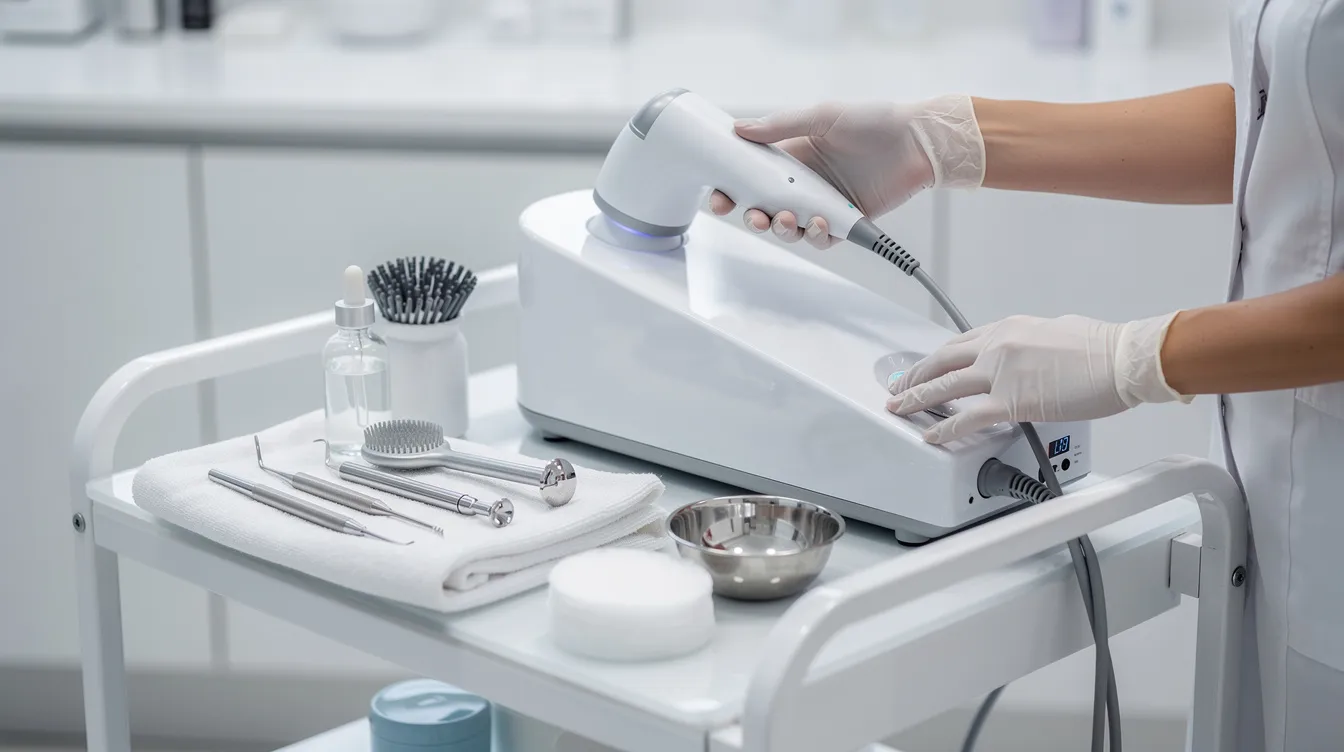
Radiofrequency, radiofrequency microneedling, and ultrasound therapy are other procedures used for skin tightening. Ultrasound therapy utilizes micro-focused ultrasound energy to stimulate collagen and achieve a gradual lift in facial structures. Thread lifts use dissolvable or permanent threads to lift sagging facial areas, though they require careful patient selection.
Chemical Peels & Microneedling
Chemical peels and microneedling refine skin tone and texture and are often paired with injectables for a fuller facelift effect. In peels, acids such as glycolic, salicylic, or TCA are applied so chemicals remove dull or damaged surface cells in a controlled way.
Light peels brighten and smooth with little downtime, while medium or deeper peels may cause several days of flaking. Some patients need multiple chemical peels for best results. Microneedling creates tiny channels in the skin, encouraging collagen and elastin to improve acne scars, fine lines, and overall facial skin quality.
Benefits of Choosing a Non Surgical Facelift
Modern non surgical facelift options can help patients achieve results without the recovery burden of surgery. Benefits include:
- Office-based procedures without general anesthesia
- Minimal downtime and limited activity changes
- Adjustable results over time
- Lower upfront cost than many surgical procedures
- Natural results that preserve facial movement
Natural-looking rejuvenation is a key benefit of non-surgical facelifts, which focus on plumping and conditioning the skin rather than pulling it tightly. These procedures reduce the appearance of fine lines and wrinkles while also preventing new ones from forming, contributing to a more youthful appearance. Non-surgical facelifts can improve skin elasticity by boosting collagen production, resulting in smoother and firmer skin. Patients often experience natural-looking results because changes are gradual rather than drastic.
Who Is (and Isn’t) a Good Candidate?
An ideal candidate has mild to moderate sagging, early jowls, fine lines, wrinkles, volume loss, and realistic expectations. Non surgical care is especially useful for patients who want subtle improvement without scars or weeks of recovery time.
Non surgical options may be limited for very heavy neck bands, advanced laxity, or significant excess skin. Surgical facelifts provide more dramatic and long-lasting results compared to non-surgical alternatives. In rare cases, active infections, severe acne, uncontrolled autoimmune issues, or certain medications may delay treatment, so disclose your full health history.
What to Expect Before, During & After Treatment
Your consultation should include medical history, medication review, photos, discussion of skin concerns, and a step-by-step treatment plan. Your provider should explain potential risks, expected maintenance, and how your plan compares with surgery or other patients with similar anatomy.
On procedure day, expect consent forms, makeup removal, numbing if needed, and the treatment itself-fillers, neuromodulators, lasers, chemical peels, or combinations. Afterward, mild swelling, redness, bruising, and minimal side effects are common. Most patients avoid strenuous exercise, alcohol, saunas, and heavy sun exposure for 24–48 hours.
Fillers are visible right away and settle over 1–2 weeks. Neuromodulators work within days. Collagen-building procedures improve gradually over weeks to months.
Costs, Packages & How to Compare Clinics Near You
The cost of a non-surgical facelift can start at approximately $2,100, but this amount can vary based on several factors including the specific treatments chosen and the individual needs of the patient. Factors influencing the cost of non-surgical facelifts include the type of procedures performed, the geographic location of the treatment, and the expertise of the practitioner.
Typical 2026 ranges include:
| Treatment | Approximate range |
|---|---|
| Dermal filler | $700–$1,200 per syringe |
| Neuromodulator area | $350–$650 |
| Laser resurfacing | $2,800–$4,800 |
| Thread lift | $2,500–$4,500 |
| RF/ultrasound tightening | $3,500–$5,000 |
On average, the effects of non-surgical facelift treatments last between 6 to 24 months, which can affect the overall cost due to the need for follow-up treatments to maintain results. Look beyond price: choose credentialed providers, medical-grade products, clear consent forms, before-and-after photos, and honest risk discussions.
Why Choose Our Clinic for Your Non Surgical Facelift
Our clinic focuses on medically guided, natural, customized non surgical facelift plans. We use conservative dosing, careful facial mapping, and layered treatment options rather than a one-size-fits-all approach.
In one location, patients can discuss dermal fillers, neuromodulators, laser skin resurfacing, microneedling, chemical peels, and skin tightening. When helpful, consultations include digital imaging or side-by-side photo review so you can track progress and understand realistic changes before committing.

Frequently Asked Questions About Non Surgical Facelifts
How long does a non surgical facelift last?
Most results last 6–24 months. Botox may last 3–4 months, while fillers and collagen-building treatments often last longer.
Is a non surgical facelift painful?
Most patients describe mild discomfort, not significant pain. Numbing cream, cooling, and gentle technique help keep treatment comfortable.
How soon before an event should I schedule treatment?
For fillers or botulinum toxin, plan at least 2–4 weeks ahead. For laser skin resurfacing or stronger peels, allow more time for redness and peeling to resolve.
Is it safe for darker skin tones?
Many treatments can be safe, but laser and peel settings must be chosen carefully to reduce pigment risks. A consultation is the gold standard.
Can I combine this with body procedures?
Yes, but timing matters. Your provider can coordinate facial treatments with body procedures so healing and inflammation do not overlap unnecessarily.
What warning signs should I report?
Report severe pain, skin blanching, vision changes, spreading redness, fever, or worsening swelling immediately. These are uncommon but important potential risks.
Conclusion: Next Steps Toward a Fresher, More Lifted Look
A non surgical facelift can create a more youthful, refreshed appearance without the downtime of traditional surgery. The strongest results usually come from combining fillers, neuromodulators, laser skin resurfacing, chemical peels, and other procedures based on your anatomy.
If you are ready to explore a non surgical option, schedule a consultation, bring photos if helpful, and discuss timing around work, travel, or special events. Contact our clinic by phone or online form to begin your personalized non surgical facelift treatment plan.