
Table of Contents
- Introduction: How Non-Surgical Waist Slimming Really Works
- Understanding Waist Fat: Subcutaneous vs. Visceral Belly Fat
- Core Non-Surgical Waist Slimming Technologies
- Medical Weight Loss & Appetite Control to Support a Slimmer Waist
- Who Is a Good Candidate for Non-Surgical Waist Slimming?
- What to Expect: From Consultation to Results
- Costs, Financing & Planning Your Investment
- Frequently Asked Questions About Non-Surgical Waist Slimming
- Why Choose MedSpa MD Group for Non-Surgical Waist Slimming?
- Ready to Slim Your Waist Without Surgery? Next Steps
Introduction: How Non-Surgical Waist Slimming Really Works
If you have ever dropped ten pounds through dieting and running only to find the same pinch of fat sitting stubbornly at your waistline, you already understand the frustration. The midsection-love handles, lower belly, that persistent muffin top-is one of the last areas where the body lets go of stored fat. High cortisol levels are linked to increased belly fat storage, which means stress, sleep debt, and hormonal shifts can keep that waistline wider than you want even when the scale cooperates. Spot reduction of fat is a myth, and strengthening deep core muscles alone will not melt a fat layer that sits on top of them.
Non-surgical waist slimming refers to a growing category of non-invasive fat removal and minimally invasive cosmetic procedure options that contour the midsection without incisions, general anesthesia, or the downtime of a surgical procedure. These treatments focus on reducing subcutaneous fat cells-not replacing the need for a healthy lifestyle, but refining what diet and exercise leave behind. Slimming the waist requires overall body fat reduction through sustainable habits, and these technologies pick up where those habits plateau.
This guide covers the main approaches: fat freezing (cryolipolysis), radiofrequency energy and laser-based body contouring, ultrasound fat reduction treatments, injectable deoxycholic acid, and appetite control injections like semaglutide. Non-surgical waist slimming combines core exercises, lifestyle habits, and aesthetic treatments into a strategy that actually moves the tape measure. MedSpa MD Group offers physician-led, non-surgical body contouring in Philadelphia, PA and Houston, TX, with transparent pricing discussed during every consult.
Understanding Waist Fat: Subcutaneous vs. Visceral Belly Fat
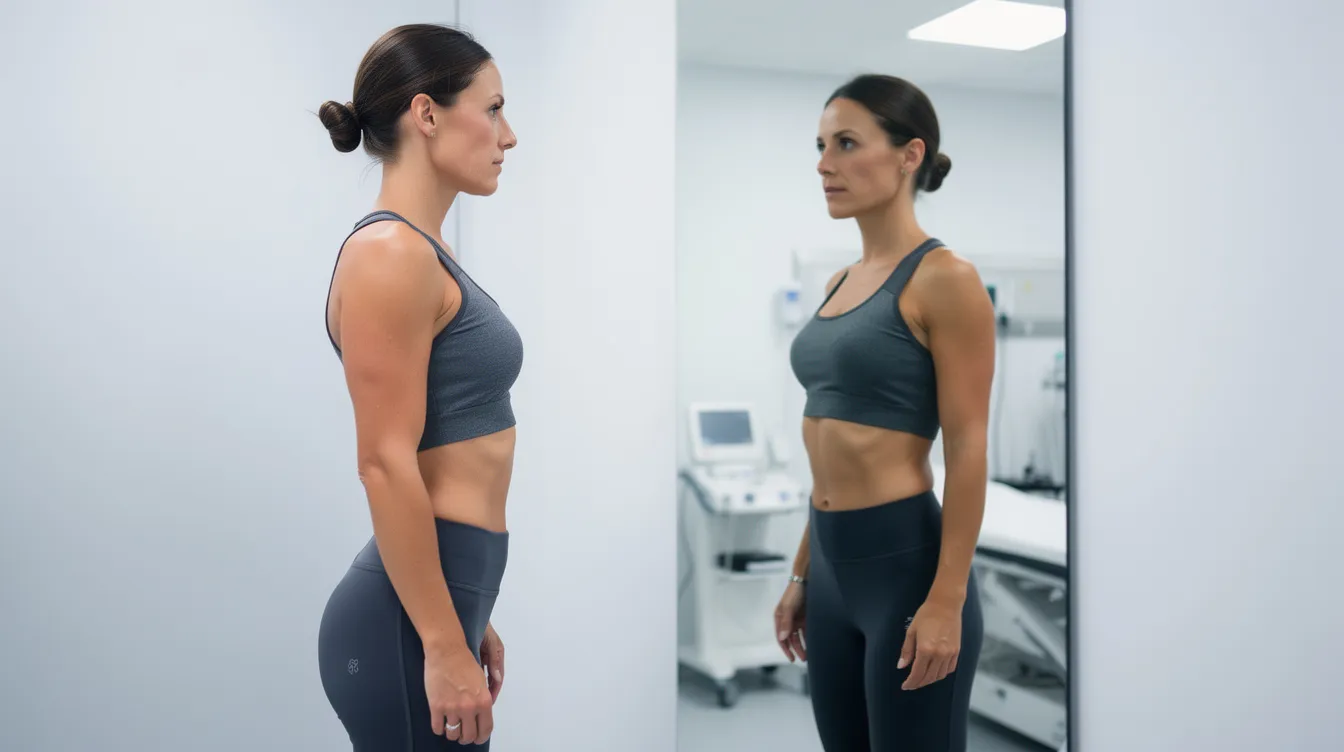
Not all belly fat responds to the same intervention. Knowing the difference between the two main types determines whether a body contouring treatment or a medical weight loss plan, or both, makes sense for you.
Subcutaneous fat is the soft, pinchable fat layer sitting directly under the skin around the waistline. This is the primary target of non-surgical waist slimming and fat reduction treatments. You can grab it between your fingers along your flanks and lower abdomen, and it is the tissue that creates a visible fat bulge or love handle.
Visceral fat is deeper, packed around internal organs like the liver and intestines. It is a health concern linked to type 2 diabetes and cardiovascular disease, and it cannot be treated by cosmetic body sculpting devices that work from outside the skin. Cardiovascular exercise is effective at burning both visceral and subcutaneous belly fat, which is why movement matters even when you are also pursuing device-based treatments.
A simple check: women with a waist circumference over 35 inches and men over 40 inches (measured at navel level) are at higher metabolic risk. Lifestyle changes-diet, activity, sleep, stress management-are necessary to reduce visceral fat. Non-surgical body contouring focuses specifically on shaping the waist by reducing subcutaneous fat cells that sit closer to the surface.
Core Non-Surgical Waist Slimming Technologies
Today’s fat reduction treatments are FDA cleared to slim the waist, flanks, and lower abdomen with little to no downtime. Non-surgical body contouring relies on various energy types to reduce fat, and non-surgical aesthetic procedures use thermal, cooling, or sonic energy to destroy fat cells beneath the surrounding skin while leaving surrounding tissues intact, helping to reduce fat cells in targeted areas.
Results build gradually over six to twelve weeks as the body processes and clears treated fatty tissue. Multiple treatment sessions are common before waist slimming becomes clearly visible. Cosmetic fat reduction reshapes contour; it is not a weight loss solution on its own. But when paired with medical weight loss or lifestyle changes, these technologies help you achieve desired results that neither approach delivers alone.
Fat Freezing (Cryolipolysis) for the Waistline
Cryolipolysis is the clinical term behind fat freezing. The process works by cooling subcutaneous fat pockets in the waist and love handles to temperatures that cause fat cells freeze, crystallize, and undergo apoptosis (programmed cell death). Surrounding skin, muscle, and nerves are spared because fatty tissue is more vulnerable to controlled cooling than other cell types.
Here is how a session works in practice:
- An applicator pulls a bulge of belly fat or flank fat into a cup using suction
- Controlled cooling is applied to the treatment area for roughly 35 to 60 minutes
- Frozen fat cells are gradually cleared by the body’s lymphatic system over the following weeks
CoolSculpting can reduce fat by 20 to 25 percent in the treated waist area after a single session, and patients typically see a fat reduction of 20 to 25 percent per session. A large meta-analysis of over 3,100 treatment cycles found a mean abdominal circumference reduction of about 3.5 cm (roughly 1.4 inches) at 12-week follow-up. Final changes usually appear within one to three months.
Ideal candidates have pinchable fat around the waist and are within about 20 to 30 pounds of their ideal body weight. CoolSculpting can cause temporary redness and swelling, along with numbness and tingling at the treatment site. These resolve within days to a few weeks. Cryolipolysis can rarely cause Paradoxical Adipose Hyperplasia (PAH), though the incidence remains very low across thousands of documented cycles.
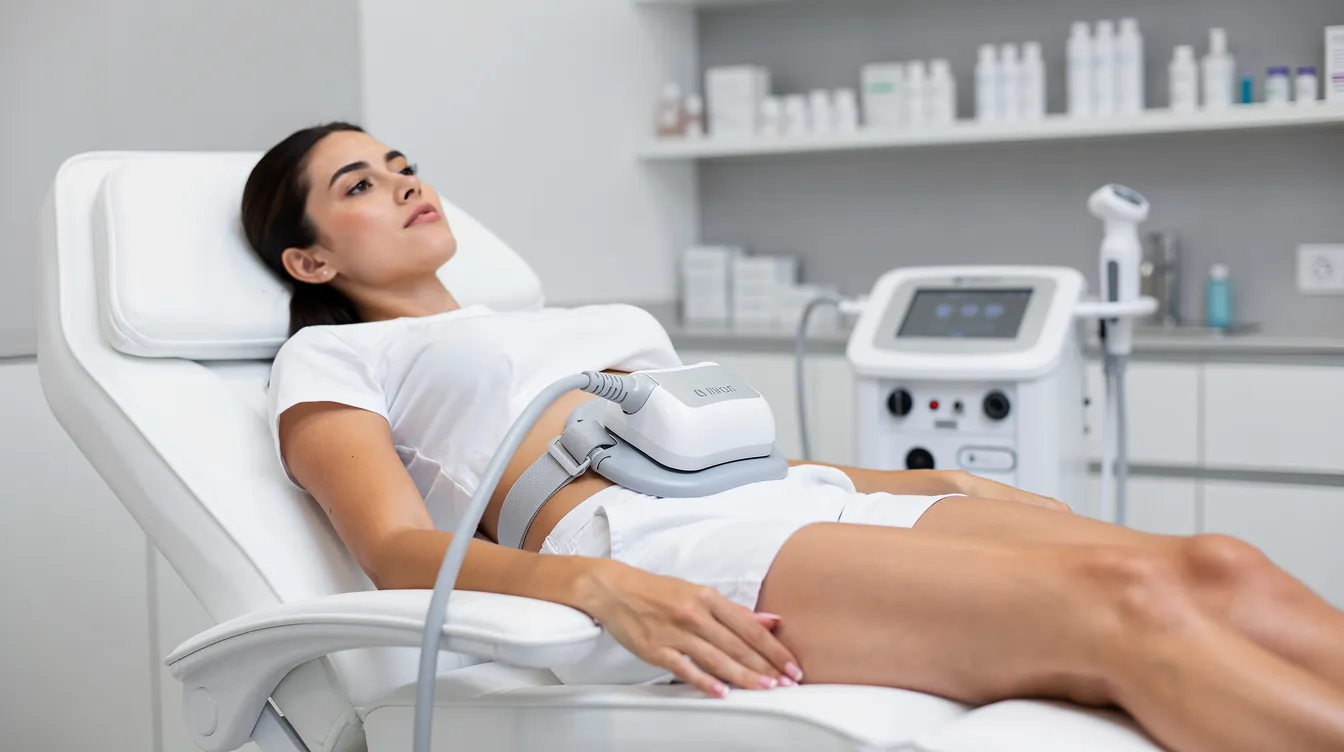
Heat-Based Waist Slimming: Laser & Radiofrequency Body Contouring
Heat-based treatments use laser or radiofrequency energy to gently heat fat cells under the skin of the abdomen and flanks until they are damaged beyond repair. Laser-based treatments use laser energy to heat and destroy fat cells, while radiofrequency technology uses heat to target and destroy fat cells through electromagnetic waves that penetrate the skin. Built-in cooling mechanisms or non-contact configurations protect the surrounding skin during each session.
SculpSure uses laser energy to melt fat cells in the treatment area, and SculpSure results are visible in about six weeks. Laser treatments may result in temporary redness and tenderness that typically fades within hours to a couple of days. Results from laser fat removal are considered permanent barring weight gain, since destroyed fat cells do not regenerate.
Radiofrequency body contouring can treat a larger belt-like area of the waist in a single session compared with smaller applicators. Studies show waist circumference reductions of 2 to 3.5 cm after about six to ten RF sessions over several weeks. Skin tightening can be achieved through radiofrequency and laser treatments, making these a strong choice for patients concerned about both stubborn belly fat and early loose skin or laxity. Maximal skin tightening effects are typically seen around four to six months post-treatment as collagen remodeling continues. Most patients need three to four treatment sessions spaced a few weeks apart, with waistline changes appearing from six to twelve weeks after the first visit.
Red light therapy can shrink subcutaneous fat cells and triggers fat cells to release their contents, though this approach typically delivers modest fat loss compared to RF or laser and is often used as a complementary treatment rather than a standalone waist-slimming tool.
Ultrasound & Dual-Action Body Sculpting for the Midsection
Focused ultrasound waist treatments use sonic waves to rupture fat cell walls in the abdomen and flanks without altering the skin’s temperature. Ultrasonic cavitation uses focused sonic waves to break down fat cell walls, and ultrasound fat reduction can achieve a 15 to 20 percent fat reduction in treated areas. In one multicenter study, two sessions of high-intensity focused ultrasound produced a mean waist circumference reduction of approximately 3.43 cm at eight weeks post-treatment.
Dual-action platforms take body sculpting a step further. Emsculpt Neo combines fat reduction and muscle building by pairing radiofrequency with high-intensity electromagnetic muscle stimulation in the core. These devices both eliminate fat cells and stimulate intense abdominal muscles contractions-equivalent to thousands of crunches per session-to firm the abdominal wall and improve muscle tone. Emsculpt may lead to muscle soreness similar to an intense workout, which is a normal response.
These dual-method treatments are excellent for people who want a flatter stomach plus more definition, not just fat loss. Typical plans include around four 30-minute sessions over two to three weeks, with continued waist slimming and toning over the following months. These technologies sculpt the midsection contour but are not a substitute for regular cardiovascular exercise or overall fitness.
Injectable Deoxycholic Acid & Micro-Fat Pockets
Injectable deoxycholic acid (the active ingredient in Kybella) chemically breaks down fat cells where it is injected. It works by lysing fat cell membranes on contact, and Kybella provides permanent fat reduction in treated areas because destroyed cells do not regenerate. Kybella is FDA approved for reducing double chins (submental fat), but some off-label use occurs in tiny, well-chosen subcutaneous fat pockets near the waistline under experienced hands.
A board-certified or highly trained injector must map out the treatment area to avoid irregularities. Multiple sessions are typically needed. Common side effects include:
- Swelling and tenderness at the injection site
- Temporary firmness or induration
- Kybella can cause side effects like fatigue and nausea
Kybella injections are a precision tool for a small, discrete fat pocket or fat bulge-not the primary solution for broad belly fat or large-area non-invasive fat reduction. If you are considering off-label use near the waist, work only with a provider experienced in facial and body injection anatomy.
Medical Weight Loss & Appetite Control to Support a Slimmer Waist
For some patients, shrinking the waistline safely requires both local fat reduction and whole-body appetite control. When there is enough excess fat spread across the midsection, relying solely on spot treatments can feel like rearranging furniture in a room that is too full. That is where systemic medical weight loss comes in.
Semaglutide weight loss injections, offered at MedSpa MD Group in Philadelphia and Houston, are a GLP-1 receptor agonist medication that improves appetite control and satiety. Semaglutide helps reduce overall fat mass, including belly fat, by lowering caloric intake. A systematic review of 47 randomized controlled trials found a mean waist circumference reduction of about 6.4 cm (roughly 2.5 inches) from baseline with semaglutide. In the large SELECT trial, semaglutide over four years was associated with mean waist circumference reduction of 7.7 cm versus only 1.3 cm with placebo.
Many patients see gradual fat loss over three to six months, with waist measurements dropping as overall weight trends down. A physician or qualified provider should assess BMI, medical history, and current medications before prescribing any appetite control injection. Semaglutide is a medical intervention, not a cosmetic procedure, and requires ongoing monitoring.
When to Combine Appetite Control with Waist Contouring
If a patient has both a higher BMI and stubborn fat at the waist, the most effective treatment plan may begin with semaglutide to address global fat loss first, then layer targeted non-surgical fat reduction once weight stabilizes.
Consider this example: a patient in Philadelphia beginning in early 2025 starts semaglutide and, over four to six months, achieves significant weight loss of roughly 8 to 10 percent of body weight. Their waist circumference has already dropped, but stubborn fat pockets remain at the lower abdomen and flanks. At that point, they schedule two to three fat freezing or RF sessions to smooth and refine those remaining areas.
Combining appetite control with body contouring also reduces the risk of new fat deposits forming quickly after a cosmetic procedure. But lifestyle-nutrition, movement, sleep-still drives long-term success even with medications and devices.
Who Is a Good Candidate for Non-Surgical Waist Slimming?
Non-surgical waist slimming is designed for contouring, not major weight loss or the treatment of excess skin after massive weight changes. Here is what makes someone a strong candidate:
- Within about 20 to 30 pounds of goal weight, BMI generally under 30 to 32
- Soft, pinchable subcutaneous fat around the waistline (not a firm, round abdomen)
- Good skin elasticity, which allows skin to retract after fat removal
- No uncontrolled diabetes, active infections, pregnancy, or conditions that make cold or heat-based treatments unsafe
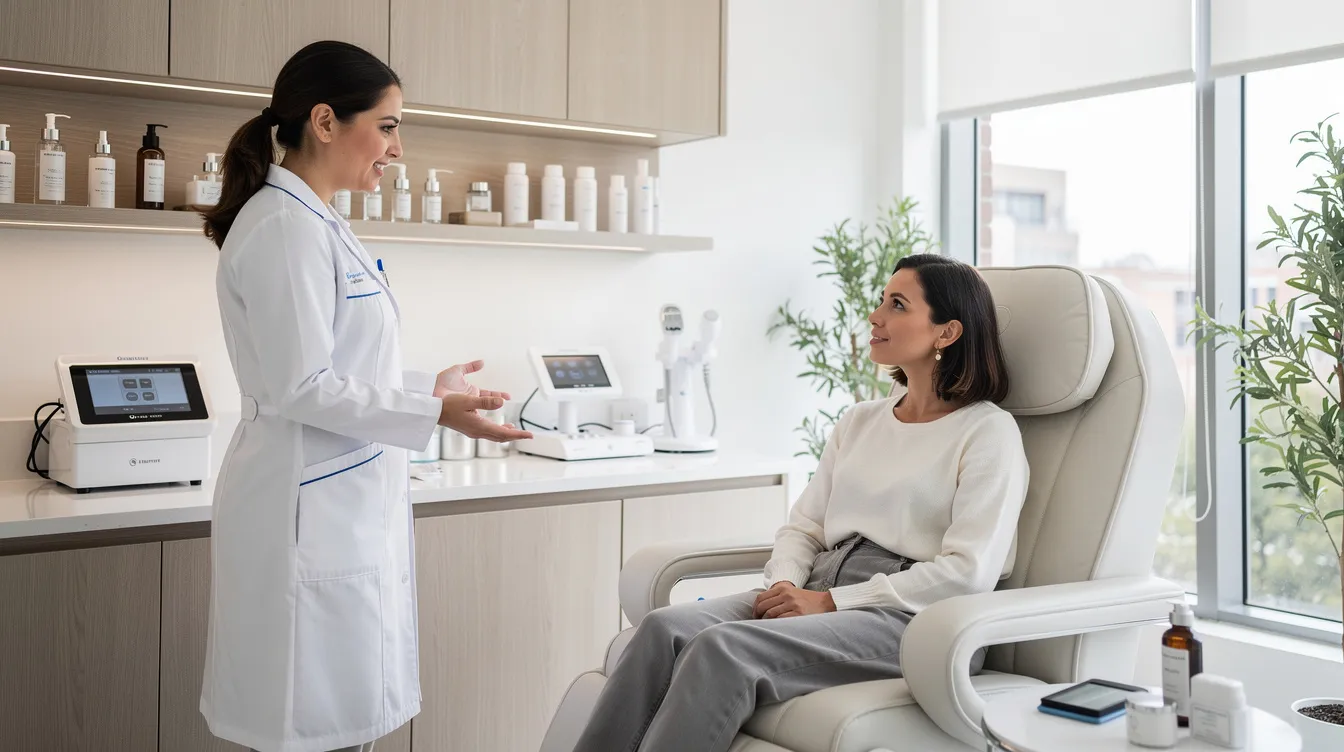
We encourage you to schedule a one-on-one consultation at MedSpa MD Group to confirm candidacy and build a realistic, personalized plan tailored to your waist, your goals, and your timeline.
Red Flags: When Non-Surgical Options May Not Be Enough
Certain situations call for a different level of intervention:
- If you have significant overhanging excess skin or an “apron belly” from massive weight loss or pregnancy, surgical body contouring options like a tummy tuck or liposuction (a minimally invasive approach using a thin tube to suction unwanted fat) may be more appropriate than non-surgical treatments.
- Deeply set visceral belly fat producing a firm, round abdomen will not respond to external body contouring procedures. That fat requires systemic approaches-diet, exercise, and possibly medical weight loss.
- Patients with a history of hernias, metal implants near the treatment area, or severe cold sensitivity may need alternative approaches.
Be upfront about your medical history with your provider. Non-surgical waist slimming improves shape, clothing fit, and silhouette. It does not guarantee a specific clothing size, and setting honest expectations protects both your results and your safety.
What to Expect: From Consultation to Results
At MedSpa MD Group in Philadelphia and Houston, the patient journey follows a clear path:
- Initial consultation: Waist measurement, assessment of fat type and thickness, review of health history, and goal-setting discussion
- Customized plan: Combination of body contouring treatments (fat freezing, RF, ultrasound, or dual-action platforms) and, if appropriate, semaglutide
- Treatment sessions: A typical waist-slimming plan includes three to four device sessions over six to eight weeks
- Follow-up: Progress photos, measurement tracking, and plan adjustments as needed
During treatment, sensations vary: cold and suction during cryolipolysis, warmth during RF or laser sessions, and deep muscle contractions during muscle stimulation platforms. Most body contouring treatments are well tolerated without anesthesia, and patients typically return to work and daily life immediately after appointments. Final results are usually visible by around the three-month mark.
Aftercare & Maintaining Your New Waistline
Aftercare determines whether your investment lasts. Here are the fundamentals:
- Stay hydrated and incorporate light walking after each session
- Avoid aggressive massage on the treatment area unless your provider recommends it
- Monitor for unusual side effects and contact the clinic if anything concerns you
Once fat cells are destroyed, they do not grow back. But remaining fat cells around the waist can still enlarge if you gain weight. Maintaining a stable weight is crucial for preserving treatment results. Dietary adjustments should prioritize lean proteins and reduce processed sugars. Consistent sustainable habits are required to reduce overall body fat and keep it off.
Regular exercise helps improve muscle tone and supports your contour. Pilates-based workouts can lead to visible waist improvements within 12 to 14 days when done consistently and incorporating exercises like vacuum twists, which focus on the transversus abdominis by drawing the belly button in, can help achieve a slimmer waistline and improve muscle tone over time.
A healthy lifestyle is essential to maintain results after treatment. Devices eliminate fat; habits keep it gone.
Consider touch-up sessions every one to two years if you want to refine results as your body or lifestyle changes. Track your waist circumference and keep before-and-after photos to stay motivated and appreciate gradual contour changes.
Costs, Financing & Planning Your Investment
Non-surgical waist slimming is an investment spread over several sessions, often at a lower total cost and with far less downtime than plastic surgery or other surgical alternatives like cosmetic surgery.
Here are realistic national cost ranges for common midsection treatments:
| Treatment | Typical Cost Range |
|---|---|
| CoolSculpting (fat freezing) | CoolSculpting costs average $1,723 per session |
| SculpSure (laser) | SculpSure treatments range from $300 to $1,500 each |
| Kybella (injectable) | Kybella injections cost between $492 and $1,150 per vial |
| Vanquish (contactless RF) | Vanquish treatments can cost up to $4,000 for multiple sessions |
| Ultrasound fat reduction | Ultrasound fat reduction sessions range from $1,500 to $3,000 |
Final cost depends on waist size, number of treatment zones (upper abdomen, lower abdomen, upper arms, flanks), and how many sessions your treatment plan requires. MedSpa MD Group reviews financing options and package pricing during consults, helping patients in Philadelphia and Houston plan around their budget and schedule. Think in terms of overall value: improved confidence, ease in clothing, and avoiding surgical recovery.
Frequently Asked Questions About Non-Surgical Waist Slimming
How many inches can I lose from my waist with non-surgical treatments?
Most patients see a reduction of one to three inches depending on the treatment combination, number of sessions, and starting fat thickness. Clinical data shows cryolipolysis alone can reduce abdominal circumference by about 3.5 cm (roughly 1.4 inches) at 12 weeks. Adding RF, ultrasound, or semaglutide can increase total reduction. Individual variation is real-your consultation will set realistic targets based on your anatomy.
How long do waist slimming results last?
When fat cells are destroyed-whether through fat freezing, laser, or injectable fat reduction-they are permanently gone. However, remaining fat cells can still enlarge if you gain weight. A stable weight, balanced nutrition, and regular movement keep results intact long-term.
Is non-surgical waist slimming painful?
Most patients rate discomfort as mild. Fat freezing involves cold and suction that typically numbs within a few weeks. Heat-based treatments produce warmth that stays within a tolerable range. Ultrasound sessions may feel warm. Muscle stimulation causes intense involuntary contractions, unusual but not painful. Injectable treatments produce brief stinging and subsequent swelling. None of these require general anesthesia.
Can these treatments tighten loose skin around my waist?
Some RF and combined technologies stimulate collagen production and tighten skin modestly, which helps with early laxity. Skin tightening effects build over several months post-treatment. However, significant excess skin, like after major weight loss typically requires a surgical procedure for meaningful correction.
How soon will I see my waist start to slim down?
Early changes often appear at three to four weeks as the body begins to clear treated fat cells. Clearer, measurable results show up at eight to twelve weeks after your final session. Full contouring effects, including any skin tightening, may continue developing for up to six months.
Is there an age limit for non-surgical waist slimming?
Clients in their 20s through 60s commonly qualify. Skin elasticity and overall health status matter more than age alone. A thorough candidacy screening ensures the right approach for your body regardless of your age.
Why Choose MedSpa MD Group for Non-Surgical Waist Slimming?
MedSpa MD Group focuses exclusively on non-surgical aesthetic medicine, with locations in Philadelphia, PA and Houston, TX that make advanced body contouring accessible across both cities. Every treatment plan is physician-led, built on thorough candidacy screenings, and customized to combine the right mix of fat reduction treatments, skin tightening, and appetite control injections for your waist goals.
What sets this practice apart:
- Transparent pricing and honest expectations discussed before any treatment begins
- Before-and-after photo reviews so you understand likely waist slimming outcomes based on real patients
- FDA cleared body contouring devices operated by trained professionals who understand anatomy and energy dosing
- Fly-in patient coordination for efficient, multi-session schedules that minimize disruption to busy lives
- Detailed aftercare support tailored to each patient’s target fat areas and recovery
You will not be sold a treatment that does not fit your body. You will be shown what is realistic, what it costs, and what the timeline looks like.
Ready to Slim Your Waist Without Surgery? Next Steps
Non-surgical waist slimming can target stubborn fat pockets and love handles, refine your body contouring, and help you eliminate fat and improve confidence-all without incisions, long recovery, or guesswork. Whether you are trying to lose weight and reshape what remains, or you are already near your ideal body weight and just want to eliminate fat cells in a specific fat pocket, there is a pathway that fits.
If you are in the Philadelphia or Houston areas, or you are willing to fly in, schedule a personalized consultation with MedSpa MD Group. Call the Philadelphia or Houston office, request a consult online, or submit photos for a virtual pre-assessment.
Bring your questions about fat cells, fat removal options, semaglutide, treatment costs, and realistic timelines. You will leave your visit with a clear, step-by-step waist slimming plan designed around your body, your budget, and your goals. Start now, and you could see visible changes in your waistline over the next few months.